electronic engine controller
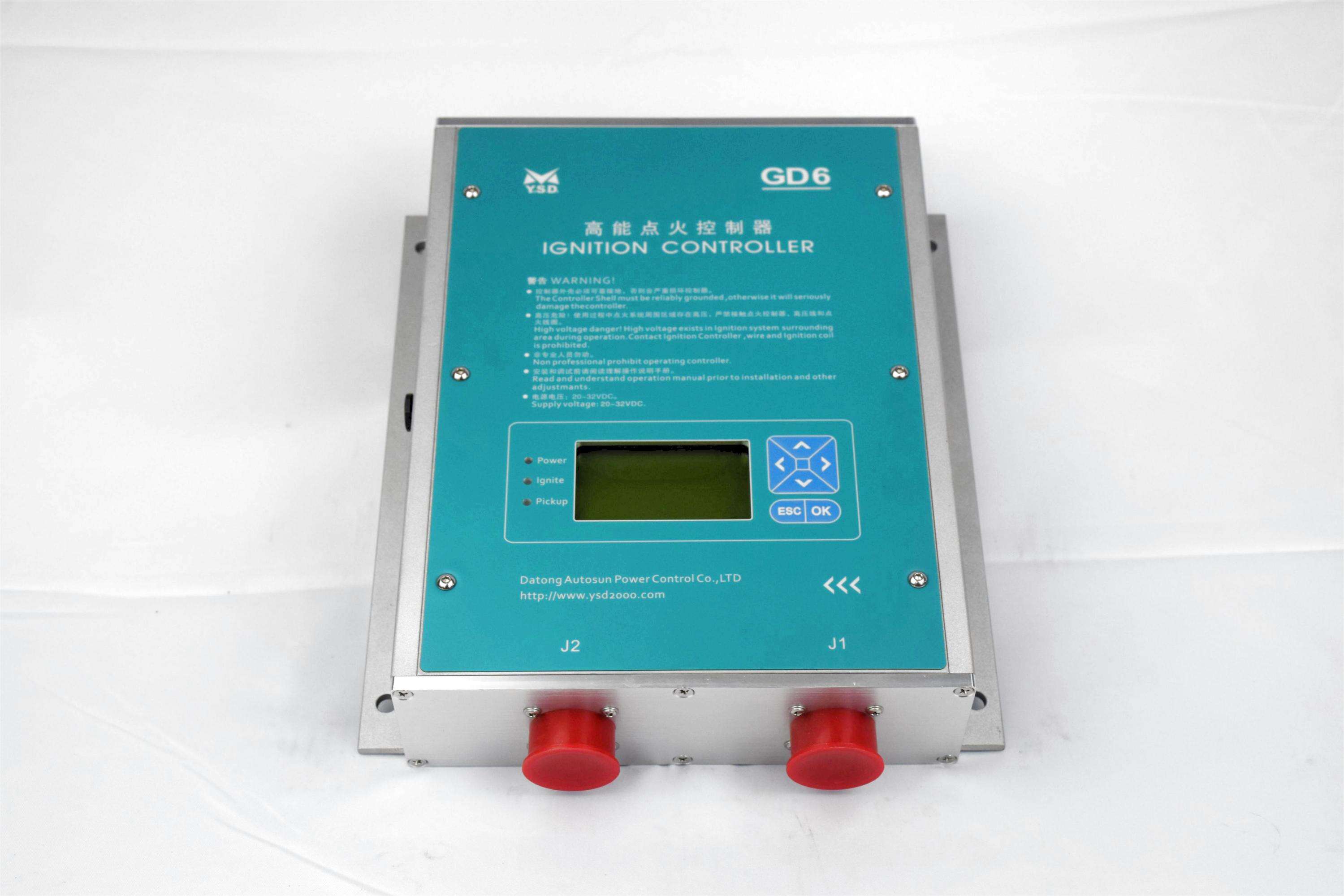
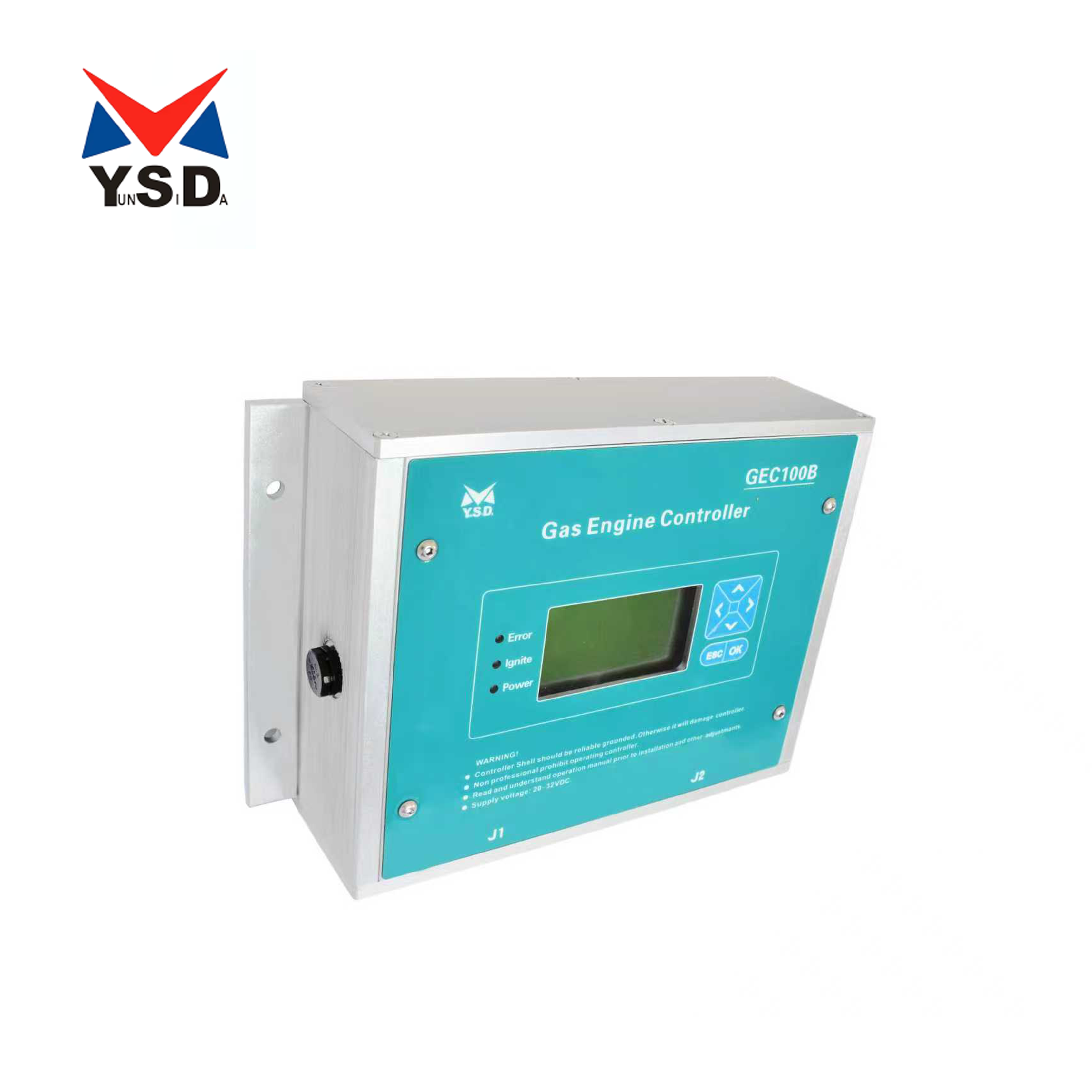
The electronic engine controller, also known as the engine control unit (ECU), serves as the brain of modern vehicle engines, orchestrating various engine functions with precision and efficiency. This sophisticated device continuously monitors and adjusts engine performance through a network of sensors and actuators. It processes real-time data about engine speed, temperature, air intake, fuel mixture, and emissions to optimize engine operation. The controller manages crucial functions including fuel injection timing, ignition timing, valve timing, and emission control systems. By integrating advanced algorithms and adaptive learning capabilities, it can adjust engine parameters based on driving conditions, environmental factors, and vehicle load. The electronic engine controller also plays a vital role in maintaining optimal engine efficiency, reducing fuel consumption, and ensuring compliance with emission standards. It provides diagnostic capabilities, storing error codes and performance data for maintenance purposes. In performance applications, it enables precise tuning and customization of engine parameters to achieve desired power output and efficiency levels. The controller's sophisticated programming allows for seamless integration with other vehicle systems, such as transmission control and stability management systems, ensuring coordinated operation for optimal vehicle performance.