
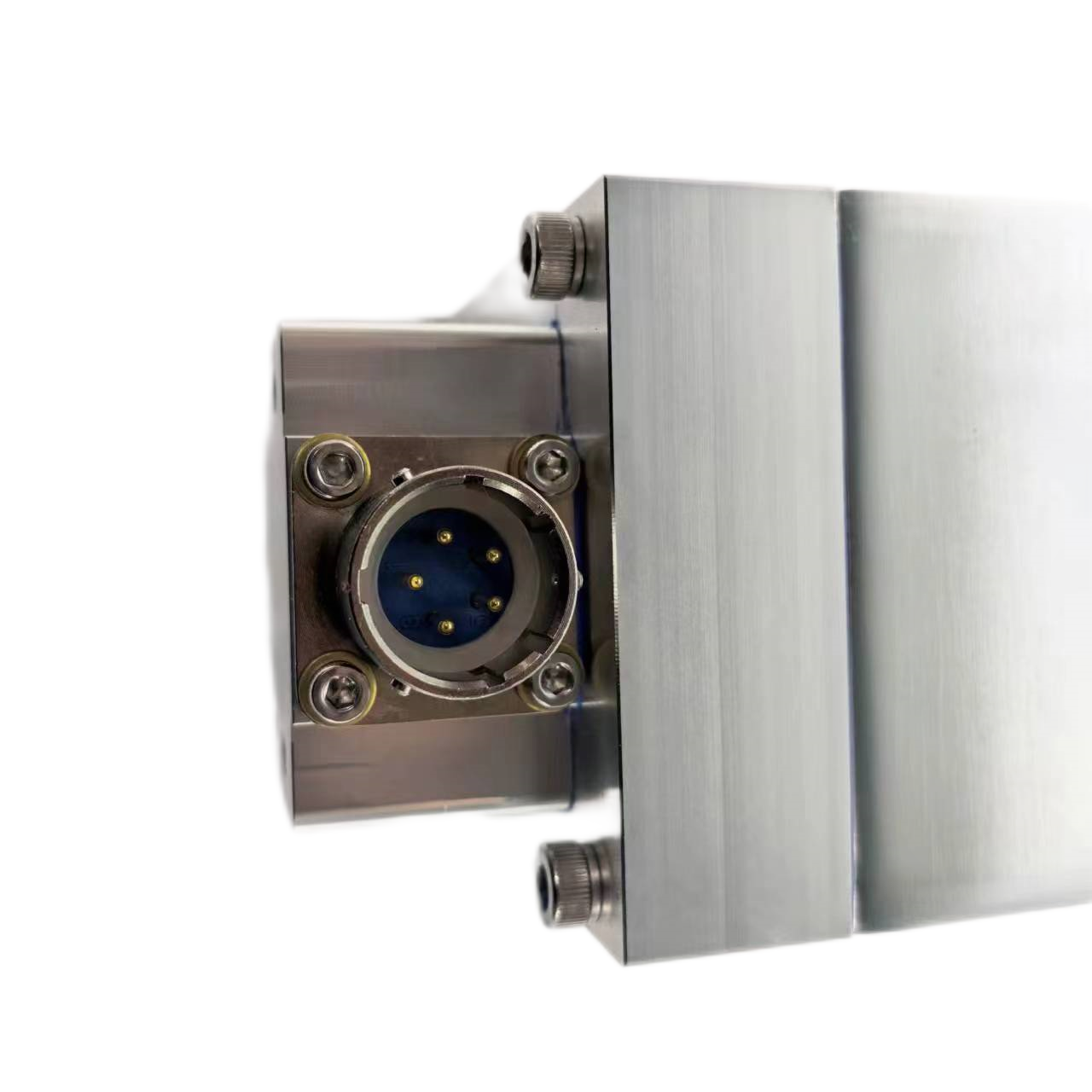
Selecting the appropriate engine controller for industrial applications requires careful evaluation of multiple technical factors that directly impact operational efficiency, safety, and long-term reliability. Industrial engine controllers serve as the central nervous system for power generation equipment, managing everything from fuel injection timing to emission controls while ensuring optimal performance under demanding conditions.
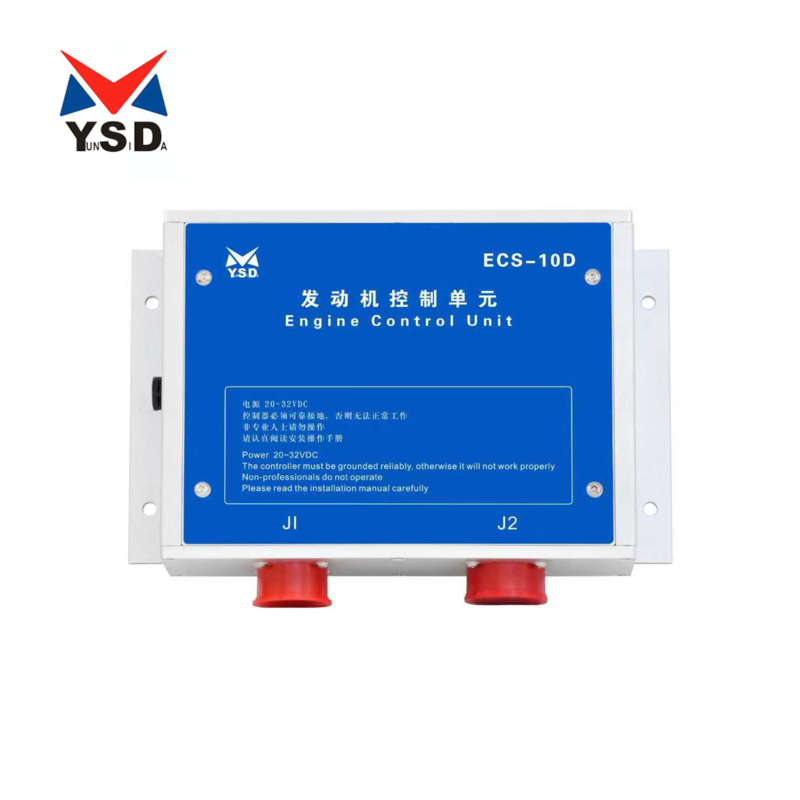
The decision-making process involves understanding your specific operational requirements, environmental conditions, and integration needs with existing systems. Modern industrial facilities depend on sophisticated engine controller technology to maintain consistent power output, reduce downtime, and comply with increasingly stringent environmental regulations while maximizing return on investment.
Understanding Engine Controller Fundamentals
Core Control Functions
An industrial engine controller manages critical engine parameters including ignition timing, fuel delivery, air-fuel mixture ratios, and emission control systems. These sophisticated devices continuously monitor engine performance through multiple sensors, making real-time adjustments to maintain optimal operation under varying load conditions. The engine controller processes thousands of data points per second, ensuring precise control over combustion processes and overall engine performance.
Modern engine controller systems incorporate advanced algorithms that adapt to changing environmental conditions, fuel quality variations, and operational demands. This adaptive capability ensures consistent performance while protecting the engine from potentially damaging conditions such as overheating, excessive pressure, or improper fuel mixture ratios.
Integration Capabilities
Industrial engine controllers must seamlessly integrate with broader facility management systems, including SCADA networks, building automation systems, and remote monitoring platforms. The engine controller serves as a critical communication hub, providing real-time operational data and accepting control commands from centralized management systems. This integration capability enables operators to monitor multiple engines from a single location and implement coordinated control strategies across their entire power generation fleet.
Communication protocols supported by the engine controller determine compatibility with existing infrastructure and future expansion possibilities. Standard industrial protocols such as Modbus, CANbus, and Ethernet-based networks ensure reliable data exchange and control functionality across diverse industrial environments.
Critical Selection Criteria
Power and Performance Requirements
Engine power output and operational duty cycle directly influence engine controller selection, as different applications demand varying levels of sophistication and control precision. High-power industrial generators require engine controller systems capable of managing complex load following scenarios, while standby power applications may prioritize reliability and simplified operation over advanced features.
Consider the engine controller's ability to handle peak loads, transient conditions, and extended operation periods without degradation in performance or reliability. The controller must maintain precise control under all operating conditions while providing adequate headroom for future capacity expansion or operational changes.
Environmental Compatibility
Industrial environments present unique challenges including temperature extremes, humidity variations, vibration, and electromagnetic interference that can affect engine controller performance. The selected engine controller must demonstrate proven reliability under your specific environmental conditions, with appropriate ingress protection ratings and temperature operating ranges that exceed expected site conditions.
Consideration of altitude, ambient temperature ranges, and exposure to corrosive atmospheres ensures the engine controller will provide reliable service throughout its intended operational life. Many industrial facilities require engine controllers certified for hazardous area operation, adding another layer of selection complexity.
Technical Specification Analysis
Control Algorithm Sophistication
Advanced engine controller systems employ sophisticated control algorithms that optimize performance across multiple parameters simultaneously. These algorithms balance fuel efficiency, emissions compliance, power output, and engine longevity through continuous optimization of ignition timing, fuel delivery, and air management systems. The engine controller's computational capacity determines its ability to execute complex control strategies while maintaining real-time response characteristics.
Evaluate the engine controller's ability to implement custom control strategies, accommodate future software updates, and support additional functionality as operational requirements evolve. Flexible programming capabilities ensure the controller can adapt to changing regulatory requirements or operational optimization opportunities without hardware replacement.
Sensor Integration and Monitoring
Comprehensive sensor integration capabilities enable the engine controller to monitor critical engine parameters and provide early warning of potential issues. Modern engine controllers support dozens of sensor inputs, monitoring everything from cylinder temperatures and pressures to exhaust gas composition and vibration levels. This extensive monitoring capability enables predictive maintenance strategies and helps prevent catastrophic failures.
The engine controller's diagnostic capabilities should include detailed fault logging, trend analysis, and predictive maintenance alerts that help optimize maintenance scheduling and reduce unplanned downtime. Advanced engine controllers can detect subtle changes in engine behavior that indicate developing problems long before they become critical failures.
Application-Specific Considerations
Fuel Type Compatibility
Different fuel types require specialized engine controller configurations to optimize performance and ensure compliance with emissions regulations. Natural gas engines demand precise air-fuel ratio control and ignition timing optimization, while dual-fuel applications require sophisticated switching logic and fuel management strategies. The engine controller must demonstrate proven compatibility with your specific fuel type and any planned future fuel options.
Consider the engine controller's ability to adapt to variations in fuel quality, composition, and supply pressure that commonly occur in industrial applications. Robust fuel management algorithms ensure consistent performance despite these variations while maintaining emissions compliance and protecting engine components from damage.
Regulatory Compliance Requirements
Industrial engine installations must comply with numerous regulatory requirements including emissions standards, safety codes, and grid interconnection requirements. The engine controller plays a critical role in ensuring ongoing compliance through precise control of emissions-related parameters and comprehensive documentation of operational performance. Select an engine controller with proven compliance capabilities for your specific regulatory environment.
Emissions monitoring and reporting capabilities built into the engine controller simplify compliance documentation and reduce administrative overhead. Advanced engine controllers can automatically generate compliance reports and provide real-time emissions monitoring to ensure continuous regulatory compliance.
Implementation and Support Factors
Installation and Commissioning
Successful engine controller implementation depends on proper installation, configuration, and commissioning procedures that ensure optimal performance from initial startup. The complexity of engine controller installation varies significantly based on system sophistication and integration requirements. Consider the availability of qualified installation support and the complexity of integration with existing facility systems.
Comprehensive commissioning procedures verify that the engine controller operates correctly under all anticipated conditions and integrates properly with facility management systems. This process typically includes extensive testing of control algorithms, safety systems, and communication interfaces to ensure reliable operation before placing the system into service.
Long-term Support and Maintenance
Engine controller systems require ongoing support including software updates, component replacement, and technical assistance to maintain optimal performance throughout their operational life. Evaluate the manufacturer's support infrastructure, including regional service capabilities, spare parts availability, and technical expertise. Reliable long-term support ensures maximum system availability and helps protect your investment in engine controller technology.
Consider the engine controller's diagnostic capabilities and remote monitoring options that can reduce maintenance costs and improve system reliability. Advanced diagnostic features help maintenance personnel quickly identify and resolve issues, minimizing downtime and reducing maintenance costs over the system's operational life.
FAQ
What factors most significantly impact engine controller selection for industrial applications?
The most critical factors include power requirements, environmental operating conditions, fuel type compatibility, regulatory compliance needs, and integration requirements with existing facility systems. The engine controller must demonstrate proven reliability under your specific operating conditions while providing the necessary control sophistication to meet performance and emissions requirements.
How does fuel type affect engine controller selection and configuration?
Different fuel types require specialized engine controller algorithms and sensor configurations to optimize performance and ensure emissions compliance. Natural gas engines need precise air-fuel ratio control, while diesel applications focus on injection timing and turbocharger management. The engine controller must be specifically configured and calibrated for your intended fuel type to achieve optimal performance and reliability.
What communication capabilities should I prioritize in an industrial engine controller?
Prioritize engine controllers with support for standard industrial communication protocols such as Modbus, CANbus, and Ethernet-based networks that ensure compatibility with existing facility management systems. Remote monitoring capabilities, comprehensive diagnostic reporting, and integration with SCADA systems enable efficient fleet management and predictive maintenance strategies that reduce operational costs and improve reliability.
How important are diagnostic and monitoring features in engine controller selection?
Comprehensive diagnostic and monitoring capabilities are essential for maximizing engine controller performance and reliability. Advanced diagnostic features enable predictive maintenance strategies, reduce unplanned downtime, and help optimize operational efficiency. Look for engine controllers with extensive sensor integration, detailed fault logging, trend analysis capabilities, and remote monitoring options that support proactive maintenance and operational optimization.
Table of Contents
- Understanding Engine Controller Fundamentals
- Critical Selection Criteria
- Technical Specification Analysis
- Application-Specific Considerations
- Implementation and Support Factors
-
FAQ
- What factors most significantly impact engine controller selection for industrial applications?
- How does fuel type affect engine controller selection and configuration?
- What communication capabilities should I prioritize in an industrial engine controller?
- How important are diagnostic and monitoring features in engine controller selection?