
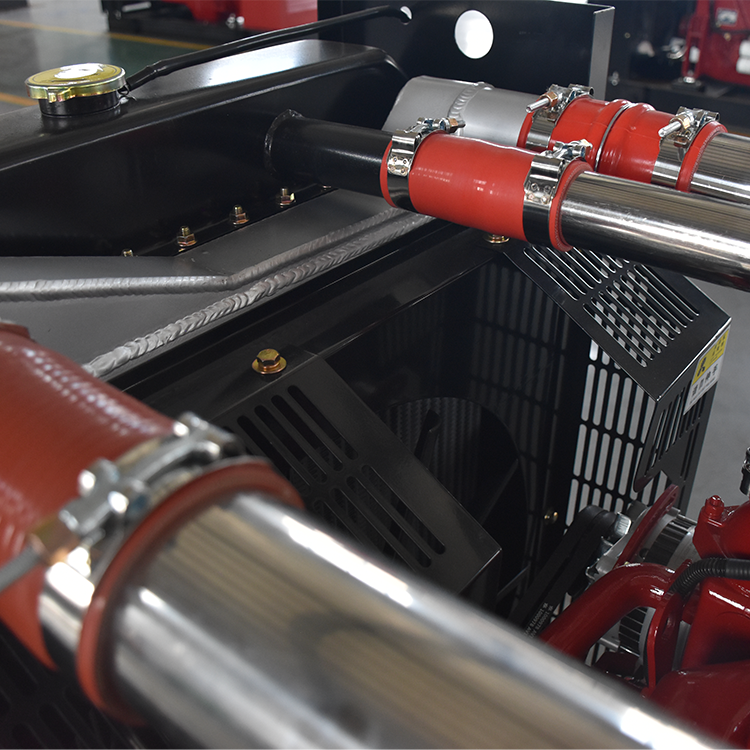
When businesses and homeowners evaluate backup power solutions, cost-effectiveness emerges as a critical decision factor. An LPG generator represents a compelling alternative to traditional diesel and gasoline generators, offering significant economic advantages through lower fuel costs, reduced maintenance requirements, and extended operational life. The combination of affordable liquefied petroleum gas pricing and efficient combustion technology makes this power solution particularly attractive for organizations seeking reliable energy generation without the financial burden associated with conventional alternatives.
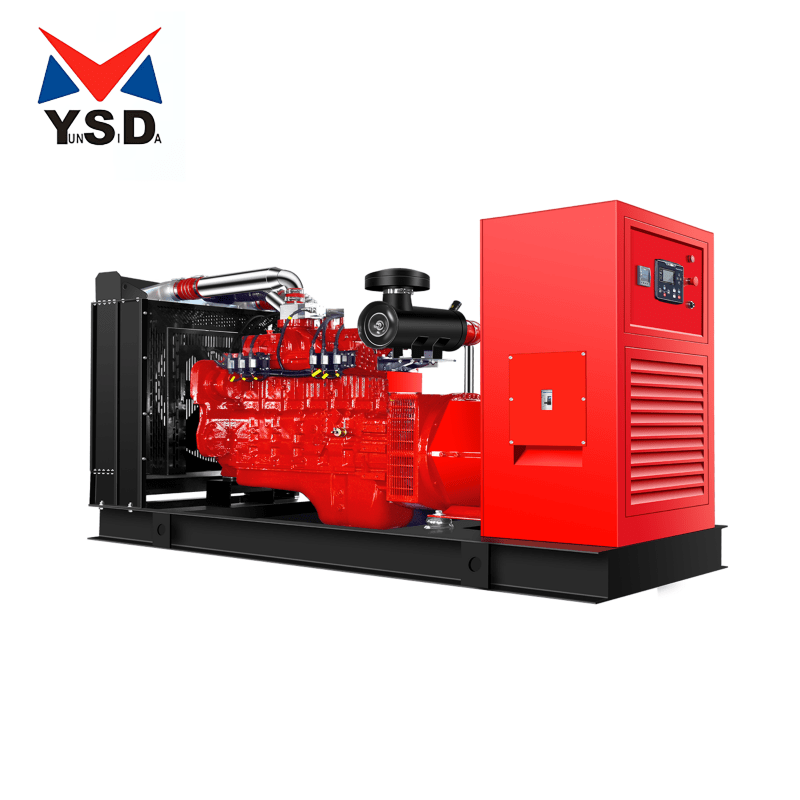
The economic benefits of choosing an lpg generator extend beyond simple fuel price comparisons. These systems deliver superior value through multiple cost-reduction mechanisms, including cleaner combustion that minimizes engine wear, simplified fuel storage requirements, and reduced emissions-related compliance costs. Understanding these financial advantages helps decision-makers recognize why LPG technology has gained significant traction across residential, commercial, and industrial applications where power reliability and operational efficiency intersect with budget constraints.
Fuel Cost Advantages of LPG Power Generation
Competitive LPG Pricing Structure
LPG consistently maintains price advantages over diesel and gasoline in most markets, creating immediate operational savings for generator users. The fuel typically costs 20-30% less per energy unit than conventional alternatives, translating to substantial savings during extended operation periods. This pricing stability stems from LPG's diverse supply sources and efficient distribution networks that reduce price volatility compared to petroleum-based fuels.
The economic impact becomes particularly pronounced during peak demand periods when diesel and gasoline prices experience sharp increases. An lpg generator maintains consistent operational costs because LPG pricing remains relatively insulated from crude oil market fluctuations. This predictable cost structure allows businesses to budget power generation expenses more accurately and avoid unexpected spikes in operational expenditures.
Commercial users often discover additional savings through bulk LPG purchasing agreements and long-term supply contracts. These arrangements provide volume discounts and price protection mechanisms unavailable with liquid fuel alternatives, further enhancing the cost-effectiveness of LPG generator systems.
Efficient Fuel Consumption Characteristics
Modern LPG generators achieve impressive fuel efficiency through optimized combustion systems designed specifically for gas fuel properties. The complete combustion characteristics of LPG result in higher energy conversion rates compared to liquid fuels, meaning each unit of fuel produces more usable electrical power. This efficiency advantage translates directly to lower fuel consumption and reduced operational costs.
The clean-burning nature of LPG eliminates fuel-related power losses that commonly occur with diesel generators due to fuel contamination, water absorption, and degradation over time. An lpg generator maintains consistent performance without the efficiency degradation associated with aged liquid fuels, ensuring optimal fuel utilization throughout the system's operational life.
Temperature variations have minimal impact on LPG performance, unlike diesel systems that experience reduced efficiency in cold conditions. This consistent performance across varying environmental conditions ensures predictable fuel consumption and reliable cost calculations regardless of seasonal changes or geographic location.
Maintenance and Operational Cost Reductions
Reduced Engine Wear and Maintenance Requirements
The clean combustion properties of LPG significantly reduce engine wear compared to diesel and gasoline alternatives, resulting in lower maintenance costs and extended service intervals. LPG burns completely without leaving carbon deposits, eliminating the engine contamination that necessitates frequent oil changes and component replacements in liquid fuel systems. This cleaner operation translates to maintenance cost savings of 30-40% over the generator's operational lifetime.
Critical engine components experience substantially less stress when operating on LPG, including reduced wear on cylinder walls, pistons, and valve systems. An lpg generator typically requires oil changes at intervals 50% longer than diesel equivalents, while spark plugs and air filters maintain effectiveness for extended periods. These extended maintenance intervals reduce both direct parts costs and labor expenses associated with routine servicing.
The absence of fuel contamination issues eliminates costly repairs related to injector cleaning, fuel system maintenance, and tank cleaning procedures common with liquid fuel generators. LPG systems avoid the expensive maintenance requirements associated with fuel polishing, water separation, and biocide treatments necessary for diesel generator reliability.
Simplified Storage and Handling Cost Benefits
LPG storage systems offer significant cost advantages through simplified infrastructure requirements and reduced handling complexity. Unlike diesel generators that require expensive fuel tanks with secondary containment, leak detection systems, and environmental compliance measures, LPG storage utilizes standard pressure vessels with minimal regulatory overhead. This simplified storage approach reduces initial installation costs and ongoing compliance expenses.
The absence of fuel degradation concerns eliminates costs associated with fuel rotation, stabilizer additives, and periodic fuel quality testing required for liquid fuel systems. An lpg generator operates reliably with fuel that has been stored for years without quality degradation, eliminating the expense of unused fuel disposal and replacement that characterizes diesel backup systems.
Fuel handling procedures for LPG systems require minimal training and specialized equipment compared to liquid fuel alternatives. The elimination of fuel pumps, filters, and transfer systems reduces both installation costs and ongoing maintenance requirements while improving operational safety and reducing liability exposure.
Long-term Economic Benefits and System Longevity
Extended Equipment Lifespan
The superior combustion characteristics of LPG contribute to significantly extended generator lifespan compared to liquid fuel alternatives. Clean burning reduces internal engine stress and eliminates the corrosive effects of fuel contaminants, allowing lpg generator systems to operate reliably for 15,000-20,000 hours compared to 8,000-12,000 hours typical for diesel units. This extended operational life reduces the total cost of ownership by spreading capital investment over longer service periods.
The consistent fuel quality and complete combustion eliminate the thermal stress cycles that contribute to premature component failure in liquid fuel generators. Critical components including engine blocks, cylinder heads, and exhaust systems maintain structural integrity longer when operating on LPG, reducing major repair costs and extending the interval between major overhauls.
The reduced maintenance requirements and extended component life create a compounding economic benefit where lower operational costs combine with delayed replacement expenses. Organizations can amortize their initial investment over significantly longer periods while maintaining reliable power generation capabilities throughout the extended service life.
Reduced Environmental Compliance Costs
Environmental regulations increasingly impose costs on diesel generator operations through emissions testing, air quality permits, and pollution control requirements. LPG generators produce significantly lower emissions, often qualifying for simplified permitting processes and reduced regulatory compliance costs. The cleaner combustion eliminates the need for expensive diesel particulate filters and selective catalytic reduction systems required for emissions compliance in many jurisdictions.
The reduced environmental impact of LPG operation eliminates potential liability exposure related to soil contamination, groundwater protection, and air quality violations common with diesel fuel systems. This risk reduction translates to lower insurance costs and eliminates the financial exposure associated with environmental remediation requirements.
Many regions offer incentives or reduced fees for cleaner-burning power generation equipment, providing additional cost benefits for organizations choosing LPG technology. These regulatory advantages often include expedited permitting, reduced inspection frequencies, and exemptions from certain environmental impact assessments required for diesel alternatives.
Application-Specific Cost Effectiveness
Residential and Small Commercial Applications
For residential applications, an lpg generator offers exceptional cost-effectiveness through lower installation complexity and reduced ongoing expenses. Home users avoid the expensive fuel tank installation and environmental permits required for diesel systems, while benefiting from existing propane infrastructure already present for heating and cooking applications. This shared infrastructure approach maximizes the economic efficiency of LPG generator installations.
Small commercial operations particularly benefit from the simplified maintenance requirements and extended service intervals characteristic of LPG systems. The reduced complexity allows business owners to manage generator maintenance internally rather than requiring expensive service contracts, creating additional operational savings. The predictable fuel costs enable accurate budget planning without the price volatility concerns associated with diesel alternatives.
The quiet operation characteristics of LPG generators eliminate potential noise-related compliance costs and neighborhood conflicts common with diesel units. This operational advantage prevents expensive sound attenuation measures and reduces the risk of regulatory penalties related to noise ordinance violations.
Industrial and Critical Infrastructure Benefits
Industrial applications requiring extended runtime capabilities find significant value in the cost-effective operation of LPG systems during prolonged outages. The lower fuel costs and extended maintenance intervals become particularly advantageous during emergency situations where generator operation continues for days or weeks. These extended operation periods highlight the cumulative cost benefits of choosing LPG technology.
Critical infrastructure applications benefit from the reliable fuel supply networks supporting LPG distribution, eliminating the supply chain vulnerabilities and price spikes common with diesel fuel during emergency situations. The stable pricing structure and widespread availability ensure predictable operational costs even during crisis periods when fuel demand increases substantially.
The reduced maintenance complexity allows industrial facilities to maintain generator readiness without extensive technical staffing requirements. An lpg generator can be maintained by existing facility personnel with minimal specialized training, reducing the dependency on external service providers and associated costs during critical operational periods.
FAQ
How much can I save annually by switching to an LPG generator?
Annual savings depend on usage patterns, but typical users report 25-35% reduction in total operational costs compared to diesel generators. This includes fuel savings of 20-30%, maintenance cost reductions of 30-40%, and extended equipment life that reduces amortized capital costs. For a generator operating 500 hours annually, savings often reach $2,000-$4,000 per year depending on local fuel pricing and system size.
What are the upfront cost differences between LPG and diesel generators?
LPG generators typically have similar or slightly higher initial purchase costs compared to diesel units, but installation costs are often 15-25% lower due to simplified fuel storage requirements. The elimination of expensive fuel tank installation, secondary containment, and environmental permits often results in lower total project costs despite comparable equipment pricing. Long-term cost benefits typically recover any initial premium within the first two years of operation.
Are there hidden costs associated with LPG generator operation?
LPG generators have fewer hidden costs compared to diesel alternatives. The main additional expense is periodic pressure vessel inspection required for LPG storage tanks, typically costing $200-$400 every five years. This is significantly less than the ongoing expenses for diesel systems including fuel polishing, tank cleaning, environmental compliance, and fuel degradation losses that can total thousands of dollars annually.
How does LPG generator cost-effectiveness change with different usage patterns?
Cost-effectiveness improves with increased usage due to the superior fuel efficiency and reduced maintenance requirements of LPG systems. Standby applications benefit from extended storage life and reduced maintenance during idle periods, while high-usage applications maximize fuel cost savings and extended component life. Even occasional users benefit from the elimination of fuel degradation issues and reduced maintenance complexity that characterize liquid fuel alternatives.