
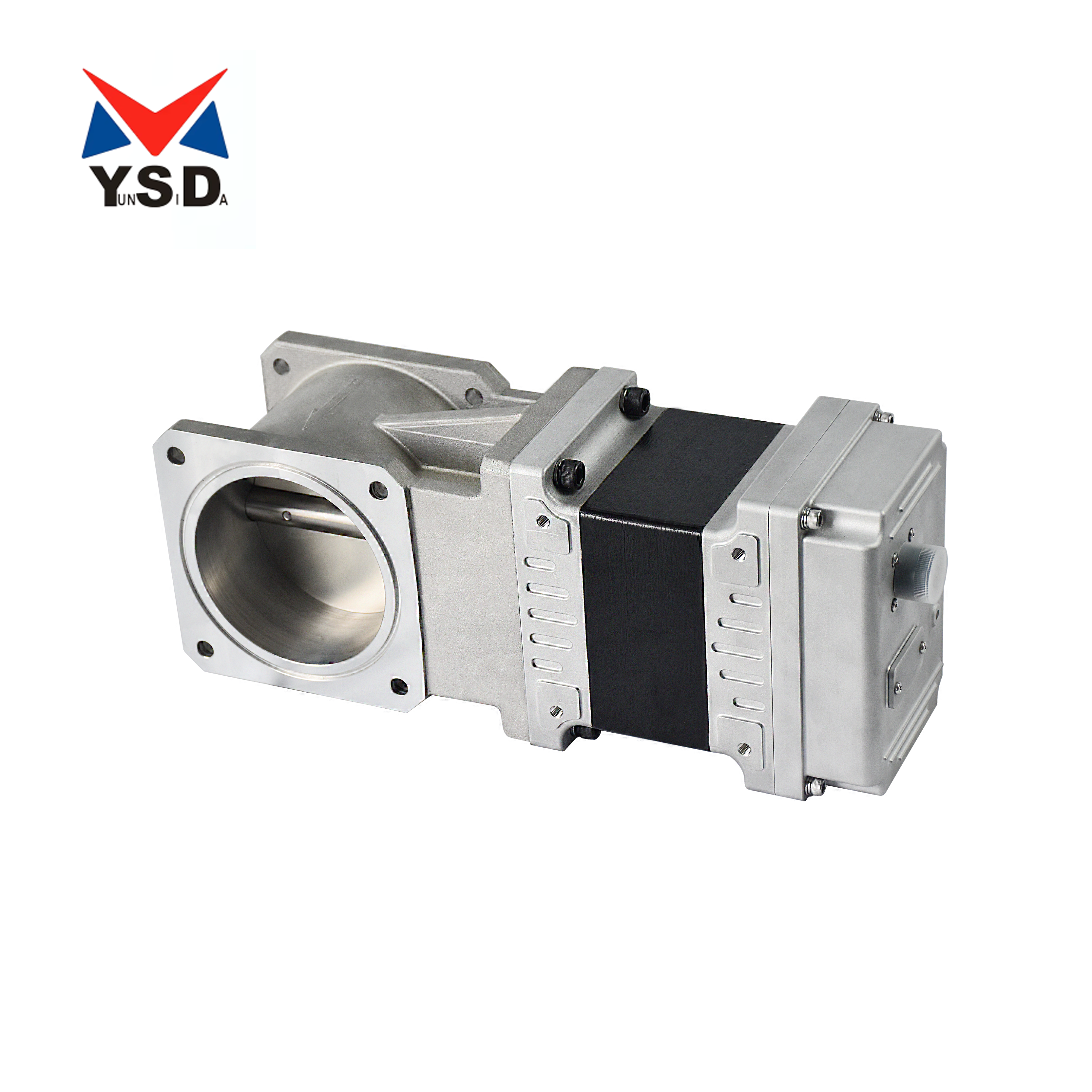
เอ ระบบควบคุมเครื่องยนต์ก๊าซ ทำหน้าที่เป็นสมองของเครื่องกำเนิดไฟฟ้าที่ใช้เชื้อเพลิงก๊าซในยุคปัจจุบัน โดยควบคุมการจ่ายเชื้อเพลิงอย่างแม่นยำ เวลาการจุดระเบิด และการจัดการโหลด เพื่อรักษาระดับการผลิตไฟฟ้าให้คงที่ โครงสร้างอิเล็กทรอนิกส์ขั้นสูงนี้ตรวจสอบพารามิเตอร์ต่าง ๆ ของเครื่องยนต์อย่างต่อเนื่อง และปรับการตั้งค่าการปฏิบัติงานโดยอัตโนมัติ เพื่อตอบสนองต่อความผันผวนของความต้องการพลังงาน สภาพแวดล้อม และคุณภาพของเชื้อเพลิง ซึ่งหากไม่มีการควบคุมอาจส่งผลให้ประสิทธิภาพของเครื่องกำเนิดไฟฟ้าไม่เสถียร
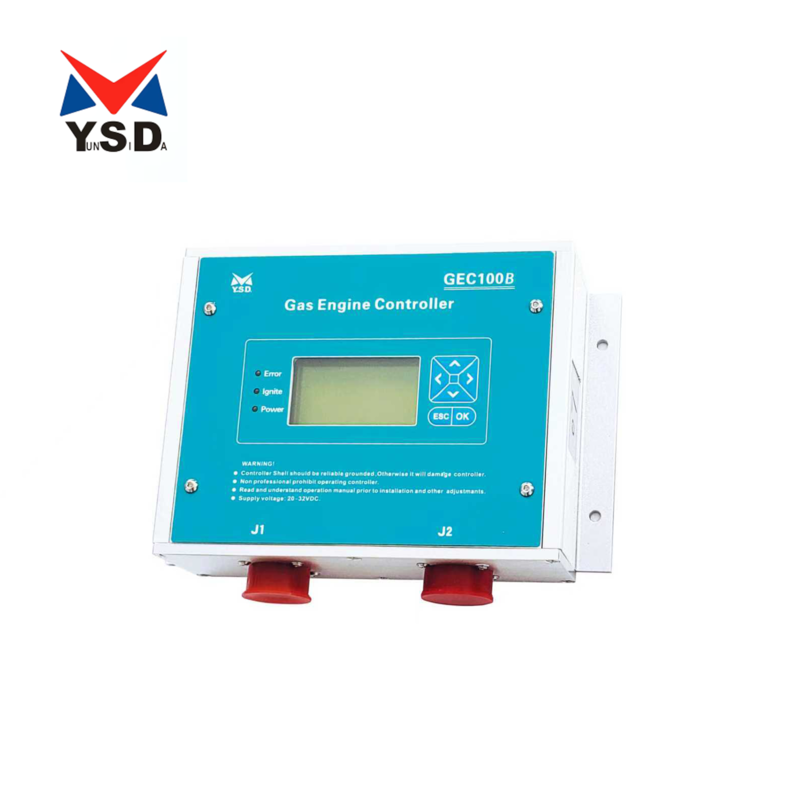
ความมั่นคงของการจ่ายกำลังไฟฟ้าขึ้นอยู่กับความสามารถของระบบควบคุมเครื่องยนต์ก๊าซในการดำเนินการปรับค่าแบบเรียลไทม์ผ่านวงจรตอบกลับแบบบูรณาการ ซึ่งวัดค่าแรงดันไฟฟ้า ความถี่ และความเร็วของเครื่องยนต์ พร้อมทั้งปรับตำแหน่งคันเร่ง ส่วนผสมเชื้อเพลิง และมุมจุดระเบิดไปพร้อมกัน กลไกการควบคุมเหล่านี้ทำงานร่วมกันเพื่อให้มั่นใจว่าผลลัพธ์ด้านไฟฟ้าจะยังคงอยู่ภายในช่วงความคลาดเคลื่อนที่ยอมรับได้ ไม่ว่าจะเกิดการเปลี่ยนแปลงโหลดอย่างฉับพลันหรือความแปรปรวนของสภาวะการปฏิบัติงาน ซึ่งเป็นปัจจัยสำคัญที่ทำให้เกิดความแตกต่างระหว่างแหล่งจ่ายไฟสำรองที่เชื่อถือได้ กับความล้มเหลวของอุปกรณ์ในช่วงเวลาที่มีความสำคัญยิ่ง
กลไกการตรวจสอบและให้คำแนะนำแบบเรียลไทม์
การเฝ้าสังเกตพารามิเตอร์อย่างต่อเนื่อง
ระบบควบคุมเครื่องยนต์ก๊าซใช้เซ็นเซอร์หลายตัวที่ติดตั้งไว้อย่างมีกลยุทธ์ทั่วทั้งชุดเครื่องยนต์และเครื่องกำเนิดไฟฟ้า เพื่อตรวจสอบพารามิเตอร์การปฏิบัติงานที่สำคัญอย่างต่อเนื่อง เซ็นเซอร์เหล่านี้ตรวจวัดความเร็วของเครื่องยนต์ ความดันในไส้กรอก (manifold pressure) อุณหภูมิไอเสีย อุณหภูมิของสารหล่อเย็น และความดันน้ำมันเครื่อง ขณะเดียวกันก็วัดลักษณะของกระแสไฟฟ้าที่ผลิตได้ รวมถึงขนาดแรงดันไฟฟ้า ความเสถียรของความถี่ และรูปแบบการไหลของกระแสไฟฟ้า ระบบควบคุมประมวลผลข้อมูลจากเซ็นเซอร์เหล่านี้ด้วยความถี่สูงกว่า 1,000 ครั้งต่อวินาที ทำให้สามารถตรวจจับความผิดปกติใดๆ จากสภาวะการปฏิบัติงานที่เหมาะสมได้ทันที
สถาปัตยกรรมระบบควบคุมเครื่องยนต์ก๊าซขั้นสูงใช้อัลกอริทึมเชิงทำนายที่วิเคราะห์แนวโน้มของพารามิเตอร์เพื่อคาดการณ์ปัญหาความไม่เสถียรที่อาจเกิดขึ้นก่อนที่จะปรากฏเป็นความผันผวนของผลลัพธ์ การตรวจสอบแบบรุกนี้ช่วยให้ระบบสามารถดำเนินการแก้ไขขณะที่ค่าเบี่ยงเบนยังคงอยู่ในระดับต่ำ จึงป้องกันผลกระทบที่ลุกลามซึ่งอาจนำไปสู่คุณภาพพลังงานลดลงอย่างมีนัยสำคัญ หรือเหตุการณ์การหยุดทำงานของเครื่องยนต์
สถาปัตยกรรมการควบคุมแบบวงจรปิด
โครงสร้างการควบคุมแบบป้อนกลับภายในระบบควบคุมเครื่องยนต์ก๊าซทำงานผ่านวงจรควบคุมแบบปิดหลายวงจร ซึ่งเปรียบเทียบประสิทธิภาพจริงกับค่าที่กำหนดไว้ล่วงหน้า และปรับตัวกระทำโดยอัตโนมัติเพื่อลดสัญญาณความคลาดเคลื่อน วงจรควบคุมหลักรักษาความเสถียรของความเร็วเครื่องยนต์ผ่านการปรับตำแหน่งของคันเร่ง ในขณะที่วงจรรองจัดการอัตราส่วนผสมเชื้อเพลิง-อากาศ เวลาการจุดระเบิดที่ถูกปรับนำหน้า (ignition timing advance) และการเชื่อมต่อโหลดแบงก์ (load bank engagement) เพื่อเพิ่มประสิทธิภาพลักษณะการส่งออกกำลังภายใต้ความต้องการในการปฏิบัติงานที่เปลี่ยนแปลงไป
ลูปการควบคุมที่เชื่อมโยงกันเหล่านี้ใช้อัลกอริธึมแบบสัดส่วน-อินทิกรัล-ดิฟเฟอเรนเชียล (PID) ซึ่งคำนวณขนาดและช่วงเวลาที่แม่นยำของมาตรการควบคุมที่จำเป็นเพื่อคืนความมั่นคงให้ระบบเมื่อเกิดสิ่งรบกวน ความสามารถของระบบควบคุมเครื่องยนต์ก๊าซในการประสานงานลูปการควบคุมหลายลูปเหล่านี้พร้อมกันอย่างมีประสิทธิภาพ ทำให้มั่นใจได้ว่ามาตรการแก้ไขที่ดำเนินการต่อพารามิเตอร์หนึ่งจะไม่ก่อให้เกิดความไม่มั่นคงต่อแง่มุมการปฏิบัติงานอื่นๆ จึงรักษาความกลมกลืนโดยรวมของระบบทั้งหมดไว้ได้ในระหว่างสภาวะการปฏิบัติงานแบบไดนามิก
การจ่ายเชื้อเพลิงและการปรับแต่งส่วนผสมให้เหมาะสม
การจัดการการไหลของเชื้อเพลิงอย่างแม่นยำ
การส่งออกกำลังไฟที่มีเสถียรภาพต้องอาศัยระบบควบคุมเครื่องยนต์ก๊าซ ซึ่งทำหน้าที่รักษาอัตราส่วนเชื้อเพลิงต่ออากาศให้อยู่ในระดับที่เหมาะสมตลอดช่วงเงื่อนไขการโหลดที่เปลี่ยนแปลงไปและอุณหภูมิแวดล้อมที่แตกต่างกัน ระบบดังกล่าวควบคุมวาล์วก๊าซที่ขับเคลื่อนด้วยระบบอิเล็กทรอนิกส์ ซึ่งสามารถปรับอัตราการไหลของเชื้อเพลิงได้อย่างแม่นยำยิ่งกว่าความสามารถของระบบควบคุมแบบกลไก (mechanical governor) ทำให้ตอบสนองต่อการเปลี่ยนแปลงของโหลดได้อย่างรวดเร็ว และป้องกันไม่ให้เกิดภาวะขาดเชื้อเพลิงหรือเชื้อเพลิงมากเกินไป ซึ่งเป็นสาเหตุให้กระบวนการเผาไหม้ไม่เสถียรและลดประสิทธิภาพในการผลิตพลังงาน
การออกแบบระบบควบคุมเครื่องยนต์ก๊าซสมัยใหม่รวมเอาแผนที่การจ่ายเชื้อเพลิงแบบปรับตัว (adaptive fuel mapping) ไว้ด้วย ซึ่งสามารถชดเชยโดยอัตโนมัติสำหรับความแปรผันขององค์ประกอบก๊าซธรรมชาติ ความหนาแน่นของอากาศแวดล้อม และรูปแบบการสึกหรอของเครื่องยนต์ ซึ่งล้วนมีผลต่อความต้องการสัดส่วนผสมที่เหมาะสม ความสามารถในการปรับตัวนี้ช่วยให้มั่นใจได้ว่าลักษณะการเผาไหม้จะคงที่ และการส่งออกกำลังไฟจะมีเสถียรภาพแม้เมื่อคุณภาพของเชื้อเพลิงเปลี่ยนแปลงหรือเงื่อนไขสิ่งแวดล้อมเปลี่ยนไปตลอดระยะเวลาการใช้งานที่ยาวนาน
การชดเชยอัตราส่วนอากาศต่อเชื้อเพลิง
ระบบควบคุมเครื่องยนต์ก๊าซคำนวณและปรับอัตราส่วนอากาศต่อเชื้อเพลิงอย่างต่อเนื่อง โดยอาศัยข้อมูลย้อนกลับแบบเรียลไทม์จากเซ็นเซอร์ออกซิเจนที่ติดตั้งอยู่ในกระแสไอเสีย และการวัดความดันในไส้กรองอากาศ (intake manifold) การคำนวณเหล่านี้พิจารณาผลกระทบจากความสูงเหนือระดับน้ำทะเล ความแปรผันของอุณหภูมิแวดล้อม และระดับความชื้น ซึ่งล้วนมีผลต่อความหนาแน่นของอากาศและประสิทธิภาพการเผาไหม้ เพื่อให้มั่นใจว่าส่วนผสมเชื้อเพลิงจะเหมาะสมที่สุดไม่ว่าจะติดตั้งในสถานที่ใดหรืออยู่ภายใต้สภาพอากาศตามฤดูกาล
อัลกอริธึมการควบคุมขั้นสูงภายในระบบควบคุมเครื่องยนต์ก๊าซใช้ข้อมูลจากเซ็นเซอร์ออกซิเจนแบบกว้าง (wide-band oxygen sensor) เพื่อรักษาอัตราส่วนการเผาไหม้แบบสโตอิคิโอเมตริก (stoichiometric combustion ratios) ซึ่งช่วยเพิ่มกำลังขับสูงสุด ขณะเดียวกันก็ลดการปล่อยมลพิษและอัตราการใช้เชื้อเพลิงให้น้อยที่สุด การควบคุมส่วนผสมอย่างแม่นยำนี้ป้องกันภาวะการทำงานที่ส่วนผสมบางเกินไป (lean) หรือเข้มข้นเกินไป (rich) ซึ่งอาจก่อให้เกิดความผันผวนของกำลังขับ เสียงเคาะในเครื่องยนต์ (engine knock) หรือการเผาไหม้ที่ไม่มีประสิทธิภาพ ซึ่งส่งผลต่อความเสถียรของกำลังขับและอายุการใช้งานของเครื่องยนต์ในระยะยาว
การจัดการโหลดและการควบคุมจิ๋วเวอร์ (Governor Control)
การตอบสนองต่อแรงกระทำแบบไดนามิก
เมื่อโหลดไฟฟ้าเพิ่มขึ้นหรือลดลงอย่างฉับพลัน ระบบควบคุมเครื่องยนต์ก๊าซจะต้องปรับกำลังขับของเครื่องยนต์อย่างรวดเร็ว เพื่อรักษาเสถียรภาพของแรงดันไฟฟ้าและความถี่ โดยไม่ให้เกิดการเปลี่ยนแปลงความเร็วที่อาจเป็นอันตราย หรือทำให้คุณภาพของพลังงานลดลง ฟังก์ชันไจโรสโคปอิเล็กทรอนิกส์ (electronic governor) ของระบบตอบสนองต่อการเปลี่ยนแปลงของโหลดภายในไม่กี่มิลลิวินาที โดยปรับตำแหน่งของคันเร่งและปริมาณเชื้อเพลิงที่จ่ายเข้าเครื่องยนต์ เพื่อให้กำลังขับของเครื่องยนต์สอดคล้องกับความต้องการพลังงานไฟฟ้า ในขณะเดียวกันก็รักษาระดับความเร็วและแรงดันไฟฟ้าตามค่าที่กำหนดไว้ล่วงหน้า
ท่อ ระบบควบคุมเครื่องยนต์ก๊าซ รวมอัลกอริธึมการคาดการณ์โหลด (load anticipation algorithms) ซึ่งตรวจจับสัญญาณแรกเริ่มของการเปลี่ยนแปลงโหลดผ่านการตรวจสอบแรงดันไฟฟ้าและความถี่ ทำให้สามารถปรับการควบคุมล่วงหน้าได้ ซึ่งช่วยลดขนาดและระยะเวลาของการรบกวนที่เกิดขึ้นกับเอาต์พุต ความสามารถในการทำนายล่วงหน้านี้ช่วยยกระดับคุณภาพของพลังงานอย่างมากในช่วงการเปลี่ยนแปลงโหลด และลดแรงเครื่องกลที่กระทำต่อชิ้นส่วนเครื่องยนต์อันเนื่องจากการเปลี่ยนแปลงความเร็วอย่างฉับพลัน
การควบคุมความถี่และแรงดันไฟฟ้า
การรักษาความถี่ของกระแสไฟฟ้าให้คงที่นั้นต้องอาศัยระบบควบคุมเครื่องยนต์ก๊าซเพื่อรักษาความเร็วของเครื่องยนต์ให้อยู่ภายในช่วงความคลาดเคลื่อนที่แคบมาก ซึ่งโดยทั่วไปกำหนดไว้ที่ ±0.25% ของความเร็วตามค่ามาตรฐานภายใต้สภาวะคงที่ (steady-state conditions) และ ±5% ขณะเกิดการเปลี่ยนแปลงโหลดอย่างฉับพลัน (load transients) ระบบบรรลุความแม่นยำระดับนี้ผ่านเซ็นเซอร์ตรวจจับความเร็วแบบความละเอียดสูงและแอคทูเอเตอร์ควบคุมไธรอตเทิลที่ตอบสนองได้รวดเร็ว ซึ่งสามารถปรับความเร็วได้เร็วกว่าระบบรั่ว (governor systems) แบบกลไก จึงมั่นใจได้ว่าความถี่จะคงที่ตามมาตรฐานคุณภาพของกำลังไฟฟ้าสำหรับงานสาธารณูปโภค
การควบคุมแรงดันไฟฟ้าภายในระบบควบคุมเครื่องยนต์ก๊าซเกี่ยวข้องกับการประสานงานระหว่างการควบคุมความเร็วของเครื่องยนต์และการกระตุ้นสนามแม่เหล็กของเครื่องกำเนิดไฟฟ้า เพื่อรักษาแรงดันไฟฟ้าขาออกให้อยู่ในช่วงที่ยอมรับได้ แม้ภายใต้การเปลี่ยนแปลงของโหลดและค่าแฟกเตอร์กำลัง การระบบควบคุมจะปรับค่ากำลังขาออกของเครื่องยนต์และกระแสกระตุ้นของเครื่องกำเนิดไฟฟ้าโดยอัตโนมัติ เพื่อชดเชยการลดลงของแรงดันไฟฟ้าที่เกิดจากโหลดที่เพิ่มขึ้น ขณะเดียวกันก็ป้องกันไม่ให้เกิดสภาวะแรงดันเกิน (overvoltage) ซึ่งอาจทำให้อุปกรณ์ที่ต่ออยู่เสียหายในระหว่างการใช้งานที่โหลดเบา
การควบคุมจังหวะการจุดระเบิดและการเผาไหม้
การปรับจังหวะให้เหมาะสมที่สุด
ระบบควบคุมเครื่องยนต์เบนซินปรับแต่งเวลาการจุดระเบิดอย่างต่อเนื่องตามภาระของเครื่องยนต์ ความเร็วรอบ และสภาวะภายในห้องเผาไหม้ เพื่อเพิ่มกำลังขับสูงสุด ขณะเดียวกันก็ป้องกันไม่ให้เกิดปรากฏการณ์การระเบิดผิดจังหวะ (knock) หรือการจุดระเบิดก่อนเวลา (pre-ignition) ซึ่งอาจทำให้เครื่องยนต์เสียหาย ด้วยอัลกอริทึมการควบคุมเวลาการจุดระเบิดขั้นสูงที่วิเคราะห์สัญญาณตอบกลับจากเซ็นเซอร์ตรวจจับการระเบิดผิดจังหวะ (knock sensor) และข้อมูลความดันการเผาไหม้ เพื่อกำหนดค่าการเลื่อนเวลาการจุดระเบิด (timing advance) ที่รุนแรงที่สุดเท่าที่เป็นไปได้ โดยไม่กระทบต่อความน่าเชื่อถือและความทนทานของเครื่องยนต์ จึงมั่นใจได้ว่าจะดึงพลังงานสูงสุดออกมาได้จากแต่ละรอบการเผาไหม้
การปรับเวลาการจุดระเบิดแบบปรับตัว (Adaptive ignition timing) ภายในระบบควบคุมเครื่องยนต์เบนซิน ชดเชยความแปรผันของคุณภาพน้ำมันเชื้อเพลิง การเปลี่ยนแปลงของอุณหภูมิแวดล้อม และรูปแบบการสึกหรอของเครื่องยนต์ ซึ่งล้วนมีผลต่อความต้องการเวลาการจุดระเบิดที่เหมาะสม การปรับเวลาการจุดระเบิดแบบไดนามิกนี้รักษาประสิทธิภาพการเผาไหม้และลักษณะการให้กำลังขับที่สม่ำเสมอตลอดอายุการใช้งานของเครื่องยนต์ ป้องกันไม่ให้เกิดการลดลงของกำลังขับ ซึ่งมักพบในระบบควบคุมเวลาการจุดระเบิดแบบคงที่เมื่อทำงานภายใต้สภาวะที่เปลี่ยนแปลงไป
การตรวจสอบคุณภาพการเผาไหม้
การใช้งานระบบควบคุมเครื่องยนต์ก๊าซแบบทันสมัยจะตรวจสอบคุณภาพการเผาไหม้ผ่านเซ็นเซอร์วัดความดันในกระบอกสูบและระบบตรวจจับการระเบิด (knock) ซึ่งให้ข้อมูลย้อนกลับแบบเรียลไทม์เกี่ยวกับประสิทธิภาพและความเสถียรของการเผาไหม้ ความสามารถในการตรวจสอบนี้ช่วยให้ระบบควบคุมสามารถตรวจจับและแก้ไขความผิดปกติของการเผาไหม้ที่อาจนำไปสู่การเปลี่ยนแปลงของกำลังขับ ความเสียหายต่อเครื่องยนต์ หรือการละเมิดมาตรฐานการปล่อยมลพิษ ก่อนที่ปัญหาดังกล่าวจะส่งผลกระทบอย่างมีนัยสำคัญต่อประสิทธิภาพของเครื่องกำเนิดไฟฟ้า
ระบบควบคุมเครื่องยนต์ก๊าซใช้ข้อมูลคุณภาพการเผาไหม้เพื่อดำเนินการปรับแต่งเชื้อเพลิงและเวลาจุดระเบิดเป็นรายกระบอกสูบ เพื่อให้มั่นใจว่าทุกกระบอกสูบของเครื่องยนต์จะให้กำลังขับอย่างสม่ำเสมอ ความสามารถในการควบคุมแต่ละกระบอกสูบนี้ช่วยขจัดการสั่นสะเทือนและการแปรผันของกำลังขับที่เกิดจากกระบวนการเผาไหม้ที่ไม่สม่ำเสมอ ส่งผลให้กำลังขับออกมามีความเรียบเนียนยิ่งขึ้น และลดแรงเครียดเชิงกลที่กระทำต่อชิ้นส่วนของเครื่องกำเนิดไฟฟ้า ซึ่งหากปล่อยไว้อาจส่งผลเสียต่อความน่าเชื่อถือในระยะยาวและคุณภาพของกำลังขับ
การชดเชยและปรับตัวตามสภาพแวดล้อม
การปรับค่าตามอุณหภูมิและความสูงเหนือระดับน้ำทะเล
ระบบควบคุมเครื่องยนต์แก๊สชําระค่าตอบแทนโดยอัตโนมัติจากปัจจัยสิ่งแวดล้อมที่ส่งผลต่อผลงานของเครื่องยนต์และความมั่นคงของกําลังผลิต รวมถึงความแตกต่างของอุณหภูมิแวดล้อมที่ส่งผลต่อความหนาแน่นของอาก อัลการิทึมการชําระอุณหภูมิปรับการส่งเชื้อเพลิง การกําหนดเวลาการจุดไฟ และการตอบสนองของแก๊สดรอส เพื่อรักษาการทํางานของเครื่องยนต์ให้ดีที่สุด ไม่ว่าจะเป็นการเปลี่ยนแปลงอุณหภูมิตามฤดูกาลหรือวงจรความร้อน
การชําระความสูงภายในระบบควบคุมเครื่องยนต์แก๊ส ส่งผลให้ความหนาแน่นของอากาศลดลงในอุปกรณ์ที่สูงขึ้น โดยการปรับอัตราส่วนผสมน้ํามัน-อากาศและแรงดันเพิ่มของเครื่องชาร์จทับเบา เพื่อรักษาลักษณะผลิต การปรับตัวสิ่งแวดล้อมนี้ทําให้การทํางานของเครื่องกําเนิดคงที่ในสถานที่ติดตั้งที่หลากหลาย โดยไม่ต้องต้องการการปรับมือหรือการตั้งเครื่องยนต์ที่มีความพิเศษในความสูงสูงสูง
ความชื้นและการปรับตัวแบบอากาศ
ความชื้นในบรรยากาศและความแปรผันของความดันบรรยากาศส่งผลต่อคุณลักษณะของอากาศที่ใช้ในการเผาไหม้และประสิทธิภาพการรับ-ปล่อยอากาศของเครื่องยนต์ จึงจำเป็นต้องให้ระบบควบคุมเครื่องยนต์ก๊าซใช้กลยุทธ์การควบคุมแบบปรับตัวได้ เพื่อรักษาเอาต์พุตกำลังที่มีเสถียรภาพแม้ภายใต้การเปลี่ยนแปลงของสภาพแวดล้อมที่เกิดจากสภาพอากาศ ขั้นตอนวิธีการชดเชยความชื้นจะปรับเวลาการจุดระเบิดและการจ่ายเชื้อเพลิง เพื่อชดเชยปริมาณออกซิเจนที่ลดลงและลักษณะการเผาไหม้ที่เปลี่ยนไปซึ่งสัมพันธ์กับสภาวะความชื้นสูง
การตรวจสอบความดันบรรยากาศภายในระบบควบคุมเครื่องยนต์ก๊าซทำให้สามารถปรับการควบคุมเทอร์โบชาร์จเจอร์และแผนที่การจ่ายเชื้อเพลิงโดยอัตโนมัติ เพื่อชดเชยผลกระทบจากการเคลื่อนผ่านของแนวปะทะอากาศ (weather front) และความแปรผันของความดันตามฤดูกาล ซึ่งส่งผลต่อประสิทธิภาพการดูดอากาศของเครื่องยนต์ การปรับตัวต่อสภาวะแวดล้อมเหล่านี้ช่วยให้มั่นใจได้ว่าคุณภาพของกำลังไฟฟ้าที่ผลิตจะสม่ำเสมอไม่ว่าสภาวะอากาศจะเป็นอย่างไร จึงรักษาความน่าเชื่อถือของเครื่องกำเนิดไฟฟ้าไว้ได้แม้ในช่วงเวลาการใช้งานต่อเนื่องยาวนาน ท่ามกลางการเปลี่ยนแปลงของรูปแบบสภาพอากาศที่รุนแรง
คำถามที่พบบ่อย
ระบบควบคุมเครื่องยนต์ก๊าซสามารถตอบสนองต่อการเปลี่ยนแปลงโหลดอย่างฉับพลันได้เร็วเพียงใด
โดยทั่วไป ระบบควบคุมเครื่องยนต์ก๊าซสมัยใหม่สามารถตอบสนองต่อการเปลี่ยนแปลงโหลดภายในระยะเวลา 100–200 มิลลิวินาที ผ่านระบบควบคุมคันเร่งและเชื้อเพลิงแบบอิเล็กทรอนิกส์ เมื่อเปรียบเทียบกับระบบควบคุมด้วยกลไก (mechanical governors) ที่ใช้เวลา 1–2 วินาที ความสามารถในการตอบสนองอย่างรวดเร็วนี้ช่วยลดความเบี่ยงเบนของแรงดันไฟฟ้าและความถี่ระหว่างการเปลี่ยนแปลงโหลด ทำให้รักษาระดับคุณภาพของพลังงานให้อยู่ภายในข้อกำหนดระดับสาธารณูปโภค (utility-grade specifications) แม้ในกรณีที่มีการเพิ่มหรือลดโหลดอย่างฉับพลัน ซึ่งอาจทำให้ระบบที่ควบคุมด้วยกลไกเกิดความไม่เสถียร
หากเซ็นเซอร์ในระบบควบคุมเครื่องยนต์ก๊าซล้มเหลว จะเกิดอะไรขึ้น
ระบบควบคุมเครื่องยนต์ก๊าซใช้การจัดวางเซ็นเซอร์แบบสำรองซ้ำซ้อนและอัลกอริธึมตรวจจับข้อผิดพลาด ซึ่งจะเปลี่ยนไปใช้เซ็นเซอร์สำรองหรือโหมดการทำงานเริ่มต้นโดยอัตโนมัติเมื่อเซ็นเซอร์หลักเกิดความผิดปกติ ระบบมักจะรักษาการดำเนินงานอย่างเสถียรโดยใช้เซ็นเซอร์ที่ยังคงทำงานได้ตามปกติ พร้อมแจ้งเตือนผู้ปฏิบัติงานเกี่ยวกับสถานะความผิดปกติ เพื่อให้มั่นใจว่ากำลังไฟฟ้าขาออกจะคงเสถียรอย่างต่อเนื่อง แม้ในกรณีที่เกิดความผิดปกติของเซ็นเซอร์ซึ่งอาจส่งผลต่อความน่าเชื่อถือของเครื่องกำเนิดไฟฟ้า
สภาพแวดล้อมภายนอกสามารถส่งผลต่อความแม่นยำของระบบควบคุมเครื่องยนต์ก๊าซได้หรือไม่?
แม้ว่าสภาวะแวดล้อมที่รุนแรงอาจส่งผลต่อความแม่นยำของเซ็นเซอร์และประสิทธิภาพของชิ้นส่วน แต่ระบบควบคุมเครื่องยนต์ก๊าซสมัยใหม่ได้รวมอัลกอริธึมการปรับค่าตามสภาพแวดล้อมและชิ้นส่วนที่ออกแบบให้ทนทานเป็นพิเศษ เพื่อรักษาความแม่นยำในการควบคุมตลอดช่วงอุณหภูมิที่กว้างขวางและสภาวะการใช้งานที่รุนแรง ระบบจะปรับพารามิเตอร์การควบคุมโดยอัตโนมัติเพื่อชดเชยผลกระทบจากสภาวะแวดล้อม จึงรับประกันการส่งออกกำลังงานอย่างเสถียร ไม่ว่าจะติดตั้งในสถานที่ใดหรืออยู่ภายใต้สภาวะอากาศแบบใดก็ตาม
ระบบควบคุมเครื่องยนต์ก๊าซป้องกันความเสียหายต่อเครื่องยนต์ระหว่างการดำเนินงานที่ไม่เสถียรอย่างไร
ระบบควบคุมเครื่องยนต์ก๊าซตรวจสอบพารามิเตอร์สำคัญของเครื่องยนต์อย่างต่อเนื่อง และดำเนินการปิดเครื่องยนต์แบบป้องกันเมื่อสภาวะการปฏิบัติงานเกินขีดจำกัดที่ปลอดภัย เพื่อป้องกันความเสียหายรุนแรงต่อเครื่องยนต์ ขณะเดียวกันก็รักษาเสถียรภาพของกำลังขับออกให้อยู่ภายในขอบเขตการปฏิบัติงานที่ปลอดภัย ฟังก์ชันการป้องกันรวมถึงการปิดเครื่องยนต์เมื่อหมุนเร็วเกินกำหนด การป้องกันจากอุณหภูมิสูงเกินไป และระบบตรวจจับการระเบิดผิดจังหวะ (knock detection) ซึ่งช่วยรักษาความสมบูรณ์ของเครื่องยนต์ไว้ในขณะที่เพิ่มประสิทธิภาพของกำลังขับออกสูงสุดภายใต้สภาวะโหลดและสภาพแวดล้อมที่เปลี่ยนแปลงไป
สารบัญ
- กลไกการตรวจสอบและให้คำแนะนำแบบเรียลไทม์
- การจ่ายเชื้อเพลิงและการปรับแต่งส่วนผสมให้เหมาะสม
- การจัดการโหลดและการควบคุมจิ๋วเวอร์ (Governor Control)
- การควบคุมจังหวะการจุดระเบิดและการเผาไหม้
- การชดเชยและปรับตัวตามสภาพแวดล้อม
-
คำถามที่พบบ่อย
- ระบบควบคุมเครื่องยนต์ก๊าซสามารถตอบสนองต่อการเปลี่ยนแปลงโหลดอย่างฉับพลันได้เร็วเพียงใด
- หากเซ็นเซอร์ในระบบควบคุมเครื่องยนต์ก๊าซล้มเหลว จะเกิดอะไรขึ้น
- สภาพแวดล้อมภายนอกสามารถส่งผลต่อความแม่นยำของระบบควบคุมเครื่องยนต์ก๊าซได้หรือไม่?
- ระบบควบคุมเครื่องยนต์ก๊าซป้องกันความเสียหายต่อเครื่องยนต์ระหว่างการดำเนินงานที่ไม่เสถียรอย่างไร