
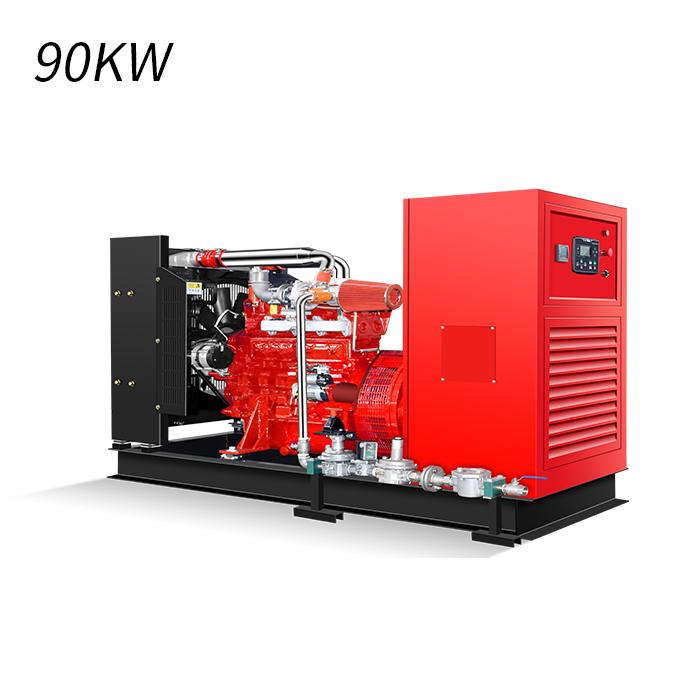
เครื่องกำเนิดไฟฟ้าแบบก๊าซธรรมชาติอัดแรง (CNG) ถือเป็นโซลูชันการผลิตพลังงานที่เปลี่ยนแปลงอุตสาหกรรมอย่างแท้จริง ซึ่งมอบข้อได้เปรียบที่สำคัญแก่หลายภาคอุตสาหกรรม ขณะที่ธุรกิจต่างๆ ต่างแสวงหาทางเลือกพลังงานที่สะอาดกว่าและมีต้นทุนต่ำกว่า การเข้าใจว่าอุตสาหกรรมใดได้รับประโยชน์สูงสุดจากการนำเครื่องกำเนิดไฟฟ้าแบบ CNG มาใช้งานจึงมีความสำคัญอย่างยิ่งต่อการวางแผนเชิงกลยุทธ์ คุณลักษณะเฉพาะของเทคโนโลยี CNG ซึ่งรวมถึงการปล่อยมลพิษที่ต่ำกว่า ต้นทุนเชื้อเพลิงที่ลดลง และประสิทธิภาพการทำงานที่เชื่อถือได้ ล้วนสร้างข้อเสนอคุณค่าที่น่าสนใจสำหรับการใช้งานในภาคอุตสาหกรรมเฉพาะที่ข้อได้เปรียบเหล่านี้สอดคล้องกับความต้องการในการดำเนินงานและข้อกำหนดด้านกฎระเบียบ
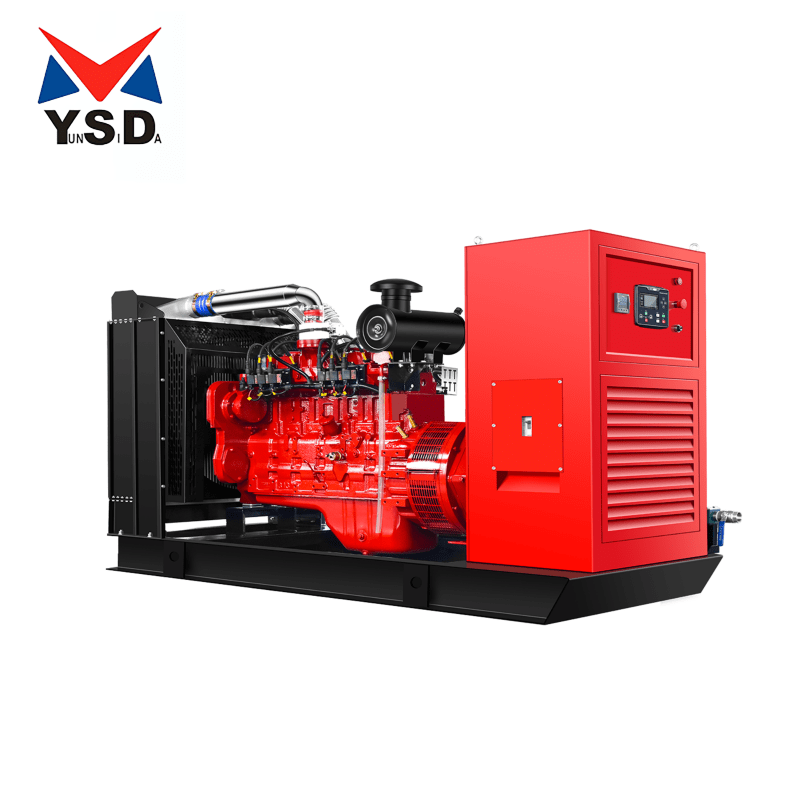
การนำเทคโนโลยีเครื่องกำเนิดไฟฟ้าแบบใช้ก๊าซธรรมชาติอัดแรง (CNG) มาใช้งานอย่างแพร่หลายมากขึ้นสะท้อนแนวโน้มอุตสาหกรรมโดยรวมที่มุ่งสู่การดำเนินงานอย่างยั่งยืนและเพิ่มประสิทธิภาพในการปฏิบัติงาน อุตสาหกรรมที่ได้รับประโยชน์สูงสุดจากเครื่องกำเนิดไฟฟ้าแบบ CNG มักมีลักษณะร่วมกันดังนี้: มีรูปแบบการใช้พลังงานสูง มีความไวต่อการผันผวนของราคาเชื้อเพลิง มีข้อกำหนดด้านการปฏิบัติตามกฎหมายสิ่งแวดล้อม หรือมีความจำเป็นต่อระบบจ่ายไฟสำรองที่เชื่อถือได้ ภาคอุตสาหกรรมเหล่านี้ตระหนักดีว่า เครื่องกำเนิดไฟฟ้าแบบ CNG ให้ข้อได้เปรียบที่ชัดเจนเหนือเครื่องกำเนิดไฟฟ้าดีเซลแบบดั้งเดิม ทั้งในด้านการลดการปล่อยก๊าซคาร์บอนไดออกไซด์อย่างมีนัยสำคัญ ความต้องการในการบำรุงรักษาที่ต่ำลง และการประหยัดต้นทุนในระยะยาวอย่างมาก ซึ่งคุ้มค่ากับการพิจารณาลงทุนครั้งแรก
ภาคการผลิตและการผลิตเชิงอุตสาหกรรม
การผลิตอุตสาหกรรมหนัก
อุตสาหกรรมการผลิตหนักได้รับประโยชน์อย่างมากจากการนำเครื่องกำเนิดไฟฟ้าที่ใช้ก๊าซธรรมชาติอัดแรง (CNG) มาใช้งาน เนื่องจากมีความต้องการพลังงานสูงและต่อเนื่องอย่างมาก โรงงานผลิตเหล็ก โรงถลุงอลูมิเนียม และโรงงานแปรรูปเคมีขนาดใหญ่ ล้วนต้องการแหล่งจ่ายไฟฟ้าแบบฐาน (baseload power) ที่เชื่อถือได้ ซึ่งเครื่องกำเนิดไฟฟ้าที่ใช้ CNG สามารถจัดหาให้ได้อย่างมีประสิทธิภาพ อุตสาหกรรมเหล่านี้ยังได้รับประโยชน์จากห่วงโซ่อุปทานเชื้อเพลิงที่สม่ำเสมอซึ่งก๊าซธรรมชาติอัดแรงมอบให้ ช่วยลดการพึ่งพาตลาดน้ำมันดีเซลที่ผันผวน ขณะเดียวกันก็รักษาตารางการผลิตที่ไม่หยุดชะงักไว้ได้ ซึ่งเป็นสิ่งสำคัญยิ่งต่อการปฏิบัติตามคำมั่นสัญญากับลูกค้าและการรักษาตำแหน่งเชิงแข่งขัน
ข้อได้เปรียบด้านการปฏิบัติตามข้อกำหนดด้านสิ่งแวดล้อมของเครื่องกำเนิดไฟฟ้าที่ใช้ก๊าซธรรมชาติอัด (CNG) นั้นแสดงให้เห็นถึงคุณค่าอย่างยิ่ง โดยเฉพาะในกระบวนการผลิตหนักที่ต้องเผชิญกับกฎระเบียบด้านการปล่อยมลพิษที่เข้มงวดขึ้นเรื่อยๆ โรงงานผลิตจำนวนมากดำเนินการภายใต้ใบอนุญาตด้านคุณภาพอากาศ ซึ่งจำกัดปริมาณฝุ่นละอองและไนโตรเจนออกไซด์ที่ปล่อยออกมา ทำให้เทคโนโลยี CNG ที่เผาไหม้สะอาดกลายเป็นกลยุทธ์หนึ่งในการปฏิบัติตามข้อกำหนดที่น่าสนใจ นอกจากนี้ ระดับเสียงที่ลดลงของเครื่องกำเนิดไฟฟ้า CNG เมื่อเทียบกับเครื่องกำเนิดไฟฟ้าดีเซล ยังช่วยให้โรงงานผลิตสามารถติดตั้งและใช้งานอุปกรณ์ผลิตพลังงานใกล้บริเวณการผลิตได้มากขึ้น โดยไม่ละเมิดข้อบังคับด้านเสียงในสถานประกอบการ หรือก่อให้เกิดความกังวลต่อความปลอดภัยในสถานที่ทำงาน
การแปรรูปอาหารและเครื่องดื่ม
โรงงานแปรรูปอาหารและเครื่องดื่มถือเป็นการประยุกต์ใช้เทคโนโลยีเครื่องกำเนิดไฟฟ้าจากก๊าซธรรมชาติแบบอัดแรง (CNG) ที่เหมาะสมอย่างยิ่ง เนื่องจากมีความต้องการพลังงานที่สะอาดและเชื่อถือได้ ซึ่งสอดคล้องกับมาตรฐานด้านสุขอนามัยและความปลอดภัยที่เข้มงวด กระบวนการผลิตเหล่านี้จำเป็นต้องมีแหล่งจ่ายไฟฟ้าที่สม่ำเสมอเพื่อรักษาประสิทธิภาพของระบบทำความเย็น อุปกรณ์แปรรูป และสายการบรรจุภัณฑ์ โดยการหยุดจ่ายไฟชั่วคราวอาจส่งผลให้เกิดการสูญเสียผลิตภัณฑ์อย่างมาก และละเมิดข้อกำหนดด้านความปลอดภัยของอาหาร เครื่องกำเนิดไฟฟ้า CNG จึงมอบความน่าเชื่อถือที่สถานประกอบการเหล่านี้ต้องการ พร้อมทั้งขจัดความกังวลเกี่ยวกับการปนเปื้อนจากน้ำมันดีเซล ซึ่งอาจกระทบต่อมาตรการความปลอดภัยด้านอาหาร หรือขัดต่อกฎระเบียบของสำนักงานคณะกรรมการอาหารและยาสหรัฐอเมริกา (FDA) ที่ควบคุมสภาพแวดล้อมในการแปรรูปอาหาร
ประโยชน์ทางเศรษฐกิจจากการนำเครื่องกำเนิดไฟฟ้าที่ใช้ก๊าซธรรมชาติอัดแรง (CNG) มาใช้ในอุตสาหกรรมแปรรูปอาหารจะชัดเจนเป็นพิเศษเมื่อพิจารณาค่าใช้จ่ายรวมตลอดอายุการใช้งาน (Total Cost of Ownership) ตลอดระยะเวลาการดำเนินงานที่ยาวนาน โรงงานแปรรูปอาหารมักดำเนินงานด้วยอัตรากำไรขั้นต้นที่แคบ ทำให้การประหยัดค่าเชื้อเพลิงจากการใช้ก๊าซธรรมชาติแทนดีเซลกลายเป็นข้อได้เปรียบในการแข่งขันที่สำคัญยิ่ง นอกจากนี้ ความต้องการการบำรุงรักษาที่ลดลงของเครื่องกำเนิดไฟฟ้า CNG ยังช่วยลดเวลาหยุดทำงานโดยไม่ได้วางแผนไว้ ซึ่งอาจส่งผลกระทบต่อตารางการผลิตและกระทบต่อคุณภาพของอาหารที่มีความละเอียดอ่อนต่อเวลา สินค้า ทำให้มีความน่าเชื่อถือในการดำเนินงานอย่างต่อเนื่อง ซึ่งส่งผลโดยตรงต่อการเพิ่มประสิทธิภาพด้านกำไรและการให้บริการลูกค้า
การประยุกต์ใช้งานในภาคสาธารณสุขและโครงสร้างพื้นฐานที่มีความสำคัญยิ่ง
การดำเนินงานของโรงพยาบาลและสถานพยาบาล
สถาน facilities ด้านการดูแลสุขภาพถือเป็นหนึ่งในแอปพลิเคชันที่สำคัญที่สุดสำหรับระบบเครื่องกำเนิดไฟฟ้าจากก๊าซธรรมชาติแบบอัดแรง (CNG) ที่มีความน่าเชื่อถือ เนื่องจากความต้องการพลังงานเพื่อความปลอดภัยของชีวิตผู้ป่วยและความต่อเนื่องในการปฏิบัติงาน โรงพยาบาล ศูนย์ผ่าตัด และสถานพยาบาลฉุกเฉินไม่สามารถยอมรับการหยุดจ่ายไฟฟ้าได้ เพราะอาจส่งผลกระทบต่อคุณภาพการดูแลผู้ป่วย ดังนั้นระบบสำรองไฟฟ้าจึงมีความจำเป็นอย่างยิ่งทั้งเพื่อให้สอดคล้องกับข้อกำหนดด้านกฎระเบียบและเพื่อความปลอดภัยของผู้ป่วย Cng generator ระบบเหล่านี้ให้การดำเนินงานที่สะอาดและเงียบสงบ ซึ่งสอดคล้องกับความต้องการของสภาพแวดล้อมด้านการดูแลสุขภาพ พร้อมทั้งมอบความสามารถในการสตาร์ทอย่างรวดเร็วที่จำเป็นสำหรับสถานการณ์ฉุกเฉินที่ต้องใช้พลังงานสำรอง
ข้อได้เปรียบด้านสิ่งแวดล้อมของเครื่องกำเนิดไฟฟ้าที่ใช้ก๊าซธรรมชาติอัด (CNG) สอดคล้องอย่างสมบูรณ์แบบกับโครงการความยั่งยืนของสถานพยาบาลและภาระหน้าที่ด้านสุขภาพของชุมชน ระบบบริการสาธารณสุขหลายแห่งได้ให้คำมั่นสัญญาในการลดปริมาณคาร์บอนฟุตพรินต์ของตนในฐานะส่วนหนึ่งของเป้าหมายโดยรวมในการดูแลรักษาสิ่งแวดล้อม ซึ่งตระหนักดีว่าการนำพลังงานสะอาดมาใช้แสดงถึงภาวะผู้นำในการคุ้มครองสุขภาพของชุมชน เครื่องกำเนิดไฟฟ้า CNG ช่วยให้สถานพยาบาลสามารถตอบสนองความต้องการด้านพลังงานสำรองได้ ขณะเดียวกันก็สนับสนุนวัตถุประสงค์ด้านความยั่งยืน ทำให้เกิดความสอดคล้องกันระหว่างความจำเป็นในการปฏิบัติงานกับความรับผิดชอบต่อสิ่งแวดล้อม ซึ่งสอดคล้องกับความคาดหวังของผู้ป่วย บุคลากรทางการแพทย์ และผู้มีส่วนได้ส่วนเสียในชุมชน
ศูนย์ข้อมูลและโครงสร้างพื้นฐานด้านเทคโนโลยีสารสนเทศ
ศูนย์ข้อมูลและสถานที่ตั้งโครงสร้างพื้นฐานด้านเทคโนโลยีสารสนเทศที่มีความสำคัญยิ่งยวดได้รับประโยชน์อย่างมากจากการใช้เครื่องกำเนิดไฟฟ้าพลังงานก๊าซธรรมชาติแบบถูกบีบอัด (CNG) เนื่องจากต้องการระบบสำรองไฟฟ้าที่มีความน่าเชื่อถือสูงเป็นพิเศษ ซึ่งสามารถทำงานได้เป็นเวลานานในช่วงที่ระบบจ่ายไฟฟ้าหลักหยุดให้บริการ สถานที่เหล่านี้เป็นที่ตั้งของอุปกรณ์อิเล็กทรอนิกส์ที่มีความละเอียดอ่อนและมีมูลค่าสูงหลายล้านดอลลาร์สหรัฐฯ และให้บริการที่ไม่สามารถยอมรับการหยุดชะงักได้ ทำให้ความน่าเชื่อถือของระบบสำรองไฟฟ้ามีความสำคัญยิ่งต่อความต่อเนื่องในการดำเนินธุรกิจ เครื่องกำเนิดไฟฟ้า CNG มีความสามารถในการทำงานต่อเนื่องเป็นเวลานานตามที่ศูนย์ข้อมูลต้องการ โดยโครงสร้างพื้นฐานการจัดหาแก๊สธรรมชาติมักยังคงสามารถให้บริการได้แม้ในช่วงที่เกิดเหตุไฟฟ้าดับอย่างกว้างขวางซึ่งส่งผลกระทบต่อระบบสายส่งไฟฟ้า
ลักษณะการดำเนินงานที่สะอาดของเครื่องกำเนิดไฟฟ้าแบบใช้ก๊าซธรรมชาติอัด (CNG) แสดงให้เห็นถึงคุณค่าอย่างเด่นชัดในสภาพแวดล้อมศูนย์ข้อมูล ซึ่งคุณภาพอากาศและระบบกรองอากาศมีหน้าที่ปกป้องอุปกรณ์คอมพิวเตอร์ที่ไวต่อการปนเปื้อน เครื่องกำเนิดไฟฟ้าดีเซลสร้างฝุ่นละอองและมลพิษที่อาจทำให้ระบบจัดการอากาศเสื่อมประสิทธิภาพ และอาจส่งผลให้ชิ้นส่วนอิเล็กทรอนิกส์เสียหาย ขณะที่เครื่องกำเนิดไฟฟ้า CNG สามารถขจัดข้อกังวลเหล่านี้ได้ด้วยการเผาไหม้ที่สะอาด นอกจากนี้ ความต้องการในการบำรุงรักษาที่ลดลงของระบบ CNG สอดคล้องกับแนวคิดการดำเนินงานของศูนย์ข้อมูล ซึ่งให้ความสำคัญกับความน่าเชื่อถือของระบบและลดกิจกรรมทั้งหมดที่อาจก่อให้เกิดความเสี่ยงต่อการดำเนินงานโครงสร้างพื้นฐานที่สำคัญ
การดำเนินงานของอาคารเพื่อการพาณิชย์และสถาบัน
สำนักงานขนาดใหญ่และอาคารเชิงพาณิชย์แบบรวมกลุ่ม
อาคารสำนักงานเชิงพาณิชย์ขนาดใหญ่และโครงการพัฒนาแบบผสมผสานต่างๆ กำลังให้ความสำคัญมากขึ้นเรื่อยๆ ต่อข้อเสนอคุณค่าของระบบเครื่องกำเนิดไฟฟ้าที่ใช้ก๊าซธรรมชาติอัด (CNG) สำหรับการจ่ายพลังงานสำรองในภาวะฉุกเฉินและการลดภาระโหลดสูงสุด (peak shaving) อาคารเหล่านี้ให้บริการแก่ผู้ใช้งานจำนวนร้อยหรือพันคน ซึ่งอาศัยระบบไฟฟ้าที่มีความน่าเชื่อถือในการขับเคลื่อนลิฟต์ ระบบปรับอากาศ (HVAC) ระบบความปลอดภัย และโครงสร้างพื้นฐานด้านการสื่อสาร เครื่องกำเนิดไฟฟ้าที่ใช้ก๊าซธรรมชาติอัด (CNG) สามารถให้กำลังไฟฟ้าที่ปรับขยายได้ตามความต้องการของอาคารเชิงพาณิชย์ขนาดใหญ่ พร้อมทั้งมอบความยืดหยุ่นในการดำเนินงาน ซึ่งช่วยให้ผู้บริหารอาคารสามารถปรับกลยุทธ์การใช้งานเครื่องกำเนิดไฟฟ้าอย่างเหมาะสมในช่วงเวลาที่มีความต้องการพลังงานสูงสุด เพื่อเพิ่มประสิทธิภาพด้านต้นทุนพลังงาน
สภาพแวดล้อมด้านกฎระเบียบที่เกี่ยวข้องกับการดำเนินงานของอาคารเชิงพาณิชย์สร้างแรงจูงใจเพิ่มเติมในการนำเครื่องกำเนิดไฟฟ้าที่ใช้ก๊าซธรรมชาติอัด (CNG) มาใช้ โดยเฉพาะในเขตอำนาจที่มีเป้าหมายการลดคาร์บอนอย่างเข้มงวดและมาตรฐานคุณภาพอากาศที่สะอาด เมืองหลายแห่งปัจจุบันกำหนดให้อาคารเชิงพาณิชย์ขนาดใหญ่ต้องบรรลุเป้าหมายการลดการปล่อยมลพิษที่ระบุไว้ หรือต้องเผชิญกับบทลงโทษทางการเงิน ทำให้เทคโนโลยี CNG ที่เผาไหม้อย่างสะอาดกลายเป็นกลยุทธ์หนึ่งที่มีประสิทธิภาพในการปฏิบัติตามข้อกำหนด เครื่องผลิตแก๊สธรรมชาติ ระบบดังกล่าวในฐานะปัจจัยสนับสนุนการจัดอันดับความยั่งยืน ซึ่งช่วยยกระดับมูลค่าทรัพย์สินและดึงดูดผู้เช่าในตลาดอสังหาริมทรัพย์เชิงพาณิชย์ที่มีการแข่งขันสูง
โครงสร้างพื้นฐานสำหรับสถานศึกษา
มหาวิทยาลัย วิทยาลัย และศูนย์การศึกษาขนาดใหญ่ได้รับประโยชน์อย่างมากจากการติดตั้งเครื่องกำเนิดไฟฟ้าใช้ก๊าซธรรมชาติอัด (CNG) เนื่องจากความต้องการพลังงานทั่วทั้งวิทยาเขตและพันธสัญญาด้านความยั่งยืนของสิ่งแวดล้อม สถาบันการศึกษามักดำเนินการอาคารหลายหลังที่มีความต้องการพลังงานที่หลากหลาย รวมถึงหอพัก ห้องเรียน ห้องปฏิบัติการ และหน่วยงานบริหาร ซึ่งจำเป็นต้องมีระบบสำรองพลังงานที่ประสานงานกันอย่างมีประสิทธิภาพ เครื่องกำเนิดไฟฟ้า CNG ให้ทั้งความน่าเชื่อถือและความสามารถในการจ่ายพลังงานที่สถาบันการศึกษาต้องการ พร้อมทั้งสนับสนุนวัตถุประสงค์ด้านการศึกษาเพื่อความยั่งยืน โดยแสดงบทนำด้านสิ่งแวดล้อมที่ชัดเจนต่อนักเรียน นักศึกษา และสมาชิกในชุมชน
ข้อได้เปรียบทางเศรษฐกิจของเครื่องกำเนิดไฟฟ้าที่ใช้ก๊าซธรรมชาติอัด (CNG) นั้นมีความน่าสนใจอย่างยิ่งสำหรับสถานศึกษาที่ดำเนินงานภายใต้งบประมาณที่จำกัด และมุ่งแสวงหาการปรับปรุงประสิทธิภาพในการดำเนินงานในระยะยาว มหาวิทยาลัยและวิทยาลัยหลายแห่งได้นำไปใช้โปรแกรมการจัดการพลังงานอย่างรอบด้าน ซึ่งให้ความสำคัญกับการลดต้นทุนและการบริหารจัดการสิ่งแวดล้อมอย่างรับผิดชอบ ทำให้เทคโนโลยี CNG เป็นการลงทุนที่น่าสนใจ ซึ่งสนับสนุนทั้งเป้าหมายด้านการเงินและเป้าหมายด้านความยั่งยืน นอกจากนี้ คุณค่าเชิงการศึกษาจากการนำเทคโนโลยีพลังงานสะอาดมาใช้ยังเปิดโอกาสให้หลักสูตรการเรียนการสอนสามารถผสานตัวอย่างเทคโนโลยีที่ยั่งยืนในโลกจริงเข้ากับการพัฒนาหลักสูตรและการทำโครงการวิจัยของนักศึกษา
การประยุกต์ใช้ในภาคเทศบาลและภาครัฐ
สถานีบำบัดน้ำและสถานีบำบัดน้ำเสีย
สถานีบำบัดน้ำประปาขององค์กรปกครองส่วนท้องถิ่นและสถานีบำบัดน้ำเสียถือเป็นการประยุกต์ใช้เทคโนโลยีเครื่องกำเนิดไฟฟ้าแบบก๊าซธรรมชาติอัด (CNG) ที่เหมาะสมอย่างยิ่ง เนื่องจากสถานีเหล่านี้จัดเป็นโครงสร้างพื้นฐานที่มีความสำคัญยิ่งและมีข้อกำหนดด้านความไวต่อสิ่งแวดล้อมที่เข้มงวด สถานีเหล่านี้ไม่สามารถยอมรับการหยุดจ่ายไฟฟ้าได้ เพราะจะส่งผลกระทบต่อสุขภาพและสวัสดิภาพของประชาชน ดังนั้น การมีระบบผลิตไฟฟ้าสำรองที่เชื่อถือได้จึงเป็นสิ่งจำเป็นอย่างยิ่งเพื่อให้สอดคล้องกับข้อบังคับทางกฎหมายและรักษาความต่อเนื่องในการให้บริการแก่ชุมชน เครื่องกำเนิดไฟฟ้าแบบ CNG มอบความสามารถในการทำงานต่อเนื่องเป็นเวลานานและประสิทธิภาพในการสตาร์ทอย่างรวดเร็ว ซึ่งสอดคล้องกับความต้องการของสถานีบำบัดน้ำ ขณะเดียวกันก็ขจัดข้อกังวลเกี่ยวกับการจัดเก็บน้ำมันดีเซลและการป้องกันการรั่วไหลของน้ำมัน ซึ่งเป็นปัจจัยที่ทำให้การดำเนินงานของสถานีซับซ้อนยิ่งขึ้นในพื้นที่ที่มีความอ่อนไหวต่อสิ่งแวดล้อม
ประโยชน์ต่อสิ่งแวดล้อมของเครื่องกำเนิดไฟฟ้าที่ใช้ก๊าซธรรมชาติอัดแรง (CNG) สอดคล้องโดยธรรมชาติกับเป้าหมายด้านความยั่งยืนของหน่วยงานประปาเทศบาล ซึ่งมุ่งลดผลกระทบต่อปริมาณคาร์บอนให้น้อยที่สุดและแสดงบทนำด้านสิ่งแวดล้อมอย่างชัดเจน สถานีบำบัดน้ำมักดำเนินการภายใต้ใบอนุญาตด้านสิ่งแวดล้อมที่เข้มงวด ซึ่งจำกัดปริมาณการปล่อยมลพิษและกำหนดให้มีมาตรการป้องกันมลพิษอย่างครอบคลุม จึงทำให้เทคโนโลยีเครื่องกำเนิดไฟฟ้าที่ใช้ CNG ซึ่งเผาไหม้สะอาดเป็นทางเลือกที่น่าสนใจสำหรับการผลิตพลังงาน นอกจากนี้ ความต้องการในการบำรุงรักษาที่ลดลงและช่วงเวลาการบริการที่ยาวนานขึ้นของเครื่องกำเนิดไฟฟ้าที่ใช้ CNG ยังช่วยให้หน่วยงานประปาเทศบาลสามารถเพิ่มประสิทธิภาพการจัดสรรงบประมาณการดำเนินงานได้ ขณะเดียวกันก็ยังคงรักษามาตรฐานความน่าเชื่อถือตามที่กฎหมายด้านสุขภาพของประชาชนกำหนดไว้
บริการฉุกเฉินและสถานที่ด้านความมั่นคงสาธารณะ
สิ่งอำนวยความสะดวกสำหรับบริการฉุกเฉิน ซึ่งรวมถึงกรมดับเพลิง สถานีตำรวจ ศูนย์ปฏิบัติการฉุกเฉิน และศูนย์ควบคุมการแจ้งเหตุฉุกเฉิน (911) จำเป็นต้องมีระบบพลังงานสำรองที่เชื่อถือได้อย่างสมบูรณ์แบบ ซึ่งสามารถทำงานได้อย่างต่อเนื่องไม่มีกำหนดในช่วงเหตุฉุกเฉินที่ยืดเยื้อ โรงกำเนิดไฟฟ้าที่ใช้ก๊าซธรรมชาติอัด (CNG) มีความสามารถในการดำเนินงานอย่างต่อเนื่องตามที่บริการฉุกเฉินต้องการ พร้อมทั้งให้การดำเนินงานที่สะอาดซึ่งจำเป็นสำหรับสิ่งอำนวยความสะดวกที่อาจต้องใช้เป็นที่พักพิงสำหรับเจ้าหน้าที่และประชาชนในช่วงเหตุฉุกเฉิน นอกจากนี้ ความน่าเชื่อถือของโครงสร้างพื้นฐานการจัดหาแก๊สธรรมชาติ ซึ่งโดยทั่วไปยังคงสามารถใช้งานได้แม้ในช่วงภัยพิบัติรุนแรงทั่วทั้งพื้นที่ ทำให้โรงกำเนิดไฟฟ้า CNG เหมาะสมเป็นพิเศษสำหรับการใช้งานที่เกี่ยวข้องกับความปลอดภัยสาธารณะขั้นวิกฤต
ความสามารถในการสตาร์ทอย่างรวดเร็วและคุณสมบัติการดำเนินงานอัตโนมัติของระบบเครื่องกำเนิดไฟฟ้าแบบ CNG รุ่นใหม่สอดคล้องกับความต้องการด้านการตอบสนองฉุกเฉินเป็นอย่างยิ่ง โดยเฉพาะในสถานการณ์วิกฤตที่การฟื้นฟูแหล่งจ่ายไฟต้องเกิดขึ้นโดยไม่ต้องมีการแทรกแซงจากมนุษย์ สถานที่ให้บริการด้านฉุกเฉินได้รับประโยชน์จากเทคโนโลยี CNG ซึ่งสามารถถ่ายโอนพลังงานไฟฟ้าได้ทันทีในช่วงที่ระบบสาธารณูปโภคไฟฟ้าหยุดทำงาน และยังคงสามารถดำเนินการต่อเนื่องได้นานหลายวันหรือหลายสัปดาห์หากจำเป็น นอกจากนี้ ความต้องการด้านลอจิสติกส์เชื้อเพลิงที่ลดลงของระบบ CNG ยังช่วยขจัดความกังวลเกี่ยวกับการจัดส่งและการจัดเก็บน้ำมันดีเซล ซึ่งอาจทำให้การดำเนินการฉุกเฉินซับซ้อนยิ่งขึ้นในช่วงภัยพิบัติครั้งใหญ่ เมื่อเครือข่ายการขนส่งอาจได้รับความเสียหาย
คำถามที่พบบ่อย
อุตสาหกรรมใดได้รับผลตอบแทนจากการลงทุน (ROI) จากการนำเครื่องกำเนิดไฟฟ้าแบบ CNG มาใช้งานเร็วที่สุด
อุตสาหกรรมที่มีการใช้เชื้อเพลิงสูงและเปิดเครื่องกำเนิดไฟฟ้าบ่อยครั้ง มักจะได้รับผลตอบแทนจากการลงทุน (ROI) อย่างรวดเร็วที่สุดจากเครื่องกำเนิดไฟฟ้าที่ใช้ก๊าซธรรมชาติอัดแรง (CNG) ซึ่งรวมถึงโรงงานอุตสาหกรรม ศูนย์ข้อมูล และสถานพยาบาล ภาคส่วนเหล่านี้ได้รับประโยชน์จากประหยัดค่าเชื้อเพลิงได้อย่างมากเมื่อเทียบกับดีเซล ลดค่าใช้จ่ายในการบำรุงรักษา และยืดอายุการใช้งานของอุปกรณ์ ซึ่งช่วยให้ระยะเวลาคืนทุนสั้นลง สำหรับสถานที่ที่ใช้เครื่องกำเนิดไฟฟ้ามากกว่า 500 ชั่วโมงต่อปี มักจะเห็นผลตอบแทนจากการลงทุนภายใน 3–5 ปี
ระเบียบข้อบังคับด้านสิ่งแวดล้อมมีอิทธิพลต่ออุตสาหกรรมใดบ้างที่ได้รับประโยชน์สูงสุดจากเครื่องกำเนิดไฟฟ้าที่ใช้ก๊าซธรรมชาติอัดแรง (CNG)?
อุตสาหกรรมที่อยู่ภายใต้ข้อบังคับด้านการปล่อยมลพิษอย่างเข้มงวด ใบอนุญาตด้านคุณภาพอากาศ และภาระผูกพันในการลดปริมาณคาร์บอน จะได้รับประโยชน์ด้านการปฏิบัติตามข้อบังคับอย่างมากจากการนำเครื่องกำเนิดไฟฟ้าที่ใช้ก๊าซธรรมชาติแบบถูกบีบอัด (CNG) มาใช้งาน สถานพยาบาล สถานศึกษา และหน่วยงานของรัฐท้องถิ่นมักเผชิญกับข้อกำหนดด้านกฎระเบียบที่ทำให้เทคโนโลยีเครื่องกำเนิดไฟฟ้า CNG ซึ่งเผาไหม้สะอาดเป็นสิ่งจำเป็นยิ่ง เพื่อรักษาใบอนุญาตดำเนินการไว้ หลีกเลี่ยงบทลงโทษด้านสิ่งแวดล้อม และสนับสนุนพันธสัญญาด้านความยั่งยืน
ปัจจัยการดำเนินงานใดบ้างที่ทำให้อุตสาหกรรมบางประเภทเหมาะสมกว่าสำหรับการนำเครื่องกำเนิดไฟฟ้า CNG มาใช้งาน?
อุตสาหกรรมที่ต้องการระบบสำรองพลังงานที่สามารถทำงานได้นานขึ้น การทำงานที่เงียบ และการหยุดให้บริการเพื่อการบำรุงรักษาให้น้อยที่สุด จะได้รับประโยชน์สูงสุดจากเครื่องกำเนิดไฟฟ้าที่ใช้ก๊าซธรรมชาติแบบถูกบีบอัด (CNG) สถานที่โครงสร้างพื้นฐานที่สำคัญ เช่น โรงพยาบาล ศูนย์ข้อมูล และหน่วยบริการฉุกเฉิน จำเป็นต้องมีระบบจ่ายไฟฟ้าที่เชื่อถือได้ ซึ่งสามารถทำงานต่อเนื่องได้หลายวันในช่วงเกิดเหตุขัดข้อง ส่วนการผลิตและกระบวนการแปรรูปอาหารนั้น ต้องการคุณภาพของกระแสไฟฟ้าที่สม่ำเสมอและระดับการหยุดชะงักของการดำเนินงานให้น้อยที่สุด ซึ่งเทคโนโลยี CNG สามารถตอบสนองความต้องการเหล่านี้ได้อย่างมีประสิทธิภาพ
โครงสร้างพื้นฐานการจัดหาแก๊สธรรมชาติที่มีอยู่ส่งผลต่อความเหมาะสมของอุตสาหกรรมต่าง ๆ ในการใช้เครื่องกำเนิดไฟฟ้าที่ใช้ก๊าซธรรมชาติแบบถูกบีบอัด (CNG) อย่างไร
อุตสาหกรรมที่ตั้งอยู่ในพื้นที่ที่มีโครงสร้างพื้นฐานระบบท่อส่งก๊าซธรรมชาติหรือเครือข่ายการจัดส่งก๊าซธรรมชาติแบบถังแรงดันสูง (CNG) ที่ได้รับการพัฒนาแล้ว จะได้รับประโยชน์สูงสุดจากการนำเครื่องกำเนิดไฟฟ้าใช้ก๊าซธรรมชาติแบบถังแรงดันสูง (CNG) มาใช้งาน สถานประกอบการอุตสาหกรรมในเขตเมือง ศูนย์การค้าขนาดใหญ่ และวิทยาเขตของสถาบันต่าง ๆ มักมีการเข้าถึงแหล่งจ่ายก๊าซธรรมชาติที่เชื่อถือได้ดีกว่า ทำให้เครื่องกำเนิดไฟฟ้าใช้ CNG มีความคุ้มค่าทางเศรษฐกิจมากกว่าในพื้นที่ห่างไกล ซึ่งในกรณีดังกล่าว เครื่องกำเนิดไฟฟ้าใช้ดีเซลอาจยังคงเหมาะสมกว่าสำหรับการใช้งานเป็นแหล่งพลังงานสำรอง
สารบัญ
- ภาคการผลิตและการผลิตเชิงอุตสาหกรรม
- การประยุกต์ใช้งานในภาคสาธารณสุขและโครงสร้างพื้นฐานที่มีความสำคัญยิ่ง
- การดำเนินงานของอาคารเพื่อการพาณิชย์และสถาบัน
- การประยุกต์ใช้ในภาคเทศบาลและภาครัฐ
-
คำถามที่พบบ่อย
- อุตสาหกรรมใดได้รับผลตอบแทนจากการลงทุน (ROI) จากการนำเครื่องกำเนิดไฟฟ้าแบบ CNG มาใช้งานเร็วที่สุด
- ระเบียบข้อบังคับด้านสิ่งแวดล้อมมีอิทธิพลต่ออุตสาหกรรมใดบ้างที่ได้รับประโยชน์สูงสุดจากเครื่องกำเนิดไฟฟ้าที่ใช้ก๊าซธรรมชาติอัดแรง (CNG)?
- ปัจจัยการดำเนินงานใดบ้างที่ทำให้อุตสาหกรรมบางประเภทเหมาะสมกว่าสำหรับการนำเครื่องกำเนิดไฟฟ้า CNG มาใช้งาน?
- โครงสร้างพื้นฐานการจัดหาแก๊สธรรมชาติที่มีอยู่ส่งผลต่อความเหมาะสมของอุตสาหกรรมต่าง ๆ ในการใช้เครื่องกำเนิดไฟฟ้าที่ใช้ก๊าซธรรมชาติแบบถูกบีบอัด (CNG) อย่างไร