
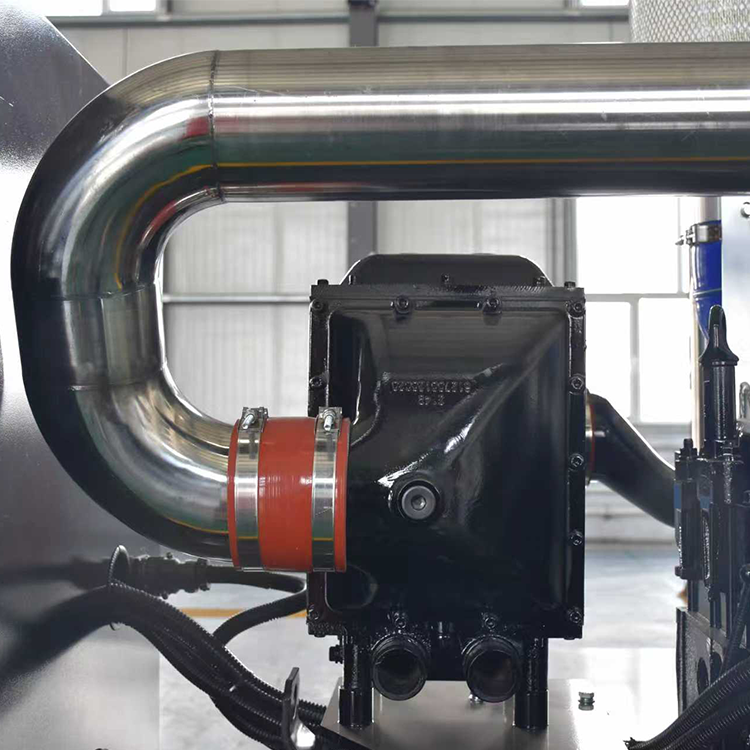
A propane generator ang propano na generator ay isa sa mga pinakatiwalaang solusyon sa kapangyarihan na magagamit para sa pang-residential na backup, komersyal na operasyon, at industriyal na aplikasyon. Hindi tulad ng mga alternatibong generator na gumagamit ng gasolina, ang propano na generator ay may benepisyong dulot ng mas malinis na pagsunog, mas mahabang shelf life ng pampadulas, at nababawasan ang pag-akumula ng carbon—ngunit ang mga benepisyong ito ay hindi nag-aalis ng pangangailangan para sa disiplinadong at nakatakda nang pananatili. Kung walang konsehente at regular na rutina sa pananatili, kahit ang pinakamatibay na propano na generator ay magkakaroon ng pagbaba ng pagganap, dagdag na konsumo ng pampadulas, at maagang pagkasira sa mga mahahalagang bahagi.
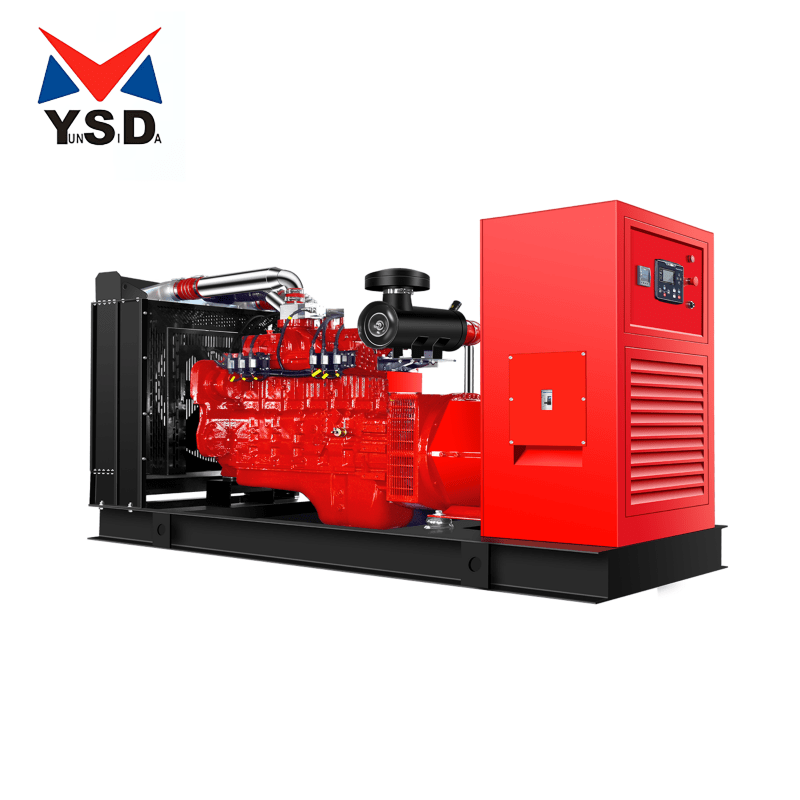
Ipinapaliwanag ng artikulong ito nang may katiyakan ang mga hakbang sa pagpapanatili na kailangan gawin upang mapanatiling epektibo ang pagpapatakbo ng isang generator na gumagamit ng propano sa buong operasyonal na buhay nito. Kung ikaw man ang namamahala sa isang yunit lamang para sa standby o sa isang hanay ng mga generator na nagpapakain sa isang komersyal na pasilidad, ang mga prinsipyo na tinalakay dito ay direktang mailalapat upang panatilihin ang iyong generator na gumagamit ng propano sa pinakamataas na antas ng pagganap. Ang pag-unawa sa mga hakbang na ito ay makatutulong sa iyo na maiwasan ang mahal na pagkukumpuni, palawigin ang buhay ng kagamitan, at tiyakin na ang kuryente ay laging magagamit kapag kailangan ito ng pinakamarami.
Pag-unawa sa mga Pangangailangan sa Pagpapanatili ng isang Generator na Gumagamit ng Propano
Bakit Kailangan Pa Ring Pansinin ang Regular na Pagpapanatili ang mga Generator na Gumagamit ng Propano
Isang karaniwang maling paniniwala ay ang isang generator na gumagamit ng propane ay nangangailangan ng mas kaunti lamang na pagpapanatili kaysa sa isang yunit na gumagamit ng diesel o gasolina dahil ang propane ay mas malinis na nasusunog. Bagaman totoo nga na ang propane ay nagbubunga ng mas kaunting carbon deposits at nababawasan ang panganib ng pag-degrade ng fuel habang ito ay nakaimbak, ang mga mekanikal at elektrikal na sistema ng isang generator na gumagamit ng propane ay napapailalim sa parehong uri ng pagsuot gaya ng anumang makina na pinapatakbo ng engine. Ang mga bahagi ng ignition, ang mga sistema ng langis, ang mga filter, at ang mga mekanismo ng pagpapadala ng fuel ay lahat ay dumaranas ng unti-unting pagkasira dahil sa karaniwang paggamit.
Sa mga industriyal at komersyal na konteksto, inaasahan karaniwan na magbigay agad ng maaasahang kuryente ang isang generator na gumagamit ng propane tuwing may outage o panahon ng mataas na demand. Ang ganitong inaasahan ay naglalagay ng napakalaking responsibilidad sa mga koponan ng pagpapanatili upang matiyak na gagana ang yunit kapag kinakailangan. Ang mga regular na pagsusuri at ang tamang pagpapanatili sa tamang panahon ang tanging paraan upang matiyak ang ganitong katiyakan. Ang pag-iwas sa mga takdang panahon ng pagpapanatili ay maaaring hindi magdulot ng agarang kabiguan, ngunit lumilikha ito ng kumulatibong panganib na tumitibay sa paglipas ng panahon.
Ang kahusayan ay isa pang mahalagang aspeto. Ang isang propane generator na hindi naaayos nang maayos ay kumukonsumo ng higit na kuryente upang makabuo ng parehong output, na nagdudulot ng malaking pagtaas sa mga gastos sa operasyon. Ang maruruming filter, nababalot na spark plug, maling clearance ng valve, at nababawasan ang kalidad ng langis ay lahat nag-aambag sa pagbaba ng kahusayan ng combustion. Ang sistematikong pagpapanatili ay direktang nagreresulta sa pagtitipid ng pera sa buong buhay na serbisyo ng generator.
Mga Inirerekomendang Panahon para sa Pagpapanatili
Ang mga panahon para sa pagpapanatili ng isang propane generator ay karaniwang hinati sa araw-araw, buwanan, kada anim na buwan, at taunang kategorya. Ang mga pagsusuri araw-araw ay maikli ngunit mahalaga — ito ay nagpapatunay sa antas ng langis, antas ng coolant, suplay ng fuel, at pangkalahatang kalagayan sa paningin bago pa man inaasahang gumana ang yunit. Ang mga pagsusuri buwanan ay mas malalim, kabilang ang pagsusuri sa kondisyon ng baterya, pagsusuri sa air filter, at pagsusuri sa pagtakbo upang mapatunayan ang tugon sa load.
Ang serbisyo bawat kalahating taon ay kasama ang pagpapalit ng langis at filter, pagsusuri sa mga spark plug, at detalyadong pagsusuri sa lahat ng koneksyon ng hose, belt, at fuel line. Ang pangkabuuan ng serbisyo bawat taon ay ang pinakakomprehensibo, na kinasasangkutan ng engine tune-up, pag-aayos ng valve clearance, pagpapanatili ng carburetor, at buong pagsusuri sa sistema ng propane fuel kabilang ang pagganap ng regulator at pagsusuri ng gas pressure. Ang pagsunod sa mga itinakdang panahon na ito ay nagpapanatili sa propane generator upang gumana sa loob ng mga nakatakdang parameter ng kanyang kahusayan.
Pananatili ng Langis at Filter ng Engine para sa Matagalang Kahusayan
Ang Tungkulin ng Langis ng Engine sa isang Propane Generator
Ang langis ng engine ay ang buhay na dugo ng anumang propane generator. Ito ay naglalagay ng lubrication sa mga gumagalaw na bahagi, binabawasan ang init na dulot ng friction, at dinala ang mga mikroskopikong kontaminante mula sa sensitibong ibabaw ng engine patungo sa oil filter. Sa paglipas ng panahon, nababawasan ang langis dahil sa thermal at chemical breakdown, kaya nawawala ang kanyang viscosity at mga katangiang pangproteksyon. Kapag nangyari ito, dumarami ang wear sa engine at nababawasan nang malaki ang kahusayan.
Para sa isang generator na gumagamit ng propane, ang mga interval para sa pagpapalit ng langis ay karaniwang batay sa oras ng operasyon kaysa sa kalendaryong oras. Ang karamihan sa mga tagagawa ay nagrerekomenda ng unang pagpapalit ng langis pagkatapos ng unang 20 hanggang 25 oras ng operasyon upang alisin ang mga metal na partikulo mula sa proseso ng pagbabreak-in, kasunod nito ay ang bawat 100 hanggang 150 oras ng normal na operasyon. Sa mga kapaligirang may mataas na temperatura o kapag ang generator ay tumatakbo nang tuloy-tuloy sa ilalim ng mabibigat na karga, mas madalas na pagpapalit ang inirerekomenda upang maiwasan ang degradasyon ng langis dahil sa pagpi-pressure sa timeline.
Gamitin palaging ang grado ng langis na tinutukoy sa dokumentasyon ng tagagawa para sa iyong tiyak na modelo ng generator na gumagamit ng propane. Ang paggamit ng maling grado ng viscosity ay maaaring makasira sa lubriksyon sa panahon ng cold-start o mabawasan ang proteksyon sa mataas na temperatura—parehong kondisyon na nakasisira sa mga bahagi ng engine at binabawasan ang kabuuang kahusayan. Panatilihin ang isang talaan ng bawat pagpapalit ng langis na kasama ang petsa, oras ng operasyon, at uri ng ginamit na langis.
Pangangalaga sa Air Filter at Fuel Filter
Ang filter ng hangin sa isang generator na gumagamit ng propano ay nagpipigil sa alikabok, mga kalat-kalat, at mga partikula sa hangin na pumasok sa silindro ng pagsunog. Ang isang nablock o nasira na filter ng hangin ay naghihigpit sa daloy ng hangin, kaya't ang makina ay tumatakbo nang 'rich' — ibig sabihin, ito ay sumusunog ng higit pang gasolina kaysa kailangan upang panatilihin ang output. Ito ay direktang binabawasan ang kahusayan at nadadagdagan ang mga emisyon. Suriin ang filter ng hangin bawat buwan at palitan ito ng hindi bababa sa isang beses bawat taon o mas madalas kung sa mga kapaligiran na puno ng alikabok.
Kahit na ang propano ay isang kahanga-hangang malinis na fuel, ang sistema ng pagpapadala ng fuel ng isang generator na gumagamit ng propano ay kailangan pa rin ng periodicong pagsusuri ng filter. Ang inline fuel filter ay nagpipigil sa mga partikula at kahalumigmigan na dumating sa carburetor o fuel injectors. Ang isang nablock na fuel filter ay nagdudulot ng kakulangan ng fuel, na nagpapakita bilang hindi pantay na pagtakbo, nababawasang output ng kapangyarihan, at kahirapan sa pagsimula. Palitan ang fuel filter ayon sa iskedyul ng tagagawa, karaniwang bawat taon o bawat 500 oras ng operasyon.
Pagseserbiyo sa Spark Plug at Sistema ng Pagsindi
Pagsusuri at Pagpapalit ng Spark Plug
Ang mga spark plug ay pangunahing bahagi na nakaaapekto sa kahusayan ng anumang generator na gumagamit ng propane. Sila ang nagsisimula ng pagsusunog sa pamamagitan ng pagpapadala ng isang elektrikal na spark na may tiyak na oras sa halo ng hangin at gasolina sa bawat silindro. Sa paglipas ng panahon, ang mga electrode ng spark plug ay sumisira, nagbabago ang distansya ng gap, at maaaring makabuo ng carbon fouling sa dulo ng insulator. Ang alinman sa mga kondisyong ito ay nagpapababa ng kalidad ng ignition, na nagdudulot ng mga misfire, hindi pantay na operasyon, at pag-aaksaya ng fuel.
Siyasatin ang mga spark plug kada 100 oras ng pagpapatakbo bilang bahagi ng iyong routine maintenance ng propane generator. Maghanap ng mga senyales ng pagkasira kabilang ang mga eroded electrodes, labis na deposito ng carbon, basag na insulator, o kontaminasyon ng langis. Sukatin ang electrode gap gamit ang feeler gauge at i-adjust ito sa espesipikasyon na nakalista sa owner's manual. Palitan ang mga spark plug na nagpapakita ng malaking erosion o deposito sa halip na subukang linisin ang mga ito pabalik sa katanggap-tanggap na kondisyon.
Ang paggamit ng tamang uri ng spark plug ay lubos na mahalaga. Ang isang generator na gumagamit ng propane ay idinisenyo upang gumana kasama ang mga tiyak na saklaw ng init at mga tukoy na sukat ng thread ng spark plug. Ang pag-install ng maling uri ng spark plug ay maaaring magdulot ng pre-ignition, misfires, o pisikal na pinsala sa cylinder head. Palaging kumuha ng mga kapalit na spark plug na eksaktong tumutugma sa mga numero ng bahagi na inirekomenda para sa iyong modelo ng generator na gumagamit ng propane.
Pagsusuri sa Pagkakasunod-sunod ng Pagsindi at mga Koneksyon sa Kuryente
Ang pagkakasunod-sunod ng pagsindi ay nakaaapekto sa parehong output ng kapangyarihan at kahusayan sa paggamit ng fuel ng isang generator na gumagamit ng propane. Kapag lumabas sa tiyak na saklaw ang pagkakasunod-sunod — kung ito ay sobrang maaga o sobrang huli — nababago ang proseso ng combustion ayon sa posisyon ng piston, na nagreresulta sa pagbawas ng mekanikal na gawa na kinukuha mula sa bawat cycle ng combustion. Sa panahon ng taunang pagpapanatili, dapat suriin at i-adjust ang pagkakasunod-sunod ng pagsindi ng isang kwalipikadong teknisyan gamit ang angkop na mga diagnostic tool.
Ang mga koneksyon sa kuryente sa buong isang generator na gumagamit ng propano ay mahina sa pagsisira dahil sa korosyon, pagkaluwang dulot ng vibrasyon, at pinsala sa insulasyon. Ang mga terminal na naka-korosyon ay nagpapataas ng resistensya sa kuryente, na maaaring magdulot ng pagbaba ng boltahe sa mga mahahalagang circuit ng kontrol at makaapekto sa awtomatikong pagpapatakbo ng generator. Sa bawat inspeksyon para sa pagpapanatili, suriin nang pansin ang lahat ng koneksyon ng kable, linisin ang mga terminal na naka-korosyon gamit ang angkop na contact cleaner, at siguraduhing maayos na nakakonekta ang anumang mga konektor na naka-loose.
Pananatili ng Sistema ng Pampuno at Regulator ng Propano
Pagsusuri sa mga Linya ng Propano, Fitting, at Hose
Ang sistema ng paghahatid ng pampuno ang pangunahing katangian ng isang generator na gumagamit ng propano, at ang kanyang integridad ay direktang nakaaapekto sa parehong kaligtasan at pagganap. Ang propano ay ipinapadala sa ilalim ng presyon mula sa tangke ng imbakan sa pamamagitan ng mga supply line, regulator, at mga flexible hose papunta sa sistema ng pampuno ng makina. Anumang sira, pagharang, o hindi regular na presyon sa daan na ito ay makakaapekto sa kakayahan ng generator na panatilihin ang pare-pareho nitong output.
Suriin ang lahat ng linya ng suplay ng propano at mga fitting nang hindi bababa sa dalawang beses bawat taon para sa mga palatandaan ng pisikal na pinsala, pumuputok, korosyon, o hindi tamang pagkakasunod-sunod. Gamitin ang solusyon ng sabon at tubig o isang komersyal na spray para sa pagtukoy ng mga sira upang suriin ang mga koneksyon para sa mga sira ng gas — ang pagbubuo ng mga butil sa anumang sambungan ay nagpapahiwatig ng sira na kailangang ayusin bago muling i-opera ang generator ng propano. Palitan ang anumang mga seksyon ng rubber hose na may mga pumuputok, tumitigas, o nakikitang pagkasira.
Ang mga segment ng flexible hose ay partikular na madaling maapektuhan ng degradasyon dahil sa UV at heat cycling, na nagdudulot ng pagtitigas at pumuputok ng compound ng rubber sa paglipas ng panahon. Sa mga outdoor na instalasyon, dapat suriin nang mas madalas ang mga fuel line ng generator ng propano at protektahan mula sa direktang sikat ng araw kung posible. Panatilihin ang talaan ng mga petsa ng pag-install ng hose upang maischedule ang mga palit bago pa mangyari ang mga kritikal na kabiguan.
Pagsusuri ng Regulator ng Propano at Pagpapanatili ng Carburetor
Ang regulator ng propane ay isa sa mga pinakamahalagang bahagi mula sa pananaw na pagganap sa sistema ng pampadulas ng isang generator na gumagamit ng propane. Ang tungkulin nito ay bawasan ang mataas na presyon mula sa tangke ng imbakan patungo sa mas mababang at pare-parehong presyon na kailangan ng makina. Ang isang regulator na nagpapadala ng hindi tamang presyon — masyadong mataas o masyadong mababa — ay magdudulot ng diretsong epekto sa kalidad ng pagsusunog at sa output ng kapangyarihan. Subukan ang presyon ng output ng regulator tuwing taon gamit ang angkop na gas pressure gauge at ihambing ang nakuhang resulta sa mga teknikal na tukoy ng tagagawa.
Ang karburador o sistema ng paghalo ng fuel sa isang generator na gumagamit ng propane ay sumusuri sa ratio ng hangin sa fuel habang gumagana. Kahit na malinis ang fuel na propane, ang karburador ay nakakaranas pa rin ng pagkasira sa kanyang mga diaphragm, needle valve, at adjustment screw. Ang isang karburador na nawawala na ang adjustment nito ay magdudulot ng hindi pantay na idle ng generator na gumagamit ng propane, paghahanap ng bilis kapag may load, o labis na pagkonsumo ng fuel. Ang taunang pagpapanatili ng karburador — kabilang ang pagsusuri sa diaphragm at pag-aadjust ng mixture — ay isang mahalagang hakbang upang mapanatili ang pinakamataas na kahusayan.
Bateriya, Sistema ng Pagpapalamig, at Pangkalahatang Pagsusuri sa Operasyon
Pananatili ng Bateriya para sa Maaasahang Pag-start
Ang karamihan sa mga modelo ng standby at portable na propane generator ay umaasa sa isang electric start system na pinapagana ng baterya. Ang mahinang o napanis na baterya ang isa sa pinakakaraniwang dahilan kung bakit nabigo ang isang propane generator na umandar sa panahon ng emergency. Dapat kasama ang pagpapanatili ng baterya sa bawat buwanang inspeksyon. Suriin ang voltage sa mga terminal ng baterya gamit ang multimeter at tiyaking pinapanatili ng charging circuit ang tamang antas ng singil sa pagitan ng mga pagsubok.
Linisin nang regular ang mga terminal ng baterya upang alisin ang anumang puting sulfate deposits na nabubuo sa mga post ng lead-acid battery. Ang mga depositong ito ay nagdudulot ng mas mataas na internal resistance at binabawasan ang kasalukuyang lakas na maibibigay sa starter motor. Gamitin ang wire brush at terminal cleaning solution, pagkatapos ay ilagay ang manipis na layer ng dielectric grease upang maiwasan ang kinabukasan na corrosion. Palitan ang mga baterya na lumampas sa tatlong taon ang edad o ang nabigo sa load testing, kahit na tila mayroon pa silang static charge.
Mga Pagsusuri sa Cooling System at Pangkalahatang Visual na Inspeksyon
Ang mga modelo ng air-cooled na propane generator ay umaasa sa walang hadlang na airflow sa paligid ng engine at ng mga cooling fins upang mapanatili ang ligtas na operating temperature. Suriin ang mga cooling fins para sa pag-akumula ng dumi at linisin nang maingat gamit ang compressed air sa bawat interval ng pagpapanatili. Ang mga blocked na cooling fins ay nagdudulot ng sobrang init sa engine, na pabilis sa pagkabulok ng langis at maaaring mag-trigger ng thermal protection shutdowns na nakakagambala sa power delivery.
Para sa mga liquid-cooled na propane generator configuration, ang coolant system ay nangangailangan ng sariling tiyak na pagpapanatili. Suriin ang antas at kalagayan ng coolant nang regular, at i-flush ang cooling system ayon sa iskedyul ng manufacturer — karaniwang bawat dalawang taon. Suriin ang mga hose, clamps, at radiator para sa mga palatandaan ng leaks o corrosion. Ang pagpapanatili ng coolant concentration sa loob ng itinakdang saklaw ay nagpapigil sa parehong overheating at freeze damage sa malamig na klima.
Ang pangkalahatang visual na inspeksyon ay isang epektibong tool sa pagpapanatili na may mababang gastos para sa anumang generator na gumagamit ng propano. Sa bawat inspeksyon, hanapin ang mga panginginig ng langis, panginginig ng gasolina, hindi normal na kulay ng usok, hindi karaniwang pagvivibrate, o kahit anong korosyon sa anumang bahagi. Ang maagang pagkakakita sa mga palatandaang ito ay nagbibigay-daan sa agarang pagkilos bago pa lalong lumala ang mga simpleng problema at maging malalang pagkabigo. Ang pagpapatakbo ng buwanang load test—kung saan pinapatakbo ang generator na gumagamit ng propano sa ilalim ng tunay na kondisyon ng karga—ay tumutulong upang mapatunayan ang aktwal na pagganap nito at magbunyag ng mga isyu na hindi madetekta ng mga static na inspeksyon.
Madalas Itanong
Gaano kadalas dapat kong paunlarin ang aking generator na gumagamit ng propano?
Dapat bigyan ng pangunahing visual na inspeksyon at pagsubok sa antas ng mga likido ang isang generator na gumagamit ng propane kada buwan, isang mas detalyadong inspeksyon na kasama ang pagsusuri sa mga filter at baterya kada anim na buwan, at isang buong serbisyo—kabilang ang pagpapalit ng langis, pagpapalit ng spark plug, pagsusuri sa carburetor, at pagsusuri sa sistema ng pampuno—kada taon o kada 100 hanggang 150 oras ng operasyon, kung alin man ang una mangyayari. Maaaring tumaas ang dalas ng pagpapanatili kapag madalas gamitin o sa ilalim ng matitinding kondisyon ng kapaligiran.
Maaari ko bang gawin ang pagpapanatili ng generator na gumagamit ng propane mismo o kailangan ko ba ng isang teknisyan?
Maraming pangunahing gawain sa pagpapanatili ng isang generator na gumagamit ng propane — tulad ng pag-check sa antas ng langis, pagpapalit ng mga filter ng hangin, paglilinis ng mga terminal ng baterya, at pagsusuri sa mga linya ng fuel para sa nakikitang pinsala — ay maaaring isagawa ng isang may kaalaman na operator na sumusunod sa owner's manual. Gayunpaman, ang mga gawain na kinasasangkutan ng pagsubok sa presyon ng fuel na propane, pag-aadjust sa regulator, pagtatakda ng oras ng ignition, at pagpapanatili ng carburetor ay dapat gawin ng isang kwalipikadong teknisyan na may angkop na kagamitan at pagsasanay sa kaligtasan upang matiyak ang tamang resulta at ligtas na operasyon.
Ano ang mangyayari kung hindi ko papansinin ang pagpapanatili ng aking generator na gumagamit ng propane?
Ang pag-iwan sa pagpapanatili ng isang generator na gumagamit ng propane ay nagdudulot ng paulit-ulit na pagkawala ng kahusayan, mas mataas na pagkonsumo ng fuel, hindi maaasahang pagsisimula, at sa huli ay malalaking pagkabigo sa mekanikal na bahagi na mas mahal sa pagkukumpuni kaysa sa pangkalahatang pagpapanatili na maaaring maiwasan ang mga ito. Sa pinakamasamang mga senaryo, ang hindi natukoy na mga sira sa fuel line o mga kahinaan sa electrical system ay maaaring magdulot ng mga panganib sa kaligtasan. Ang regular na pagpapanatili ay nagsisilbing proteksyon sa iyong investisyon at sa kaligtasan ng iyong pasilidad o tahanan.
Kailangan ba ng anumang espesyal na hakbang sa pagpapanatili ang pag-iimbak ng generator na gumagamit ng propane?
Kapag iniimbak ang isang propane generator para sa mahabang panahon, mahalaga na patakboin muna nang maikli ang yunit bago ito patayin upang mapabilis ang pagkakapantay ng sistema ng pampadali, suriin kung ang balbula ng suplay ng propane ay ganap na nakasara, at tiyaking inilagay ang baterya sa isang maintenance charger upang maiwasan ang malalim na pagkawala ng singil. Hindi tulad ng gasolina, ang propane ay hindi nababaho sa loob ng tangke sa paglipas ng panahon, kaya mas simple ang pag-iimbak nito. Gayunpaman, dapat pa ring inspeksyunin ang lahat ng mekanikal at elektrikal na bahagi bago ibalik ang generator sa aktibong serbisyo matapos ang mahabang panahon ng pag-iimbak.
Talaan ng Nilalaman
- Pag-unawa sa mga Pangangailangan sa Pagpapanatili ng isang Generator na Gumagamit ng Propano
- Pananatili ng Langis at Filter ng Engine para sa Matagalang Kahusayan
- Pagseserbiyo sa Spark Plug at Sistema ng Pagsindi
- Pananatili ng Sistema ng Pampuno at Regulator ng Propano
- Bateriya, Sistema ng Pagpapalamig, at Pangkalahatang Pagsusuri sa Operasyon
-
Madalas Itanong
- Gaano kadalas dapat kong paunlarin ang aking generator na gumagamit ng propano?
- Maaari ko bang gawin ang pagpapanatili ng generator na gumagamit ng propane mismo o kailangan ko ba ng isang teknisyan?
- Ano ang mangyayari kung hindi ko papansinin ang pagpapanatili ng aking generator na gumagamit ng propane?
- Kailangan ba ng anumang espesyal na hakbang sa pagpapanatili ang pag-iimbak ng generator na gumagamit ng propane?