
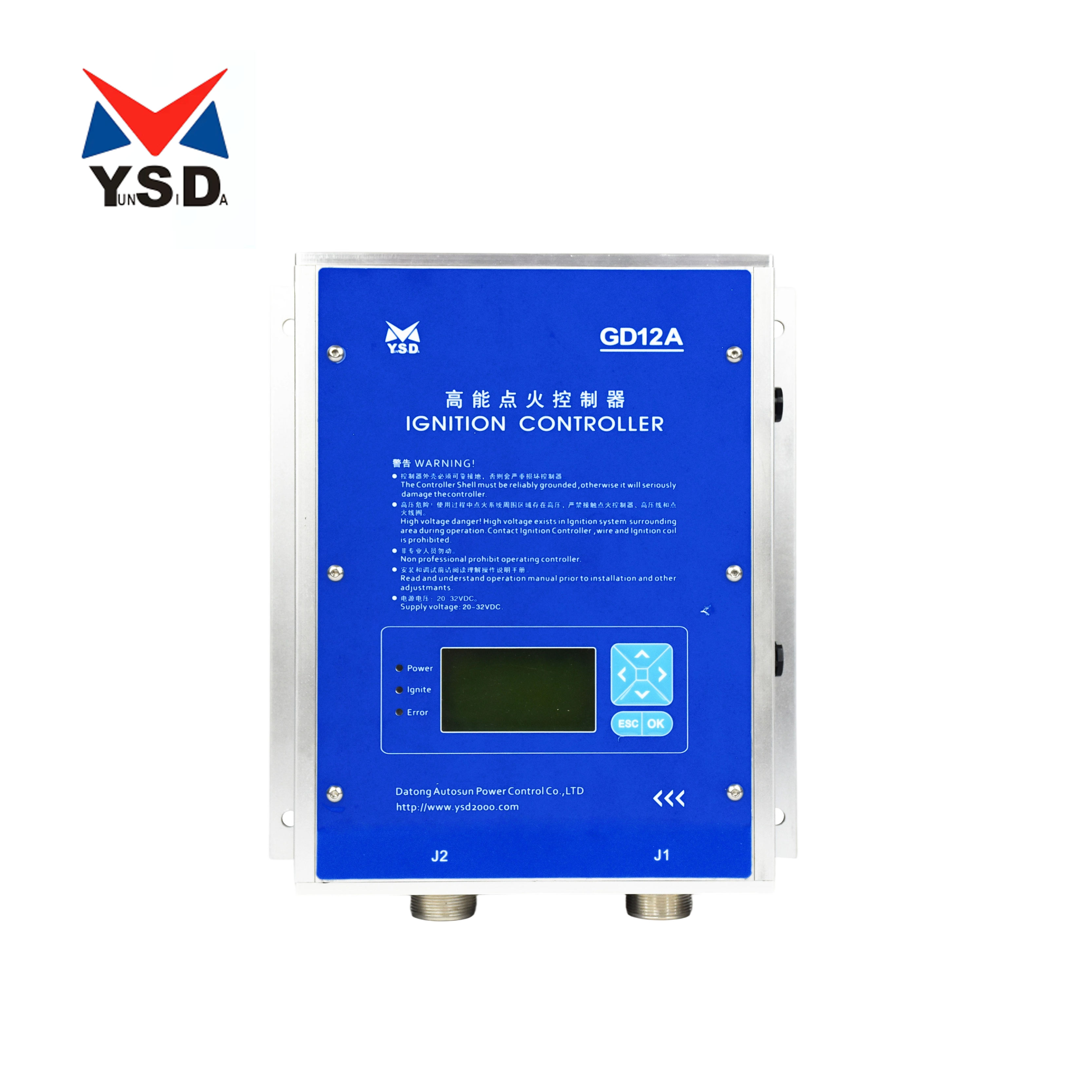
Trong bối cảnh công nghiệp hiện nay, việc tích hợp các công nghệ điều khiển tinh vi đã trở thành yếu tố thiết yếu nhằm tối ưu hóa hiệu suất động cơ và hiệu quả vận hành. Khi xem xét những lợi thế của việc triển khai một hệ Thống Điều Khiển Động Cơ Gas , các doanh nghiệp thuộc nhiều lĩnh vực khác nhau đang khám phá ra những lợi ích đáng kể vượt xa chức năng quản lý động cơ cơ bản. Những hệ thống tiên tiến này đại diện cho một cách tiếp cận mang tính chuyển đổi trong việc điều khiển động cơ chạy bằng khí đốt, mang lại độ chính xác, độ tin cậy và khả năng vận hành nâng cao mà các hệ thống cơ khí truyền thống hoàn toàn không thể sánh kịp.
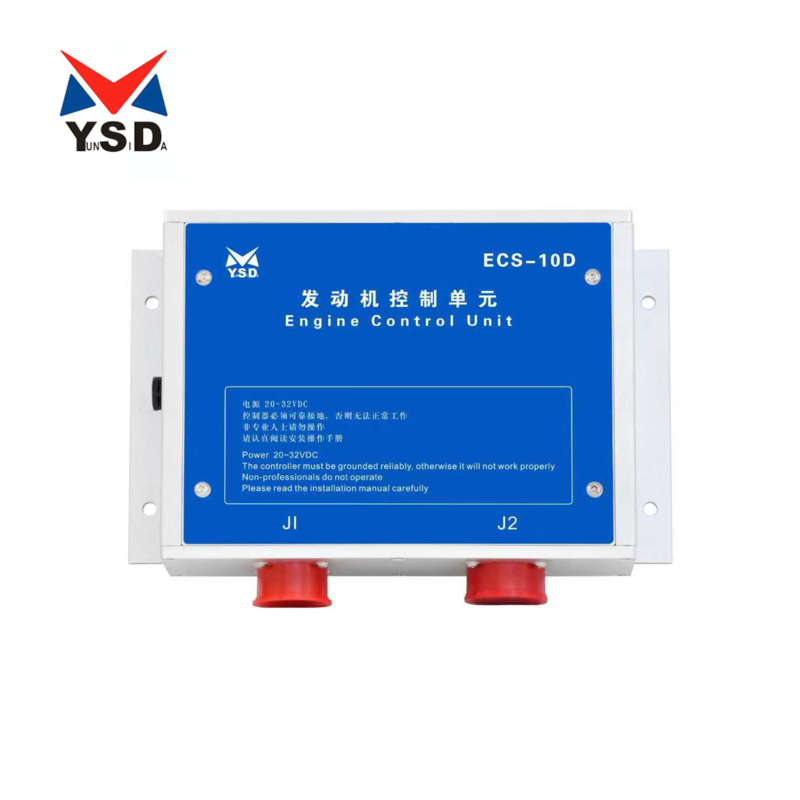
Việc triển khai hệ thống điều khiển động cơ khí hiện đại mang lại nhiều lợi thế vận hành, trực tiếp ảnh hưởng đến năng suất, hiệu quả chi phí và tuân thủ các quy định về môi trường. Từ việc nâng cao hiệu suất sử dụng nhiên liệu và giảm phát thải, đến cải thiện các quy trình an toàn cũng như khả năng bảo trì dự đoán, những hệ thống này cung cấp giải pháp toàn diện nhằm giải quyết các thách thức phức tạp mà các hoạt động công nghiệp đang đối mặt ngày nay. Việc hiểu rõ những lợi thế này là vô cùng quan trọng đối với các nhà ra quyết định khi đánh giá việc nâng cấp cơ sở hạ tầng quản lý động cơ hiện tại hay triển khai các công nghệ điều khiển động cơ khí mới.
Lợi ích về Hiệu suất và Hiệu quả được Nâng cao
Quản lý và Tiêu thụ Nhiên liệu được Tối ưu hóa
Hệ thống điều khiển động cơ chạy khí cung cấp việc đo lường nhiên liệu và thời điểm phun nhiên liệu chính xác, từ đó cải thiện đáng kể hiệu suất tổng thể của động cơ. Hệ thống liên tục giám sát các thông số động cơ và điều chỉnh việc cung cấp nhiên liệu theo thời gian thực, đảm bảo quá trình cháy tối ưu trong mọi điều kiện tải khác nhau. Việc quản lý nhiên liệu thông minh này giúp giảm thiểu thất thoát và tối đa hóa năng lượng đầu ra từ mỗi đơn vị khí tiêu thụ.
Các thuật toán tiên tiến trong hệ thống điều khiển phân tích nhiều biến số, bao gồm nhiệt độ động cơ, yêu cầu tải và điều kiện môi trường xung quanh, để tính toán tỷ lệ nhiên liệu trên không khí lý tưởng. Mức độ chính xác này là điều không thể đạt được bằng các hệ thống cơ học, nhờ đó mang lại mức tiết kiệm nhiên liệu có thể lên tới 10–15% so với các phương pháp quản lý động cơ truyền thống.
Hơn nữa, khả năng của hệ thống trong việc thích ứng với các loại khí và thành phần khí khác nhau đảm bảo hiệu suất ổn định bất kể sự thay đổi về nhiên liệu. Khả năng thích ứng này đặc biệt có giá trị trong các ứng dụng mà thành phần khí có thể dao động, chẳng hạn như các ứng dụng sử dụng khí sinh học hoặc khí chôn lấp, nơi hệ thống điều khiển động cơ chạy khí duy trì hiệu suất tối ưu bất chấp sự biến đổi về chất lượng nhiên liệu.
Cải thiện phản ứng và công suất đầu ra của động cơ
Các khả năng điều khiển điện tử của hệ thống điều khiển động cơ chạy khí hiện đại cho phép thời gian phản hồi nhanh hơn đối với các thay đổi tải và yêu cầu công suất. Khác với các bộ điều tốc cơ học dựa vào cơ chế phản hồi vật lý, các hệ thống điện tử có thể điều chỉnh các thông số động cơ trong vòng vài miligiây, mang lại hoạt động mượt mà hơn và đặc tính chấp nhận tải tốt hơn.
Khả năng phản hồi nhanh chóng này giúp cải thiện chất lượng điện cho các ứng dụng phát điện và mang lại đầu ra cơ học ổn định hơn cho các ứng dụng dẫn động trực tiếp. Hệ thống duy trì tốc độ động cơ và công suất đầu ra ổn định ngay cả khi tải thay đổi đột ngột, giảm thiểu áp lực lên thiết bị kết nối và nâng cao độ tin cậy chung của toàn bộ hệ thống.
Hơn nữa, việc điều khiển chính xác thời điểm đánh lửa và việc cung cấp nhiên liệu cho phép động cơ hoạt động gần hơn với dải hiệu suất tối ưu của nó. Điều này dẫn đến công suất đầu ra cao hơn từ cùng một dung tích xi-lanh động cơ, từ đó hiệu quả nâng cao mật độ công suất cũng như giá trị kinh tế của hệ thống lắp đặt.
Khả năng Giám sát và Chẩn đoán Tiên tiến
Giám sát hiệu suất thời gian thực
Một hệ thống điều khiển động cơ khí tiên tiến cung cấp khả năng giám sát thời gian thực toàn diện các thông số động cơ quan trọng, giúp người vận hành duy trì hiệu suất tối ưu và phát hiện sớm các vấn đề tiềm ẩn trước khi chúng trở thành sự cố nghiêm trọng. Hệ thống liên tục theo dõi các biến số như nhiệt độ xy-lanh, thành phần khí thải, áp suất nhiên liệu và thời điểm đánh lửa trên tất cả các xy-lanh của động cơ.
Khả năng giám sát này không chỉ dừng lại ở việc hiển thị các thông số cơ bản mà còn bao gồm phân tích xu hướng và so sánh hiệu suất với chuẩn mực. Hệ thống có thể nhận diện những thay đổi dần dần trong hiệu suất động cơ — những dấu hiệu có thể cho thấy nhu cầu bảo trì đang phát triển hoặc hao mòn các bộ phận — từ đó cho phép lên lịch bảo trì chủ động thay vì sửa chữa phản ứng.
Khả năng ghi dữ liệu của các hệ thống hiện đại tạo ra các hồ sơ lịch sử có giá trị, hỗ trợ lập kế hoạch bảo trì, khiếu nại bảo hành và các nỗ lực tối ưu hóa hiệu suất. Thông tin này ngày càng trở nên quý giá hơn theo thời gian, vì nó hình thành nên một bức tranh toàn diện về hành vi của động cơ trong các điều kiện vận hành khác nhau.
Bảo trì dự đoán và phát hiện sự cố
Các khả năng chẩn đoán của hệ thống điều khiển động cơ chạy khí giúp triển khai các chiến lược bảo trì dự báo, từ đó giảm đáng kể thời gian ngừng hoạt động ngoài kế hoạch và chi phí bảo trì. Hệ thống có thể phát hiện sớm các dấu hiệu mài mòn linh kiện, vấn đề về chất lượng nhiên liệu hoặc sự cố hệ thống thông qua nhận dạng mẫu và giám sát ngưỡng.
Các thuật toán chẩn đoán nâng cao phân tích đồng thời nhiều thông số để xác định các mẫu lỗi phức tạp mà có thể không rõ ràng khi chỉ theo dõi từng thông số riêng lẻ. Ví dụ, hệ thống có thể phát hiện sớm sự cố van bằng cách tương quan các thay đổi về áp suất xy-lanh, nhiệt độ khí xả và xu hướng tiêu thụ nhiên liệu trong nhiều chu kỳ hoạt động của động cơ.
Khả năng cung cấp mã lỗi cụ thể và thông tin chẩn đoán của hệ thống giúp giảm thời gian xử lý sự cố và hỗ trợ nhân viên bảo trì nhanh chóng xác định nguyên nhân gốc rễ của vấn đề. Cách tiếp cận bảo trì có mục tiêu này làm giảm chi phí nhân công và tối thiểu hóa lượng phụ tùng dự trữ cần thiết để đảm bảo hoạt động.
Lợi thế về Tuân thủ Môi trường và Quy định
Kiểm soát và Tối ưu hóa Khí thải
Các quy định về môi trường tiếp tục trở nên nghiêm ngặt hơn, khiến việc kiểm soát khí thải trở thành yếu tố quan trọng hàng đầu đối với các ứng dụng động cơ chạy xăng. Một hệ thống điều khiển động cơ chạy xăng hiện đại cung cấp khả năng điều khiển chính xác các thông số quá trình cháy—những thông số này trực tiếp ảnh hưởng đến lượng khí thải sinh ra—giúp người vận hành đáp ứng hoặc vượt mức các yêu cầu quy định mà vẫn duy trì hiệu suất tối ưu.
Hệ thống liên tục điều chỉnh tỷ lệ không khí-nhiên liệu và thời điểm đánh lửa nhằm giảm thiểu việc hình thành các chất gây ô nhiễm như oxit nitơ, carbon monoxide và hydrocarbon chưa cháy hết. Cách tiếp cận chủ động trong quản lý khí thải này hiệu quả hơn nhiều so với các phương pháp kiểm soát thụ động và có khả năng thích nghi với các điều kiện vận hành thay đổi để duy trì mức khí thải thấp trên toàn bộ dải vận hành.
Nhiều hệ thống điều khiển động cơ chạy xăng bao gồm các chức năng giám sát khí thải cụ thể, cung cấp phản hồi thời gian thực về hiệu suất khí thải. Thông tin này hỗ trợ việc đáp ứng các yêu cầu báo cáo tuân thủ và giúp người vận hành chứng minh cam kết bảo vệ môi trường thông qua dữ liệu hiệu suất khí thải được ghi chép đầy đủ.
Tài liệu và Báo cáo Pháp lý
Việc tuân thủ các quy định môi trường thường đòi hỏi tài liệu chi tiết về hiệu suất động cơ và dữ liệu khí thải. Hệ thống điều khiển động cơ chạy xăng tự động thu thập và lưu trữ thông tin này, từ đó đơn giản hóa quy trình báo cáo pháp lý và giảm gánh nặng hành chính đối với người vận hành.
Hệ thống có thể tạo ra các báo cáo tự động bao gồm tất cả các điểm dữ liệu bắt buộc cho các hồ sơ nộp lên cơ quan quản lý, đảm bảo tính chính xác và đầy đủ đồng thời giảm thiểu thời gian và công sức cần thiết cho các hoạt động tuân thủ. Cách tiếp cận tự động này cũng làm giảm rủi ro sai sót do con người trong quá trình thu thập và báo cáo dữ liệu.
Hơn nữa, dữ liệu vận hành chi tiết do hệ thống điều khiển cung cấp hỗ trợ các đánh giá tác động môi trường và các sáng kiến báo cáo tính bền vững. Thông tin này giúp các tổ chức chứng minh hiệu suất môi trường của mình và thúc đẩy các mục tiêu bền vững thông qua dữ liệu định lượng.
Lợi ích Kinh tế và Vận hành
Giảm chi phí vận hành và bảo trì
Việc triển khai một hệ Thống Điều Khiển Động Cơ Gas hệ thống mang lại khoản tiết kiệm chi phí đáng kể nhờ hiệu suất nhiên liệu được cải thiện, nhu cầu bảo trì giảm và tuổi thọ động cơ kéo dài. Việc kiểm soát chính xác hoạt động của động cơ làm giảm mài mòn và ứng suất lên các bộ phận động cơ, dẫn đến khoảng thời gian giữa các lần bảo trì lớn dài hơn và nhu cầu về linh kiện thay thế giảm.
Khả năng của hệ thống trong việc tối ưu hóa hoạt động động cơ dưới mọi điều kiện nghĩa là động cơ vận hành hiệu quả hơn trong suốt vòng đời phục vụ của nó, từ đó giảm chi phí nhiên liệu và nâng cao hiệu quả kinh tế tổng thể của hệ thống lắp đặt. Những khoản tiết kiệm này tích lũy theo thời gian, khiến việc đầu tư vào công nghệ hệ thống điều khiển trở nên cực kỳ hiệu quả về mặt chi phí.
Ngoài ra, khả năng bảo trì dự đoán giúp giảm thiểu nguy cơ xảy ra sự cố bất ngờ, vốn có thể dẫn đến các chi phí sửa chữa khẩn cấp tốn kém và thời gian ngừng hoạt động kéo dài. Việc lên kế hoạch thực hiện các hoạt động bảo trì trong các đợt ngừng hoạt động đã được lên lịch trước thay vì phản ứng với các tình huống khẩn cấp giúp giảm đáng kể tổng chi phí bảo trì.
Cải thiện Việc Sử Dụng Tài Sản và Độ Tin Cậy
Hệ thống điều khiển động cơ chạy xăng nâng cao việc sử dụng tài sản bằng cách cải thiện tính sẵn sàng và độ tin cậy của động cơ. Các chức năng giám sát và điều khiển tiên tiến giúp giảm tần suất và thời gian kéo dài của các đợt ngừng hoạt động ngoài kế hoạch, cho phép động cơ vận hành ổn định hơn và tạo ra giá trị kinh tế cao hơn từ khoản đầu tư.
Khả năng của hệ thống trong việc bảo vệ động cơ khỏi các điều kiện vận hành có thể gây hư hại thông qua việc tự động tắt máy và giới hạn các thông số đảm bảo rằng động cơ luôn ở trạng thái tốt trong suốt thời gian sử dụng. Khả năng bảo vệ này giúp kéo dài tuổi thọ động cơ và duy trì giá trị tài sản theo thời gian.
Các khả năng giám sát từ xa có sẵn trên nhiều hệ thống điều khiển hiện đại cho phép giám sát và hỗ trợ từ xa, giảm nhu cầu về nhân sự tại hiện trường và giúp phản ứng nhanh hơn đối với các sự cố vận hành. Khả năng này đặc biệt có giá trị đối với các hệ thống lắp đặt tại các địa điểm hẻo lánh, nơi mà hỗ trợ kỹ thuật tại chỗ ngay lập tức có thể không sẵn có.
Câu hỏi thường gặp
Mức tiết kiệm nhiên liệu kỳ vọng khi triển khai hệ thống điều khiển động cơ chạy khí là bao nhiêu?
Tiết kiệm nhiên liệu thường dao động từ 10–15% so với các hệ thống điều khiển cơ khí, tùy thuộc vào ứng dụng và điều kiện vận hành. Mức tiết kiệm thực tế phụ thuộc vào các yếu tố như mô hình tải động cơ, sự biến đổi về chất lượng nhiên liệu và mức độ hiện đại của hệ thống điều khiển trước đó. Những khoản tiết kiệm này đạt được nhờ việc đo lường nhiên liệu tối ưu, hiệu suất cháy cải thiện và các thuật toán điều khiển thích nghi liên tục điều chỉnh các thông số động cơ nhằm đảm bảo hiệu suất tối ưu.
Loại động cơ chạy khí nào có thể hưởng lợi từ các hệ thống điều khiển tiên tiến?
Hầu hết các động cơ chạy khí công nghiệp đều có thể hưởng lợi từ các hệ thống điều khiển tiên tiến, bao gồm máy phát điện chạy khí tự nhiên, động cơ chạy khí sinh học, ứng dụng khí chôn lấp và các hệ thống đồng phát. Công nghệ này đặc biệt hữu ích đối với các động cơ vận hành trong điều kiện tải thay đổi hoặc với thành phần nhiên liệu biến đổi. Cả các lắp đặt mới lẫn các dự án cải tạo đều có thể đạt được những lợi thế đáng kể khi triển khai công nghệ hệ thống điều khiển động cơ chạy khí hiện đại.
Hệ thống điều khiển động cơ chạy xăng cải thiện việc lập kế hoạch bảo trì như thế nào?
Hệ thống cung cấp khả năng bảo trì dự đoán thông qua việc giám sát liên tục các thông số động cơ và phân tích xu hướng. Hệ thống có thể phát hiện sớm các dấu hiệu mài mòn linh kiện hoặc các vấn đề đang phát sinh, từ đó cho phép lên lịch bảo trì trong các đợt ngừng hoạt động đã được lên kế hoạch trước thay vì phải chờ đợi các sự cố bất ngờ. Hệ thống cũng lưu trữ nhật ký vận hành chi tiết nhằm hỗ trợ ra quyết định lập kế hoạch bảo trì và giúp tối ưu hóa khoảng thời gian bảo trì dựa trên điều kiện vận hành thực tế thay vì theo lịch trình cố định.
Hệ thống điều khiển điện tử mang lại những lợi thế an toàn nào so với các hệ thống cơ khí?
Các hệ thống điều khiển điện tử mang lại thời gian phản hồi nhanh hơn đối với các điều kiện vận hành nguy hiểm, giám sát thông số chính xác hơn và khả năng triển khai logic an toàn phức tạp, trong đó xem xét đồng thời nhiều biến số. Hệ thống có thể tự động tắt động cơ hoặc điều chỉnh các thông số vận hành nhằm ngăn ngừa hư hỏng khi phát hiện các điều kiện không an toàn. Ngoài ra, khả năng giám sát từ xa cho phép thực hiện giám sát an toàn ngay cả khi nhân viên không có mặt trực tiếp tại vị trí lắp đặt.
Mục lục
- Lợi ích về Hiệu suất và Hiệu quả được Nâng cao
- Khả năng Giám sát và Chẩn đoán Tiên tiến
- Lợi thế về Tuân thủ Môi trường và Quy định
- Lợi ích Kinh tế và Vận hành
-
Câu hỏi thường gặp
- Mức tiết kiệm nhiên liệu kỳ vọng khi triển khai hệ thống điều khiển động cơ chạy khí là bao nhiêu?
- Loại động cơ chạy khí nào có thể hưởng lợi từ các hệ thống điều khiển tiên tiến?
- Hệ thống điều khiển động cơ chạy xăng cải thiện việc lập kế hoạch bảo trì như thế nào?
- Hệ thống điều khiển điện tử mang lại những lợi thế an toàn nào so với các hệ thống cơ khí?