gas engine control system
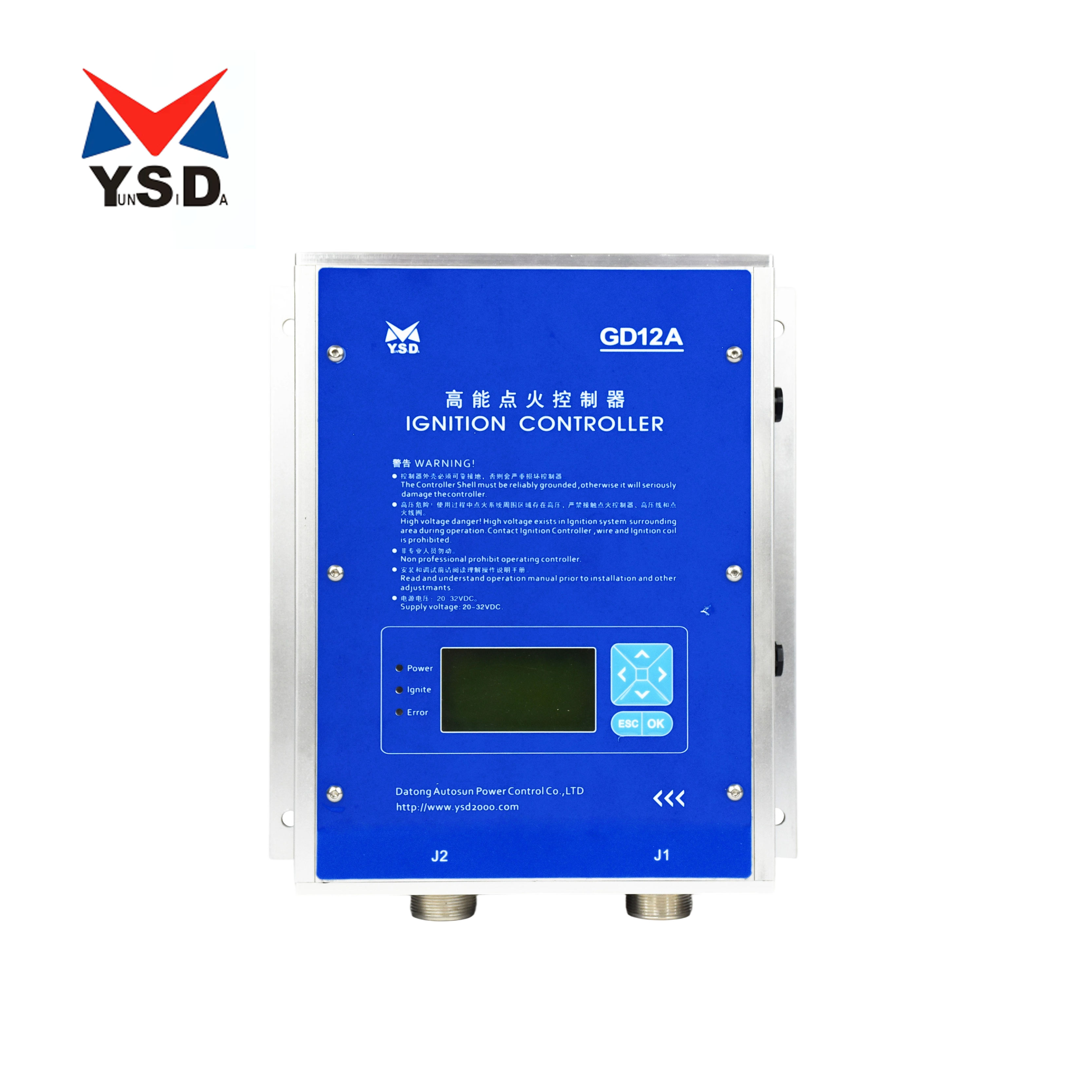
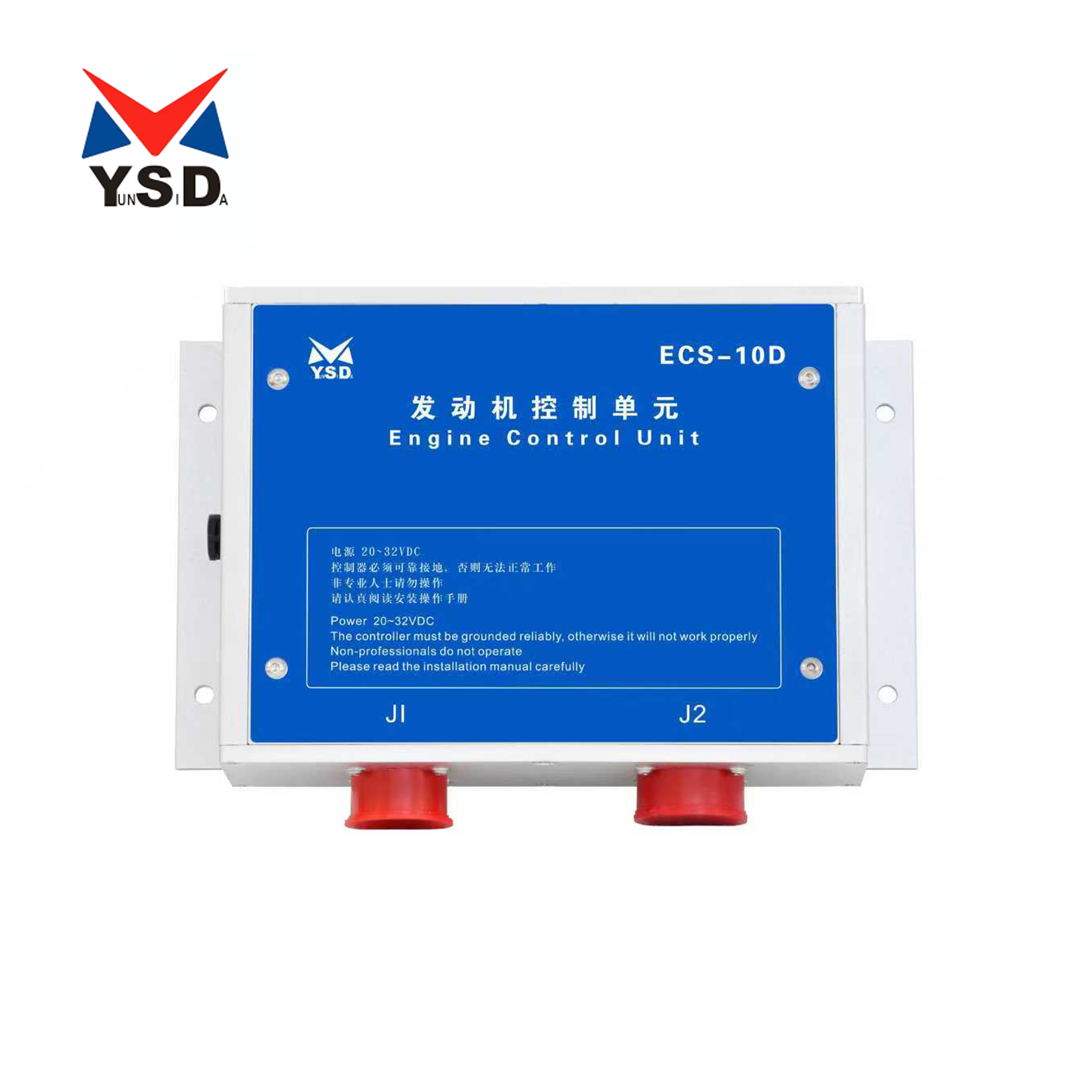
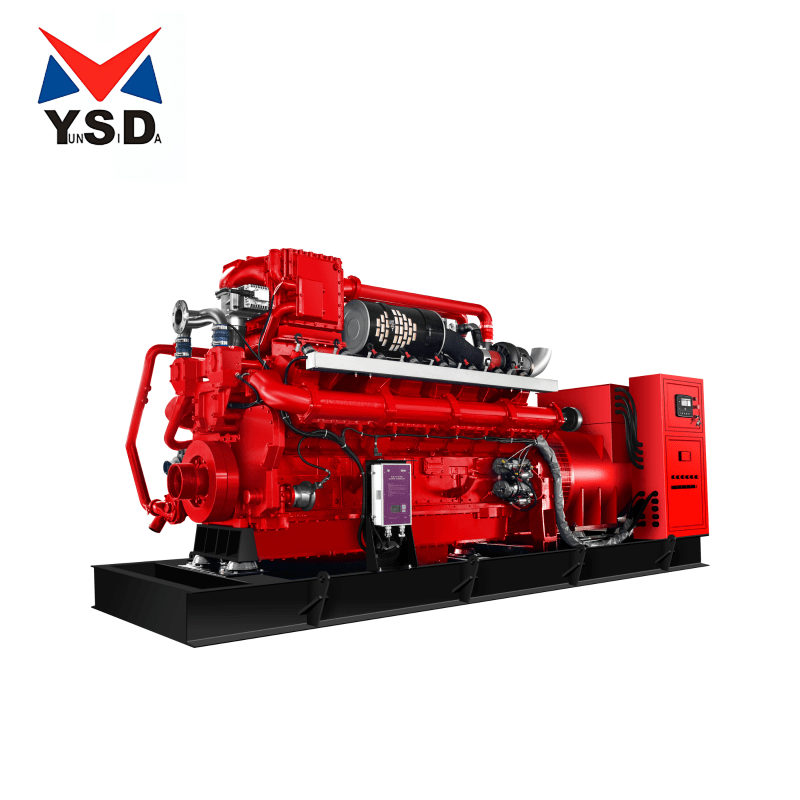
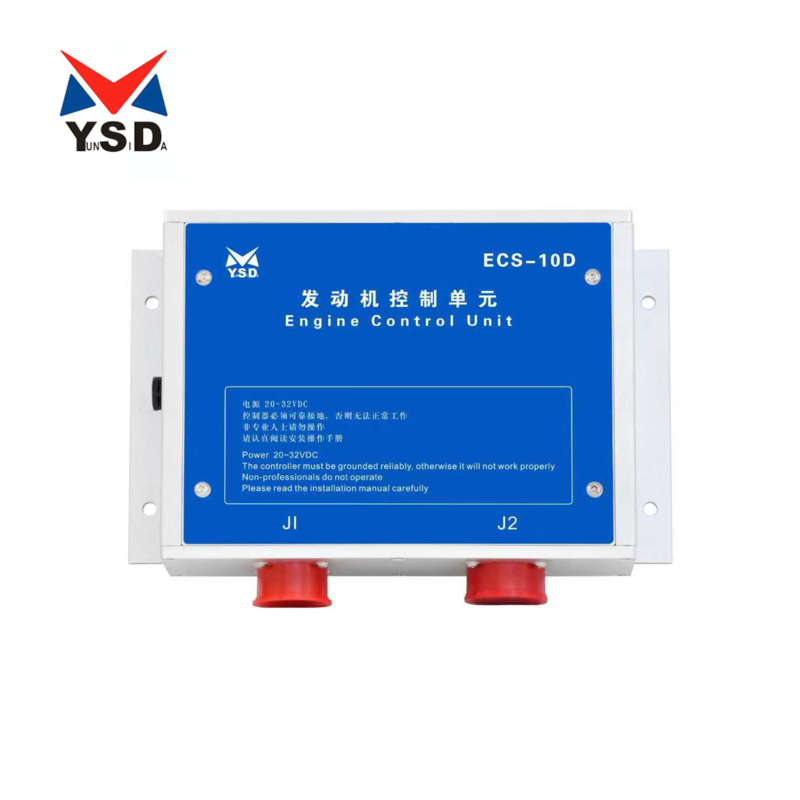
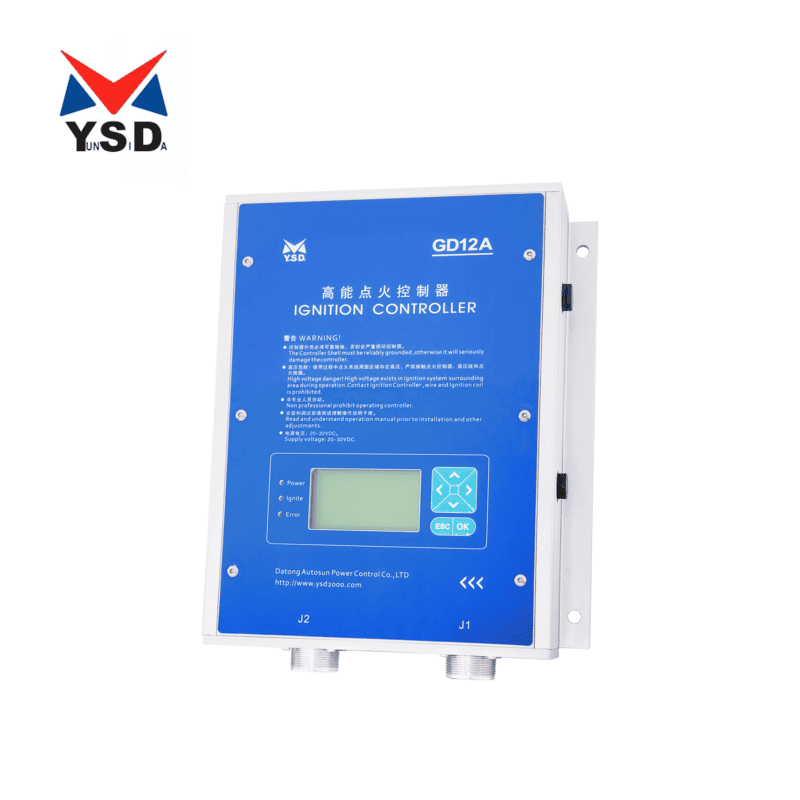
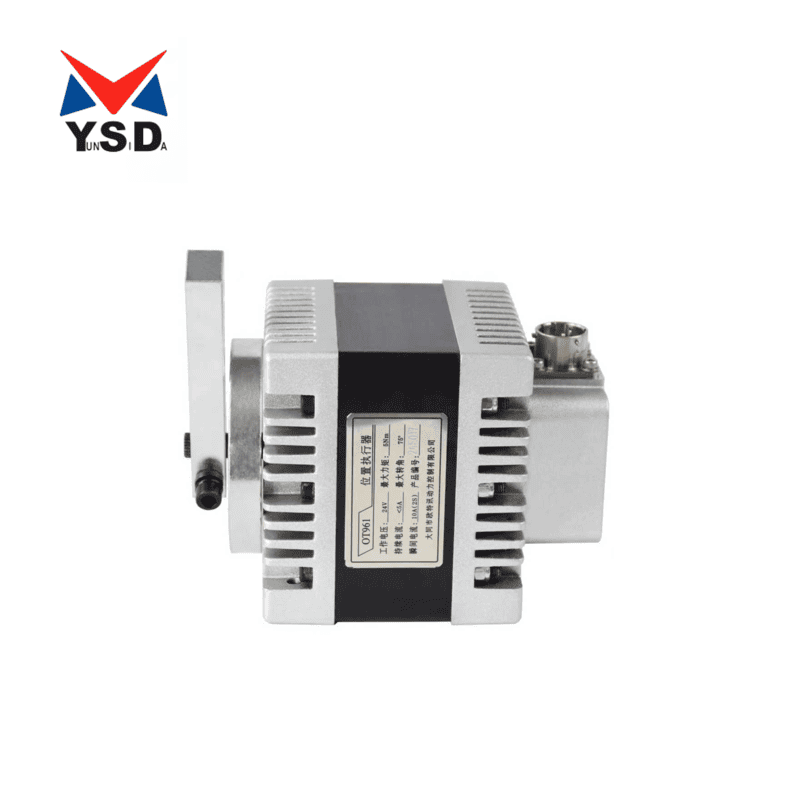
The gas engine control system represents a sophisticated integration of mechanical and electronic components designed to optimize engine performance, efficiency, and emissions control. This advanced system incorporates multiple sensors and actuators that continuously monitor and adjust crucial parameters such as fuel mixture, ignition timing, and exhaust emissions. At its core, the system utilizes a central electronic control unit (ECU) that processes real-time data from various engine sensors, including throttle position, oxygen levels, engine temperature, and intake air mass. The ECU then uses this information to make precise adjustments to fuel injection timing, spark timing, and air-fuel ratios, ensuring optimal combustion efficiency. Modern gas engine control systems also feature adaptive learning capabilities, allowing them to adjust their control parameters based on driving conditions and engine wear patterns. The system's applications span across various sectors, from automotive and marine applications to industrial power generation. In vehicles, it plays a crucial role in maintaining the balance between performance and fuel economy while ensuring compliance with increasingly stringent emission standards. The system's ability to provide precise control over engine operations has made it an indispensable component in modern engine design, contributing significantly to improved fuel efficiency, reduced emissions, and enhanced engine longevity.