High-Efficiency Natural Gas Electric Plant: Advanced Power Generation Solutions

Get a Free Quote

Our representative will contact you soon.
Email
Name
Company Name
Message
0/1000

natural gas electric plant

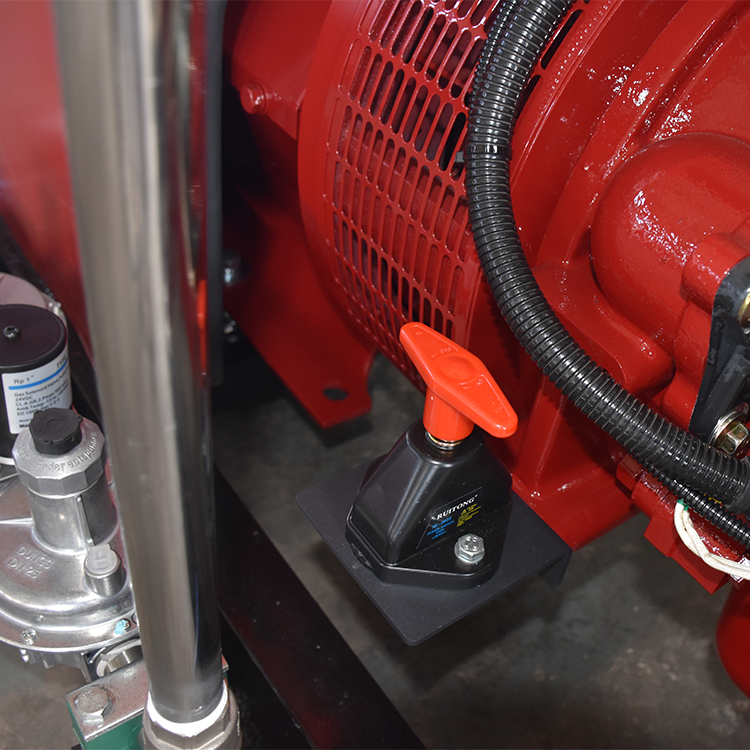
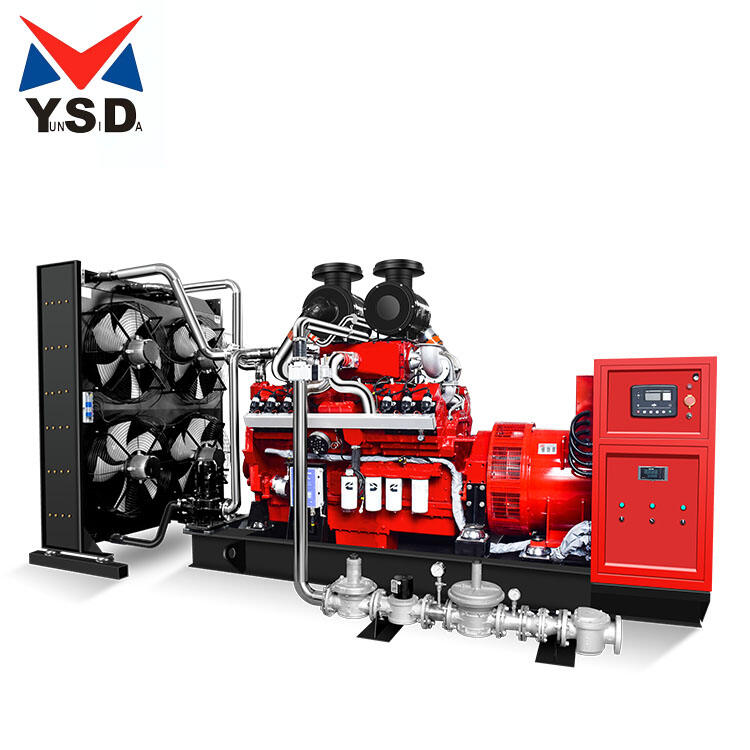
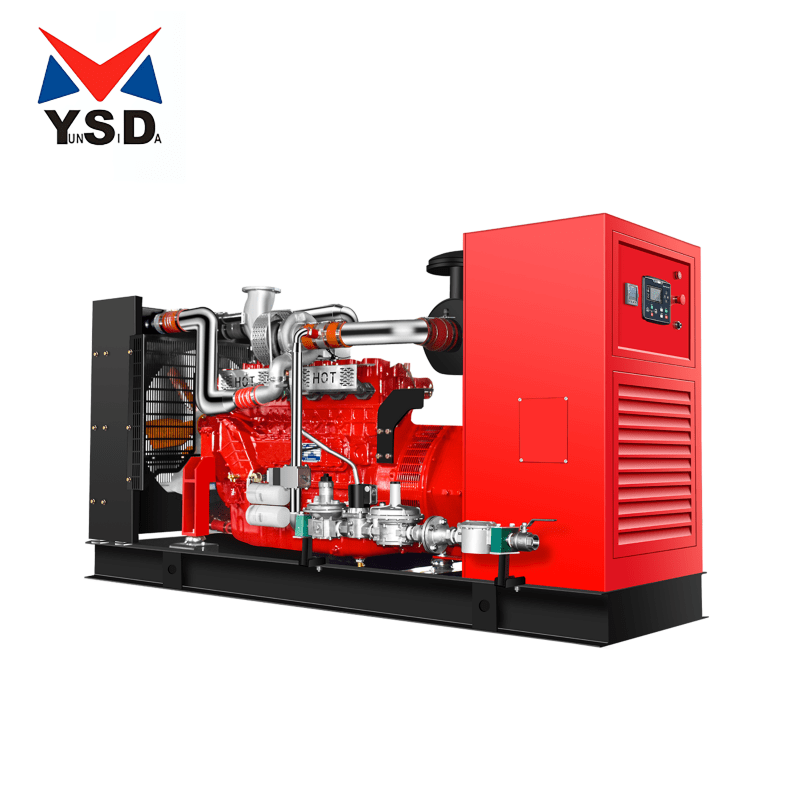
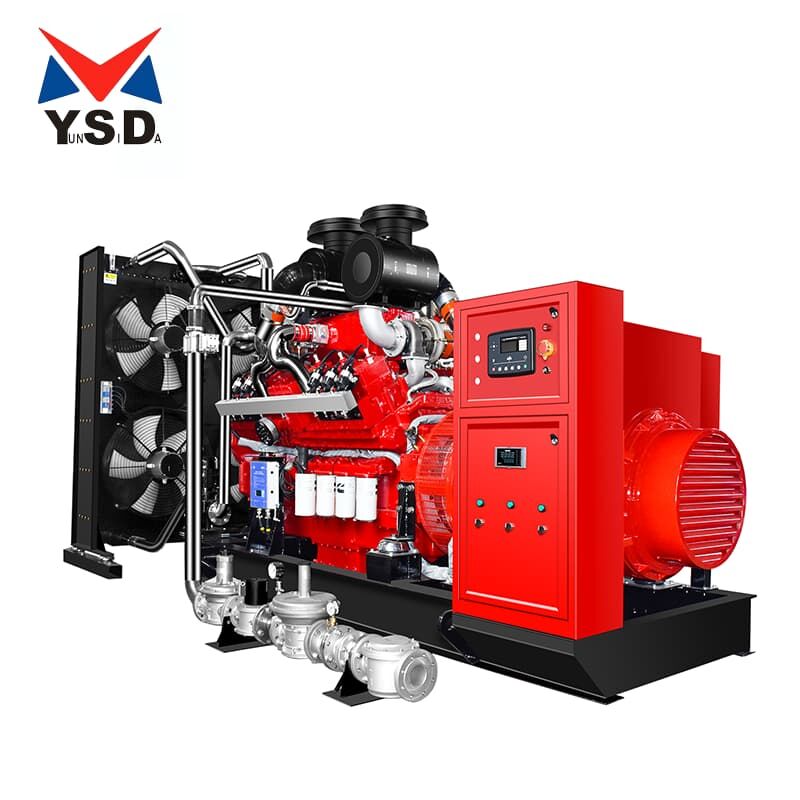
A natural gas electric plant represents a sophisticated power generation facility that converts natural gas into electricity through an efficient thermodynamic process. These facilities utilize advanced combined-cycle technology, where gas turbines operate in conjunction with steam turbines to maximize energy output. The primary system employs natural gas combustion to drive turbines connected to generators, producing electricity. The waste heat from this initial process is then captured and used to create steam, which powers additional turbines, significantly improving overall efficiency. Modern natural gas plants incorporate state-of-the-art control systems, emissions monitoring equipment, and safety features that ensure reliable operation while maintaining environmental compliance. These facilities can be scaled to meet various power demands, from small industrial applications to large-scale utility operations serving entire regions. The plant's rapid start-up capability and operational flexibility make it ideal for both baseload power generation and peak demand response. Advanced monitoring systems continuously optimize performance while maintaining strict environmental standards, particularly regarding NOx emissions and carbon output. These facilities typically achieve efficiency ratings of up to 60%, substantially higher than traditional coal-fired plants.

New Product Releases

Natural gas electric plants offer numerous compelling advantages that make them an attractive choice for power generation. First and foremost, they provide exceptional operational flexibility, allowing rapid adjustment to changing power demands within minutes, unlike traditional power plants that require hours to modify output levels. This responsiveness makes them ideal partners for renewable energy sources, effectively balancing grid stability when solar or wind generation fluctuates. The environmental impact is significantly lower compared to coal-fired plants, with natural gas producing approximately half the carbon dioxide emissions and minimal sulfur dioxide. These plants require relatively small footprints, making them suitable for urban and suburban locations, while their reduced water consumption compared to nuclear or coal facilities provides additional environmental benefits. The economic advantages are equally impressive, with lower construction costs and shorter build times than other major power plants. Maintenance requirements are less intensive, resulting in reduced operational costs and improved reliability. Modern natural gas plants achieve remarkable efficiency rates, particularly in combined-cycle configurations, translating to better fuel utilization and cost-effectiveness. The plants support local economic development through job creation and can operate continuously for extended periods with minimal downtime. Their ability to ramp up quickly makes them valuable assets during peak demand periods or emergencies, ensuring grid reliability and energy security.

Practical Tips

Visit African Customers

16

Sep

Visit African Customers

View More
Visit European Customers

16

Sep

Visit European Customers

View More
Communicate Technology With Russian Clients

26

Sep

Communicate Technology With Russian Clients

View More

Get a Free Quote

Our representative will contact you soon.
Email
Name
Company Name
Message
0/1000

natural gas electric plant

Advanced Combined-Cycle Technology

Advanced Combined-Cycle Technology

The natural gas electric plant's combined-cycle technology represents a breakthrough in power generation efficiency. This sophisticated system integrates two distinct power generation cycles: the gas turbine cycle and the steam turbine cycle. The primary gas turbine operates at extremely high temperatures, combusting natural gas to generate electricity directly. The innovative aspect lies in capturing the exhaust heat, which would traditionally be wasted, and utilizing it to produce steam for a secondary power generation cycle. This dual-cycle approach can achieve efficiency ratings exceeding 60%, substantially higher than conventional single-cycle systems that typically operate at 35-40% efficiency. The technology incorporates advanced materials and engineering solutions that withstand high temperatures and pressures while maintaining optimal performance. Sophisticated control systems continuously monitor and adjust operating parameters to maintain peak efficiency across varying load conditions.
Environmental Sustainability Features

Environmental Sustainability Features

The environmental sustainability features of natural gas electric plants set new standards in clean power generation. Advanced emissions control systems incorporate selective catalytic reduction (SCR) technology and low-NOx burners that minimize nitrogen oxide emissions, a primary contributor to smog formation. The plant's design includes continuous emissions monitoring systems that provide real-time data on environmental performance, ensuring compliance with stringent regulations. Water management systems employ closed-loop cooling technologies that significantly reduce water consumption compared to traditional power plants. The facility's carbon dioxide emissions are approximately 50-60% lower than coal-fired plants, contributing significantly to climate change mitigation efforts. These environmental features are complemented by noise reduction technologies and visual impact minimization measures, making the plant more compatible with surrounding communities.
Smart Grid Integration Capabilities

Smart Grid Integration Capabilities

The smart grid integration capabilities of natural gas electric plants represent a crucial advancement in modern power distribution. These facilities incorporate sophisticated digital control systems that enable seamless communication with the broader power grid infrastructure. Advanced monitoring and control systems allow for real-time load following and rapid response to grid demands, ensuring optimal power distribution and system stability. The plant's digital infrastructure includes cybersecurity measures protecting against unauthorized access and ensuring reliable operation. Integration with weather forecasting systems and demand prediction algorithms enables proactive adjustment of power output to match anticipated needs. The plant's ability to communicate with other grid assets, including renewable energy sources, creates a more resilient and efficient power distribution network. This smart integration capability extends to maintenance scheduling, predictive analytics, and performance optimization, ensuring maximum operational efficiency and reliability.

Get a Free Quote

Our representative will contact you soon.
Email
Name
Company Name
Message
0/1000
Datong Autosun Power Control Co., Ltd

Copyright © 2025 Datong Atosun Power Control Co., Ltd. All rights reserved.  -  Privacy policy