Natural Gas Power Plant Cost Analysis: Comprehensive Guide to Investment and Operations

Get a Free Quote

Our representative will contact you soon.
Email
Name
Company Name
Message
0/1000

natural gas power plant cost

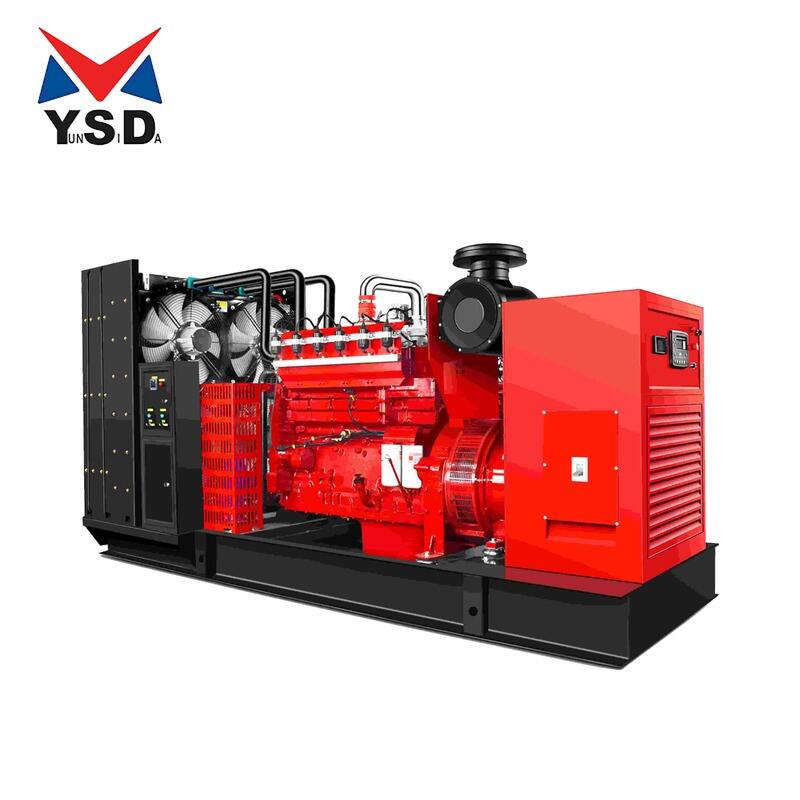
Natural gas power plant costs encompass various components that contribute to both initial construction and ongoing operational expenses. These facilities represent a significant investment in modern energy infrastructure, typically ranging from $500 million to over $1 billion for utility-scale installations. The cost structure includes capital expenditure for major equipment such as gas turbines, steam generators, and cooling systems, along with construction expenses, land acquisition, and grid connection infrastructure. Operating costs primarily consist of fuel expenses, maintenance requirements, and staffing needs. Modern natural gas power plants incorporate advanced combined-cycle technology, which maximizes efficiency by utilizing both gas and steam turbines. This configuration typically achieves efficiency rates of 50-60%, significantly higher than traditional single-cycle plants. The plants also feature sophisticated emissions control systems, automated monitoring equipment, and flexible operating capabilities that allow for rapid response to changing power demands. These facilities play a crucial role in providing baseload power while also serving as reliable backup for renewable energy sources. The total cost consideration must account for the entire facility lifecycle, including decommissioning expenses and environmental compliance measures.

New Product Recommendations

Natural gas power plant costs offer several compelling advantages that make them an attractive investment in the energy sector. First, these facilities provide excellent value through their operational flexibility and reliability. The ability to quickly ramp power output up or down makes them ideal for meeting varying electricity demands while maintaining grid stability. This flexibility also complements renewable energy sources, filling power gaps during low wind or solar generation periods. From a financial perspective, natural gas plants typically have lower initial capital costs compared to nuclear or coal facilities, allowing for faster return on investment. The modular nature of gas turbine technology enables phased construction, spreading capital expenses over time. Operating costs benefit from relatively stable natural gas prices and efficient fuel-to-energy conversion rates. Maintenance costs are generally predictable and lower than other thermal power plants due to simpler mechanical systems and fewer environmental control requirements. Modern natural gas facilities also demonstrate superior environmental performance, producing approximately half the carbon emissions of coal plants and minimal sulfur dioxide or particulate matter. This environmental advantage often translates to lower compliance costs and reduced regulatory risks. Additionally, these plants require smaller footprints than comparable coal or nuclear facilities, reducing land acquisition costs and environmental impact. The combination of these factors results in competitive levelized cost of electricity (LCOE) figures, making natural gas power plants a cost-effective choice for both utility companies and independent power producers.

Practical Tips

Visit African Customers

16

Sep

Visit African Customers

View More
Visit European Customers

16

Sep

Visit European Customers

View More
Communicate Technology With Russian Clients

26

Sep

Communicate Technology With Russian Clients

View More

Get a Free Quote

Our representative will contact you soon.
Email
Name
Company Name
Message
0/1000

natural gas power plant cost

Cost-Effective Initial Investment and Construction

Cost-Effective Initial Investment and Construction

The initial investment and construction costs of natural gas power plants present a compelling advantage in the power generation sector. With typical construction periods of 24-36 months, these facilities can be brought online significantly faster than other thermal power plants, reducing financing costs during the construction phase. The modular design approach allows for strategic scaling of capacity, enabling operators to match investment timing with market demand. Construction costs benefit from standardized equipment packages and well-established supply chains, typically ranging from $700 to $1,000 per kilowatt of installed capacity. This standardization also reduces engineering and design costs while improving project timeline predictability. The shorter construction period minimizes exposure to inflation and interest rate fluctuations during the building phase, providing better cost certainty for investors and project developers.
Operational Cost Efficiency and Flexibility

Operational Cost Efficiency and Flexibility

Operational cost efficiency stands as a primary benefit of natural gas power plants, driven by multiple factors that contribute to favorable economics throughout the facility lifecycle. The plants maintain high availability rates, typically exceeding 90%, which maximizes revenue potential and ensures reliable power delivery. Fuel costs benefit from efficient combined-cycle technology that achieves heat rates below 7,000 BTU/kWh, translating to lower fuel consumption per megawatt-hour generated. Staffing requirements are moderate compared to other thermal plants, with high levels of automation reducing labor costs while maintaining safe, efficient operations. Maintenance schedules can be optimized through predictive monitoring systems, reducing unexpected downtime and associated costs. The ability to operate in various modes, from baseload to peak shaving, allows operators to maximize profitability by adapting to market conditions and electricity pricing.
Long-term Value and Environmental Compliance

Long-term Value and Environmental Compliance

The long-term value proposition of natural gas power plant costs encompasses both economic and environmental aspects that benefit operators over the facility lifetime. These plants typically achieve operational lifespans of 30-40 years with proper maintenance, providing sustained returns on initial investment. The environmental compliance costs are generally lower than other fossil fuel facilities due to cleaner combustion characteristics and advanced emissions control systems. This advantage becomes increasingly important as environmental regulations tighten and carbon pricing mechanisms expand. The plants maintain high resale value due to their operational flexibility and lower environmental impact, providing additional financial security for owners. Decommissioning costs are also typically lower than other thermal power plants, reducing end-of-life expenses. The facilities often retain value beyond their initial design life through repowering opportunities, where major components can be upgraded to extend operational life and improve efficiency.

Get a Free Quote

Our representative will contact you soon.
Email
Name
Company Name
Message
0/1000
Datong Autosun Power Control Co., Ltd

Copyright © 2025 Datong Atosun Power Control Co., Ltd. All rights reserved.  -  Privacy policy