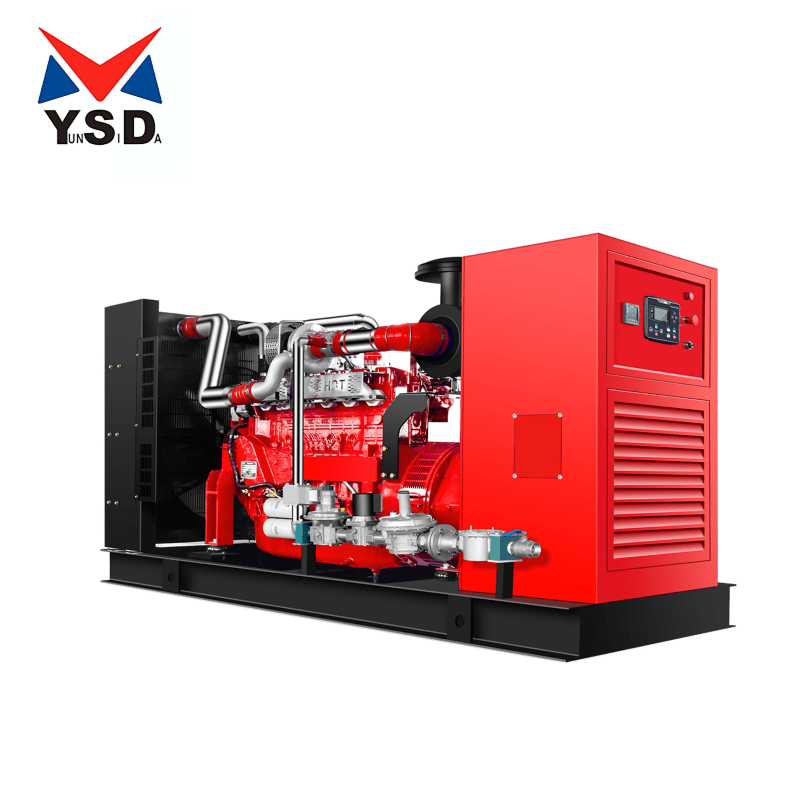
High-Efficiency Natural Gas Power Generation Plants: Advanced Energy Solutions for Sustainable Power Production

Get a Free Quote

Our representative will contact you soon.
Email
Name
Company Name
Message
0/1000

power generation plants based on natural gas

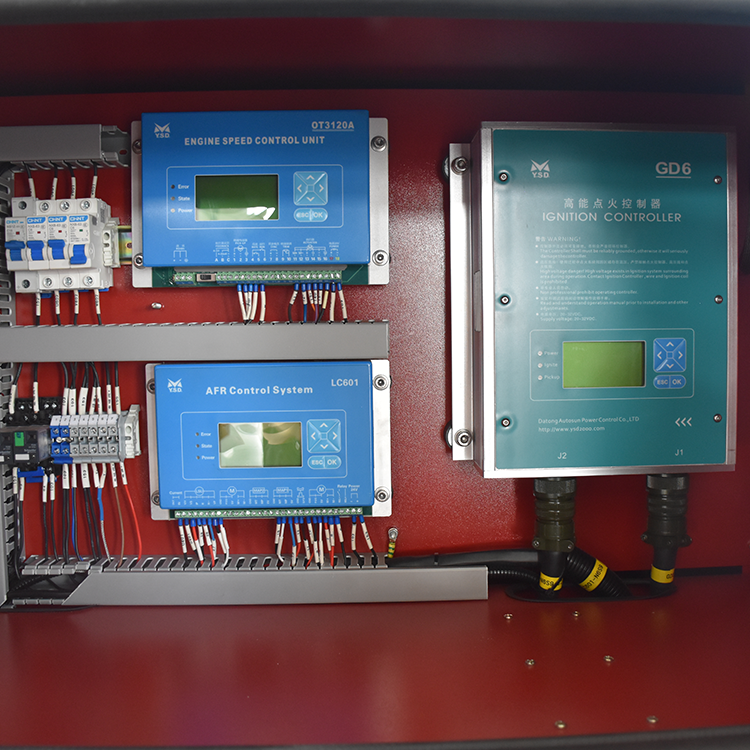
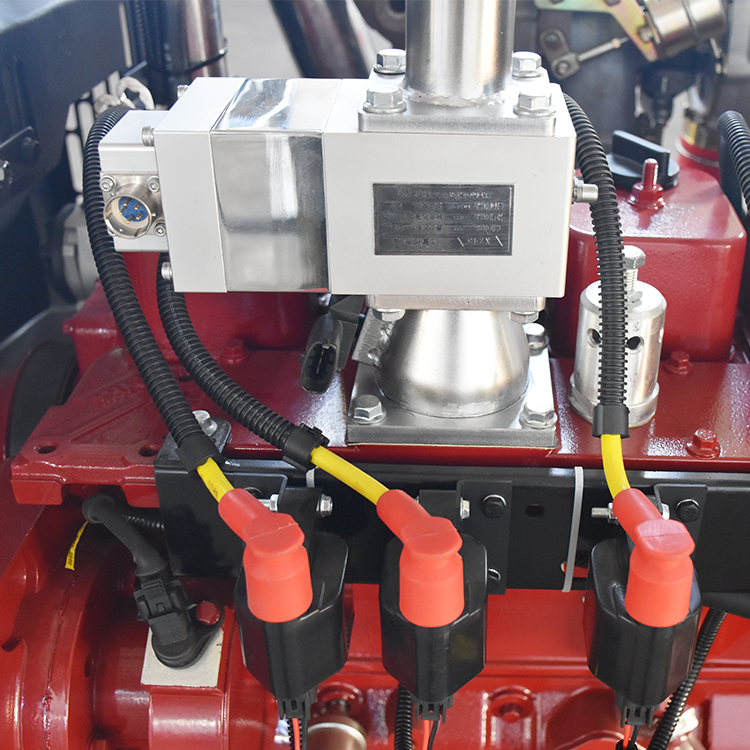
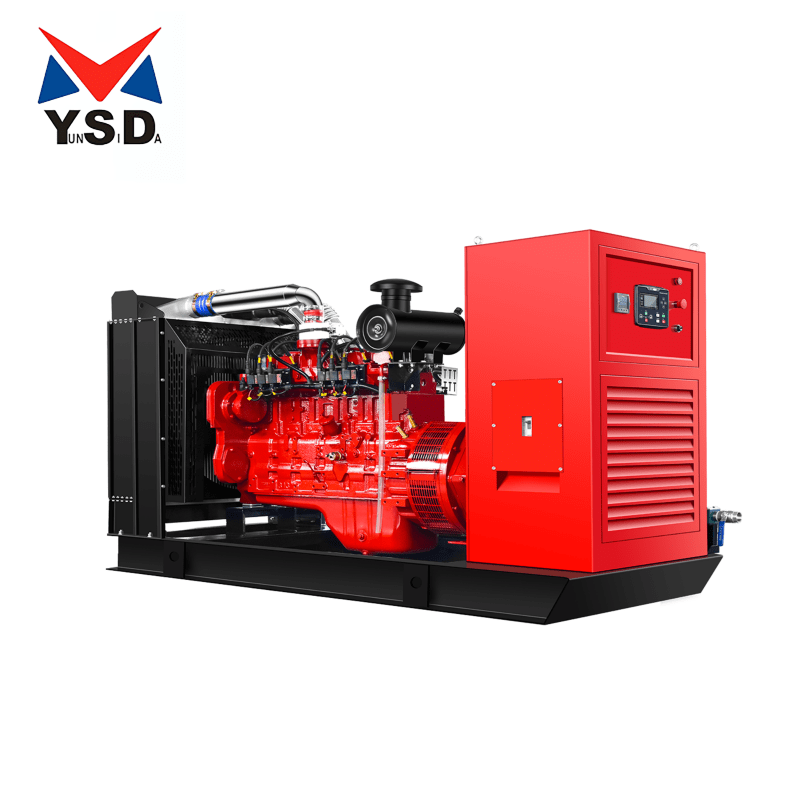
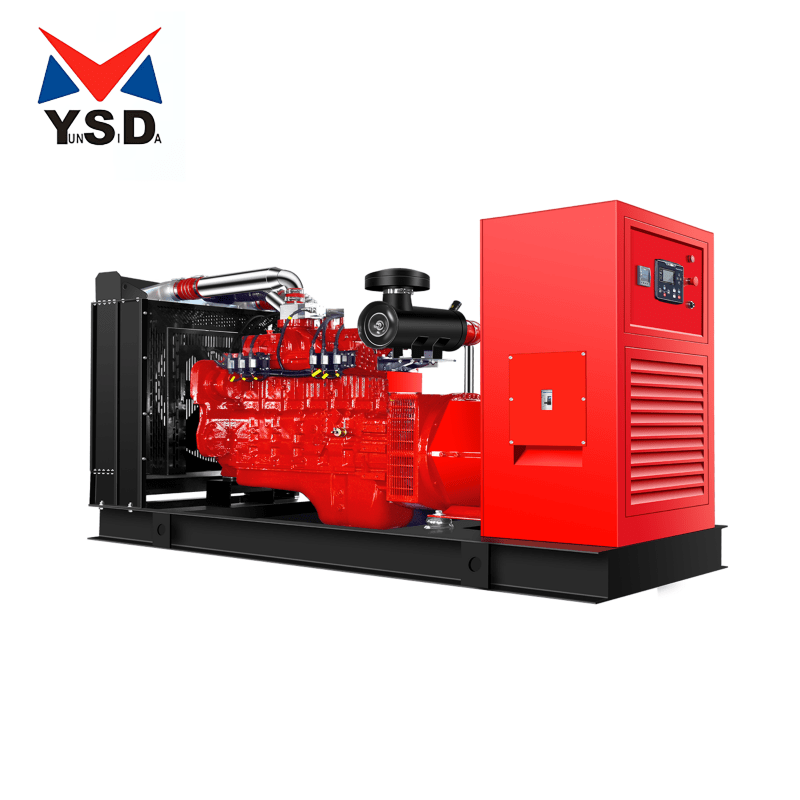
Natural gas power generation plants represent a crucial component of modern energy infrastructure, serving as efficient and reliable facilities that convert natural gas into electricity. These plants operate through a sophisticated process where natural gas is combusted in gas turbines, generating mechanical energy that drives electrical generators. The technology employs combined-cycle systems, which maximize efficiency by utilizing both gas and steam turbines. The primary gas turbine operates on the Brayton cycle, while waste heat is captured to power a secondary steam turbine operating on the Rankine cycle. This dual-cycle approach significantly improves overall plant efficiency, typically achieving rates of 50-60%. Modern plants incorporate advanced control systems for precise fuel management and emissions monitoring, ensuring optimal performance while maintaining environmental compliance. These facilities can be scaled to meet various power demands, from small distributed generation units to large utility-scale plants capable of powering entire cities. The plants feature rapid start-up capabilities, making them ideal for both baseload power generation and peak demand response. Advanced monitoring systems and predictive maintenance technologies ensure reliable operation and minimize downtime. These plants also incorporate sophisticated emissions control systems, including selective catalytic reduction (SCR) technology to minimize nitrogen oxide emissions and continuous emissions monitoring systems for environmental compliance.

New Product Recommendations

Natural gas power generation plants offer numerous compelling advantages that make them an attractive choice for energy production. First and foremost, these plants demonstrate superior operational flexibility, capable of rapidly adjusting output to meet fluctuating power demands. This adaptability proves particularly valuable in supporting renewable energy integration by providing reliable backup power. The plants boast quick start-up times, typically achieving full power within 30 minutes, compared to several hours for coal plants. From an environmental perspective, natural gas plants emit approximately half the carbon dioxide of coal-fired facilities and significantly fewer pollutants, including sulfur dioxide and particulate matter. The plants require relatively smaller footprints compared to other thermal power facilities, making them suitable for urban and suburban locations. Maintenance costs are generally lower than other thermal power plants, with longer intervals between major overhauls. The plants offer high operational efficiency, particularly in combined-cycle configurations, leading to better fuel utilization and lower operating costs. The facilities demonstrate excellent reliability, with typical availability factors exceeding 90%. Modern natural gas plants feature advanced automation systems that reduce staffing requirements and operating expenses. The use of natural gas as fuel eliminates the need for complex fuel handling and storage systems typically associated with coal plants. These facilities can be constructed relatively quickly, usually within 24-36 months, allowing faster return on investment. The plants also provide valuable grid stability services, including voltage support and frequency regulation, enhancing overall power system reliability.

Latest News

Visit African Customers

16

Sep

Visit African Customers

View More
Visit European Customers

16

Sep

Visit European Customers

View More
Communicate Technology With Russian Clients

26

Sep

Communicate Technology With Russian Clients

View More

Get a Free Quote

Our representative will contact you soon.
Email
Name
Company Name
Message
0/1000

power generation plants based on natural gas

Advanced Combined-Cycle Technology

Advanced Combined-Cycle Technology

The cornerstone of modern natural gas power generation lies in its advanced combined-cycle technology, representing a remarkable achievement in power plant engineering. This sophisticated system integrates two distinct power generation cycles, the gas turbine (Brayton) cycle and the steam turbine (Rankine) cycle, to maximize energy extraction from the fuel. The primary gas turbine combusts natural gas to drive the first generator, while the exhaust heat, instead of being wasted, powers a secondary steam cycle. This innovative approach captures up to 50% of the heat that would otherwise be lost in simple-cycle operations. The technology enables thermal efficiencies exceeding 60% in the most advanced installations, significantly surpassing the 35-40% efficiency of conventional single-cycle plants. This superior efficiency translates directly into reduced fuel consumption, lower operating costs, and decreased environmental impact per megawatt-hour of electricity produced.
Environmental Performance and Emissions Control

Environmental Performance and Emissions Control

Natural gas power plants excel in environmental performance through their comprehensive emissions control systems and inherently cleaner fuel characteristics. These facilities incorporate state-of-the-art pollution control technologies, including low-NOx burners, selective catalytic reduction systems, and continuous emissions monitoring equipment. The combustion of natural gas produces significantly lower levels of sulfur dioxide, mercury, and particulate matter compared to coal-fired plants. Carbon dioxide emissions are typically 50-60% lower than coal plants for the same power output. Advanced combustion control systems optimize the air-fuel mixture in real-time, ensuring complete combustion and minimizing the formation of harmful pollutants. The plants also feature sophisticated water management systems that reduce consumption and minimize thermal impact on local water bodies.
Operational Flexibility and Grid Support

Operational Flexibility and Grid Support

Natural gas power plants demonstrate exceptional operational flexibility, making them invaluable assets in modern power systems. These facilities can ramp their output up or down rapidly, typically achieving full power from cold start in less than 30 minutes. This quick-response capability proves essential for grid stability, particularly in systems with high renewable energy penetration. The plants can operate efficiently across a wide load range, from 40% to 100% of rated capacity, without significant performance degradation. Advanced control systems enable automated responses to grid frequency variations, providing crucial ancillary services. The plants can also operate in multiple modes, including baseload, intermediate, or peaking service, adapting to changing grid requirements. This flexibility extends to fuel supply options, with many plants capable of operating on both natural gas and fuel oil, ensuring reliability during potential gas supply interruptions.

Get a Free Quote

Our representative will contact you soon.
Email
Name
Company Name
Message
0/1000
Datong Autosun Power Control Co., Ltd

Copyright © 2025 Datong Atosun Power Control Co., Ltd. All rights reserved.  -  Privacy policy