
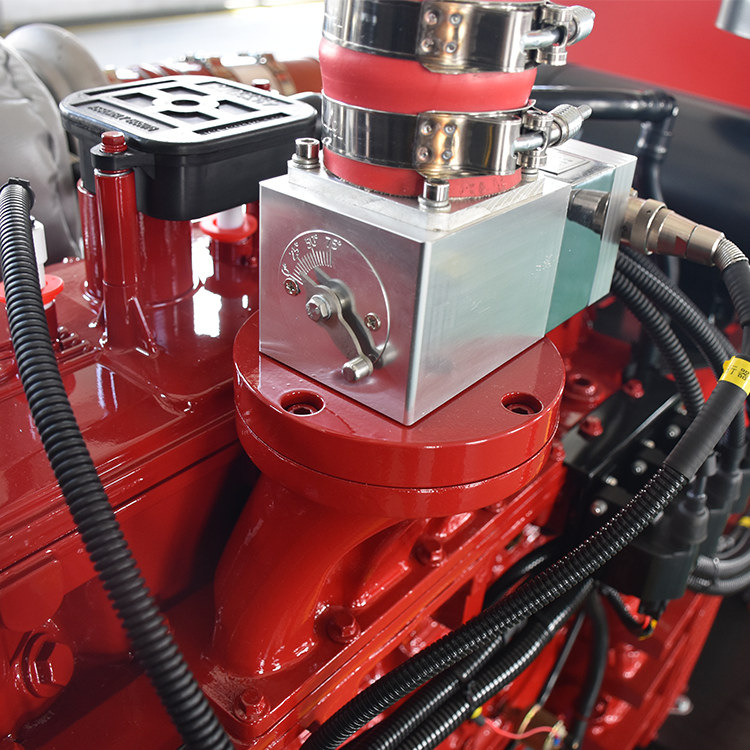
Modern agriculture faces mounting pressure to adopt sustainable practices while maintaining profitability. One revolutionary solution gaining traction across farming operations worldwide is the implementation of biogas technology. A biogas generator transforms organic waste materials into clean, renewable energy, offering farmers an opportunity to reduce operational costs while contributing to environmental conservation. This innovative approach not only addresses waste management challenges but also creates a reliable power source for various farm operations.
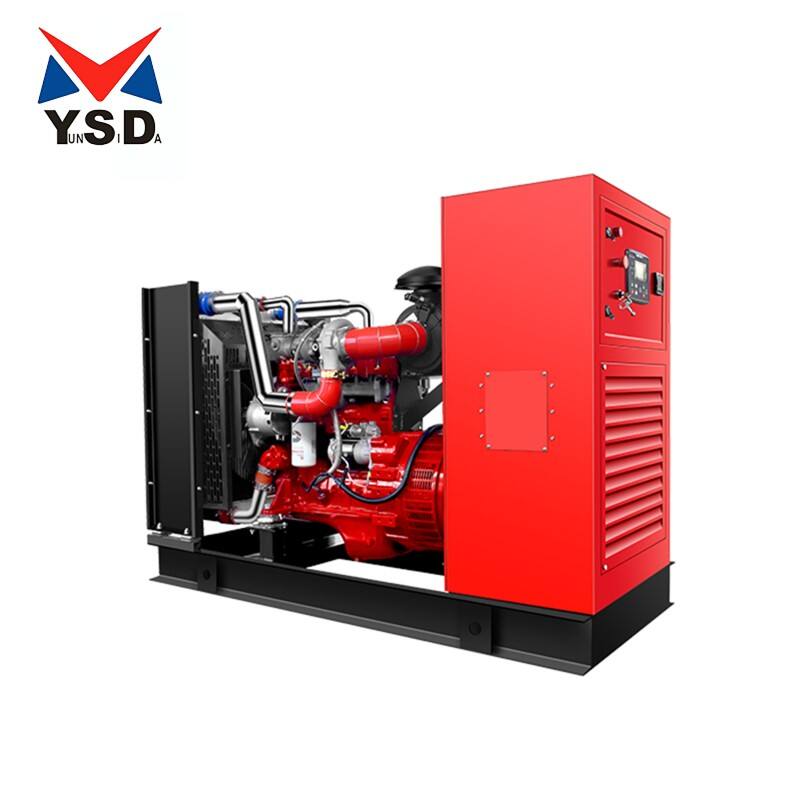
The agricultural sector generates substantial amounts of organic waste daily, from livestock manure to crop residues. Traditional disposal methods often involve costly transportation and processing fees. However, a properly implemented biogas generator system can convert these waste materials into valuable energy resources. This transformation process occurs through anaerobic digestion, where microorganisms break down organic matter in oxygen-free environments, producing methane-rich biogas that can power various farm equipment and facilities.
Understanding Biogas Generation Technology
The Science Behind Biogas Production
Biogas production relies on a natural biological process called anaerobic digestion, which occurs when organic materials decompose without oxygen. During this process, bacteria break down complex organic compounds into simpler molecules, ultimately producing methane and carbon dioxide. A biogas generator harnesses this natural phenomenon within controlled environments, optimizing conditions for maximum gas production. The entire process typically takes 15-30 days, depending on temperature, pH levels, and the type of organic material used as feedstock.
The composition of biogas varies depending on the input materials, but typically contains 50-70% methane, 30-40% carbon dioxide, and trace amounts of hydrogen sulfide and other gases. The methane component serves as the primary fuel source, possessing excellent combustion properties that make it suitable for electricity generation, heating applications, and even vehicle fuel. Understanding these fundamental principles helps farmers make informed decisions about implementing biogas generator systems on their properties.
Key Components of Biogas Systems
A comprehensive biogas generator system consists of several interconnected components working together to convert organic waste into usable energy. The digester tank serves as the heart of the operation, providing an oxygen-free environment where anaerobic bacteria can thrive. These tanks are typically made from concrete, steel, or reinforced plastic materials designed to withstand the corrosive nature of biogas production. Temperature control systems maintain optimal conditions for bacterial activity, while mixing equipment ensures uniform distribution of materials throughout the digester.
Gas collection and storage systems capture the produced biogas and store it under controlled pressure for later use. Safety equipment, including gas leak detection systems and emergency shut-off valves, ensures safe operation throughout the facility. The generator unit itself converts the stored biogas into electricity through internal combustion engines or fuel cells. Monitoring systems track gas production rates, temperature fluctuations, and other critical parameters, allowing operators to optimize system performance continuously.
Agricultural Waste Conversion Benefits
Economic Advantages for Farm Operations
Installing a biogas generator on farm properties delivers significant economic benefits that extend far beyond simple waste disposal. Energy cost reduction represents the most immediate advantage, as farms can generate their own electricity instead of purchasing it from utility companies. Large-scale agricultural operations often consume substantial amounts of electricity for irrigation systems, grain drying equipment, milking parlors, and climate control systems. By producing renewable energy on-site, farmers can reduce monthly utility bills by 30-80%, depending on system size and energy consumption patterns.
Revenue generation opportunities also emerge through various channels when implementing biogas generator technology. Excess electricity production can be sold back to local power grids through net metering programs, creating additional income streams for farming operations. Some regions offer feed-in tariffs or renewable energy certificates that provide financial incentives for biogas production. Additionally, the digestate byproduct from biogas generation serves as high-quality organic fertilizer, reducing the need to purchase commercial fertilizers while improving soil health and crop yields.
Environmental Impact Reduction
Environmental stewardship has become increasingly important in modern agriculture, and biogas generator systems contribute significantly to sustainable farming practices. Methane emissions from decomposing organic waste represent a potent greenhouse gas with warming potential 25 times greater than carbon dioxide. By capturing and utilizing these emissions for energy production, farms can dramatically reduce their carbon footprint while contributing to climate change mitigation efforts. This approach transforms a potential environmental liability into a valuable resource.
Water quality protection represents another crucial environmental benefit of biogas generator implementation. Traditional manure storage and application methods can lead to nutrient runoff, contaminating local water sources with nitrogen and phosphorus compounds. The anaerobic digestion process stabilizes these nutrients, reducing their mobility and environmental impact when applied to fields. Furthermore, the controlled decomposition environment eliminates many pathogens present in raw manure, creating safer application conditions for crop production areas.
Implementation Strategies for Different Farm Types
Livestock Operations and Biogas Integration
Livestock farms present ideal conditions for biogas generator implementation due to consistent organic waste production and high energy demands. Dairy operations, in particular, benefit significantly from biogas systems because they generate substantial amounts of manure daily while requiring continuous electricity for milking equipment, milk cooling systems, and feed preparation machinery. A typical 500-cow dairy farm produces enough manure to generate 100-150 kW of electrical power through an appropriately sized biogas generator, often meeting 80-100% of the farm's electricity needs.
Swine and poultry operations also demonstrate excellent potential for biogas generation, with concentrated animal feeding operations producing large volumes of organic waste in relatively small areas. These facilities typically have established waste management infrastructure that can be modified to accommodate biogas generation systems. The consistent waste production patterns and controlled environments make it easier to optimize biogas generator performance while maintaining animal health and welfare standards. Integration planning should consider seasonal variations in animal populations and waste production rates to ensure year-round system efficiency.
Crop Production and Organic Waste Utilization
Crop production operations can effectively utilize biogas generator technology by incorporating agricultural residues, food processing waste, and cover crops into their energy generation strategies. Corn silage, wheat straw, and other crop residues contain substantial amounts of cellulose and lignin that can be converted into biogas through proper preprocessing and digestion techniques. Many crop farms partner with local food processing facilities or restaurants to obtain additional organic waste materials, increasing biogas production while providing waste disposal services to other businesses.
Seasonal considerations play a crucial role in crop-based biogas generator operations, as waste availability fluctuates throughout the growing season. Successful implementation requires careful planning to ensure consistent feedstock supplies during periods when crop residues are not readily available. Some farms establish dedicated energy crop rotations, growing specific plants optimized for biogas production rather than traditional food or feed crops. These energy crops can be harvested multiple times per season, providing reliable organic matter for continuous biogas generation throughout the year.
Technical Considerations and System Sizing
Determining Appropriate System Capacity
Proper sizing of biogas generator systems requires careful analysis of organic waste production rates, energy consumption patterns, and available capital investment. Oversized systems may not operate efficiently due to insufficient feedstock availability, while undersized installations fail to capture the full potential of available organic materials. Professional feasibility studies should evaluate factors including daily waste generation volumes, seasonal variations in production, existing energy consumption data, and projected future energy needs to determine optimal system specifications.
Energy demand analysis forms the foundation for effective biogas generator sizing decisions. Farms should compile detailed electricity usage data spanning at least one full year to identify consumption patterns and peak demand periods. This information helps determine whether the biogas generator should provide baseload power, peak shaving capabilities, or complete energy independence. Consider factors such as equipment startup requirements, seasonal variations in energy use, and potential future expansion plans when calculating appropriate system capacity.
Site Preparation and Infrastructure Requirements
Successful biogas generator installation requires comprehensive site preparation addressing multiple infrastructure components. Digester tank placement must consider factors including proximity to waste sources, electrical connection points, and prevailing wind directions to minimize odor impacts on neighboring properties. Adequate space allocation should accommodate future maintenance activities, emergency access routes, and potential system expansion capabilities. Ground preparation may require excavation, concrete foundations, and specialized drainage systems to handle various operational requirements.
Electrical infrastructure modifications often represent significant installation considerations for biogas generator projects. Grid connection requirements vary depending on system size and local utility regulations, potentially requiring transformer upgrades, specialized switchgear installations, and protective relay systems. Many installations benefit from hybrid configurations combining biogas generation with solar panels or battery storage systems to maximize renewable energy utilization and provide backup power capabilities during maintenance periods or equipment failures.
Maintenance and Operational Excellence
Routine Maintenance Protocols
Maintaining optimal performance from biogas generator systems requires establishing comprehensive maintenance protocols addressing both biological and mechanical components. Daily monitoring activities should include checking gas production rates, temperature readings, pH levels, and equipment operating parameters to identify potential issues before they impact system performance. Weekly maintenance tasks typically involve cleaning gas collection systems, inspecting safety equipment, and analyzing digestate quality to ensure proper bacterial activity within the digester tanks.
Monthly and quarterly maintenance schedules should address more intensive inspection and service requirements for biogas generator equipment. Engine maintenance follows standard internal combustion engine protocols, including oil changes, filter replacements, spark plug inspections, and cooling system servicing. Gas handling equipment requires specialized attention to prevent corrosion from hydrogen sulfide exposure and ensure proper sealing of all connections. Professional service technicians should perform annual comprehensive inspections covering all system components and safety devices.
Performance Optimization Strategies
Maximizing biogas generator efficiency requires continuous attention to feedstock management, process optimization, and equipment performance monitoring. Successful operators maintain detailed records of input materials, gas production rates, and energy output to identify trends and optimization opportunities. Feedstock preparation techniques, including particle size reduction and moisture content adjustment, significantly impact digestion efficiency and gas production rates. Some operations benefit from co-digestion strategies, combining different organic waste streams to achieve optimal carbon-to-nitrogen ratios for enhanced bacterial activity.
Advanced monitoring systems enable real-time performance tracking and automated optimization of biogas generator operations. Modern control systems can adjust feeding schedules, temperature settings, and mixing cycles based on current operating conditions and historical performance data. Remote monitoring capabilities allow operators to track system performance from off-site locations, receiving alerts about potential issues and accessing detailed operational reports. These technological advances reduce labor requirements while improving overall system reliability and energy production consistency.
Financial Planning and Return on Investment
Initial Investment Considerations
Biogas generator system costs vary significantly based on size, complexity, and site-specific requirements, typically ranging from $3,000 to $8,000 per kilowatt of installed capacity for complete turnkey installations. Smaller farm-scale systems serving individual operations generally require lower per-unit investment costs due to simplified designs and standardized components. However, larger community-scale projects often achieve better economies of scale through shared infrastructure costs and professional installation services. Financing options include traditional equipment loans, renewable energy grants, and specialized green energy financing programs offering favorable terms for sustainable agriculture projects.
Cost analysis should encompass all project components including site preparation, equipment procurement, installation labor, electrical connections, and permitting requirements. Many jurisdictions offer tax incentives, rebates, or grant funding for renewable energy installations that can substantially reduce initial investment requirements. Some regions provide accelerated depreciation schedules for biogas generator equipment, improving project economics through reduced tax obligations. Professional financial analysis should evaluate total project costs against projected energy savings and revenue generation potential to determine realistic payback periods and return on investment expectations.
Long-term Economic Benefits
The economic benefits of biogas generator implementation extend well beyond simple energy cost savings, creating multiple value streams that improve overall farm profitability. Digestate byproducts provide high-quality organic fertilizer that can replace expensive commercial fertilizers while improving soil health and crop yields. Many operations generate sufficient digestate to meet their entire fertilizer needs while having excess material to sell to neighboring farms or garden centers. This additional revenue stream helps offset initial investment costs while supporting sustainable agriculture practices throughout the local community.
Risk mitigation represents another valuable long-term benefit of biogas generator ownership, providing protection against volatile energy price fluctuations and supply disruptions. Fixed-price renewable energy production helps stabilize operational costs, making financial planning more predictable and reducing exposure to external market forces. Some insurance companies offer reduced premiums for farms demonstrating environmental stewardship through renewable energy adoption. Additionally, biogas generator systems can increase property values and provide competitive advantages when marketing agricultural products to environmentally conscious consumers.
FAQ
How much organic waste does a farm need to justify installing a biogas generator?
The minimum waste requirements for viable biogas generator installation depend on several factors including waste type, energy costs, and available incentives. Generally, farms generating at least 50-100 tons of organic waste annually can justify small-scale biogas systems, while larger operations with 500+ tons per year achieve better economies of scale. Livestock operations with 200 or more cattle, 1,000 swine, or 10,000 poultry typically produce sufficient waste for effective biogas generation. However, even smaller farms can participate through cooperative arrangements or by accepting organic waste from nearby operations to increase feedstock availability.
What types of organic materials work best for biogas production?
Animal manures generally provide the most consistent and productive feedstock for biogas generator systems due to their balanced nutrient content and reliable bacterial populations. Fresh dairy cow manure produces approximately 0.3-0.4 cubic meters of biogas per kilogram of dry matter, while swine manure generates similar volumes with slightly higher methane content. Crop residues, food processing waste, and energy crops can supplement animal manures to increase total gas production. However, materials with high lignin content require preprocessing or longer digestion times to achieve optimal results in biogas generator applications.
How long does it typically take to see return on investment from a biogas generator?
Payback periods for biogas generator installations typically range from 5-12 years depending on system size, local energy costs, available incentives, and operational efficiency. Smaller farm-scale systems often achieve payback in 7-10 years through energy savings alone, while larger commercial installations may recover investments in 5-7 years when including multiple revenue streams such as tipping fees, fertilizer sales, and carbon credits. Operations in regions with high electricity rates or substantial renewable energy incentives frequently experience faster payback periods, sometimes achieving profitability within 3-5 years of system commissioning.
What permits and regulations apply to farm biogas generator installations?
Biogas generator installations typically require multiple permits including building permits, electrical permits, and potentially air quality permits depending on system size and local regulations. Most jurisdictions classify small farm-scale biogas systems as agricultural equipment, simplifying the permitting process compared to commercial energy facilities. However, larger installations may need environmental impact assessments, waste management permits, and utility interconnection agreements. Zoning regulations, setback requirements, and noise ordinances can also impact installation feasibility. Consulting with local authorities and experienced contractors early in the planning process helps identify all applicable requirements and streamline the approval process for biogas generator projects.
Table of Contents
- Understanding Biogas Generation Technology
- Agricultural Waste Conversion Benefits
- Implementation Strategies for Different Farm Types
- Technical Considerations and System Sizing
- Maintenance and Operational Excellence
- Financial Planning and Return on Investment
-
FAQ
- How much organic waste does a farm need to justify installing a biogas generator?
- What types of organic materials work best for biogas production?
- How long does it typically take to see return on investment from a biogas generator?
- What permits and regulations apply to farm biogas generator installations?