
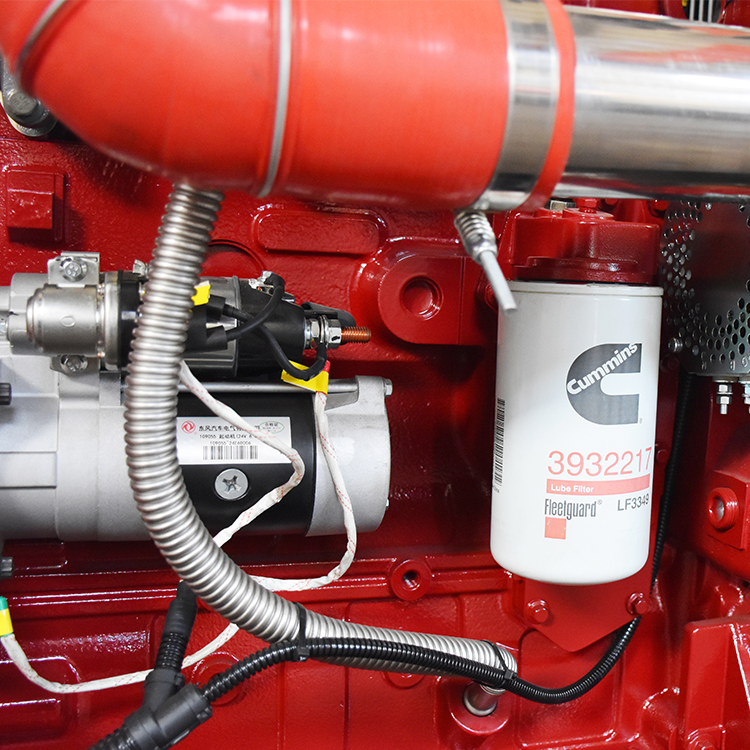
Sewage treatment plants worldwide are increasingly recognizing the transformative potential of integrating renewable energy solutions into their operations. Among these sustainable technologies, a biogas generator stands out as a particularly compelling option that can revolutionize both environmental impact and operational economics. Modern wastewater treatment facilities produce substantial amounts of organic waste that, when properly harnessed through anaerobic digestion, can power a biogas generator to create clean electricity and heat. This innovative approach not only reduces dependency on traditional grid electricity but also transforms what was once considered waste into a valuable energy resource. The implementation of a biogas generator system represents a strategic investment that aligns with global sustainability goals while delivering measurable cost savings and environmental benefits.
Environmental Impact and Sustainability Benefits
Greenhouse Gas Reduction Through Methane Capture
The environmental advantages of incorporating a biogas generator into sewage treatment operations extend far beyond simple energy production. Methane, a greenhouse gas approximately 25 times more potent than carbon dioxide, naturally occurs during the decomposition of organic matter in wastewater treatment processes. Without proper capture and utilization, this methane typically escapes into the atmosphere, contributing significantly to climate change. A properly designed biogas generator system effectively captures this methane and converts it into useful energy, preventing its release and transforming it into a valuable resource. This process alone can reduce a treatment plant's carbon footprint by substantial margins, often achieving reductions of 30-50% in overall greenhouse gas emissions.
Furthermore, the implementation of biogas generator technology supports circular economy principles by creating a closed-loop system where waste becomes an input for energy production. This approach eliminates the need for external fossil fuel consumption for many operational requirements, further reducing the facility's environmental impact. The captured biogas can power various plant operations, including pumps, blowers, and lighting systems, creating a self-sustaining energy ecosystem that minimizes reliance on external power sources.
Waste Volume Reduction and Resource Recovery
Beyond methane capture, a biogas generator system facilitates significant waste volume reduction through the anaerobic digestion process. The biological breakdown of organic matter not only produces methane for energy generation but also substantially reduces the volume of solids requiring disposal. This reduction can reach 40-60% of the original waste volume, translating directly into lower disposal costs and reduced environmental impact from waste transportation and landfill usage. The digestate remaining after the biogas generator process often serves as a valuable soil amendment rich in nutrients, creating additional revenue streams for treatment facilities.
The resource recovery aspect extends beyond simple volume reduction to include the extraction of valuable compounds from wastewater streams. Modern biogas generator systems can be integrated with advanced processing equipment to recover phosphorus, nitrogen, and other nutrients that would otherwise be lost in traditional treatment methods. These recovered materials can be processed into commercial fertilizers or soil conditioners, further enhancing the economic viability of the biogas generator investment while contributing to sustainable resource management practices.
Economic Advantages and Cost Optimization
Energy Cost Reduction and Revenue Generation
The financial benefits of implementing a biogas generator system in sewage treatment plants are both immediate and long-term. Energy costs typically represent 25-40% of a treatment plant's operational expenses, making energy independence a critical factor in overall facility economics. A well-designed biogas generator can provide 60-100% of a plant's electrical needs, depending on the organic load and system efficiency. This dramatic reduction in purchased electricity translates into substantial annual savings that often justify the initial investment within 5-8 years. Additionally, many regions offer feed-in tariffs or renewable energy certificates for biogas-generated electricity, creating additional revenue streams beyond simple cost avoidance.
The economic advantages extend to operational efficiency improvements as well. A biogas generator system provides stable, predictable energy costs that are insulated from volatile utility rates and fuel price fluctuations. This stability enables more accurate long-term budgeting and financial planning while protecting the facility from unexpected energy cost increases. Moreover, the heat generated as a byproduct of the biogas generator can be utilized for process heating, building climate control, or sludge drying operations, further maximizing the economic return on investment.
Maintenance Cost Optimization and System Reliability
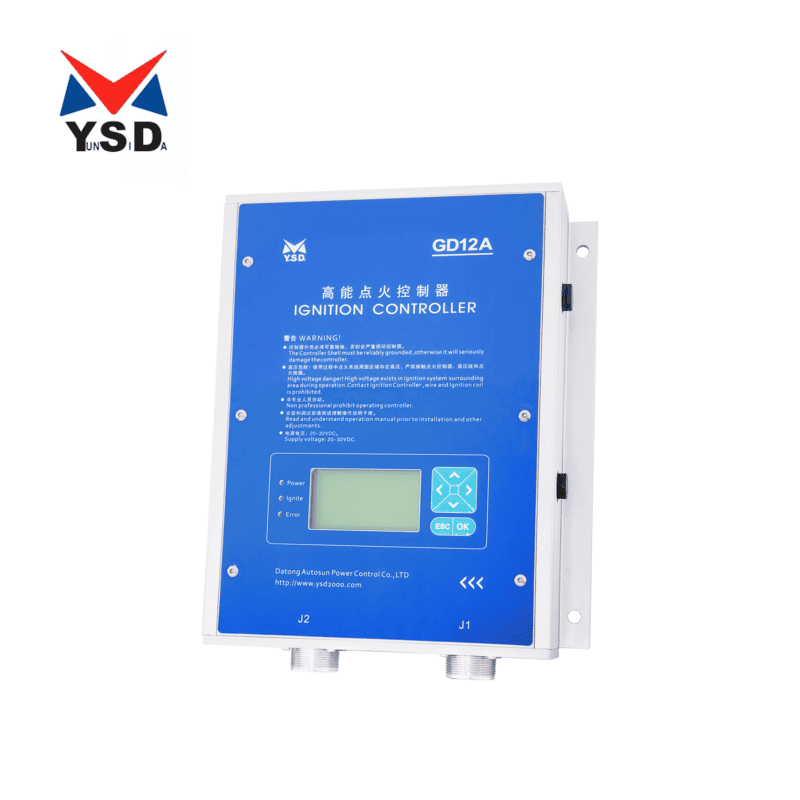
Modern biogas generator technology has evolved to offer exceptional reliability and relatively low maintenance requirements when properly implemented and operated. The integration of advanced control systems, including sophisticated ignition controllers and monitoring equipment, ensures optimal performance while minimizing the need for frequent interventions. These control systems continuously monitor gas quality, engine parameters, and electrical output, automatically adjusting operations to maintain peak efficiency and prevent costly breakdowns. The result is a biogas generator system that can operate continuously for thousands of hours between scheduled maintenance intervals.
The long-term maintenance costs associated with a biogas generator are typically offset by the elimination of other operational expenses, such as waste disposal fees and purchased energy costs. Additionally, the predictable nature of biogas generator maintenance allows for proactive scheduling and bulk purchasing of replacement parts, further reducing overall maintenance expenses. Many facilities report that their biogas generator systems require no more maintenance than conventional backup generators while providing continuous operational benefits.
Technical Considerations and Implementation Strategies
System Sizing and Capacity Planning
Proper sizing of a biogas generator system requires careful analysis of the treatment plant's organic load, gas production potential, and energy consumption patterns. The biogas generator capacity must be matched to the available feedstock to ensure consistent operation without oversizing equipment that would operate inefficiently. Professional assessment typically involves analyzing historical wastewater flow data, organic content measurements, and existing energy usage patterns to determine the optimal biogas generator configuration. This analysis should also account for seasonal variations in waste composition and volume that could affect gas production rates throughout the year.
The technical specifications of the biogas generator must also consider the quality and composition of the produced biogas. Wastewater-derived biogas typically contains 55-70% methane, with the remainder consisting of carbon dioxide, hydrogen sulfide, and trace compounds. The biogas generator must be equipped with appropriate gas conditioning equipment to remove harmful contaminants that could damage engine components or reduce efficiency. This preprocessing ensures optimal performance and extends the operational life of the biogas generator while maintaining consistent power output quality.
Integration with Existing Infrastructure
Successful implementation of a biogas generator system requires careful integration with existing treatment plant infrastructure and operations. The electrical output from the biogas generator must be synchronized with plant electrical systems, often requiring upgrades to switchgear, control panels, and monitoring equipment. Modern biogas generator installations typically include sophisticated paralleling equipment that allows seamless operation alongside grid electricity, providing backup power capabilities and enabling load sharing during peak demand periods.
The physical installation of a biogas generator system also requires consideration of safety systems, ventilation requirements, and noise control measures. Proper ventilation ensures safe operation by preventing gas accumulation, while noise control measures maintain compliance with local regulations and minimize impact on surrounding communities. The biogas generator installation should include comprehensive safety systems, including gas detection, automatic shutdown capabilities, and emergency ventilation systems to ensure safe operation under all conditions.
Regulatory Compliance and Safety Standards
Environmental Regulations and Permitting
The implementation of a biogas generator system at sewage treatment facilities must comply with numerous environmental regulations and permitting requirements. These regulations typically address air emissions, noise levels, and safety standards that vary by jurisdiction but generally follow established guidelines for renewable energy installations. The biogas generator must meet strict emissions standards for nitrogen oxides, carbon monoxide, and particulate matter, often requiring specialized emission control equipment to ensure compliance. Additionally, facilities may need to obtain specific permits for biogas production, storage, and utilization that address safety concerns related to methane handling and combustion.
Environmental compliance extends beyond emissions to include waste management protocols and reporting requirements. The biogas generator operation must be integrated into the facility's existing environmental management system, with regular monitoring and reporting of system performance, emissions levels, and waste reduction achievements. Many jurisdictions offer streamlined permitting processes for biogas generator installations at wastewater treatment facilities, recognizing the environmental benefits and encouraging adoption of these sustainable technologies.
Safety Protocols and Risk Management
Safety considerations for biogas generator installations encompass both the handling of combustible gases and the operation of electrical generation equipment. Comprehensive safety protocols must address gas leak detection, fire suppression, and emergency shutdown procedures to protect both personnel and equipment. The biogas generator installation should include automated safety systems that continuously monitor gas concentrations, equipment temperatures, and operational parameters, with immediate shutdown capabilities if dangerous conditions are detected.
Risk management strategies for biogas generator operations include regular safety training for personnel, routine equipment inspections, and emergency response planning. Staff must be trained in proper gas handling procedures, emergency shutdown protocols, and basic maintenance tasks to ensure safe and efficient operation. The biogas generator system should be designed with redundant safety features and fail-safe mechanisms that prevent dangerous conditions even in the event of equipment failures or power outages.
Future Trends and Technology Developments
Advanced Control Systems and Automation
The future of biogas generator technology lies in increasingly sophisticated control systems and automation capabilities that optimize performance while minimizing operational requirements. Advanced biogas generator systems now incorporate artificial intelligence and machine learning algorithms that continuously optimize combustion parameters, predict maintenance needs, and automatically adjust operations based on changing feedstock characteristics. These intelligent systems can maximize energy output while extending equipment life through predictive maintenance scheduling and real-time performance optimization.
Integration with smart grid technologies represents another significant advancement in biogas generator applications. Modern systems can communicate with utility grid management systems to provide demand response capabilities, automatically adjusting output based on grid conditions and electricity pricing signals. This integration allows treatment plants to maximize revenue from their biogas generator operations while contributing to grid stability and supporting the broader transition to renewable energy sources.
Enhanced Efficiency and Performance Improvements
Ongoing technological developments continue to improve the efficiency and performance of biogas generator systems through advanced engine designs, improved gas conditioning technologies, and enhanced heat recovery systems. Next-generation biogas generator engines achieve higher electrical efficiencies while producing lower emissions, making them even more attractive for wastewater treatment applications. Additionally, advances in gas cleaning and conditioning technologies allow biogas generator systems to operate effectively with lower-quality feedstocks while maintaining high performance and reliability.
The integration of energy storage systems with biogas generator installations represents an emerging trend that further enhances the value proposition for treatment plants. Battery storage systems can store excess electricity generated during low-demand periods for use during peak consumption times, maximizing the economic benefits of the biogas generator while providing additional grid stability services. These hybrid systems offer unprecedented flexibility in energy management while maximizing the return on investment for biogas generator installations.
FAQ
What is the typical payback period for a biogas generator at a sewage treatment plant?
The payback period for a biogas generator installation typically ranges from 5 to 8 years, depending on local energy costs, available incentives, and the size of the system. Facilities with higher energy costs or substantial organic waste loads often see shorter payback periods, sometimes as low as 3-4 years. The calculation should include not only energy cost savings but also reduced waste disposal costs, potential revenue from renewable energy certificates, and any available government incentives for renewable energy projects.
How much maintenance does a biogas generator require compared to traditional backup generators?
Modern biogas generator systems require similar maintenance levels to traditional natural gas generators, with scheduled maintenance typically occurring every 8,000 to 12,000 operating hours. The main difference is that biogas generator systems operate continuously rather than just during emergencies, so maintenance scheduling becomes more predictable and can be planned in advance. Regular maintenance includes engine oil changes, spark plug replacement, and periodic overhauls, but the continuous operation actually helps maintain engine condition better than intermittent use.
Can existing sewage treatment plants be retrofitted with biogas generator systems?
Most existing sewage treatment plants can be successfully retrofitted with biogas generator systems, though the complexity and cost vary depending on the existing infrastructure. Plants with existing anaerobic digesters require minimal modifications, primarily involving gas collection and conditioning equipment plus the biogas generator installation. Facilities without digesters require more extensive modifications, including the addition of digester tanks and associated equipment, but these retrofits are still economically viable in most cases.
What size biogas generator is appropriate for different treatment plant capacities?
The appropriate biogas generator size depends on the organic loading rather than just the treatment plant capacity, but general guidelines suggest that plants treating 1-5 million gallons per day can typically support generators in the 100-500 kW range. Larger facilities processing 10+ million gallons daily may justify biogas generator installations of 1 MW or more. The key is conducting a detailed feasibility study that analyzes organic content, gas production potential, and energy consumption patterns to determine the optimal biogas generator size for each specific application.
Table of Contents
- Environmental Impact and Sustainability Benefits
- Economic Advantages and Cost Optimization
- Technical Considerations and Implementation Strategies
- Regulatory Compliance and Safety Standards
- Future Trends and Technology Developments
-
FAQ
- What is the typical payback period for a biogas generator at a sewage treatment plant?
- How much maintenance does a biogas generator require compared to traditional backup generators?
- Can existing sewage treatment plants be retrofitted with biogas generator systems?
- What size biogas generator is appropriate for different treatment plant capacities?