
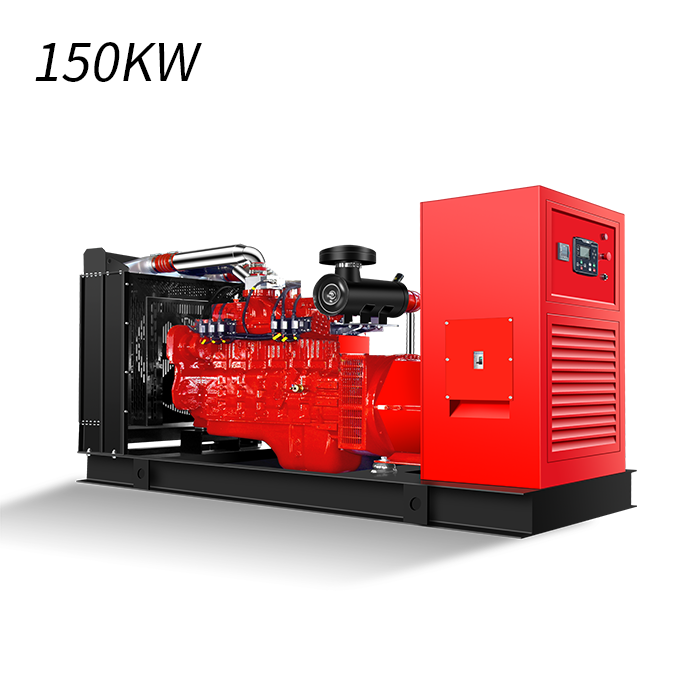
The global shift toward sustainable energy solutions has intensified the demand for cleaner power generation technologies. A gas generator set represents one of the most effective approaches to achieving both energy efficiency and reduced environmental impact in industrial and commercial applications. These advanced power systems utilize natural gas, biogas, or other gaseous fuels to produce electricity while maintaining significantly lower emissions compared to traditional diesel or heavy fuel oil generators. Modern gas generator set technology incorporates sophisticated engine management systems that optimize fuel consumption and minimize waste heat, making them ideal for organizations seeking to reduce their carbon footprint without compromising power reliability.
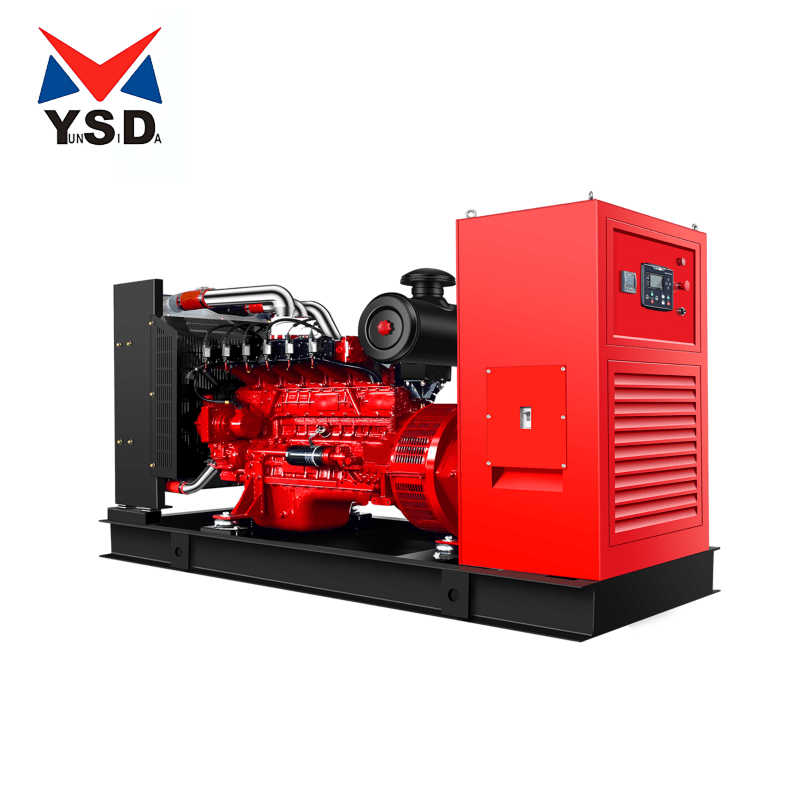
The implementation of gas-powered generation systems has gained substantial momentum across various sectors, driven by increasingly stringent environmental regulations and rising energy costs. A typical gas generator set operates at higher thermal efficiency rates than conventional diesel units, often achieving efficiency levels exceeding 40% in combined heat and power configurations. This enhanced performance translates directly into reduced fuel consumption and lower operational expenses over the system's lifecycle. Additionally, the cleaner combustion characteristics of gaseous fuels result in dramatically reduced particulate matter, nitrogen oxides, and sulfur dioxide emissions, supporting corporate sustainability initiatives and regulatory compliance requirements.
Energy professionals and facility managers increasingly recognize that investing in gas generator set technology represents a strategic approach to long-term cost management while addressing environmental stewardship responsibilities. The versatility of these systems allows for seamless integration into existing electrical infrastructure, whether serving as primary power sources, backup systems, or peak shaving solutions. Advanced control systems enable precise load management and automatic synchronization with utility grids, ensuring optimal performance across varying operational demands while maintaining the environmental benefits that make gas generation an attractive alternative to traditional power sources.
Environmental Benefits of Gas-Powered Generation Systems
Reduced Carbon Emissions and Air Quality Improvement
The environmental advantages of implementing a gas generator set extend far beyond simple fuel substitution, encompassing comprehensive emissions reductions that contribute to improved air quality and climate change mitigation efforts. Natural gas combustion produces approximately 50% fewer carbon dioxide emissions per unit of energy generated compared to coal-fired power plants and roughly 30% fewer emissions than oil-based generation systems. This significant reduction in greenhouse gas output makes gas generator set installations valuable components of corporate carbon reduction strategies and regional air quality improvement initiatives.
Advanced combustion technologies incorporated in modern gas generator set designs further enhance environmental performance through optimized air-fuel mixing and precise ignition timing control. These engineering improvements result in more complete combustion processes that minimize the formation of harmful byproducts such as carbon monoxide and unburned hydrocarbons. Many contemporary systems achieve nitrogen oxide emission levels well below regulatory thresholds through the implementation of lean-burn combustion strategies and selective catalytic reduction systems when required for particularly stringent environmental standards.
Waste Heat Recovery and Overall Efficiency Enhancement
The thermal efficiency advantages of gas generator set technology become particularly pronounced when combined heat and power applications are considered. These systems capture and utilize waste heat that would otherwise be lost to the atmosphere, achieving overall system efficiencies approaching 80% in optimal configurations. The recovered thermal energy can support space heating, water heating, absorption cooling, or industrial process heating requirements, effectively multiplying the environmental benefits by displacing additional fossil fuel consumption that would otherwise be necessary to meet these thermal loads.
Sophisticated heat recovery systems integrated with gas generator set installations utilize exhaust gas heat exchangers and engine coolant heat recovery circuits to extract maximum value from the fuel energy input. This comprehensive approach to energy utilization represents a fundamental shift from traditional power generation paradigms that typically waste substantial amounts of thermal energy. The environmental impact reduction achieved through such integrated systems often exceeds 60% compared to separate generation of electricity and thermal energy using conventional technologies.
Energy Efficiency Advantages and Cost Optimization
Superior Fuel Economy and Operating Cost Reduction
The operational economics of a gas generator set consistently demonstrate superior performance characteristics compared to alternative power generation technologies across various application scenarios. Natural gas pricing stability, combined with the higher thermal efficiency of gas engines, results in significantly lower fuel costs per kilowatt-hour generated. This economic advantage becomes particularly pronounced during periods of volatile diesel fuel pricing, when gas generator set operations can achieve fuel cost savings exceeding 40% compared to diesel-powered alternatives while maintaining equivalent power output and reliability standards.
Extended maintenance intervals and reduced wear characteristics associated with gas engine operation contribute additional cost advantages beyond direct fuel savings. The cleaner combustion properties of gaseous fuels result in reduced engine deposits and contamination, extending oil change intervals and reducing the frequency of major overhaul requirements. A properly maintained gas generator set typically achieves 25% longer operational periods between major maintenance events compared to diesel units operating under similar conditions, translating into reduced maintenance costs and improved equipment availability for critical applications.
Load Following Capabilities and Grid Integration Benefits
Modern gas generator set systems incorporate advanced digital control systems that enable precise load following and seamless grid integration capabilities essential for maximizing energy efficiency in contemporary power systems. These intelligent control platforms continuously monitor electrical demand patterns and adjust generator output to match load requirements with minimal fuel waste, achieving part-load efficiency levels that often exceed 90% of full-load efficiency ratings. Such sophisticated control capabilities enable gas generator set installations to serve as valuable grid stabilization resources while minimizing fuel consumption during periods of variable demand.
The rapid response characteristics inherent in gas generator set technology make these systems particularly well-suited for peak shaving applications that reduce facility electricity costs while supporting grid stability. Advanced systems can transition from standby to full power output in less than 10 seconds, enabling effective demand charge management and utility peak load reduction programs. This operational flexibility allows facilities to optimize their energy costs by utilizing gas generator set power during high-cost utility rate periods while maintaining grid connection during off-peak hours when utility rates are more favorable.
Technology Integration and Smart Grid Applications
Advanced Control Systems and Monitoring Capabilities
Contemporary gas generator set installations integrate sophisticated digital control and monitoring systems that optimize performance while providing comprehensive operational data for energy management purposes. These advanced platforms incorporate real-time fuel flow monitoring, emissions measurement, and efficiency calculation capabilities that enable facility managers to track environmental performance and identify optimization opportunities. Integrated communication protocols allow gas generator set systems to participate in demand response programs and automated load management strategies that maximize both economic and environmental benefits.
Remote monitoring capabilities embedded in modern gas generator set control systems provide continuous oversight of system performance parameters including fuel consumption rates, emission levels, and thermal efficiency metrics. This comprehensive data collection enables predictive maintenance strategies that optimize equipment availability while minimizing operational costs. Advanced analytics platforms can identify performance trends and recommend operational adjustments that maintain peak efficiency levels throughout the system lifecycle, ensuring sustained environmental benefits and cost optimization.
Renewable Energy Integration and Hybrid System Applications
The complementary characteristics of gas generator set technology make these systems ideal partners for renewable energy installations requiring reliable backup power or load balancing capabilities. Solar and wind power installations benefit significantly from the rapid response and load following capabilities of gas generator set systems, which can quickly compensate for renewable energy fluctuations while maintaining overall system efficiency. This hybrid approach maximizes renewable energy utilization while ensuring power quality and reliability standards are maintained through clean, efficient gas generation backup.
Biogas applications represent particularly compelling opportunities for gas generator set integration, enabling facilities to convert organic waste streams into clean electrical energy while achieving carbon neutrality or even carbon-negative operations. Agricultural operations, wastewater treatment facilities, and food processing plants can utilize anaerobic digestion systems to produce biogas fuel for gas generator set operations, creating closed-loop energy systems that minimize environmental impact while reducing operational costs. These integrated applications demonstrate the versatility and environmental benefits possible through innovative gas generator set deployment strategies.
Industrial Applications and Sector-Specific Benefits
Manufacturing and Process Industries Implementation
Manufacturing facilities have increasingly adopted gas generator set technology as a cornerstone of their energy efficiency and emissions reduction strategies, particularly in industries where process heating requirements align well with combined heat and power applications. Chemical processing, food and beverage production, and pharmaceutical manufacturing operations benefit from the reliable electrical output and valuable thermal energy recovery possible through integrated gas generator set installations. These applications typically achieve overall energy efficiency levels exceeding 75% while reducing facility carbon emissions by 40% or more compared to conventional separated utility and thermal energy systems.
The power quality characteristics of modern gas generator set systems meet the stringent requirements of sensitive manufacturing processes while providing the environmental benefits essential for corporate sustainability reporting and regulatory compliance. Advanced power conditioning systems integrated with gas generator set installations ensure stable voltage and frequency output that protects critical production equipment while maintaining the clean emissions profile that supports environmental management system requirements. This combination of technical performance and environmental stewardship makes gas generator set technology particularly attractive for manufacturing operations seeking to optimize both productivity and sustainability metrics.
Commercial and Institutional Facility Applications
Healthcare facilities, educational institutions, and large commercial buildings represent significant opportunities for gas generator set implementation, where the dual requirements of reliable emergency power and ongoing energy cost management create compelling economic and environmental incentives. Hospitals and medical centers particularly benefit from the clean emissions characteristics of gas generator set technology, which support indoor air quality requirements while providing the reliable backup power essential for critical care operations. The quiet operation characteristics of modern gas generator set systems make them suitable for installation in urban environments where noise restrictions might limit other generator technologies.
District cooling and heating applications in commercial developments increasingly utilize gas generator set technology as the foundation for efficient energy systems that serve multiple buildings while minimizing environmental impact. These community-scale applications leverage the economies of scale possible with larger gas generator set installations while distributing both electrical and thermal energy to reduce overall system costs and emissions. The modular nature of gas generator set technology enables phased development approaches that match system capacity growth with community expansion while maintaining optimal efficiency levels throughout the development lifecycle.
Maintenance Optimization and Lifecycle Management
Preventive Maintenance Strategies for Maximum Efficiency
Effective maintenance management represents a critical factor in sustaining the energy efficiency and emissions reduction benefits provided by gas generator set installations throughout their operational lifecycle. Comprehensive preventive maintenance programs specifically designed for gas engine applications incorporate regular inspection and adjustment of fuel system components, ignition systems, and air intake systems that directly influence combustion efficiency and emissions performance. Properly maintained gas generator set systems consistently achieve design efficiency levels while maintaining emissions compliance over extended operational periods, typically 15-20 years with appropriate care.
Advanced diagnostic systems integrated into contemporary gas generator set designs provide continuous monitoring of key performance indicators including fuel consumption efficiency, exhaust emissions levels, and thermal performance metrics. These systems enable condition-based maintenance strategies that optimize maintenance timing based on actual equipment condition rather than arbitrary time intervals, resulting in reduced maintenance costs and improved equipment availability. Regular calibration of control systems and emissions monitoring equipment ensures that gas generator set installations continue to deliver maximum environmental benefits while meeting regulatory requirements throughout their service life.
Performance Monitoring and Optimization Techniques
Comprehensive performance monitoring systems enable facility managers to track and optimize the environmental and economic benefits provided by gas generator set installations through detailed analysis of operational data and efficiency metrics. Modern monitoring platforms provide real-time feedback on fuel consumption rates, electrical output efficiency, thermal energy recovery performance, and emissions levels that enable immediate identification of optimization opportunities. Regular performance analysis helps identify trends that might indicate developing maintenance requirements or operational adjustments needed to maintain peak efficiency levels.
Benchmarking gas generator set performance against manufacturer specifications and industry standards provides valuable insights for optimization efforts while supporting environmental reporting requirements and sustainability program documentation. Advanced analytics tools can correlate operational parameters with environmental conditions, load patterns, and maintenance activities to identify best practices that maximize both efficiency and emissions reduction benefits. This data-driven approach to gas generator set management ensures sustained environmental benefits while optimizing operational costs and equipment reliability over the system lifecycle.
Future Trends and Emerging Technologies
Advanced Engine Technologies and Efficiency Improvements
Emerging developments in gas generator set engine technology promise significant improvements in both efficiency and emissions performance through innovations in combustion system design, fuel injection systems, and exhaust aftertreatment technologies. Next-generation gas engines incorporate advanced fuel injection strategies and combustion chamber designs that achieve even higher thermal efficiency levels while reducing emissions below current standards. These technological advances enable gas generator set installations to provide even greater environmental benefits while maintaining the reliability and cost-effectiveness that make them attractive alternatives to conventional power generation systems.
Research and development efforts focused on gas generator set technology continue to explore opportunities for integration with emerging fuels including hydrogen blends and synthetic natural gas produced from renewable sources. These fuel flexibility improvements will enable gas generator set systems to support even deeper emissions reductions as renewable fuel sources become more widely available. Advanced engine management systems being developed for future gas generator set applications will automatically adjust operational parameters to optimize performance across various fuel compositions while maintaining emissions compliance and efficiency standards.
Digital Integration and Smart Energy Management
The integration of artificial intelligence and machine learning technologies into gas generator set control systems represents a significant opportunity for enhanced optimization of energy efficiency and emissions performance. Smart control platforms can analyze historical operational data, weather patterns, and facility load profiles to predict optimal operating strategies that minimize fuel consumption while maintaining power quality and reliability requirements. These advanced systems enable gas generator set installations to participate more effectively in smart grid applications and demand response programs that provide additional economic and environmental benefits.
Future gas generator set systems will incorporate enhanced connectivity and interoperability features that enable seamless integration with building energy management systems, renewable energy installations, and utility grid management platforms. This increased integration capability will allow gas generator set technology to serve as a key component of comprehensive energy systems that optimize overall facility efficiency while supporting grid stability and renewable energy integration objectives. The evolution of gas generator set technology toward greater intelligence and connectivity ensures that these systems will continue to provide valuable environmental and economic benefits as energy markets and regulatory requirements continue to evolve.
FAQ
What are the primary environmental advantages of using a gas generator set compared to diesel generators
Gas generator set systems provide substantial environmental benefits including 50% lower carbon dioxide emissions, virtually no sulfur dioxide emissions, and significantly reduced particulate matter output compared to diesel generators. The cleaner combustion characteristics of natural gas result in minimal air quality impact while supporting corporate sustainability goals and regulatory compliance requirements. Additionally, gas generator set installations often achieve higher thermal efficiency levels, further reducing overall environmental impact per unit of energy generated.
How does the fuel cost of operating a gas generator set compare to other generator types
Gas generator set operations typically achieve 30-40% lower fuel costs compared to diesel generators due to the combination of more stable natural gas pricing and higher thermal efficiency of gas engines. The superior fuel economy of gas generator set systems becomes particularly advantageous during periods of volatile liquid fuel pricing, while extended maintenance intervals associated with cleaner gas combustion provide additional cost savings over the equipment lifecycle.
Can a gas generator set integrate with renewable energy systems effectively
Yes, gas generator set technology serves as an excellent complement to renewable energy installations due to its rapid response capabilities and load following characteristics. These systems can quickly compensate for solar and wind power fluctuations while maintaining clean emissions profiles, making them ideal for hybrid renewable energy applications. Biogas applications offer particularly compelling opportunities for carbon-neutral or carbon-negative operations when organic waste streams are converted to fuel for gas generator set systems.
What maintenance requirements are necessary to sustain gas generator set efficiency and emissions performance
Maintaining optimal gas generator set performance requires regular inspection and adjustment of fuel system components, ignition systems, and air intake systems that directly influence combustion efficiency. Comprehensive preventive maintenance programs typically extend major overhaul intervals by 25% compared to diesel systems due to the cleaner combustion characteristics of gaseous fuels. Advanced diagnostic systems enable condition-based maintenance strategies that optimize maintenance timing while ensuring sustained emissions compliance and efficiency performance throughout the system lifecycle.
Table of Contents
- Environmental Benefits of Gas-Powered Generation Systems
- Energy Efficiency Advantages and Cost Optimization
- Technology Integration and Smart Grid Applications
- Industrial Applications and Sector-Specific Benefits
- Maintenance Optimization and Lifecycle Management
- Future Trends and Emerging Technologies
-
FAQ
- What are the primary environmental advantages of using a gas generator set compared to diesel generators
- How does the fuel cost of operating a gas generator set compare to other generator types
- Can a gas generator set integrate with renewable energy systems effectively
- What maintenance requirements are necessary to sustain gas generator set efficiency and emissions performance