
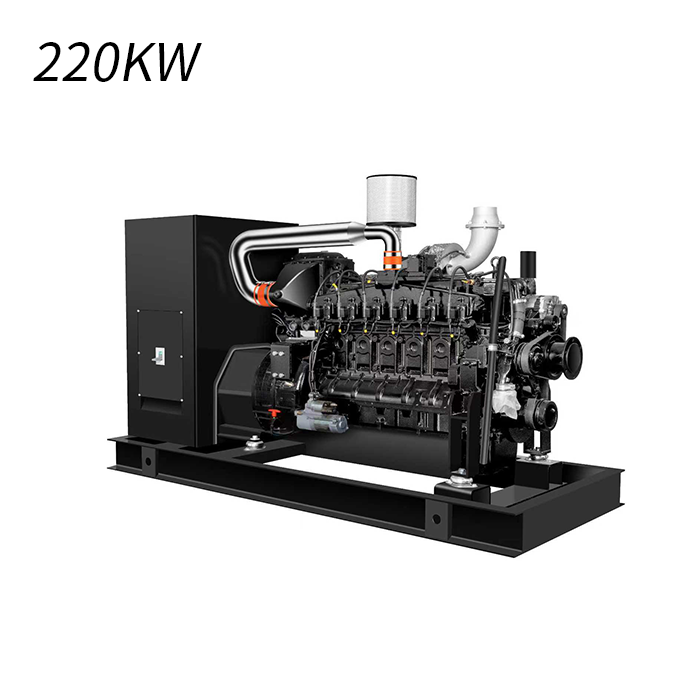
Industrial operations require reliable and efficient power solutions to maintain continuous productivity and ensure operational success. A gas generator set represents one of the most versatile and environmentally conscious power generation options available for modern industrial facilities. These advanced power systems offer numerous advantages over traditional diesel generators, including reduced emissions, lower operating costs, and enhanced fuel flexibility. When selecting the right power generation equipment for your industrial application, understanding the key considerations will help you make an informed decision that aligns with your operational requirements and long-term business objectives.
Power Requirements and Load Analysis
Determining Your Electrical Load Capacity
The foundation of selecting an appropriate gas generator set begins with conducting a comprehensive electrical load analysis of your industrial facility. This process involves calculating both the continuous power requirements and peak demand periods to ensure adequate capacity. Industrial facilities typically experience varying load patterns throughout different operational cycles, making it essential to identify the maximum simultaneous demand. Consider all electrical equipment, machinery, lighting systems, and HVAC requirements when determining your total power needs.
Peak load calculations should include starting currents for large motors and equipment that may create temporary power surges. A properly sized gas generator set must accommodate these transient loads without compromising system stability or causing voltage fluctuations. Professional load studies can provide detailed insights into your facility's power consumption patterns and help identify opportunities for load management strategies that optimize generator efficiency.
Standby vs Continuous Power Applications
Understanding the difference between standby and continuous power applications significantly influences your gas generator set selection process. Standby power systems are designed to operate during utility outages or emergency situations, typically running for limited durations. These applications allow for higher power ratings since the generator operates intermittently with adequate cooling periods between uses.
Continuous power applications require generators to operate for extended periods, sometimes 24/7, necessitating more conservative power ratings and enhanced cooling systems. Industrial facilities with critical processes that cannot tolerate power interruptions often require continuous-rated gas generator set units. The duty cycle significantly impacts component selection, maintenance requirements, and overall system design considerations.
Fuel Type Selection and Availability
Natural Gas Infrastructure Considerations
Natural gas represents the most common fuel choice for industrial gas generator set installations due to its widespread availability and pipeline infrastructure. Evaluating your facility's proximity to natural gas lines and the reliability of local gas supply networks is crucial for ensuring consistent generator operation. Natural gas offers several advantages, including clean combustion characteristics, reduced maintenance requirements, and typically lower fuel costs compared to liquid fuels.
Gas pressure requirements vary depending on the specific generator design and capacity. Most industrial gas generator set units require gas pressures between 5 and 50 psig for optimal performance. Facilities located in areas with low gas pressure may require additional compression equipment or pressure regulation systems to meet generator specifications. Understanding local gas utility regulations and interconnection requirements helps avoid potential installation delays and compliance issues.
Alternative Gas Fuel Options
Beyond natural gas, several alternative fuel options expand the versatility of gas generator set applications in industrial settings. Propane and liquefied petroleum gas (LPG) provide excellent alternatives for facilities without access to natural gas pipelines. These fuels offer consistent quality and can be stored on-site in appropriately sized tanks, providing fuel security during supply disruptions.
Biogas and landfill gas represent increasingly popular renewable fuel options for environmentally conscious industrial operations. These applications often require specialized fuel conditioning equipment to remove impurities and ensure consistent gas quality. The variable composition of biogas necessitates careful consideration of generator fuel system design and maintenance protocols to achieve reliable long-term operation.
Environmental and Emissions Considerations
Regulatory Compliance Requirements
Environmental regulations significantly impact gas generator set selection and installation processes in industrial applications. Federal, state, and local emission standards dictate allowable pollutant levels and may require specific emission control technologies. The Environmental Protection Agency (EPA) and state environmental agencies establish emission limits for nitrogen oxides (NOx), carbon monoxide (CO), and other pollutants based on generator size and application type.
Permitting requirements vary by location and generator capacity, with larger installations typically requiring more extensive documentation and environmental impact assessments. Some jurisdictions mandate periodic emissions testing and reporting to ensure ongoing compliance with applicable regulations. Understanding these requirements early in the selection process helps avoid costly modifications or operational restrictions after installation.
Emission Control Technologies
Modern gas generator set designs incorporate various emission control technologies to meet stringent environmental standards while maintaining operational efficiency. Selective catalytic reduction (SCR) systems reduce NOx emissions by injecting urea-based solutions into the exhaust stream. These systems are particularly effective for large industrial generators operating in areas with strict emission limits.
Three-way catalysts provide effective control of multiple pollutants simultaneously, including NOx, CO, and unburned hydrocarbons. The effectiveness of catalytic systems depends on maintaining proper air-fuel ratios and operating temperatures. Regular maintenance and monitoring ensure optimal catalyst performance and compliance with emission standards throughout the generator's operational life.
Installation and Infrastructure Requirements
Site Preparation and Foundation Design
Proper site preparation forms the foundation for successful gas generator set installation and long-term performance. Industrial generators require level, reinforced concrete pads designed to support the equipment weight and withstand operational vibrations. Foundation design must consider local soil conditions, seismic requirements, and drainage provisions to prevent water accumulation around the generator.
Adequate clearances around the generator ensure proper ventilation and maintenance access while meeting code requirements for fire safety. Most installations require minimum clearances of 3-5 feet on all sides, with additional space for routine maintenance activities. Consider future expansion possibilities when determining site layout and infrastructure requirements.
Electrical Integration and Switchgear
Integrating a gas generator set into existing electrical systems requires careful consideration of switchgear, protection equipment, and control systems. Automatic transfer switches enable seamless transitions between utility and generator power while protecting sensitive equipment from power quality issues. The transfer switch rating must match or exceed the generator capacity and accommodate the facility's electrical distribution voltage.
Synchronization equipment allows multiple generators to operate in parallel or connect with the utility grid for peak shaving applications. These installations require sophisticated control systems to manage load sharing, frequency regulation, and protective functions. Professional electrical engineering ensures proper system design and compliance with applicable electrical codes and standards.
Maintenance and Service Considerations
Preventive Maintenance Programs
Establishing comprehensive preventive maintenance programs maximizes gas generator set reliability and extends equipment life while minimizing unexpected failures. Regular maintenance schedules typically include daily, weekly, monthly, and annual inspection procedures covering various system components. Engine oil changes, filter replacements, and cooling system maintenance represent fundamental requirements for maintaining optimal performance.
Spark plug replacement intervals depend on operating hours and fuel quality, with typical replacement schedules ranging from 1,000 to 8,000 hours depending on the engine design. Gas fuel systems require periodic inspection of regulators, filters, and safety valves to ensure proper operation and compliance with safety standards. Maintaining detailed maintenance records helps identify trends and optimize maintenance intervals based on actual operating conditions.
Service Support and Parts Availability
Reliable service support and parts availability significantly impact the total cost of ownership and operational reliability of industrial gas generator set installations. Evaluating manufacturer service networks, response times, and technical support capabilities helps ensure prompt resolution of maintenance issues and emergency repairs. Local service provider availability reduces response times and minimizes downtime costs during critical situations.
Parts inventory management strategies balance carrying costs with availability requirements to minimize equipment downtime. Critical spare parts should be readily available either through on-site inventory or established supply agreements with local distributors. Consider manufacturer recommendations for recommended spare parts lists based on equipment criticality and operating environment.
Cost Analysis and Economic Factors
Initial Investment Considerations
The total initial investment for a gas generator set installation extends beyond the generator purchase price to include site preparation, electrical integration, fuel system installation, and commissioning costs. Comparing total installed costs provides a more accurate assessment of different generator options and helps identify the most cost-effective solution for your specific application requirements.
Financing options and lease agreements may provide alternatives to direct purchase, particularly for large industrial installations. These arrangements can preserve capital for other business investments while providing immediate access to reliable power generation capabilities. Evaluate financing terms, tax implications, and ownership benefits when considering different procurement approaches.
Operating Cost Optimization
Long-term operating costs significantly influence the economic viability of gas generator set installations in industrial applications. Fuel costs typically represent the largest operational expense, making fuel efficiency a critical selection criterion. Modern gas generator set designs incorporate advanced engine technologies and control systems that optimize fuel consumption across varying load conditions.
Maintenance costs depend on operating hours, environmental conditions, and fuel quality. Establishing realistic maintenance budgets based on manufacturer recommendations and operating experience helps avoid unexpected expenses and ensures adequate resources for proper equipment care. Consider total cost of ownership over the expected equipment life when evaluating different generator options and maintenance strategies.
FAQ
What size gas generator set do I need for my industrial facility
Determining the correct size requires a comprehensive electrical load analysis that considers both continuous power requirements and peak demand periods. Calculate the total connected load of all equipment, lighting, and systems, then add appropriate safety margins for future expansion and starting currents. Professional electrical engineers can perform detailed load studies to ensure accurate sizing and optimal performance.
How often should I perform maintenance on my gas generator set
Maintenance intervals depend on operating hours, environmental conditions, and manufacturer recommendations. Typical schedules include daily visual inspections, weekly fluid level checks, monthly system tests, and annual comprehensive inspections. High-usage installations may require more frequent maintenance, while standby units may follow calendar-based schedules regardless of operating hours.
What permits are required for installing an industrial gas generator set
Permit requirements vary by location and generator size but typically include electrical permits, building permits, and environmental permits for emission compliance. Large installations may require air quality permits, noise permits, and fuel storage permits depending on local regulations. Consult with local authorities early in the planning process to understand specific requirements and timelines for your installation.
Can a gas generator set operate in parallel with utility power
Yes, properly equipped gas generator set units can operate in parallel with utility power for peak shaving, load management, and grid support applications. These installations require sophisticated synchronization equipment, protective relaying, and utility interconnection agreements. Grid-parallel operation offers opportunities for demand charge reduction and revenue generation through utility programs while providing backup power capabilities.