
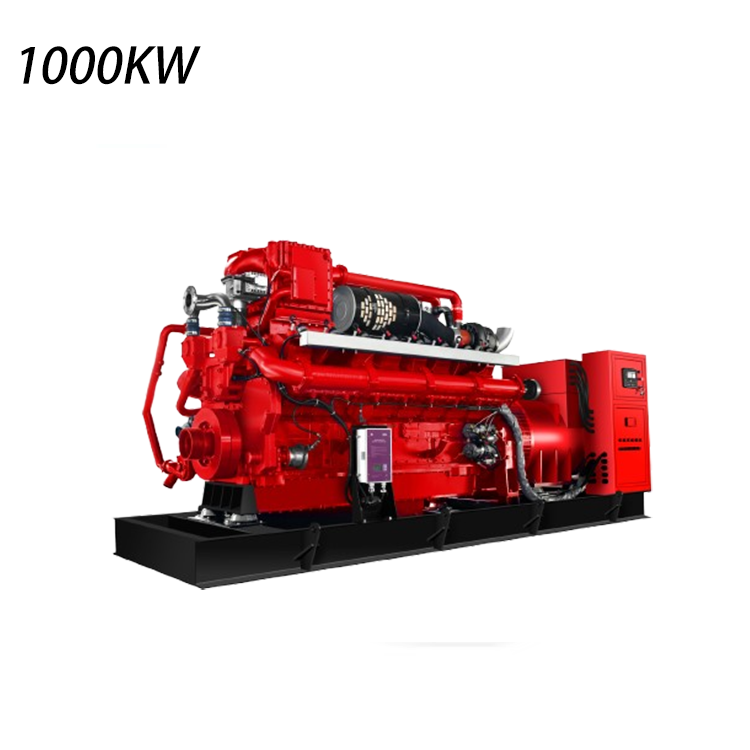
When the power grid fails during a storm, a natural disaster, or an unexpected outage, the ability to maintain critical operations depends entirely on the backup power solution you have in place. A propane generator stands out as one of the most dependable options available for both residential and commercial emergency preparedness. Unlike solutions that rely on fuel types with shorter shelf lives or more complex storage requirements, a propane generator offers a combination of fuel stability, consistent output, and operational readiness that makes it particularly well-suited for emergency scenarios.
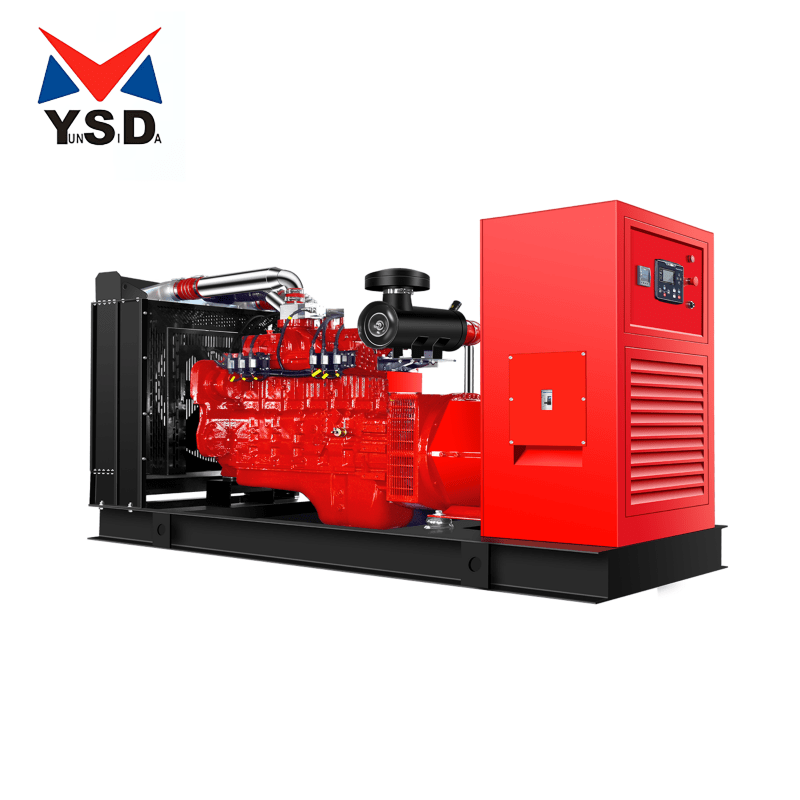
Understanding exactly how a propane generator delivers reliable emergency power requires looking at the full picture — from fuel characteristics and storage logistics to engine performance and maintenance demands. Each of these factors plays a direct role in whether your backup power system will perform when it matters most. This article breaks down the key mechanisms and practical considerations that make a propane generator a strong choice for emergency power reliability.
Fuel Stability and Long-Term Storage Advantages
Why Propane Outperforms Other Fuels in Storage
One of the most critical factors in emergency power reliability is whether your fuel will still be usable after months or years in storage. Gasoline degrades within 3 to 6 months without stabilizers, and diesel can develop microbial contamination over time. Propane, by contrast, has an indefinite shelf life when stored in a properly sealed tank. This means a propane generator can sit in standby mode for extended periods and still be ready to start on demand.
This fuel stability is not a minor convenience — it is a fundamental reliability advantage. Emergency situations are unpredictable by definition. A backup power system that depends on freshly purchased or recently rotated fuel introduces a variable that a propane generator eliminates entirely. For facilities that need to maintain readiness over long intervals without active fuel management, this characteristic is especially valuable.
Propane is stored as a liquid under moderate pressure and converts to gas as it is drawn from the tank. This phase-change process is well-understood and mechanically straightforward, contributing to the overall dependability of a propane generator system. The fuel does not absorb moisture, does not form varnish deposits in fuel lines, and does not require the same level of chemical treatment that gasoline-based systems often need.
Storage Infrastructure and Supply Resilience
A propane generator can be paired with on-site storage tanks ranging from small portable cylinders to large stationary vessels holding hundreds or thousands of gallons. This flexibility allows users to scale their fuel reserves to match their expected runtime requirements during an emergency. A facility that needs 72 hours of continuous power can calculate and pre-position the exact fuel volume needed without relying on supply chains that may be disrupted during a crisis.
During major emergencies, fuel stations often run out of gasoline quickly, and delivery logistics for diesel can be severely disrupted. Propane supply networks, while not immune to disruption, benefit from a distributed infrastructure of regional suppliers and bulk delivery services. Pre-filling a large stationary tank before storm season or other anticipated risk periods is a straightforward strategy that significantly improves the resilience of a propane generator setup.
Engine Performance and Operational Consistency
Clean Combustion and Engine Longevity
A propane generator burns fuel more cleanly than gasoline or diesel equivalents. Propane combustion produces fewer carbon deposits, which means internal engine components experience less fouling over time. This cleaner burn translates directly into more consistent performance during extended emergency operation and a longer overall engine service life. For a backup power system that may need to run continuously for days, this matters considerably.
Reduced carbon buildup also means that a propane generator requires less frequent maintenance interventions such as carburetor cleaning, spark plug replacement, and fuel system servicing. In an emergency context, the ability to run a generator for extended periods without requiring technical intervention is a practical advantage that operators and facility managers genuinely appreciate. Fewer maintenance interruptions mean more consistent power delivery when it is needed most.
The combustion characteristics of propane also contribute to smoother engine operation. Propane has a high octane rating, which supports stable ignition and reduces engine knock. This contributes to quieter operation and more predictable power output, both of which are important in environments where the generator must run near occupied spaces or sensitive equipment.
Cold Weather Starting Reliability
Emergency power needs do not follow seasonal schedules. Winter storms, ice events, and cold-weather infrastructure failures are among the most common triggers for extended power outages. A propane generator performs reliably in cold temperatures because propane vaporizes at approximately -44 degrees Celsius, well below the temperatures encountered in most operational environments. This means the fuel transitions from liquid to gas and reaches the engine effectively even in freezing conditions.
Diesel generators, by comparison, can experience fuel gelling in cold weather, and gasoline generators may struggle with cold starts due to fuel volatility issues. A propane generator avoids these cold-weather vulnerabilities, making it a more dependable choice for regions that experience harsh winters or for applications where the generator must start reliably regardless of ambient temperature.
Safety Profile in Emergency Deployment
Reduced Fire and Spill Risk
Emergency situations often involve compromised infrastructure, damaged buildings, and elevated risk environments. In these contexts, the safety profile of your fuel source becomes a meaningful operational consideration. Propane is stored in sealed pressurized tanks, which eliminates the spill risk associated with liquid fuels. There is no scenario where a propane tank tips over and creates a fuel spill that could ignite or contaminate the surrounding area.
A propane generator system also benefits from the fact that propane vapor is heavier than air and will dissipate at ground level in open or ventilated spaces. While any fuel requires careful handling, the sealed storage format of propane reduces the number of potential failure points compared to open-container liquid fuel systems. For emergency deployments in damaged or partially compromised facilities, this characteristic adds a meaningful layer of operational safety.
Emissions and Indoor Proximity Considerations
A propane generator produces lower levels of carbon monoxide and particulate emissions compared to gasoline generators of equivalent output. While no generator should be operated indoors without proper ventilation, the lower emission profile of a propane generator provides a slightly wider margin of safety in semi-enclosed or partially ventilated emergency deployment scenarios. This is relevant for applications such as backup power in warehouses, loading docks, or temporary shelters where ventilation may be limited.
Regulatory compliance is also easier to manage with a propane generator in many jurisdictions. Propane combustion meets emissions standards more readily than diesel in certain regions, which can simplify permitting for standby generator installations at commercial and industrial facilities. This is a practical consideration for organizations that need to formalize their emergency power infrastructure.
Sizing and Integration for Emergency Power Systems
Matching Generator Capacity to Emergency Load Requirements
Reliable emergency power begins with correctly sizing the propane generator to the intended load. Undersized units will struggle under load, potentially causing voltage instability or automatic shutdowns at the worst possible moment. Oversized units waste fuel and may operate inefficiently at low load levels. A proper load analysis should account for essential circuits, motor starting loads, and any equipment with high inrush current demands.
For residential emergency use, a propane generator in the 7 to 20 kilowatt range typically covers essential loads including lighting, refrigeration, heating systems, and communication equipment. Commercial and industrial applications may require significantly larger units, and the modular nature of propane fuel storage makes it straightforward to scale fuel reserves alongside generator capacity. The key is to define the emergency load profile clearly before selecting the generator specification.
Automatic transfer switches are a critical integration component for any standby propane generator installation. These devices detect grid failure and automatically connect the generator to the facility's electrical system within seconds, eliminating the need for manual intervention during an emergency. When paired with a properly sized propane generator and adequate fuel reserves, an automatic transfer switch creates a seamless backup power system that activates without human action.
Maintenance Scheduling to Preserve Emergency Readiness
A propane generator that is not maintained will not perform reliably in an emergency, regardless of its fuel advantages. Regular maintenance intervals should include oil changes, air filter inspection, spark plug checks, battery testing for electric start systems, and periodic load testing under actual operating conditions. Many facilities schedule monthly or quarterly test runs to verify that the generator starts, transfers load, and runs stably under realistic conditions.
Because a propane generator burns cleaner fuel, some maintenance intervals can be extended compared to gasoline equivalents, but this should not be interpreted as a reason to defer maintenance entirely. The goal is to ensure that every component of the system — engine, fuel system, electrical connections, and transfer switch — is in verified working condition before an emergency occurs. A documented maintenance log also supports insurance compliance and regulatory requirements for standby power systems.
FAQ
How long can a propane generator run continuously during an emergency?
The runtime of a propane generator depends on the tank size and the load being powered. A 500-gallon propane tank can typically power a mid-sized residential or light commercial propane generator for several days of continuous operation. Larger industrial tanks extend this significantly. The key advantage is that fuel reserves can be pre-positioned and calculated in advance, giving operators precise control over their emergency runtime capacity.
Is a propane generator suitable for both home and commercial emergency use?
Yes. A propane generator is available in a wide range of output capacities, from compact portable units suitable for residential backup power to large industrial-grade systems capable of supporting commercial facilities, data centers, and manufacturing operations. The fuel storage infrastructure scales accordingly, making a propane generator a flexible solution across different application scales and emergency power requirements.
Does a propane generator require special installation or permits?
Stationary propane generator installations typically require permits for both the generator itself and the propane storage tank, depending on local regulations. Tank placement must comply with setback requirements from buildings and property lines. A licensed electrician should handle the transfer switch and electrical integration. While the permitting process adds a step to the installation, it is a standard procedure that most qualified contractors handle routinely.
How does a propane generator compare in reliability to a natural gas generator?
Both fuel types offer clean combustion and good storage stability, but a propane generator has a key advantage in emergency scenarios: it uses on-site stored fuel that is not dependent on utility infrastructure. Natural gas generators rely on the municipal gas supply, which can be interrupted during major disasters. A propane generator with a dedicated on-site tank maintains fuel independence, which is a critical reliability factor when grid and utility infrastructure is compromised.