
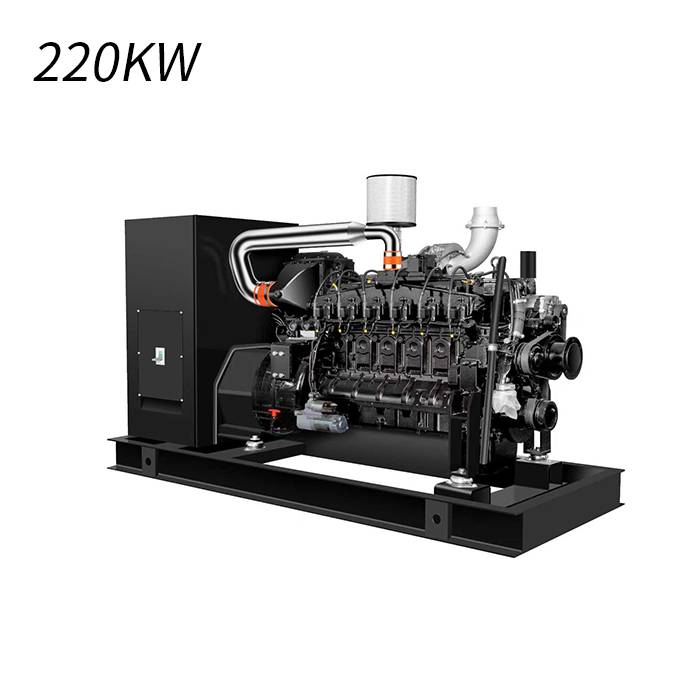
Choosing the right lpg generator set is a decision that carries significant weight for businesses, facilities, and industrial operations that depend on reliable power. Whether the application involves standby power at a commercial site, primary generation in an off-grid location, or continuous power supply in a manufacturing environment, the factors that drive selection are numerous and interconnected. Making the right choice requires more than simply comparing price tags — it demands a structured understanding of performance criteria, fuel dynamics, site conditions, and long-term operational costs.
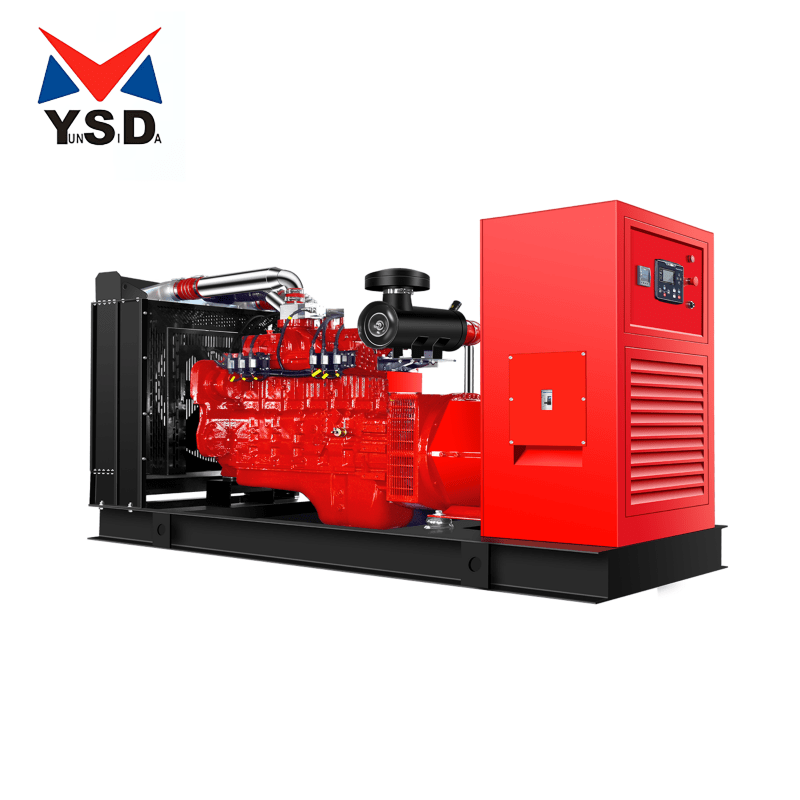
An lpg generator set operates on liquefied petroleum gas, a fuel source that offers distinct advantages over diesel or gasoline in terms of emissions, storage flexibility, and fuel stability. However, these advantages are only fully realized when the generator is selected with a clear understanding of the specific operating environment and load requirements. This article walks through the most critical selection factors so that buyers, facility managers, and procurement professionals can make an informed, confident decision.
Power Output and Load Requirements
Matching Rated Capacity to Actual Demand
The most fundamental factor when evaluating an lpg generator set is its rated power output relative to your actual load demand. Undersizing a generator leads to overloading, which causes thermal stress, accelerated wear, and potentially catastrophic failure. Oversizing, on the other hand, leads to inefficient fuel consumption and unnecessary capital expenditure. The starting point must always be a thorough load assessment that identifies both running watts and peak surge demand.
For commercial and industrial applications, the load profile is rarely flat. Motors, compressors, and HVAC systems draw significantly higher current at startup than during steady operation. A properly sized lpg generator set must be capable of handling these inrush currents without voltage sag or frequency instability. Engineers often recommend sizing the generator at 20 to 25 percent above the calculated continuous load to accommodate transient peaks without compromising performance.
It is equally important to distinguish between standby and prime power ratings. A standby-rated lpg generator set is designed for intermittent use during grid outages and cannot sustain full-load operation indefinitely. A prime-rated unit, by contrast, is engineered for continuous or near-continuous service. Selecting the wrong rating class for the intended duty cycle is one of the most common and costly mistakes in generator procurement.
Voltage and Frequency Specifications
Voltage output and frequency compatibility are non-negotiable parameters when selecting an lpg generator set. The unit must match the electrical infrastructure of the facility, whether that means single-phase or three-phase output, 50 Hz or 60 Hz frequency, and the appropriate voltage level for the connected loads. Mismatched specifications require costly transformers or frequency converters and can introduce reliability risks.
Voltage regulation quality is also a critical consideration, particularly for sensitive electronic equipment. A high-quality lpg generator set should maintain voltage within tight tolerances under varying load conditions. Automatic voltage regulators integrated into the alternator design help ensure stable output even during load transitions, protecting connected equipment from power quality issues.
Fuel System Design and LPG Compatibility
Carburetor and Fuel Injection System
The fuel delivery system of an lpg generator set directly influences efficiency, emissions, and ease of starting. Older carburetor-based systems are simpler and less expensive but are more susceptible to air-fuel ratio drift under varying temperature and altitude conditions. Electronic fuel injection systems offer more precise fuel metering, leading to better combustion efficiency, lower emissions, and more consistent performance across a wider range of operating environments.
For sites where ambient temperatures fluctuate significantly or where the generator operates at elevation, an electronically controlled fuel system is particularly advantageous. It continuously adjusts the fuel delivery to maintain optimal combustion, which extends engine life and reduces maintenance intervals. When evaluating an lpg generator set, buyers should examine whether the fuel system is calibrated specifically for LPG rather than adapted from a diesel or gasoline platform.
LPG Storage and Supply Infrastructure
The performance of an lpg generator set depends heavily on a stable and adequate fuel supply. LPG is stored under pressure in cylinders or bulk tanks, and the vaporization rate of liquid LPG must keep pace with the generator's fuel consumption at full load. In cold climates, vaporization rates can drop significantly, potentially starving the engine of sufficient gas pressure. This makes tank sizing, regulator selection, and sometimes the addition of vaporizers critical infrastructure decisions.
Bulk LPG storage is generally preferred for continuous or prime power applications, as cylinder manifolds require frequent changeovers and introduce the risk of supply interruption. When planning an lpg generator set installation, the fuel system design should be treated as an integrated engineering challenge, not an afterthought. Adequate storage capacity, appropriate pressure regulators, and compliant piping are all part of ensuring reliable operation over the equipment's full service life.
Dual-fuel capability is another feature available on some lpg generator set models, allowing the unit to switch between LPG and natural gas or even operate on both simultaneously. This flexibility can be highly valuable in markets where fuel availability is variable or where a facility wants to optimize fuel cost by blending sources.
Engine Quality and Performance Characteristics
Engine Origin and Engineering Standards
The engine is the heart of any lpg generator set, and its design philosophy, manufacturing standards, and long-term reliability record must be scrutinized carefully. Industrial-grade engines engineered specifically for stationary generator applications differ significantly from engines adapted from automotive or light-duty commercial vehicle platforms. Stationary generator engines are designed for sustained operation at a narrow RPM band, which requires different valve timing, lubrication system design, and thermal management compared to variable-speed automotive applications.
LPG combustion characteristics differ from gasoline and diesel in that it burns cleaner but also requires careful management of ignition timing. Engines optimized for LPG typically feature higher compression ratios and tuned ignition curves that take advantage of LPG's higher octane rating. An lpg generator set built around an engine purpose-designed for gaseous fuel will generally outperform one that has simply had a gasoline engine fitted with an LPG conversion kit.
Cooling System and Thermal Management
Thermal management has a direct impact on the long-term reliability of an lpg generator set. Air-cooled engines are simpler and require less maintenance but are limited in terms of output capacity and are more sensitive to high ambient temperatures. Liquid-cooled engines are standard for higher-output units and offer better temperature stability, longer service intervals, and greater durability in demanding environments.
The radiator sizing, coolant type, and fan design all contribute to how effectively the engine sheds heat under full-load conditions. For indoor or semi-enclosed installations, the cooling air flow path must be carefully designed to prevent hot air recirculation, which can rapidly degrade performance and shorten engine life. A thorough thermal analysis of the installation environment is an often-overlooked but essential step in lpg generator set selection and deployment.
Enclosure, Noise, and Installation Considerations
Acoustic Performance and Enclosure Design
Noise output is increasingly a critical selection criterion for an lpg generator set, particularly in urban commercial environments, residential developments, hospitals, and data centers. Sound levels are typically expressed in decibels at a standard measuring distance, and regulations in many jurisdictions impose strict limits on stationary generator noise. A silent or super-silent enclosure reduces acoustic output through a combination of sound-absorbing internal lining, anti-vibration mounts, and baffled exhaust and ventilation systems.
When reviewing specifications, buyers should note whether the stated noise level applies to the generator at rated load or at a reduced load, as performance under full load is more representative of real-world operation. The enclosure material, door seal quality, and access panel design also affect long-term acoustic performance, particularly as the unit ages and gaskets compress or degrade. An lpg generator set with a well-engineered enclosure will maintain low noise levels over many years of service.
Physical Footprint and Site Compatibility
The physical dimensions and weight of an lpg generator set determine feasibility for a given installation site. Roof-mounted applications, basement installations, and containerized deployments all impose different constraints on unit dimensions, access requirements, and structural loading. Before finalizing a generator selection, the site plan should be reviewed to confirm adequate clearance for service access, ventilation, fuel connection, and exhaust routing.
Anti-vibration mounting systems are important for protecting both the generator and the building structure. Flexible exhaust connections and spring-mounted base frames reduce the transmission of mechanical vibration into the structure, extending equipment life and minimizing disturbance to occupants. An lpg generator set installed without proper vibration isolation may develop structural fatigue issues over time and generate nuisance noise even when the acoustic enclosure is performing correctly.
Control Systems, Monitoring, and Safety Features
Advanced Control and Automation Capabilities
Modern industrial applications demand more than simple start-stop functionality from an lpg generator set. Sophisticated digital control panels provide real-time monitoring of engine parameters such as coolant temperature, oil pressure, fuel consumption, voltage output, and load percentage. These systems log operational data that supports predictive maintenance scheduling and rapid fault diagnosis, reducing unplanned downtime and extending service intervals.
Remote monitoring capability has become an important feature for multi-site operators and facilities with limited on-site technical staff. An lpg generator set equipped with remote telemetry allows facility managers to monitor status, receive fault alarms, and in some cases initiate or terminate operation from a central location or mobile device. This capability adds significant operational value in applications where the generator provides critical standby power and any failure must be identified and addressed immediately.
Safety Systems and Compliance
Given that LPG is a flammable gas under pressure, safety systems integrated into the lpg generator set are not optional — they are essential. Automatic shutdown on gas leak detection, low oil pressure, high coolant temperature, and overcurrent conditions are baseline safety requirements for any credible unit. Installations in enclosed spaces must also incorporate gas detection systems linked to ventilation and emergency shutdown protocols.
Regulatory compliance is another dimension of safety that procurement teams must address. Depending on the market, an lpg generator set may need to meet specific emissions standards, electrical safety certifications, and pressure equipment directives related to the fuel system. Verifying that the unit carries the appropriate certifications before purchase avoids costly retrofitting and regulatory complications after installation.
FAQ
What is the typical fuel consumption of an lpg generator set compared to a diesel unit?
An lpg generator set generally consumes more fuel by volume than a diesel generator producing the same power output, because LPG has a lower energy density per liter than diesel. However, LPG is often priced competitively on an energy-equivalent basis, and the lower maintenance costs and cleaner combustion of an lpg generator set can offset any fuel cost difference over the equipment's lifecycle. Actual consumption figures vary by engine efficiency, load factor, and operating altitude.
Can an lpg generator set be used for continuous prime power applications?
Yes, an lpg generator set rated for prime power duty is fully capable of serving as a continuous primary power source. The key is to ensure the unit carries a prime power rating rather than a standby rating, and that the fuel supply infrastructure is designed to sustain uninterrupted gas delivery at the required consumption rate. Regular maintenance intervals must also be adhered to strictly when operating any lpg generator set at continuous load.
How does altitude affect the performance of an lpg generator set?
High altitude reduces air density, which means less oxygen is available per unit volume of intake air. This directly reduces the combustion efficiency and power output of an lpg generator set. Naturally aspirated engines experience a power derating of approximately 3 to 4 percent per 300 meters of elevation above sea level. Turbocharged engines are less affected by altitude because the turbocharger compresses incoming air to compensate for reduced ambient density. Buyers selecting an lpg generator set for high-altitude installations should confirm the derating factor with the manufacturer and size the unit accordingly.
What maintenance requirements are specific to an lpg generator set?
While an lpg generator set generally requires less maintenance than a diesel unit due to cleaner fuel combustion, it still demands regular attention. Key maintenance tasks include spark plug inspection and replacement, ignition system checks, fuel pressure regulator servicing, air filter cleaning, oil and filter changes, and inspection of LPG hoses and connections for leaks or deterioration. The gas fuel system components, including regulators and mixers, should be serviced according to the manufacturer's schedule to ensure safe and efficient operation over the full service life of the unit.