
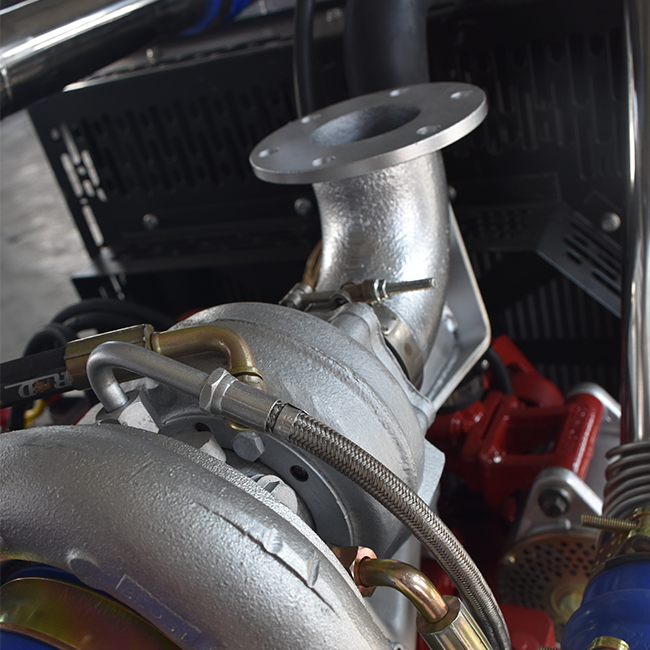
As industries and businesses worldwide seek cleaner alternatives to diesel and heavy fuel oil, the cng generator set has emerged as one of the most practical and forward-looking power solutions available today. Compressed natural gas offers a combustion profile that is fundamentally different from liquid fuels, producing fewer particulates, lower carbon monoxide emissions, and significantly reduced sulfur output. For facility managers, project engineers, and energy procurement teams, understanding how this technology delivers both environmental and operational benefits is essential to making informed infrastructure decisions.
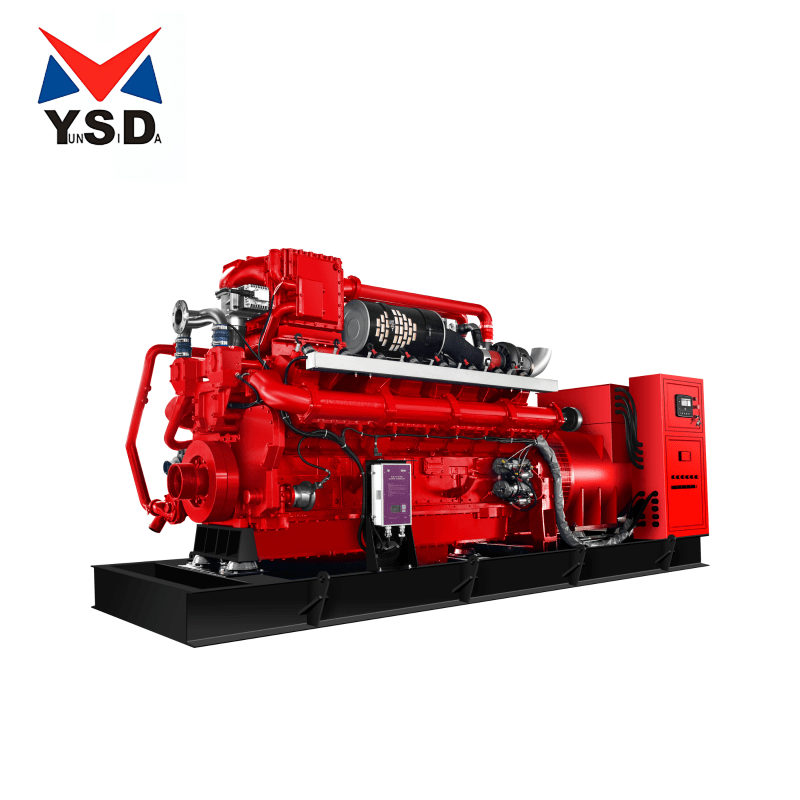
A cng generator set operates by converting the chemical energy stored in compressed natural gas into electrical power through an internal combustion engine coupled to an alternator. The process is well-established, but modern engineering has refined it to a level where output stability, fuel efficiency, and emissions control work together rather than in tension. This article examines the mechanisms behind clean combustion, the reliability architecture of a cng generator set, and the practical conditions under which this technology performs at its best.
The Clean Combustion Mechanism of a CNG Generator Set
Why Compressed Natural Gas Burns Cleaner
The cleanliness of a cng generator set begins at the molecular level. Compressed natural gas is composed predominantly of methane, a simple hydrocarbon with a high hydrogen-to-carbon ratio. When methane combusts completely, the primary byproducts are carbon dioxide and water vapor, with minimal formation of soot, unburned hydrocarbons, or sulfur compounds. This stands in sharp contrast to diesel combustion, which involves longer-chain hydrocarbons that are more prone to incomplete burning and particulate formation.
Because natural gas enters the engine in a gaseous state rather than as a liquid spray, it mixes more uniformly with air inside the combustion chamber. This homogeneous mixture promotes more complete combustion across the entire fuel charge, reducing the likelihood of localized rich zones where soot and carbon monoxide are generated. The result is a cng generator set that consistently meets stringent emissions standards without requiring the complex after-treatment systems often needed for diesel engines.
Sulfur content in compressed natural gas is extremely low compared to diesel fuel, which means sulfur dioxide emissions from a cng generator set are negligible. This matters not only for air quality compliance but also for engine longevity, since sulfur compounds are a primary contributor to acidic deposits that degrade engine oil and corrode internal components over time.
Emissions Performance in Real Operating Conditions
Laboratory emissions figures are useful benchmarks, but the real test of a cng generator set is how it performs under variable load conditions in actual installations. Modern gas engines used in cng generator set configurations are equipped with closed-loop lambda control systems that continuously monitor the air-fuel ratio and adjust injection timing to maintain optimal combustion across the load range. This active management ensures that emissions remain low whether the generator is running at 30% load during off-peak hours or at full rated capacity during peak demand.
Nitrogen oxide emissions, which are a concern with any high-temperature combustion process, are managed in a cng generator set through lean-burn combustion strategies or exhaust gas recirculation, depending on the engine design. Lean-burn engines operate with excess air, which lowers peak combustion temperatures and suppresses NOx formation. This approach allows a cng generator set to achieve low NOx output without sacrificing thermal efficiency, making it suitable for installations in urban areas or near sensitive environments where air quality regulations are strict.
Reliability Architecture and Power Stability
Fuel Supply Consistency and Its Impact on Output
Reliability in a cng generator set is closely tied to the consistency of the fuel supply. Compressed natural gas is delivered from storage cylinders or pipeline connections at regulated pressure, and the fuel system on a well-engineered cng generator set includes pressure regulators, filters, and solenoid valves that maintain stable gas delivery regardless of fluctuations in upstream supply pressure. This regulated delivery is one reason why a cng generator set tends to exhibit very stable voltage and frequency output compared to generators running on fuels with variable energy density.
The calorific value of compressed natural gas is highly consistent from batch to batch, unlike some liquid fuels that can vary in energy content depending on refinery source or storage conditions. This consistency means the engine control unit of a cng generator set can be calibrated with high precision, resulting in predictable power output and fuel consumption figures that align closely with rated specifications. For industrial users who need to plan energy budgets and load schedules, this predictability has real operational value.
In installations where the cng generator set is connected to a pipeline gas supply, the fuel availability is essentially continuous, eliminating the logistical challenges of diesel delivery scheduling, on-site fuel storage management, and the risk of fuel contamination or theft. This infrastructure advantage contributes directly to the overall reliability profile of the system.
Engine Design Features That Support Long-Term Reliability
The engines used in a cng generator set are typically derived from heavy-duty industrial platforms that have been adapted for gas fuel operation. Key modifications include hardened valve seats and valve guides to handle the dry lubrication characteristics of gaseous fuel, revised compression ratios optimized for the octane rating of natural gas, and ignition systems designed for the specific ignition timing requirements of methane combustion. These adaptations are not cosmetic — they directly affect how long the engine maintains its performance specifications between overhaul intervals.
Because compressed natural gas does not wash lubricating oil from cylinder walls the way liquid fuel can during cold starts, a cng generator set often demonstrates lower cylinder wear rates over its service life. This translates into extended oil change intervals, longer time between top-end overhauls, and more consistent compression ratios throughout the engine's operational life. For operators focused on total cost of ownership, these maintenance advantages are a significant part of the reliability equation.
High-end cng generator set configurations incorporate advanced control systems that monitor engine parameters in real time, including coolant temperature, oil pressure, exhaust temperature, and knock detection. These systems can adjust operating parameters automatically to protect the engine under abnormal conditions and alert operators before minor issues develop into costly failures. The integration of intelligent control technology is what separates a modern cng generator set from earlier gas generator designs that required more manual oversight.
How the Control System Enhances Performance and Safety
Real-Time Monitoring and Adaptive Control
A sophisticated control system is central to how a modern cng generator set delivers consistent performance. The engine control unit continuously processes data from multiple sensors and makes micro-adjustments to fuel injection quantity, ignition timing, and throttle position many times per second. This level of adaptive control allows the cng generator set to respond smoothly to sudden load changes, maintaining stable output frequency and voltage without the hunting or surging that can affect less sophisticated systems.
Load acceptance capability is a critical performance metric for any generator, and the control architecture of a well-designed cng generator set is specifically tuned to handle step load applications — situations where a large electrical load is connected or disconnected suddenly. The control system anticipates the transient response required and pre-positions fuel delivery and ignition timing to minimize frequency deviation during the transition. This capability is particularly important in industrial settings where large motors, compressors, or welding equipment may be switched on and off frequently.
Remote monitoring interfaces on modern cng generator set installations allow facility managers to track performance data, receive fault alerts, and review historical operating logs without being physically present at the generator. This connectivity supports predictive maintenance strategies, where trends in operating data — such as gradual increases in exhaust temperature or changes in fuel consumption per kilowatt-hour — can signal developing issues before they cause unplanned downtime.
Safety Systems Specific to Gas-Fueled Operation
Operating a cng generator set safely requires attention to the specific hazard profile of compressed natural gas. Unlike diesel, which pools as a liquid if spilled, natural gas disperses rapidly into the atmosphere when released, which can create flammable concentrations if ventilation is inadequate. A properly engineered cng generator set installation includes gas detection sensors positioned at strategic points around the enclosure, automatic fuel shutoff valves that activate if a leak is detected, and ventilation systems designed to prevent gas accumulation.
The fuel system components on a cng generator set — including high-pressure hoses, fittings, regulators, and solenoid valves — are rated and certified for compressed gas service and are subject to regular inspection and pressure testing as part of the maintenance schedule. The control system logs any anomalies in fuel system pressure and can initiate a controlled shutdown if pressure readings fall outside acceptable parameters, protecting both the equipment and the surrounding facility.
Application Scenarios Where a CNG Generator Set Excels
Industrial and Commercial Facilities with Pipeline Access
The most straightforward application for a cng generator set is in facilities that already have access to a natural gas pipeline. Manufacturing plants, food processing facilities, hospitals, data centers, and large commercial buildings can use a cng generator set as a primary power source in combined heat and power configurations, or as a standby generator that eliminates the need for diesel fuel storage. The continuous fuel supply from the pipeline removes one of the most common failure modes of standby power systems — the discovery that the diesel tank is empty or the fuel has degraded when the generator is actually needed.
In combined heat and power applications, the thermal energy recovered from the engine cooling system and exhaust of a cng generator set can be used for space heating, process heat, or absorption cooling, raising the overall system efficiency well above what is achievable with power generation alone. This makes the cng generator set particularly attractive for facilities with year-round thermal loads, where the economics of heat recovery are most favorable.
Remote and Off-Grid Installations Using CNG Storage
Where pipeline access is not available, a cng generator set can still be deployed using on-site compressed gas storage in the form of high-pressure cylinder banks or tube trailers. This approach is common in remote industrial sites, construction projects, and temporary power installations where the logistics of diesel delivery are challenging or where emissions regulations restrict diesel generator use. The storage capacity can be sized to match the expected runtime between resupply deliveries, and the cng generator set itself requires no modification to operate from stored cylinders rather than a pipeline.
In regions where natural gas is available but grid power is unreliable, a cng generator set provides a dependable baseload or backup power source that is less vulnerable to the supply chain disruptions that can affect diesel availability during emergencies or periods of high demand. The combination of clean emissions, reliable operation, and fuel supply flexibility makes the cng generator set a versatile choice across a wide range of deployment scenarios.
FAQ
How does a cng generator set differ from a diesel generator in terms of emissions?
A cng generator set produces significantly lower particulate matter, sulfur dioxide, and carbon monoxide emissions compared to a diesel generator. This is because compressed natural gas is a cleaner-burning fuel with a simpler molecular structure and negligible sulfur content. The difference is most pronounced in particulate and sulfur emissions, where a cng generator set can achieve reductions of over 90% relative to diesel equivalents.
Can a cng generator set be used as a primary power source rather than just a backup?
Yes. A cng generator set is well-suited for continuous duty operation, particularly in combined heat and power configurations where the thermal output of the engine is also utilized. Many industrial and commercial facilities operate a cng generator set as their primary power source, drawing on the grid only as a supplement or backup. The key requirement is a reliable and adequately sized gas supply, either from a pipeline or from on-site storage.
What maintenance does a cng generator set require compared to a diesel unit?
A cng generator set generally requires similar maintenance intervals for items such as spark plug replacement, air filter service, and coolant system checks. However, because natural gas does not contaminate engine oil as readily as diesel fuel, oil change intervals can often be extended. The fuel system components — regulators, solenoid valves, and high-pressure fittings — require periodic inspection and pressure testing as part of a gas-specific maintenance protocol that has no direct equivalent in diesel generator maintenance.
Is a cng generator set suitable for use in areas with strict air quality regulations?
A cng generator set is one of the preferred choices for installations in areas with stringent air quality requirements. Its low particulate, sulfur, and NOx emissions make it easier to obtain operating permits in urban zones, near residential areas, or in regions subject to emissions trading schemes. Many regulatory frameworks explicitly recognize compressed natural gas as a lower-emission fuel category, which can simplify the permitting process for a cng generator set compared to diesel alternatives.
Table of Contents
- The Clean Combustion Mechanism of a CNG Generator Set
- Reliability Architecture and Power Stability
- How the Control System Enhances Performance and Safety
- Application Scenarios Where a CNG Generator Set Excels
-
FAQ
- How does a cng generator set differ from a diesel generator in terms of emissions?
- Can a cng generator set be used as a primary power source rather than just a backup?
- What maintenance does a cng generator set require compared to a diesel unit?
- Is a cng generator set suitable for use in areas with strict air quality regulations?