
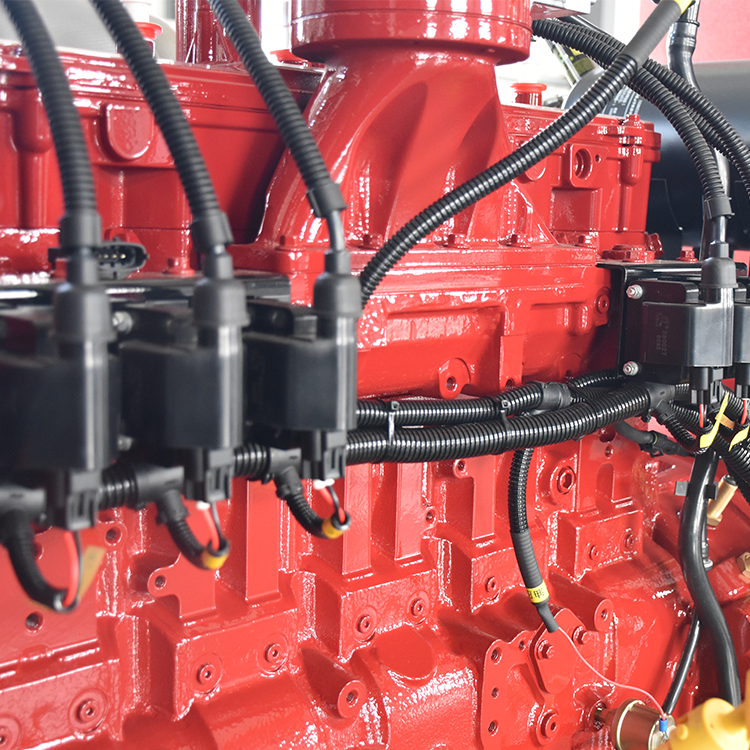
The global industrial energy landscape is undergoing a fundamental shift. As businesses face mounting pressure to reduce emissions, cut fuel costs, and maintain reliable power, the cng generator set has emerged as one of the most compelling answers to these converging demands. Compressed natural gas technology is no longer a niche alternative — it is rapidly becoming the preferred power solution for industrial facilities, manufacturing plants, and infrastructure operators worldwide.
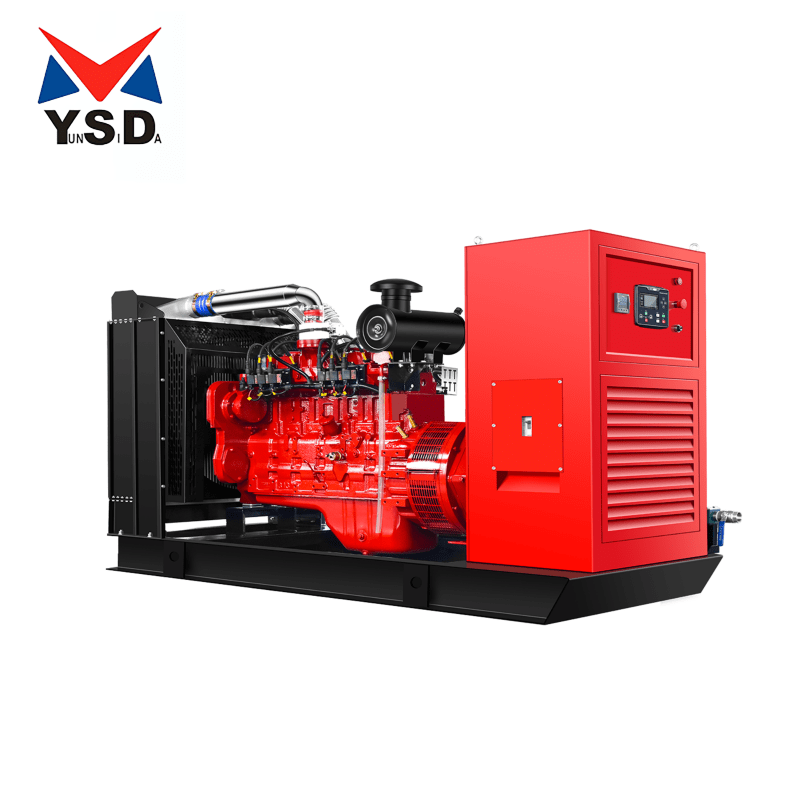
Understanding why the cng generator set represents the future of industrial power supply requires looking beyond simple fuel comparisons. It demands an honest assessment of where industrial energy is heading — toward cleaner combustion, lower total operating costs, greater fuel availability, and tighter regulatory compliance. This article examines the structural reasons why the cng generator set is positioned to lead that transition and what it means for industrial operators making long-term power infrastructure decisions today.
The Structural Drivers Behind the Rise of CNG Power
Fuel Economics That Favor Natural Gas
One of the most immediate reasons industrial operators are turning to the cng generator set is straightforward economics. Compressed natural gas consistently prices below diesel and heavy fuel oil on an energy-equivalent basis in most major markets. For facilities running generators continuously or as primary power sources, this differential translates into substantial annual savings that compound over the operational life of the equipment.
Beyond the unit price of fuel, the cng generator set benefits from more stable pricing dynamics. Natural gas markets, while not immune to volatility, tend to exhibit less dramatic price swings than crude oil derivatives. This predictability is highly valuable for industrial budget planning, where energy cost forecasting directly affects project viability and operational margins.
Storage and logistics also favor the cng generator set in many industrial contexts. Compressed natural gas can be stored on-site in high-pressure cylinders or tanks, reducing dependence on frequent fuel deliveries and the associated supply chain risks. For remote industrial sites or facilities in regions with unreliable diesel supply chains, this storage flexibility is a decisive operational advantage.
Regulatory Pressure as a Structural Tailwind
Environmental regulations governing industrial emissions are tightening across virtually every major economy. Diesel generators, long the default choice for industrial backup and prime power, are increasingly subject to restrictions on particulate matter, nitrogen oxide emissions, and carbon output. The cng generator set offers a technically sound path to compliance without sacrificing power output or reliability.
Natural gas combustion produces significantly lower levels of sulfur dioxide, particulate matter, and carbon monoxide compared to diesel. For industrial operators in jurisdictions with strict air quality standards, deploying a cng generator set is not merely an environmental preference — it is a practical compliance strategy that avoids costly retrofits, operational restrictions, or penalty exposure down the line.
As carbon pricing mechanisms expand globally, the lower carbon intensity of natural gas relative to diesel also reduces the financial burden on facilities subject to emissions trading schemes or carbon taxes. The cng generator set thus delivers regulatory value that extends well beyond simple emissions reduction into direct financial risk mitigation.
Technical Advantages That Define Industrial Suitability
Combustion Efficiency and Engine Performance
The cng generator set is engineered around the high octane rating of compressed natural gas, which enables optimized combustion timing and higher compression ratios compared to diesel equivalents. This translates into strong thermal efficiency, meaning more of the fuel's energy content is converted into usable electrical output rather than waste heat. For industrial operators focused on total energy efficiency, this characteristic is a meaningful performance differentiator.
Modern cng generator set designs incorporate advanced engine management systems that continuously optimize fuel-air mixture, ignition timing, and load response. These systems allow the generator to maintain high efficiency across a wide range of load conditions — a critical capability for industrial applications where power demand fluctuates throughout the operational cycle.
The cleaner combustion profile of natural gas also has direct implications for engine longevity. Reduced carbon deposits, lower oil contamination rates, and less acidic combustion byproducts mean that a well-maintained cng generator set typically achieves longer intervals between major overhauls compared to diesel units operating under similar load conditions. This extends asset life and reduces lifecycle maintenance expenditure.
Reliability and Operational Continuity
Industrial power supply reliability is non-negotiable. Production downtime, process interruptions, and equipment damage from power failures carry costs that far exceed the price of the generating equipment itself. The cng generator set has demonstrated strong reliability credentials across demanding industrial environments, from continuous prime power applications to critical standby roles.
When connected to a pipeline natural gas supply, the cng generator set effectively eliminates the fuel supply risk that affects diesel generators. There is no tank to run dry, no delivery schedule to manage, and no risk of fuel degradation during extended standby periods. For facilities where the generator must be ready to start instantly after months of standby, this fuel stability is a significant reliability advantage.
The cng generator set also performs consistently across a wide range of ambient temperatures. Natural gas fuel systems are less susceptible to cold-weather starting problems that can affect diesel equipment, making the cng generator set a dependable choice for industrial operations in cold climates or facilities with variable environmental conditions.
Environmental Positioning and the Clean Energy Transition
Natural Gas as a Transition Fuel with Real Industrial Value
The energy transition debate sometimes frames natural gas as merely a bridge fuel — useful today but destined for replacement. For industrial power supply, this framing misses the practical reality. The cng generator set occupies a strategically important position in the transition: it delivers immediate, measurable emissions reductions over diesel while maintaining the reliability and power density that industrial operations require.
For many industrial facilities, the choice is not between a cng generator set and a renewable energy system — it is between a cng generator set and continued diesel dependence. In that context, deploying a cng generator set represents a genuine and substantial step toward cleaner industrial power, achievable today without waiting for grid infrastructure upgrades or battery storage technology to mature further.
Furthermore, the cng generator set infrastructure is compatible with future fuel evolution. As biomethane and synthetic natural gas become more widely available, existing cng generator set installations can transition to these lower-carbon fuels with minimal modification. This forward compatibility protects the capital investment and extends the environmental value of the equipment over its full operational life.
Reducing the Industrial Carbon Footprint Practically
Industrial operators under pressure to report and reduce Scope 1 emissions — those generated directly by their own operations — find the cng generator set to be one of the most accessible tools available. Switching from diesel to a cng generator set for on-site power generation can reduce direct carbon dioxide emissions by approximately 20 to 25 percent on a per-kilowatt-hour basis, depending on the specific equipment and operating conditions.
This reduction is achievable without process redesign, without changes to production workflows, and without the operational complexity of integrating intermittent renewable sources. For industrial sustainability teams working within real operational constraints, the cng generator set offers a credible, documentable emissions reduction that can be reported to stakeholders, regulators, and customers with confidence.
The elimination of on-site diesel storage also removes associated environmental risks, including spill liability, soil contamination potential, and the regulatory burden of managing hazardous fuel inventories. The cng generator set thus contributes to a cleaner operational footprint in ways that extend beyond combustion emissions alone.
Application Scenarios Where the CNG Generator Set Excels
Prime Power for Off-Grid and Remote Industrial Sites
Remote industrial operations — mining sites, oil and gas processing facilities, agricultural processing plants, and construction projects in areas without grid access — have historically relied on diesel generators as their only viable prime power option. The cng generator set is changing this calculus wherever natural gas supply infrastructure exists or can be established.
In regions with developed natural gas distribution networks, connecting a cng generator set to the pipeline supply provides a continuous, cost-effective prime power solution that outperforms diesel on both economics and emissions. Even in locations without pipeline access, the ability to deliver compressed natural gas by cylinder trailer or on-site storage tank makes the cng generator set viable for a wider range of remote applications than was previously practical.
For industrial sites that generate their own natural gas as a byproduct — such as landfill operations, wastewater treatment facilities, or agricultural biogas producers — the cng generator set enables on-site power generation from what would otherwise be a waste stream. This application transforms a disposal challenge into an energy asset, delivering both economic and environmental value simultaneously.
Standby and Backup Power for Critical Industrial Infrastructure
Critical industrial infrastructure — data centers, pharmaceutical manufacturing, food processing, chemical plants, and hospitals — requires backup power systems that are absolutely dependable. The cng generator set meets this requirement while offering advantages over diesel in several important dimensions relevant to critical standby applications.
The long-term fuel stability of natural gas means that a cng generator set held in standby for extended periods will start and perform reliably when called upon, without the fuel degradation concerns that require periodic diesel tank maintenance and fuel treatment. This reduces the maintenance burden on standby systems and increases confidence in their availability during actual emergencies.
For facilities in urban or densely populated areas where diesel generator emissions are subject to strict operational restrictions, the cng generator set provides a compliant alternative that can be operated without triggering air quality permit violations. This regulatory flexibility is increasingly important as urban industrial facilities face tightening environmental oversight.
FAQ
How does a cng generator set differ from a standard diesel generator in terms of fuel supply?
A cng generator set uses compressed natural gas stored in high-pressure cylinders or supplied via pipeline, while a diesel generator relies on liquid fuel stored in tanks. The cng generator set eliminates fuel degradation risks during standby periods and can be connected to continuous pipeline supply, removing the need for scheduled fuel deliveries. This makes the cng generator set particularly advantageous for applications requiring long-term standby readiness or continuous prime power operation.
Is a cng generator set suitable for continuous industrial use, or only for backup power?
The cng generator set is fully suitable for continuous prime power applications and is widely deployed in industrial settings as the primary power source. Its combustion efficiency, fuel cost advantages, and lower maintenance requirements make it economically attractive for high-utilization scenarios. Many industrial operators choose the cng generator set specifically because its economics improve significantly at higher operating hours compared to diesel alternatives.
What maintenance considerations are specific to a cng generator set?
A cng generator set generally requires less frequent oil changes and produces fewer carbon deposits than diesel equipment, which can extend service intervals. However, the high-pressure fuel system components — regulators, valves, and cylinder connections — require regular inspection by qualified technicians to ensure safe operation. Operators should also ensure that gas detection systems are properly maintained, as compressed natural gas requires appropriate safety monitoring in enclosed or semi-enclosed installations.
Can an existing diesel generator installation be converted to a cng generator set?
In most cases, converting an existing diesel generator to operate on compressed natural gas requires significant engine modifications or complete engine replacement, as the combustion characteristics of natural gas differ substantially from diesel. It is generally more practical and cost-effective to install a purpose-built cng generator set rather than attempting conversion. A dedicated cng generator set is optimized from the ground up for natural gas combustion, delivering better efficiency, reliability, and longevity than a converted diesel unit.
Table of Contents
- The Structural Drivers Behind the Rise of CNG Power
- Technical Advantages That Define Industrial Suitability
- Environmental Positioning and the Clean Energy Transition
- Application Scenarios Where the CNG Generator Set Excels
-
FAQ
- How does a cng generator set differ from a standard diesel generator in terms of fuel supply?
- Is a cng generator set suitable for continuous industrial use, or only for backup power?
- What maintenance considerations are specific to a cng generator set?
- Can an existing diesel generator installation be converted to a cng generator set?