
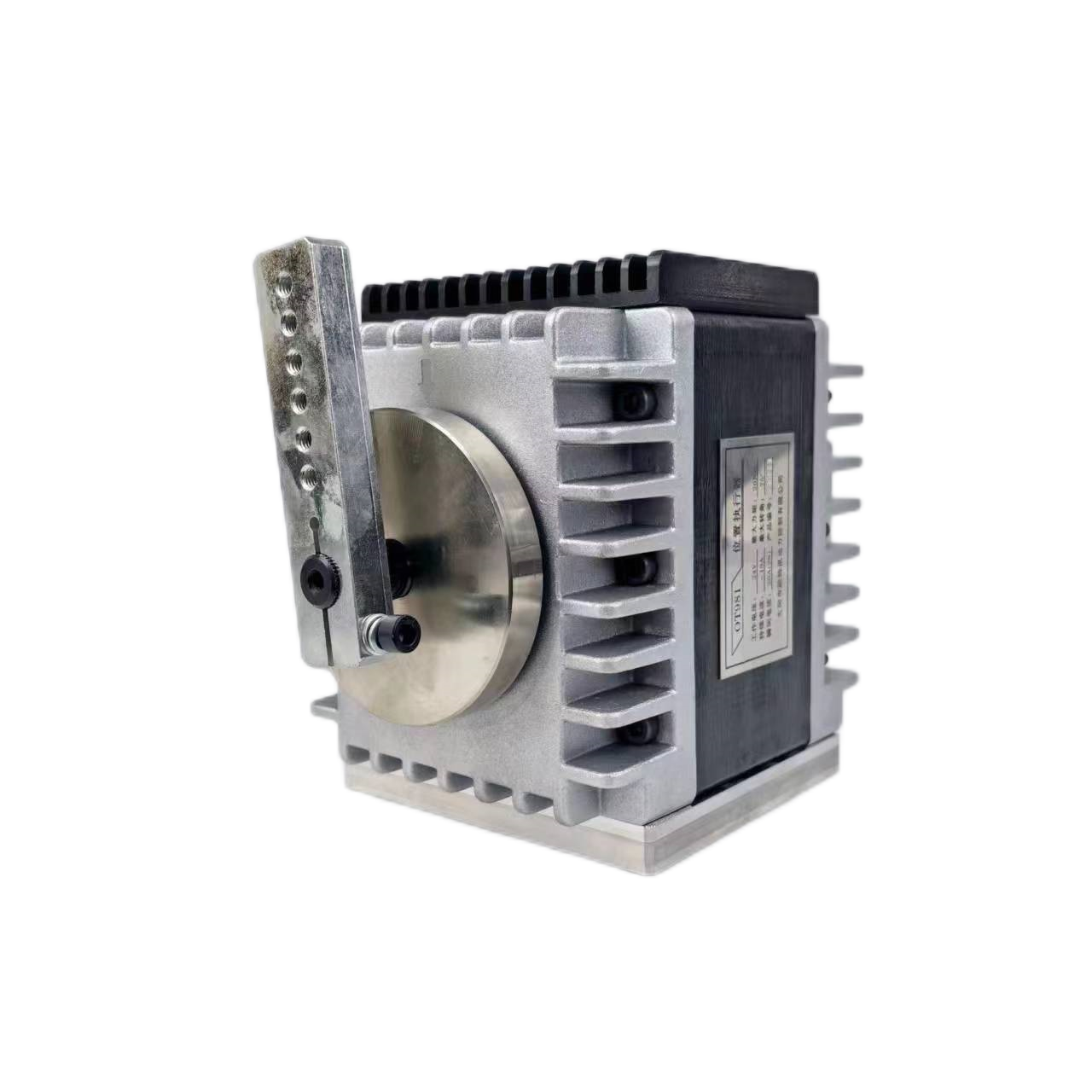
Modern generators rely heavily on sophisticated control systems to deliver optimal performance, reliability, and efficiency. An engine controller serves as the central nervous system of generator operations, managing critical functions that directly impact power output, fuel consumption, and overall system longevity. These advanced electronic devices have revolutionized how generators operate across industrial, commercial, and residential applications by providing precise control over engine parameters and automated responses to changing operational conditions.
Understanding Engine Controller Technology in Generator Systems
Core Components and Architecture
An engine controller integrates multiple electronic modules that work together to monitor and regulate generator performance. The microprocessor-based system processes inputs from various sensors throughout the engine and generator assembly, including temperature sensors, pressure transducers, speed pickups, and voltage monitoring devices. These components feed real-time data to the controller's central processing unit, which executes pre-programmed algorithms to maintain optimal operating conditions.
The controller architecture typically includes analog-to-digital converters, digital signal processors, and communication interfaces that enable integration with broader facility management systems. Modern units feature redundant safety circuits and failsafe mechanisms that ensure safe shutdown procedures when abnormal conditions are detected. This comprehensive monitoring capability allows the system to make instantaneous adjustments that human operators cannot match in speed or precision.
Communication and Integration Capabilities
Advanced engine controllers incorporate multiple communication protocols including Modbus, CAN bus, and Ethernet connectivity options. These communication features enable seamless integration with building management systems, remote monitoring platforms, and other facility equipment. The ability to share operational data and receive remote commands enhances overall system efficiency and enables predictive maintenance strategies that reduce unexpected downtime.
Integration capabilities extend beyond simple data exchange to include synchronized operation with multiple generator sets, load sharing protocols, and grid-tie functionality. This interconnectivity allows facility managers to optimize power generation across multiple units while maintaining system stability and compliance with utility requirements.
Performance Enhancement Mechanisms
Fuel Management and Efficiency Optimization
One of the most significant ways an engine controller improves generator performance is through sophisticated fuel management algorithms. The system continuously monitors engine load, ambient conditions, and operational history to optimize fuel injection timing, air-fuel mixture ratios, and combustion parameters. This dynamic adjustment capability can reduce fuel consumption by up to fifteen percent compared to mechanically controlled systems while maintaining consistent power output quality.
The controller also implements adaptive learning algorithms that analyze long-term operational patterns to refine fuel management strategies over time. This self-improving capability ensures that the generator becomes more efficient as it accumulates operational hours, rather than experiencing the performance degradation typical of purely mechanical systems.
Load Response and Power Quality Management
Electronic engine controllers excel at managing rapid load changes that can destabilize generator output. When electrical loads are suddenly applied or removed, the controller instantly adjusts throttle position, ignition timing, and other engine parameters to maintain stable frequency and voltage output. This rapid response capability prevents the voltage sags and frequency deviations that can damage sensitive electronic equipment.
Power quality management extends to harmonic distortion control, where the engine controller works in conjunction with generator voltage regulation systems to minimize electrical noise and maintain clean power output. This coordination is particularly important in applications serving computer systems, medical equipment, and other sensitive loads that require stable, high-quality electrical power.
Reliability and Maintenance Benefits
Predictive Maintenance Capabilities
Modern engine controllers continuously collect and analyze operational data to identify potential maintenance issues before they result in system failures. By monitoring parameters such as oil pressure trends, temperature patterns, vibration levels, and performance metrics, the controller can predict when components are likely to require service or replacement. This predictive capability transforms maintenance from a reactive process to a proactive strategy that maximizes equipment uptime.
The system maintains detailed historical logs of all operational events, alarm conditions, and performance metrics that maintenance technicians can analyze to optimize service intervals and identify recurring issues. This data-driven approach to maintenance planning reduces both planned and unplanned downtime while extending overall equipment life through optimal care timing.
Fault Detection and Protection Systems
Engine controllers incorporate comprehensive fault detection algorithms that monitor hundreds of operational parameters simultaneously. When abnormal conditions are detected, the system can implement graduated responses ranging from minor adjustments to complete shutdown procedures depending on the severity of the condition. This multi-layered protection approach prevents minor issues from escalating into major failures that could result in expensive repairs or extended downtime.
Advanced diagnostic capabilities include self-testing routines that verify the integrity of sensors, communication links, and control circuits on a continuous basis. This internal monitoring ensures that the protection systems themselves remain functional and can be trusted to safeguard the generator investment under all operating conditions.
Environmental and Regulatory Compliance
Emissions Control and Environmental Protection
Engine controllers play a crucial role in meeting increasingly stringent environmental regulations by optimizing combustion processes to minimize harmful emissions. The system continuously adjusts engine parameters to maintain optimal combustion efficiency while monitoring exhaust gas composition through integrated sensors. This real-time optimization ensures compliance with local and federal emission standards without sacrificing performance or reliability.
Advanced controllers can also manage exhaust after-treatment systems such as selective catalytic reduction units and diesel particulate filters. By coordinating these systems with engine operation, the controller maximizes emission reduction effectiveness while minimizing the impact on fuel consumption and maintenance requirements.
Grid Code Compliance and Utility Integration
For generators that operate in parallel with utility grids or as part of microgrid systems, engine controllers ensure compliance with complex grid codes and interconnection standards. The system manages synchronization procedures, frequency regulation, voltage control, and protective relay coordination to meet utility requirements for safe and stable grid integration.
These compliance capabilities enable generators to participate in demand response programs, peak shaving initiatives, and distributed energy resource networks that can provide additional revenue streams while supporting grid stability. The controller's ability to rapidly respond to grid signals and maintain precise operational parameters makes these advanced applications possible.
Economic Impact and Return on Investment
Operational Cost Reduction
The efficiency improvements delivered by modern engine controllers translate directly into reduced operational costs across multiple categories. Fuel savings alone can justify controller upgrades in many applications, particularly for generators with high utilization rates. Additionally, the extended maintenance intervals and reduced component wear enabled by optimized operation significantly lower long-term ownership costs.
Labor cost reductions result from automated operation capabilities that eliminate the need for constant human oversight during normal operations. Remote monitoring and diagnostic capabilities further reduce the frequency of on-site service calls, while predictive maintenance features help maintenance staff work more efficiently by focusing efforts on actual needs rather than calendar-based schedules.
Enhanced Asset Value and Longevity
Generators equipped with advanced engine controllers typically maintain higher resale values due to their superior performance capabilities and comprehensive operational documentation. The detailed maintenance history and performance data stored by the controller system provides potential buyers with confidence in the equipment's condition and remaining useful life.
The protection and optimization features inherent in controller systems also extend overall equipment life by preventing damaging operating conditions and optimizing component loading. This longevity enhancement often allows operators to defer capital replacement expenses while maintaining reliable power generation capabilities.
FAQ
What types of generators benefit most from advanced engine controllers
Advanced engine controllers provide the greatest benefits for generators that operate frequently, serve critical loads, or must meet strict performance requirements. Industrial facilities, hospitals, data centers, and commercial buildings with high uptime requirements see the most significant improvements in reliability and efficiency. Natural gas generators, diesel units above 100kW capacity, and generators used for peak shaving or grid support applications also benefit substantially from controller upgrades.
How do engine controllers integrate with existing generator systems
Modern engine controllers are designed for retrofit installation on most existing generator systems through standardized mounting configurations and wiring harnesses. The integration process typically involves connecting to existing sensors, installing additional monitoring points as needed, and configuring the controller software for the specific engine and generator combination. Most installations can be completed during scheduled maintenance periods without extensive system modifications.
What maintenance requirements do engine controllers have
Engine controllers require minimal direct maintenance beyond periodic software updates and basic cleaning of connection points. The electronic components are typically sealed and rated for harsh industrial environments. However, the sensors and wiring that connect to the controller should be inspected regularly as part of overall generator maintenance. Most controllers include self-diagnostic features that alert operators to any internal issues requiring attention.
How do engine controllers improve generator starting reliability
Engine controllers enhance starting reliability through optimized cranking sequences, pre-start system checks, and adaptive starting algorithms that adjust for ambient conditions and battery state. The system can manage multiple starting attempts with appropriate cooling periods, coordinate with battery chargers and block heaters, and provide detailed diagnostics when starting issues occur. This comprehensive starting management significantly reduces the likelihood of failed start attempts during critical situations.