
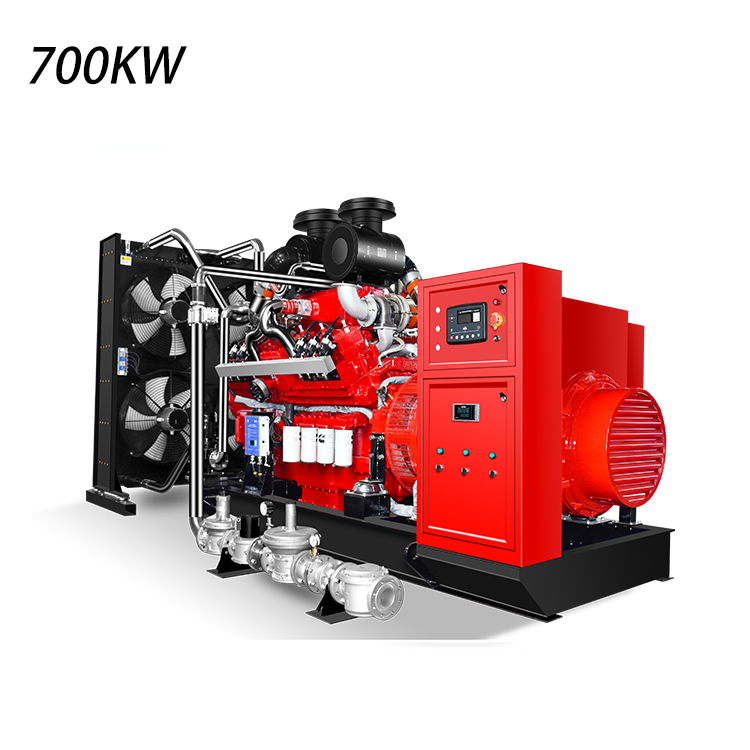
In today's world of increasing environmental awareness and rising energy costs, businesses and communities are actively seeking sustainable alternatives to traditional power generation methods. Among the most promising renewable energy technologies, biogas generators have emerged as a powerful solution that transforms organic waste into clean, reliable electricity. These innovative systems harness the natural decomposition process of organic materials to produce methane-rich biogas, which can then be converted into electrical energy through specialized generator sets. The growing adoption of biogas generator technology represents a significant shift toward circular economy principles, where waste becomes a valuable resource rather than an environmental burden.
Understanding Biogas Generator Technology
The Science Behind Biogas Production
Biogas generation relies on a natural biological process called anaerobic digestion, where microorganisms break down organic matter in oxygen-free environments. This process occurs in specially designed digesters that maintain optimal conditions for methane-producing bacteria. The resulting biogas typically contains 50-70% methane, 30-40% carbon dioxide, and trace amounts of hydrogen sulfide and other compounds. Modern biogas generator systems incorporate sophisticated purification and conditioning equipment to ensure the gas meets quality standards for power generation applications.
The anaerobic digestion process involves four distinct stages: hydrolysis, acidogenesis, acetogenesis, and methanogenesis. Each stage requires specific environmental conditions, including controlled temperature, pH levels, and retention times. Advanced biogas generator installations utilize automated monitoring systems to optimize these parameters continuously, maximizing gas production efficiency while maintaining stable operation. The entire process typically takes 15-30 days, depending on the feedstock characteristics and system design.
Generator Set Integration and Operation
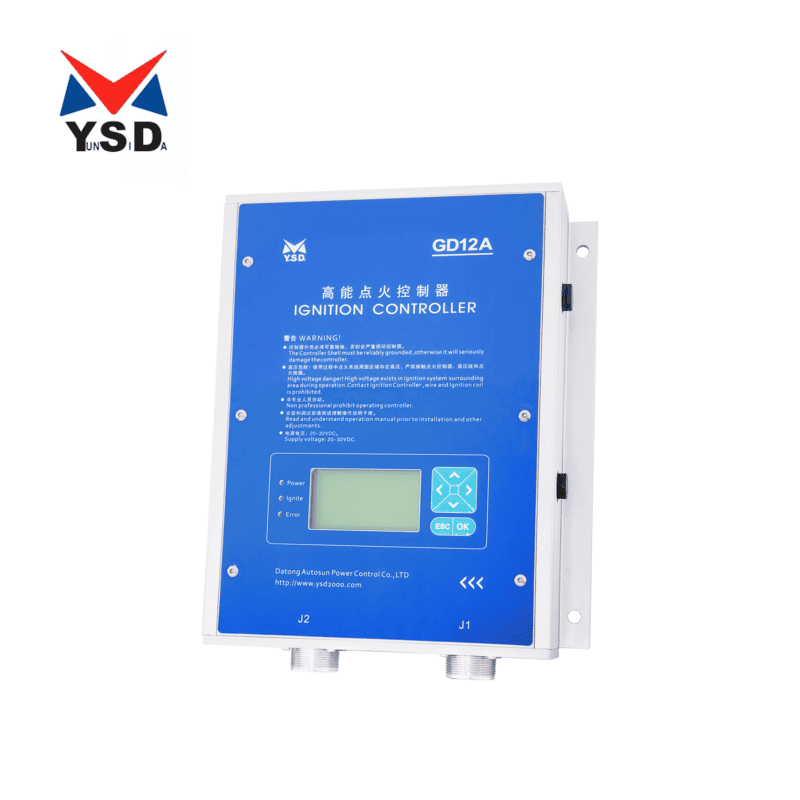
Converting biogas into electricity requires specialized generator sets designed to handle the unique characteristics of biogas fuel. These engines feature modified combustion chambers, ignition systems, and fuel delivery components optimized for methane-rich gas mixtures. The generator sets incorporate advanced control systems that monitor gas quality, engine parameters, and electrical output to ensure reliable operation and maximum efficiency. Modern biogas generator systems can achieve electrical efficiencies of 35-45%, with combined heat and power applications reaching overall efficiencies exceeding 80%.
The electrical output from biogas generator systems can be synchronized with the electrical grid or used for standalone power applications. Grid-connected systems require sophisticated power conditioning equipment to ensure voltage stability, frequency regulation, and power quality compliance. Remote installations often utilize battery storage systems or hybrid configurations with other renewable energy sources to provide continuous power supply even during maintenance periods or low gas production periods.
Environmental Benefits and Impact
Greenhouse Gas Reduction
One of the most significant environmental advantages of biogas generator technology is its ability to dramatically reduce greenhouse gas emissions through multiple pathways. By capturing methane that would otherwise be released during natural decomposition processes, these systems prevent a potent greenhouse gas from entering the atmosphere. Methane has approximately 25 times the global warming potential of carbon dioxide over a 100-year period, making its capture and utilization particularly valuable for climate change mitigation efforts.
When biogas generator systems replace fossil fuel-based electricity generation, they provide additional carbon reduction benefits. The combustion of biogas produces carbon dioxide, but this CO2 is part of the natural carbon cycle since it originates from recently absorbed atmospheric carbon in plant materials. This creates a carbon-neutral energy cycle that contrasts sharply with fossil fuel combustion, which releases carbon that has been sequestered underground for millions of years. Comprehensive lifecycle analyses consistently demonstrate that biogas generator installations can reduce net greenhouse gas emissions by 80-95% compared to conventional energy systems.
Waste Management and Resource Recovery
Biogas generator systems provide an elegant solution to organic waste management challenges while simultaneously producing valuable energy and byproducts. Agricultural operations, food processing facilities, and municipal wastewater treatment plants generate substantial quantities of organic waste that traditionally require expensive disposal methods or create environmental pollution risks. By processing these materials through anaerobic digestion, biogas generator installations transform waste streams into revenue-generating assets while eliminating disposal costs and environmental impacts.
The digestate produced as a byproduct of biogas generation represents another valuable resource that enhances the environmental benefits of these systems. This nutrient-rich material serves as an excellent organic fertilizer with improved nutrient availability compared to raw organic materials. The digestion process eliminates pathogens and reduces odors while concentrating essential nutrients like nitrogen, phosphorus, and potassium. This creates a closed-loop system where organic waste becomes renewable energy and sustainable fertilizer, supporting regenerative agriculture practices and reducing dependence on synthetic fertilizers.
Economic Advantages and Financial Returns
Revenue Generation and Cost Savings
Biogas generator installations offer multiple revenue streams that create attractive financial returns for investors and operators. The primary income source comes from electricity sales, either through direct consumption offset or grid export arrangements. Many regions offer favorable feed-in tariffs, renewable energy certificates, or power purchase agreements that provide long-term price stability and enhanced returns for biogas-generated electricity. Additionally, the waste disposal fees that facilities can charge for accepting organic materials create substantial additional revenue opportunities.
The economic benefits extend beyond direct revenue generation to include significant operational cost reductions. Facilities that implement biogas generator systems often eliminate or dramatically reduce waste disposal costs, which can represent substantial ongoing expenses. The heating value recovered from generator cooling systems and exhaust gases can offset natural gas or heating oil consumption, providing additional cost savings. Some installations also benefit from carbon credit sales or environmental compliance cost reductions, further improving project economics and return on investment calculations.
Long-term Financial Stability
Unlike fossil fuel-based power generation, biogas generator systems provide protection against volatile energy prices and supply disruptions. The feedstock for biogas production typically consists of locally available organic materials, creating energy security and price stability that fossil fuel systems cannot match. This localized energy production reduces transmission losses and grid dependency while providing hedge protection against rising electricity costs. Many biogas generator projects demonstrate payback periods of 5-8 years with project lifespans exceeding 20 years.
The modular nature of biogas generator technology allows for phased development and capacity expansion as waste streams and energy demands grow. This scalability enables organizations to start with smaller installations and gradually increase capacity, spreading capital investments over time while maintaining financial flexibility. Government incentives, grants, and favorable financing options further enhance project economics, making biogas generator installations accessible to a wide range of applications and organizational sizes.
Applications and Implementation Scenarios
Agricultural and Livestock Operations
Agricultural facilities represent ideal applications for biogas generator technology due to the abundant availability of organic feedstock materials. Livestock operations generate substantial quantities of manure that create environmental management challenges while offering excellent biogas production potential. Dairy farms, swine operations, and poultry facilities can implement biogas generator systems that process animal waste while producing renewable electricity for on-farm consumption or grid export.
Crop-based agricultural operations can utilize biogas generator systems to process agricultural residues, including corn stalks, wheat straw, and processing waste. Energy crops specifically grown for biogas production, such as energy corn or dedicated energy grasses, provide additional feedstock options that can be integrated into existing farming operations. These applications create diversified income streams for farmers while improving soil health through digestate application and reducing greenhouse gas emissions from agricultural activities.
Industrial and Municipal Applications
Food processing facilities, breweries, and beverage manufacturers generate organic waste streams that are particularly well-suited for biogas generator applications. These industries often have consistent waste production patterns and significant electricity demands, creating ideal conditions for on-site biogas generation. The high organic content and predictable characteristics of food processing waste enable reliable biogas production while solving waste disposal challenges that these facilities commonly face.
Municipal wastewater treatment plants represent another major application category where biogas generator technology delivers substantial benefits. These facilities naturally produce biogas through existing anaerobic digestion processes but often underutilize this valuable resource. Upgrading existing systems with modern biogas generator equipment can transform treatment plants into energy-positive facilities that produce more electricity than they consume. Landfills and solid waste management facilities also offer significant biogas generator opportunities by capturing methane emissions from decomposing organic materials.
Technical Considerations and System Design
Feedstock Characteristics and Processing
Successful biogas generator implementation requires careful consideration of feedstock characteristics and preprocessing requirements. Different organic materials have varying biogas production potentials, digestion rates, and processing needs that influence system design and performance. High-moisture materials like liquid manure require different handling systems compared to solid agricultural residues or food processing waste. Preprocessing equipment such as shredders, mixers, and pasteurization systems may be necessary to optimize digestion efficiency and ensure reliable operation.
The carbon-to-nitrogen ratio of feedstock materials significantly impacts biogas production and quality. Optimal C:N ratios typically range from 20:1 to 30:1, requiring careful blending of different waste streams to achieve balanced nutrition for anaerobic microorganisms. Trace element supplementation may be necessary for certain feedstock combinations to maintain stable digestion performance. Advanced biogas generator installations incorporate automated feeding systems and nutrient monitoring to optimize these parameters continuously.
System Sizing and Configuration
Proper sizing of biogas generator systems requires detailed analysis of waste generation patterns, energy demands, and economic objectives. Oversized systems may have poor utilization rates and extended payback periods, while undersized installations may miss opportunities for waste processing and energy generation. Professional feasibility studies consider seasonal variations in waste production, energy consumption patterns, and future growth projections to determine optimal system capacity and configuration.
The physical layout and integration of biogas generator components requires careful planning to ensure efficient operation and maintenance access. Digester tanks, gas conditioning equipment, generator sets, and electrical infrastructure must be positioned to minimize installation costs while maintaining safety requirements and operational efficiency. Remote monitoring and control systems enable centralized operation of multiple biogas generator installations, reducing labor requirements and improving overall system performance through coordinated optimization.
FAQ
What types of organic waste can be used in biogas generator systems?
Biogas generator systems can process a wide variety of organic materials including animal manure, agricultural crop residues, food processing waste, municipal organic waste, energy crops, and sewage sludge. The key requirement is that materials must be biodegradable and have sufficient organic content to support anaerobic digestion. Different feedstock types have varying biogas production potentials and may require specific preprocessing or co-digestion with other materials to optimize performance.
How much electricity can a biogas generator system produce?
Electricity production from biogas generator systems depends on the quantity and quality of organic feedstock, system efficiency, and operating conditions. Typical installations generate 1-3 kWh of electricity per cubic meter of biogas produced. A medium-sized dairy farm might generate 100-500 kW of continuous power, while large industrial installations can produce several megawatts. The actual output varies significantly based on waste availability, system design, and operational optimization.
What are the maintenance requirements for biogas generator systems?
Biogas generator systems require regular maintenance including daily monitoring of gas production and quality, weekly inspection of mechanical components, monthly engine maintenance, and annual overhauls of major equipment. The digesters need periodic cleaning and may require occasional pH adjustment or nutrient supplementation. Generator engines typically require maintenance every 500-1000 operating hours, similar to other stationary power generation equipment. Proper maintenance ensures reliable operation and maximizes system lifespan.
How long does it take to install and commission a biogas generator system?
Installation timelines for biogas generator systems typically range from 6-18 months depending on system size, site conditions, and permitting requirements. Small farm-scale installations may be completed in 3-6 months, while large industrial systems require 12-24 months for complete implementation. The process includes detailed engineering design, equipment procurement, site preparation, construction, commissioning, and performance optimization. Permitting and environmental approvals often represent the longest lead time components of project development.