
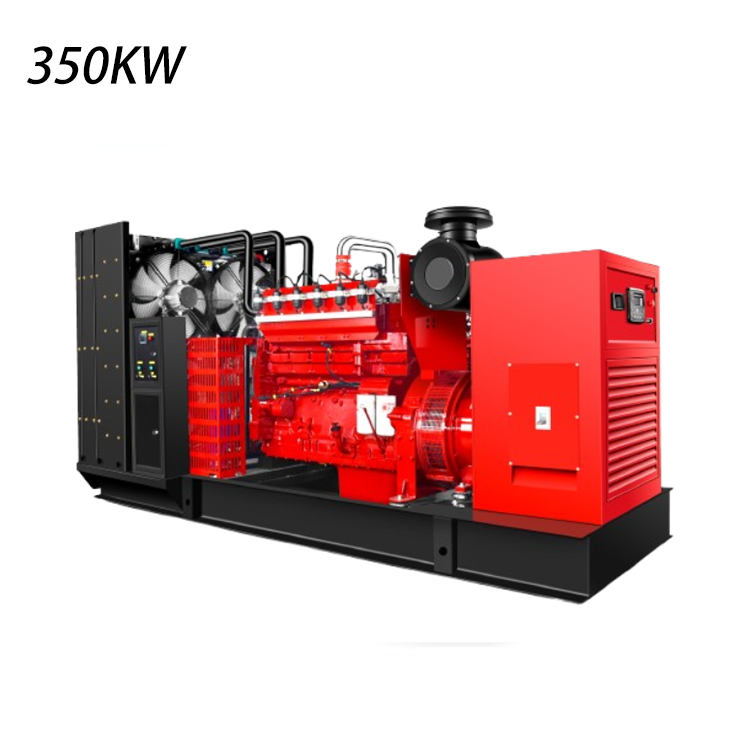
Maintaining a gas genset properly is the cornerstone of achieving reliable long-term performance and maximizing your investment in backup power generation. Unlike diesel generators that require frequent fuel management, a gas genset offers cleaner operation and lower emissions, but demands specific maintenance protocols to ensure consistent performance over years of operation. The key to long-term stability lies in understanding the unique characteristics of gas-powered generation systems and implementing a comprehensive maintenance strategy that addresses both mechanical components and gas supply systems.
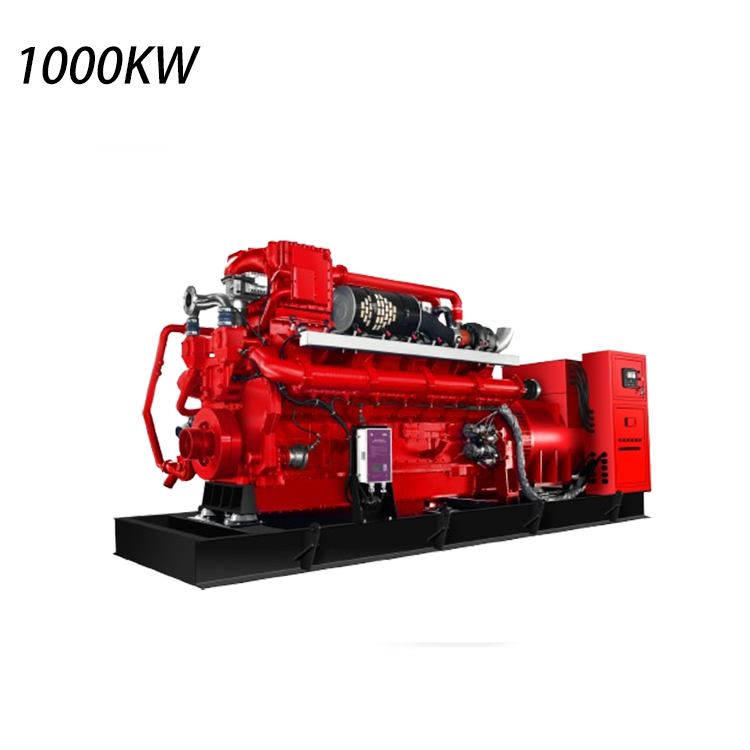
The complexity of gas genset maintenance extends beyond traditional generator servicing because these systems integrate gas handling components, specialized ignition systems, and emissions control technologies that require targeted attention. Proper maintenance not only prevents unexpected failures but also optimizes fuel efficiency, reduces emissions, and extends the operational lifespan of critical components. Understanding how to systematically approach gas genset maintenance will help you avoid costly downtime while ensuring your backup power system remains ready when needed most.
Understanding Gas Genset Operating Principles
Gas Combustion System Fundamentals
A gas genset operates on the principle of controlled gas combustion within an internal combustion engine, where natural gas or biogas is mixed with air in precise ratios to create optimal burning conditions. The combustion process in a gas genset differs significantly from diesel engines because gas burns more completely and at higher temperatures, requiring specialized materials and cooling systems. Understanding this fundamental difference is crucial for maintenance because the higher combustion temperatures create unique wear patterns and maintenance requirements that must be addressed through specific service intervals and component monitoring.
The gas delivery system maintains consistent pressure and flow rates to ensure stable combustion, incorporating pressure regulators, safety valves, and flow meters that require regular calibration and inspection. These components work together to deliver the precise gas-to-air mixture needed for efficient operation, and any deviation in this system can lead to incomplete combustion, increased emissions, and reduced generator efficiency. Proper maintenance of the gas delivery system involves regular pressure testing, valve inspection, and leak detection to maintain the integrity of the entire fuel supply chain.
Ignition and Control Systems
Gas genset ignition systems typically use electronic spark ignition or pilot flame systems that must maintain precise timing and intensity for reliable startup and stable operation. These ignition systems are more complex than traditional diesel starting mechanisms because they must coordinate gas flow, air intake, and spark timing to achieve consistent ignition under varying load conditions. Regular maintenance of ignition components includes spark plug replacement, ignition coil testing, and control system calibration to ensure reliable starting and smooth operation across the full load range.
The electronic control systems in modern gas genset units monitor multiple parameters including gas pressure, engine temperature, exhaust emissions, and electrical output to optimize performance and protect the engine from operating outside safe parameters. These sophisticated control systems require periodic software updates, sensor calibration, and diagnostic testing to maintain their protective functions and ensure the gas genset operates within manufacturer specifications. Understanding how these control systems interact helps maintenance technicians identify potential issues before they cause system failures.
Essential Maintenance Procedures for Gas Gensets
Engine Oil and Lubrication System Maintenance
Gas genset engines require specialized lubricating oils designed to handle the unique combustion byproducts and higher operating temperatures associated with gas combustion. The oil change intervals for a gas genset are typically shorter than diesel generators due to the different combustion chemistry, which can cause oil degradation at accelerated rates. Regular oil analysis helps determine optimal change intervals based on actual operating conditions rather than relying solely on manufacturer recommendations, allowing for more precise maintenance scheduling that balances cost with engine protection.
The lubrication system maintenance extends beyond simple oil changes to include oil filter replacement, lubrication pump inspection, and monitoring of oil pressure and temperature during operation. Gas engines often operate at higher RPMs than their diesel counterparts, placing additional stress on bearings and moving components that depend on consistent lubrication. Implementing a comprehensive lubrication maintenance program includes tracking oil consumption rates, monitoring for unusual wear patterns, and maintaining proper oil levels between service intervals.
Air Intake and Filtration System Care
The air intake system in a gas genset requires meticulous attention because the precise air-to-gas ratio is critical for efficient combustion and emissions control. Clean air filters ensure adequate airflow while preventing contaminants from entering the combustion chamber, where they could cause premature wear or interfere with the combustion process. The maintenance schedule for air filters should account for local environmental conditions, with more frequent replacements needed in dusty or industrial environments where airborne contaminants are more prevalent.
Monitoring air intake restriction using differential pressure gauges helps determine when filters need replacement before they significantly impact engine performance. The air intake system also includes intake manifolds, turbocharger components in larger units, and intercoolers that require periodic cleaning and inspection. Maintaining clean air intake components ensures the gas genset can achieve optimal power output while maintaining fuel efficiency and reducing emissions throughout its operational life.
Gas Supply System Inspection and Maintenance
The gas supply system represents one of the most critical maintenance areas for gas genset reliability because any disruption in gas flow or pressure can cause immediate shutdown or unstable operation. Regular inspection of gas lines includes checking for corrosion, mechanical damage, and proper support to prevent stress on connections and fittings. Leak detection using electronic gas detectors or soap solution testing should be performed at all joints, valves, and fittings to ensure system integrity and prevent potentially dangerous gas accumulation.
Gas pressure regulators require periodic calibration and testing to maintain consistent delivery pressure under varying demand conditions. The maintenance procedure includes checking regulator diaphragms, springs, and adjustment mechanisms for proper operation, as well as verifying that safety relief valves function correctly. Gas filter replacement protects downstream components from contamination while ensuring consistent gas quality reaches the engine, preventing combustion problems that could damage engine components or reduce efficiency.
Cooling System Optimization for Long-Term Stability
Radiator and Heat Exchanger Maintenance
Gas genset cooling systems must handle higher heat loads than comparable diesel units due to the elevated combustion temperatures and different heat rejection patterns of gas engines. The radiator core requires regular cleaning to remove debris, insects, and environmental contamination that can reduce heat transfer efficiency and cause engine overheating. Cleaning procedures should use appropriate methods such as reverse air flow or specialized cleaning solutions that remove buildup without damaging delicate cooling fins or heat exchanger tubes.
Coolant system maintenance involves regular testing of coolant concentration, pH levels, and additive levels to ensure proper corrosion protection and heat transfer properties. Gas engines may require specific coolant formulations designed to handle the different thermal stresses and combustion byproducts associated with gas operation. The cooling system pressure testing identifies leaks before they cause coolant loss and potential engine damage, while thermostat testing ensures proper operating temperature regulation under varying load conditions.
Coolant Quality and System Flushing
Maintaining proper coolant chemistry is essential for gas genset longevity because the higher operating temperatures can accelerate corrosion and scaling in cooling system components. Regular coolant analysis should monitor for contamination, additive depletion, and signs of combustion gas infiltration that could indicate head gasket or cylinder head problems. The analysis results guide decisions about coolant replacement intervals and identify potential issues before they cause major component failures.
Cooling system flushing procedures for gas genset applications must remove scale, corrosion products, and any oil contamination that could interfere with heat transfer. The flushing process should include both chemical cleaning agents appropriate for the cooling system materials and thorough rinsing to remove all cleaning residues. After flushing, proper coolant mixing and system bleeding ensure optimal heat transfer and prevent air pockets that could cause localized overheating or cooling system malfunctions.
Electrical System and Generator Maintenance
Alternator and Electrical Connection Inspection
The electrical generation components of a gas genset require regular inspection and maintenance to ensure reliable power output and prevent electrical failures that could damage connected equipment. Alternator maintenance includes checking bearing condition, slip ring wear, brush replacement, and winding insulation testing to identify potential problems before they cause power quality issues or complete generator failure. The inspection schedule should include both visual checks and electrical testing using appropriate meters and testing equipment.
Electrical connections throughout the gas genset system require periodic inspection for corrosion, looseness, and proper torque to maintain reliable electrical conductivity and prevent heating that could cause connection failure. Terminal cleaning and protection help prevent corrosion that can increase electrical resistance and cause voltage drops or connection failures. Ground system integrity testing ensures proper electrical safety and prevents electrical noise that could interfere with sensitive electronic equipment connected to the generator output.
Control Panel and Protection System Testing
Modern gas genset control panels integrate multiple protection systems including overspeed protection, overtemperature shutdown, low oil pressure alarms, and gas leak detection systems that require regular testing to ensure they function correctly when needed. The testing procedures should simulate actual fault conditions to verify that protection systems respond appropriately and that shutdown sequences function as designed. Documentation of test results helps track system reliability and identify trends that might indicate developing problems.
Battery systems that support control panel operation and electric starting require regular maintenance including terminal cleaning, electrolyte level checking, and load testing to ensure reliable starting capability. The battery charging system should be tested to verify proper charging rates and voltage regulation that prevent overcharging damage or insufficient charging that could cause starting failures. Backup battery systems or uninterruptible power supplies for critical control functions need similar attention to ensure continuous protection system operation.
Preventive Maintenance Scheduling and Record Keeping
Developing Maintenance Intervals Based on Operating Conditions
Creating an effective maintenance schedule for a gas genset requires understanding the specific operating environment, load patterns, and duty cycle that influence component wear rates and service requirements. Continuous duty applications require more frequent maintenance intervals than standby units that operate only during power outages, while harsh environmental conditions such as extreme temperatures, high humidity, or dusty conditions may necessitate accelerated maintenance schedules. The maintenance intervals should balance manufacturer recommendations with actual operating experience to optimize both reliability and maintenance costs.
Load factor analysis helps determine appropriate maintenance intervals because gas genset components wear differently under varying load conditions. High load operation increases thermal stress and wear rates, while light load operation can cause carbon buildup and incomplete combustion that requires different maintenance attention. Tracking actual operating hours, load factors, and environmental conditions provides data to refine maintenance schedules and identify optimal service intervals for specific operating conditions.
Documentation and Maintenance History Tracking
Comprehensive maintenance records provide essential information for optimizing gas genset reliability and identifying patterns that might indicate developing problems or opportunities for maintenance schedule adjustments. The documentation should include all service activities, component replacements, test results, and any anomalies observed during operation or maintenance. Digital maintenance management systems help organize this information and provide trend analysis capabilities that support predictive maintenance strategies.
Maintenance history analysis can reveal component reliability patterns, identify recurring problems, and guide inventory management decisions for spare parts and consumables. The records also support warranty claims, regulatory compliance requirements, and resale value documentation. Regular review of maintenance trends helps identify opportunities for improvement in maintenance procedures, component selection, or operating practices that could enhance gas genset reliability and reduce lifecycle costs.
FAQ
How often should I change the oil in my gas genset?
Oil change intervals for gas genset units typically range from 100 to 250 operating hours, depending on the engine design, operating conditions, and oil quality. Gas engines often require more frequent oil changes than diesel generators because the combustion process can introduce different contaminants into the oil. The best approach is to start with manufacturer recommendations and adjust based on oil analysis results that show actual oil condition and contamination levels under your specific operating conditions.
What are the most critical safety checks for gas genset maintenance?
The most critical safety checks include gas leak detection at all connections and fittings, verification that gas shut-off valves operate correctly, testing of gas detection and alarm systems, and ensuring proper ventilation around the generator. Additionally, electrical safety checks including ground system integrity, emergency shutdown functionality, and proper lockout/tagout procedures are essential. All maintenance work should follow established safety protocols including gas isolation, electrical lockout, and proper personal protective equipment use.
How can I tell if my gas genset is developing problems before major failures occur?
Early warning signs include changes in engine sound or vibration patterns, fluctuating electrical output, unusual exhaust smoke or odors, coolant loss, oil consumption changes, or difficulty starting. Monitoring systems can track parameters like operating temperatures, pressures, and electrical output to identify trends that indicate developing problems. Regular oil analysis, coolant testing, and performance monitoring help detect issues before they cause major component failures or extended downtime.
What maintenance tasks can I perform myself versus requiring professional service?
Basic maintenance tasks that appropriately trained operators can perform include visual inspections, oil level checks, coolant level monitoring, air filter replacement, and basic cleaning. However, gas system work, electrical testing, engine internal maintenance, and any work involving pressurized systems should be performed by qualified technicians with proper training and equipment. The complexity of modern gas genset systems and safety requirements for gas handling make professional service essential for most maintenance procedures beyond basic operator care.