
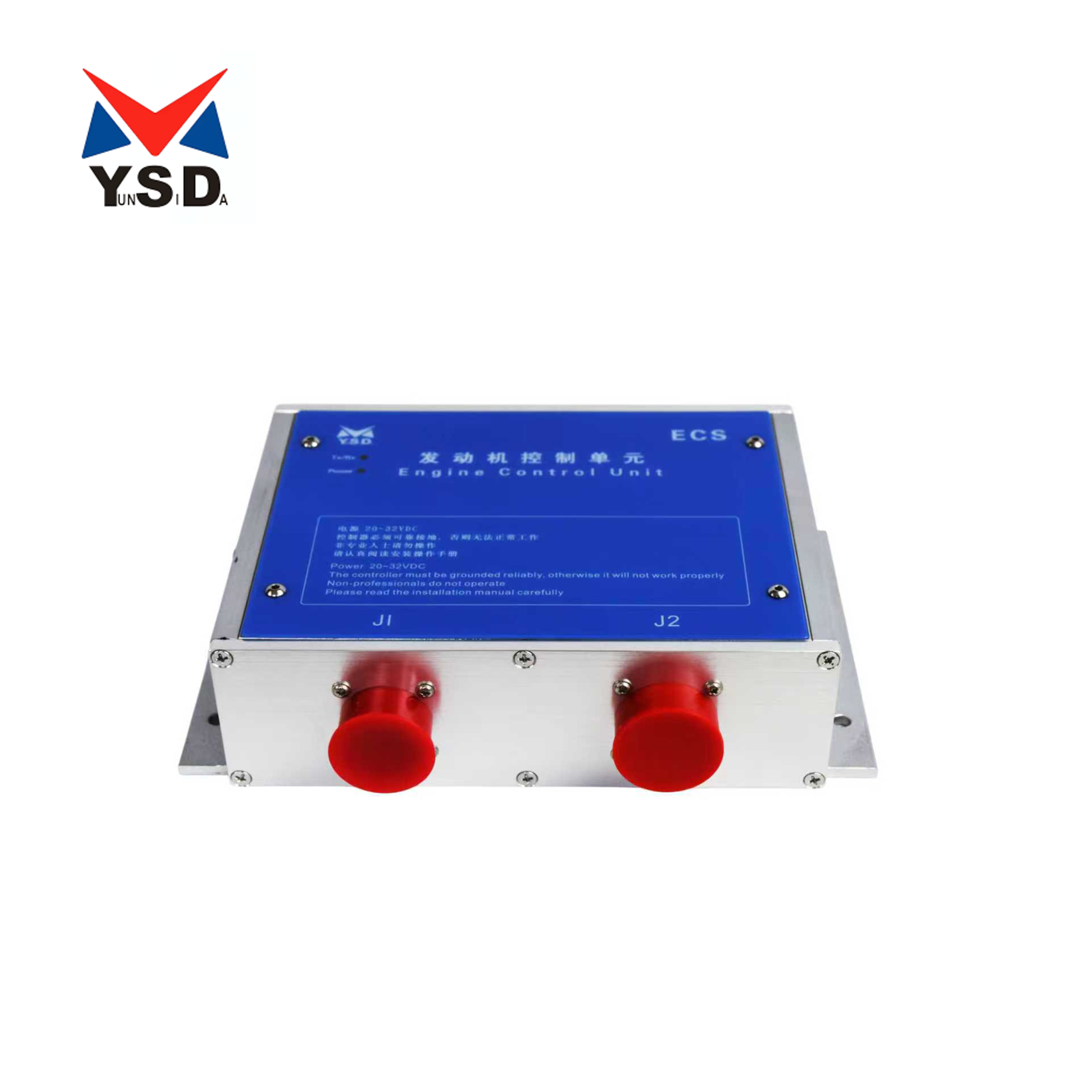
A governor speed controller functions as a precision fuel management system by automatically adjusting engine speed based on load demands, preventing unnecessary fuel waste during idle periods and variable operating conditions. This sophisticated control mechanism maintains optimal engine performance while eliminating the fuel consumption spikes that occur when engines operate at unnecessarily high speeds during light-load situations.
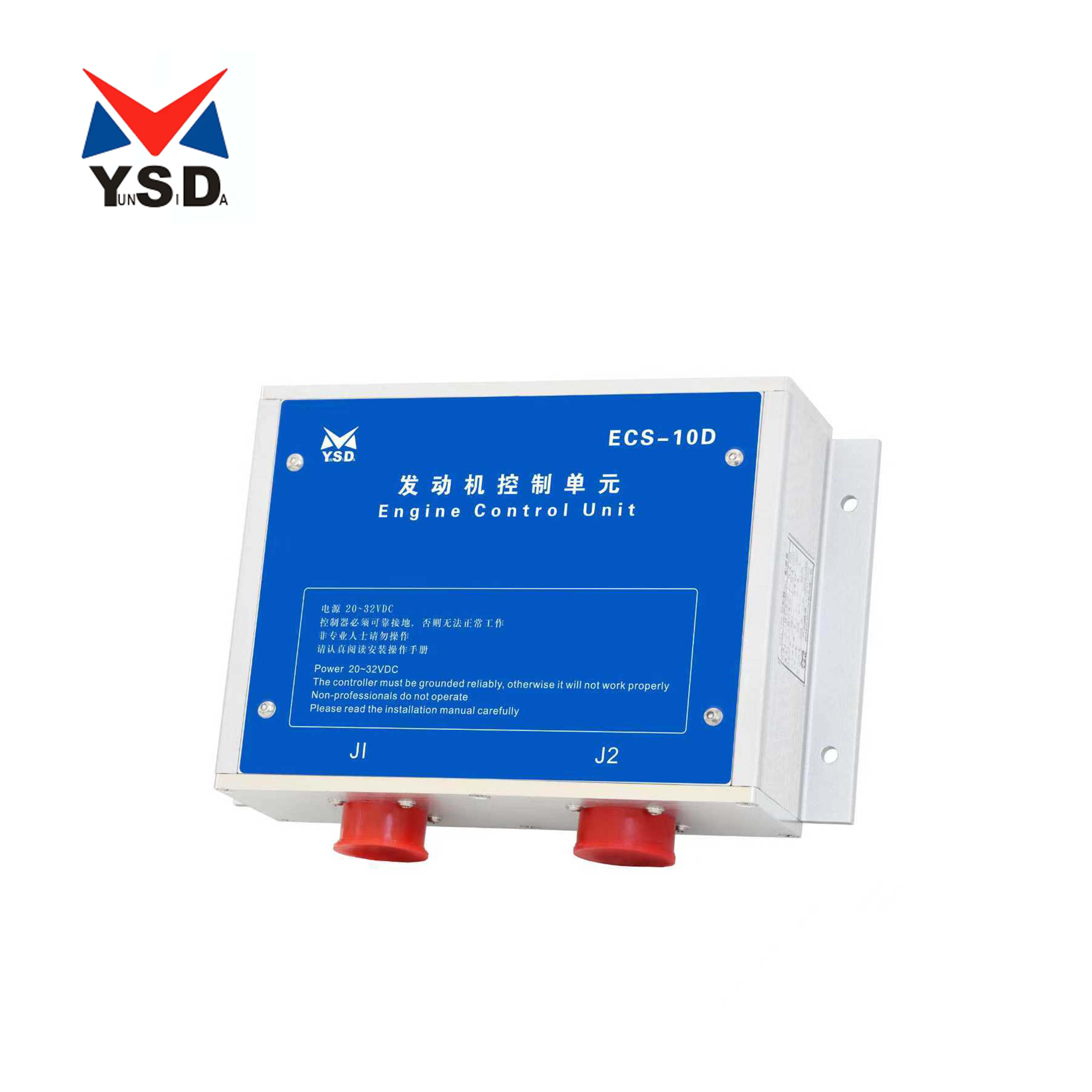
The fuel savings potential of a governor speed controller becomes particularly evident in applications where engines experience frequent load variations, such as generator sets, industrial machinery, and marine propulsion systems. By maintaining precise speed control regardless of external load changes, these controllers ensure engines operate within their most fuel-efficient rpm ranges, delivering measurable reductions in fuel consumption that can translate to significant cost savings over extended operating periods.
Automatic Load Response Mechanisms
Real-Time Speed Adjustment Technology
The governor speed controller employs sophisticated feedback loops that continuously monitor engine load conditions and adjust fuel delivery accordingly. When electrical or mechanical loads decrease, the controller immediately reduces engine speed to match the reduced power demand, preventing the engine from consuming excess fuel while maintaining idle conditions. This real-time responsiveness ensures that fuel consumption directly correlates with actual power requirements rather than maintaining constant high-speed operation.
Advanced sensor integration within the governor speed controller enables precise detection of load changes within milliseconds, allowing for smooth transitions between different operating speeds without performance degradation. The controller's ability to anticipate load changes through predictive algorithms further enhances fuel efficiency by preemptively adjusting engine parameters before significant load variations occur.
Proportional Control Characteristics
Modern governor speed controller systems utilize proportional control strategies that provide graduated responses to load variations rather than simple on-off switching. This proportional approach prevents fuel waste associated with overshooting target speeds and eliminates the hunting behavior that causes engines to oscillate between different rpm levels. The result is a more stable fuel consumption pattern that optimizes efficiency across the entire operating range.
The proportional control functionality of a governor speed controller also accounts for engine characteristics such as acceleration curves and thermal dynamics, ensuring that fuel delivery adjustments occur at optimal rates. This sophisticated control prevents both fuel starvation during rapid load increases and fuel over-delivery during load reductions, maintaining consistent fuel efficiency regardless of operating conditions.
Idle Speed Optimization Strategies
Minimum Speed Maintenance
A well-configured governor speed controller reduces fuel consumption by establishing the lowest possible idle speed that maintains engine stability and readiness for load acceptance. Traditional mechanical governors often maintain higher idle speeds as safety margins, but electronic governor speed controller systems can precisely determine the minimum viable idle rpm for specific engine configurations. This optimization alone can reduce idle fuel consumption by 15-25% compared to fixed high-idle operations.
The controller continuously monitors engine parameters such as oil pressure, coolant temperature, and combustion stability to ensure that reduced idle speeds do not compromise engine longevity or performance. Smart idle algorithms within the governor speed controller can automatically adjust minimum idle speeds based on ambient conditions, engine temperature, and anticipated load patterns.
Start-Stop Integration Capabilities
Advanced governor speed controller systems incorporate start-stop functionality that automatically shuts down engines during extended no-load periods, eliminating fuel consumption entirely when power demand ceases. The controller monitors load patterns and can predict when temporary shutdowns are beneficial, automatically restarting the engine when load demand resumes. This feature proves particularly valuable in applications with intermittent duty cycles.
The integration of start-stop capabilities requires sophisticated engine management protocols within the governor speed controller to ensure reliable restarts and prevent unnecessary cycling. Smart algorithms consider factors such as engine warm-up time, restart fuel penalties, and operational priorities to determine optimal shutdown and restart timing for maximum fuel savings.
Load-Matching Efficiency Protocols
Power-Demand Correlation Systems
The governor speed controller achieves fuel savings by precisely matching engine output to actual power demand through continuous load monitoring and speed adjustment. Rather than operating at fixed high speeds regardless of load requirements, the controller modulates engine speed to deliver exactly the power needed, eliminating the fuel waste associated with excess capacity operation. This load-matching approach can reduce fuel consumption by 20-40% in variable-load applications.
Sophisticated power-demand algorithms within the governor speed controller analyze load patterns over time to optimize fuel delivery strategies. The system learns from historical operating data to predict load requirements and pre-position engine speed for anticipated demand changes, further enhancing fuel efficiency through proactive rather than reactive control responses.
Multi-Engine Coordination Features
In multi-engine installations, a coordinated governor speed controller system can optimize fuel consumption across multiple power units by selectively operating engines based on total load demand. The controller determines the most efficient combination of engine operations, potentially running fewer engines at higher efficiency rather than multiple engines at partial loads, significantly reducing overall fuel consumption.
Load-sharing protocols within multi-engine governor speed controller configurations ensure that operating engines run within their most efficient speed ranges while maintaining adequate reserve capacity. This approach eliminates the fuel waste associated with running multiple engines at low-efficiency partial loads, instead concentrating power production in the minimum number of engines required to meet demand efficiently.
Environmental Adaptation Technologies
Temperature Compensation Algorithms
A governor speed controller incorporates temperature compensation features that adjust fuel delivery based on ambient and engine operating temperatures, ensuring optimal fuel efficiency across varying environmental conditions. Cold-weather operations typically require enriched fuel mixtures and higher idle speeds, while hot-weather conditions may allow for leaner mixtures and reduced cooling loads, and the controller automatically adapts to these variations.
The temperature compensation functionality of the governor speed controller extends beyond simple ambient adjustments to include engine-specific thermal management. The system monitors coolant temperatures, oil temperatures, and intake air temperatures to optimize fuel delivery for current thermal conditions, preventing both fuel waste from over-rich mixtures and efficiency losses from inadequate fueling during temperature extremes.
Altitude and Atmospheric Adjustment
Advanced governor speed controller systems automatically compensate for altitude and atmospheric pressure variations that affect engine breathing and combustion efficiency. As atmospheric density changes with elevation, the controller adjusts fuel delivery to maintain optimal air-fuel ratios, preventing the fuel waste that occurs when engines operate with inappropriate mixture settings for current atmospheric conditions.
Barometric pressure sensors integrated with the governor speed controller enable real-time atmospheric compensation, ensuring consistent fuel efficiency regardless of elevation changes or weather-related pressure variations. This adaptive capability proves particularly valuable for mobile applications and installations in varying geographic locations where atmospheric conditions significantly impact engine performance.
Fuel System Integration Benefits
Injection Timing Optimization
Modern governor speed controller systems integrate with electronic fuel injection systems to optimize injection timing based on current engine speed and load conditions. This integration allows for precise fuel delivery timing that maximizes combustion efficiency while minimizing fuel waste through incomplete burning or timing-related losses. The controller can advance or retard injection timing to match optimal combustion characteristics for current operating conditions.
The fuel injection coordination capabilities of a governor speed controller extend to multiple injection events per combustion cycle, enabling strategies such as pilot injection for improved ignition and post-injection for enhanced combustion completion. These advanced injection strategies, coordinated through the speed control system, can improve fuel efficiency by 5-10% while maintaining or improving power output characteristics.
Fuel Quality Adaptation
Sophisticated governor speed controller systems can adapt to varying fuel quality characteristics, automatically adjusting control parameters to maintain optimal efficiency regardless of fuel specification variations. The controller monitors combustion characteristics and engine performance indicators to detect fuel quality changes and modifies operating parameters accordingly, preventing efficiency losses associated with inappropriate calibrations for current fuel properties.
Adaptive fuel quality management within the governor speed controller includes compensation for fuel density variations, heating value differences, and combustion characteristic changes that affect optimal engine operation. This adaptability ensures consistent fuel efficiency performance even when fuel sources change or when using alternative fuel blends with different combustion properties.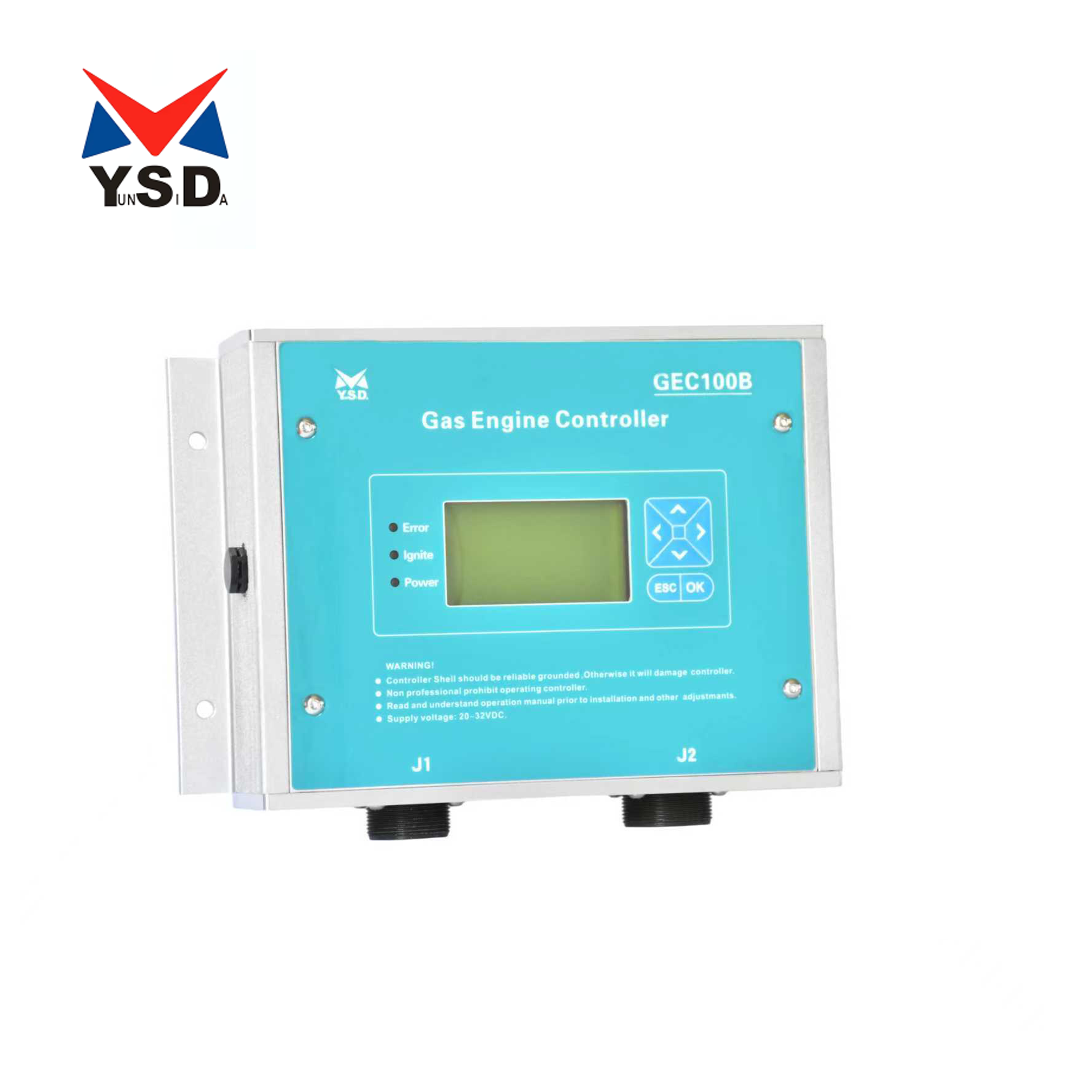
FAQ
How much fuel can a governor speed controller save compared to fixed-speed operation?
A properly configured governor speed controller can reduce fuel consumption by 15-40% compared to fixed-speed operation, with the exact savings depending on load variability patterns and engine characteristics. Applications with frequent load changes typically see the highest savings, while constant-load operations may see more modest improvements in the 10-15% range.
Can a governor speed controller work with both diesel and gasoline engines?
Yes, modern governor speed controller systems are designed to work with various engine types including diesel, gasoline, and alternative fuel engines. The controller adapts its control algorithms to match the specific combustion characteristics and response times of different engine types, ensuring optimal fuel efficiency regardless of the underlying engine technology.
How quickly does a governor speed controller respond to load changes?
Electronic governor speed controller systems typically respond to load changes within 100-500 milliseconds, depending on the size and type of engine being controlled. This rapid response prevents fuel waste during load transitions and maintains stable engine operation during dynamic operating conditions.
What maintenance requirements are associated with governor speed controller systems?
Governor speed controller systems require minimal maintenance beyond regular sensor cleaning and periodic calibration verification. Electronic controllers typically need software updates and parameter verification annually, while mechanical components may require inspection of actuator mechanisms and governor weights according to manufacturer specifications.
Table of Contents
- Automatic Load Response Mechanisms
- Idle Speed Optimization Strategies
- Load-Matching Efficiency Protocols
- Environmental Adaptation Technologies
- Fuel System Integration Benefits
-
FAQ
- How much fuel can a governor speed controller save compared to fixed-speed operation?
- Can a governor speed controller work with both diesel and gasoline engines?
- How quickly does a governor speed controller respond to load changes?
- What maintenance requirements are associated with governor speed controller systems?