
Agricultural operations worldwide are increasingly turning to sustainable energy solutions to reduce operational costs and environmental impact. The integration of renewable energy systems, particularly biogas generation technology, has emerged as a transformative approach for farms seeking energy independence. Modern agricultural facilities generate substantial amounts of organic waste, making them ideal candidates for implementing efficient biogas systems that convert waste into valuable energy resources.
The selection process for agricultural biogas systems requires careful consideration of multiple technical and operational factors. Farm operators must evaluate their specific waste production patterns, energy consumption requirements, and available infrastructure to determine the most suitable biogas generation solution. Understanding the fundamentals of biogas technology and its applications in agricultural settings forms the foundation for making informed investment decisions that deliver long-term benefits.
Understanding Biogas Technology for Agricultural Applications
Biogas Production Process and Mechanisms
Biogas production occurs through anaerobic digestion, a natural biological process where microorganisms break down organic matter in oxygen-free environments. Agricultural waste materials such as livestock manure, crop residues, and food processing byproducts serve as primary feedstock for biogas generation systems. The process typically involves four distinct phases: hydrolysis, acidogenesis, acetogenesis, and methanogenesis, each contributing to the conversion of complex organic compounds into methane and carbon dioxide.
Temperature control plays a crucial role in optimizing biogas production efficiency. Mesophilic digestion operates at temperatures between 30-40°C, while thermophilic processes function at 50-60°C, each offering distinct advantages depending on the specific agricultural application. The retention time, pH levels, and carbon-to-nitrogen ratio of the feedstock significantly influence gas production rates and overall system performance.
Types of Biogas Systems for Agricultural Use
Fixed dome digesters represent one of the most common biogas systems used in agricultural operations, featuring underground concrete structures that provide excellent insulation and durability. These systems work well for farms with consistent waste production and limited space constraints. The gas storage capacity is integrated into the digester design, eliminating the need for separate storage facilities while maintaining steady gas pressure.
Floating drum digesters offer advantages in terms of gas storage flexibility and pressure regulation. The movable gas holder allows for variable gas production rates and provides visual indication of gas availability. Plug flow digesters suit operations with high-solid content feedstock, particularly dairy farms and livestock operations where manure consistency remains relatively uniform throughout the year.
Sizing and Capacity Considerations
Calculating Energy Requirements
Determining the appropriate size for a biogas generator requires comprehensive analysis of the farm's energy consumption patterns and waste production capacity. Electrical load assessment should include lighting systems, ventilation equipment, milking machinery, grain processing equipment, and facility heating requirements. Peak demand periods must be identified to ensure the biogas system can meet maximum energy requirements without interruption.
Heat energy requirements often represent a significant portion of agricultural energy needs, particularly for livestock facilities requiring climate control and hot water systems. Combined heat and power applications maximize the efficiency of biogas utilization by capturing waste heat from electricity generation processes. This integrated approach can achieve overall system efficiencies exceeding 80%, significantly improving the economic viability of the installation.
Feedstock Assessment and Gas Production Potential
Accurate feedstock assessment forms the foundation for proper system sizing. Different organic materials produce varying amounts of biogas per unit mass, with fresh manure typically generating 20-40 cubic meters of gas per ton, while crop residues may produce 200-400 cubic meters per ton depending on composition. Seasonal variations in waste production must be considered to ensure year-round system operation.
Co-digestion opportunities can significantly enhance gas production by combining multiple waste streams. Food processing waste, energy crops, and agricultural residues can supplement primary feedstock to optimize gas yields. However, careful attention must be paid to maintaining proper carbon-to-nitrogen ratios and avoiding materials that could inhibit the digestion process or create operational challenges.
Technical Specifications and Equipment Selection
Engine and Generator Components
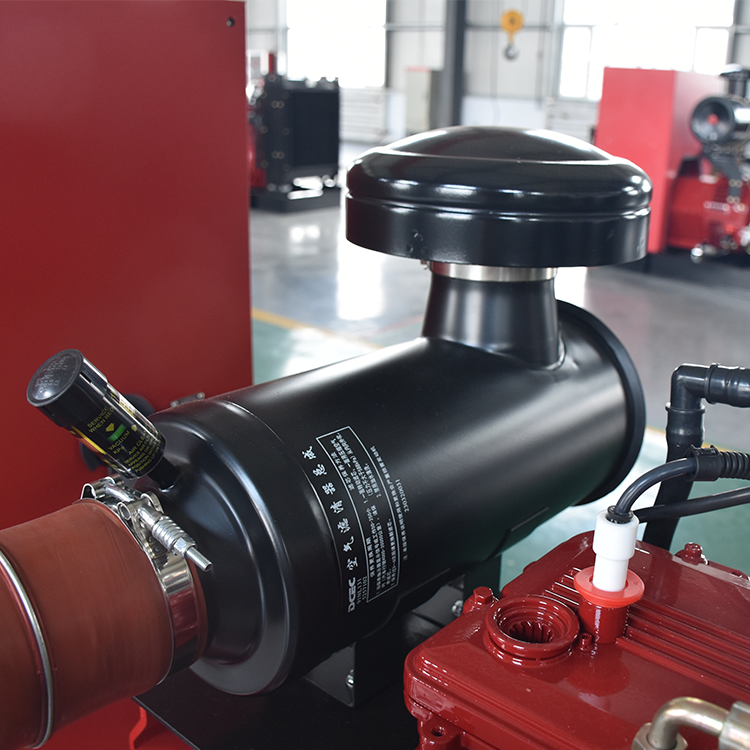
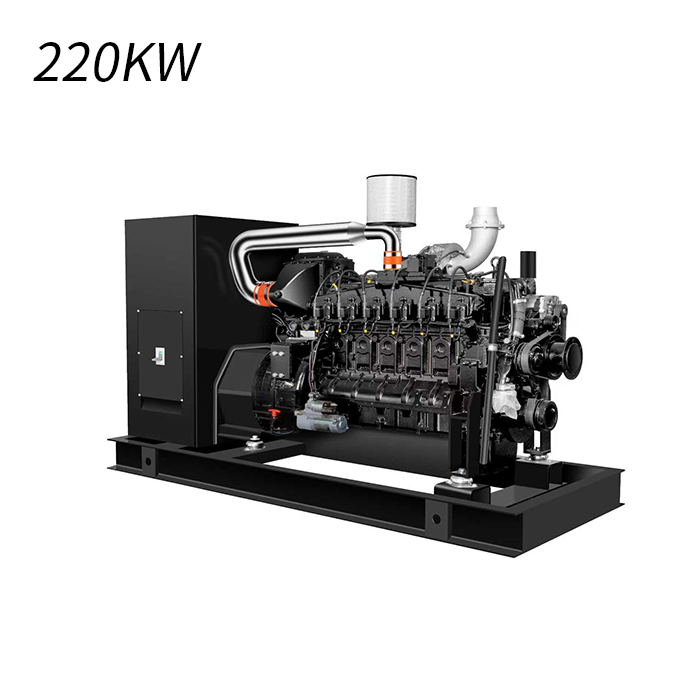
The heart of any biogas generator system lies in its engine and electrical generation components. Gas engines specifically designed for biogas operation feature modifications to accommodate the lower energy content and different combustion characteristics compared to natural gas. Spark ignition engines typically provide better performance for small to medium-scale agricultural applications, while larger operations may benefit from dual-fuel compression ignition systems.
Ignition control systems ensure reliable engine operation across varying biogas quality conditions. Advanced controllers can automatically adjust timing and fuel mixture parameters to maintain optimal performance despite fluctuations in methane content. These systems often include remote monitoring capabilities, allowing operators to track performance parameters and receive maintenance alerts through smartphone applications or web-based interfaces.
Gas Conditioning and Safety Systems
Raw biogas typically contains hydrogen sulfide, moisture, and carbon dioxide that must be removed before engine use to prevent corrosion and performance degradation. Gas conditioning systems include desulfurization units, moisture separators, and pressure regulation equipment. Activated carbon filters effectively remove hydrogen sulfide, while condensate traps prevent water accumulation in gas lines.
Safety systems are paramount in biogas installations due to the flammable nature of methane and potential presence of toxic gases. Gas detection systems should monitor methane concentrations in enclosed spaces, while emergency shutdown valves provide rapid system isolation in case of emergencies. Proper ventilation design ensures safe dispersal of any leaked gases while maintaining optimal operating conditions for equipment.
Economic Analysis and Return on Investment
Initial Investment and Installation Costs
Capital costs for agricultural biogas systems vary significantly based on size, complexity, and local construction conditions. Small farm installations ranging from 10-50 kW typically require investments of $3,000-5,000 per kW of installed capacity, while larger systems achieve economies of scale with costs dropping to $2,000-3,500 per kW. Site preparation, electrical interconnection, and permitting costs can add 20-30% to equipment costs depending on local requirements.
Installation complexity increases with system size and integration requirements. Simple plug-and-play units suitable for smaller operations minimize installation costs and commissioning time, while custom-engineered systems for large facilities require specialized expertise and extended construction periods. Financing options including leasing arrangements, power purchase agreements, and government incentive programs can significantly impact project economics and feasibility.
Operating Revenue and Cost Savings
Revenue generation from biogas systems encompasses multiple value streams including electricity production, heat utilization, and waste management cost reduction. Net metering arrangements allow farms to sell excess electricity back to utility grids, providing additional income during low demand periods. Renewable energy certificates and carbon credit programs create additional revenue opportunities in many jurisdictions.
Operating cost savings extend beyond energy production to include reduced waste management expenses and improved nutrient management. Digestate from biogas production serves as high-quality fertilizer, reducing commercial fertilizer purchases while providing better soil conditioning properties. The pathogen reduction achieved through anaerobic digestion improves farm biosecurity and reduces disease transmission risks in livestock operations.
Installation and Maintenance Requirements
Site Preparation and Infrastructure Needs
Proper site selection ensures optimal biogas system performance and longevity. Locations should provide adequate drainage, protection from extreme weather conditions, and convenient access for maintenance activities. Electrical infrastructure must accommodate both the generator output and auxiliary equipment power requirements, often necessitating service upgrades and new distribution panels.
Foundation requirements vary with system size and local soil conditions, but must provide stable support for heavy equipment while allowing for thermal expansion and vibration isolation. Gas piping systems require careful design to minimize pressure losses while incorporating appropriate safety features such as flame arrestors and pressure relief valves. Local building codes and safety regulations must be thoroughly reviewed during the design phase to ensure compliance.
Routine Maintenance and Servicing
Regular maintenance schedules are essential for reliable biogas system operation and maximum equipment life. Engine maintenance typically follows manufacturer specifications similar to other industrial engines, including regular oil changes, filter replacements, and spark plug servicing. However, the corrosive nature of biogas requires more frequent inspection of fuel system components and exhaust systems.
Digester maintenance involves monitoring pH levels, temperature control, and mixing system operation. Periodic removal of accumulated solids prevents system clogging and maintains digestion efficiency. Gas conditioning equipment requires regular filter changes and cleaning to maintain gas quality standards. Establishing relationships with qualified service providers familiar with biogas technology ensures prompt resolution of technical issues and minimizes downtime.
FAQ
What size biogas generator do I need for my farm operation?
The appropriate biogas generator size depends on your farm's daily waste production and energy consumption requirements. Generally, dairy operations with 100-200 cows can support 30-75 kW systems, while larger operations with 500+ animals may justify 150-300 kW installations. A professional energy audit and waste assessment will provide accurate sizing recommendations based on your specific operational parameters and energy usage patterns.
How long does it take to see return on investment from a biogas system?
Payback periods for agricultural biogas systems typically range from 5-10 years, depending on system size, local energy costs, and available incentives. Larger installations generally achieve shorter payback periods due to economies of scale and higher utilization rates. Farms with high energy costs or significant waste management expenses often see more favorable economics, with some projects achieving payback in 4-6 years when all value streams are considered.
What types of agricultural waste can be used in biogas production?
Most organic agricultural wastes are suitable for biogas production, including animal manure, crop residues, food processing waste, and energy crops. Dairy and swine manure provide excellent feedstock due to consistent composition and high gas yields. Vegetable processing waste, fruit pomace, and grain processing byproducts can significantly boost gas production when co-digested with manure. However, materials with high lignin content or toxic substances should be avoided as they can inhibit the digestion process.
What permits and approvals are required for biogas generator installation?
Permit requirements vary by location but typically include building permits, electrical permits, and environmental approvals. Many jurisdictions require air quality permits for combustion equipment, while larger systems may need waste management permits for digester operation. Electrical interconnection agreements with local utilities are necessary for grid-connected systems. It's advisable to engage with local authorities early in the planning process to identify all applicable requirements and ensure compliance with zoning regulations and setback requirements.