
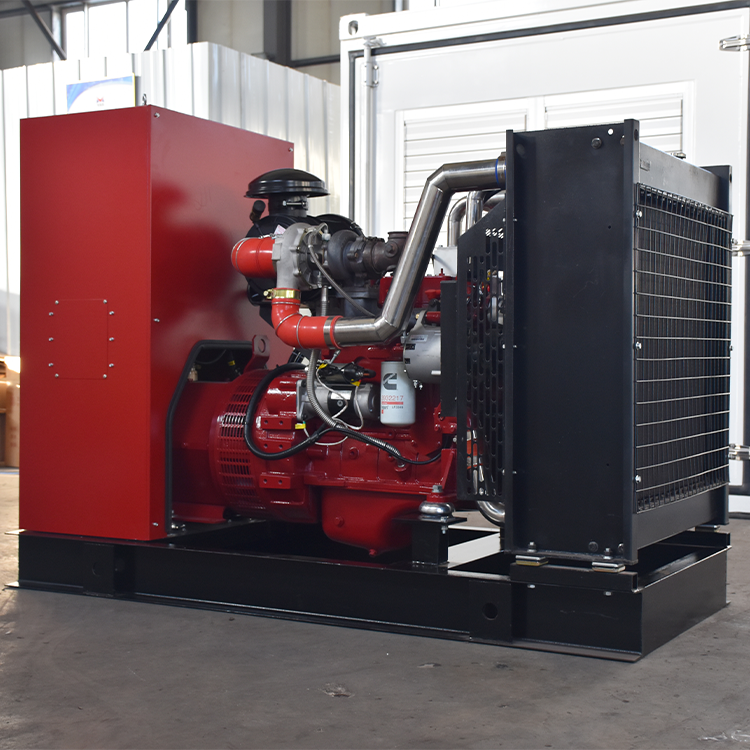
Energy companies worldwide are increasingly turning to natural gas generators as their preferred power generation solution, driven by the need for reliable, efficient, and environmentally responsible electricity production. These sophisticated power systems have revolutionized how utilities and industrial facilities approach energy generation, offering a compelling combination of operational flexibility, reduced emissions, and cost-effectiveness that traditional coal-fired plants simply cannot match. The growing adoption of natural gas generators reflects a fundamental shift in the energy sector's priorities, where efficiency and environmental stewardship have become critical factors in strategic planning and investment decisions.
Superior Efficiency Standards in Modern Power Generation
Advanced Combustion Technology
Modern natural gas generators incorporate cutting-edge combustion technologies that maximize fuel utilization while minimizing waste heat production. These systems utilize precision-engineered combustion chambers designed to achieve optimal air-fuel ratios, resulting in nearly complete fuel combustion and exceptional thermal efficiency ratings often exceeding 60%. The sophisticated control systems continuously monitor and adjust operating parameters to maintain peak performance across varying load conditions, ensuring consistent efficiency regardless of demand fluctuations.
The implementation of combined-cycle technology in larger natural gas generation facilities further enhances overall system efficiency by capturing and utilizing waste heat from the primary combustion process. This innovative approach allows facilities to generate additional electricity from what would otherwise be lost energy, pushing total system efficiency ratings well above traditional single-cycle alternatives and making natural gas generators the most efficient fossil fuel power generation option available today.
Real-Time Performance Optimization
Contemporary natural gas generators feature intelligent monitoring and control systems that continuously optimize performance parameters to maintain maximum efficiency throughout their operational lifecycle. These systems analyze hundreds of data points per second, including fuel flow rates, combustion temperatures, emissions levels, and electrical output characteristics, making real-time adjustments to ensure optimal performance under all operating conditions.
The integration of predictive maintenance algorithms and machine learning capabilities allows these generators to anticipate potential performance degradation and automatically adjust operating parameters to compensate for component wear or changing environmental conditions. This proactive approach to performance management ensures that efficiency levels remain consistently high throughout the equipment's service life, reducing the need for costly maintenance interventions and maximizing return on investment for energy companies.
Environmental Compliance and Emissions Reduction
Clean Burning Characteristics
Natural gas generators produce significantly lower emissions compared to coal or oil-fired alternatives, making them an attractive option for energy companies facing increasingly stringent environmental regulations. The clean-burning properties of natural gas result in substantially reduced sulfur dioxide, nitrogen oxides, and particulate matter emissions, helping utilities meet air quality standards while maintaining reliable power generation capabilities.
The reduced carbon intensity of natural gas combustion translates to approximately 50% lower carbon dioxide emissions per unit of electricity generated compared to coal-fired power plants. This significant reduction in greenhouse gas emissions aligns with corporate sustainability goals and regulatory requirements, positioning natural gas generators as a crucial bridge technology in the transition toward cleaner energy systems while maintaining grid reliability and economic viability.
Advanced Emission Control Systems
State-of-the-art natural gas generators incorporate sophisticated emission control technologies that further reduce their environmental impact while maintaining optimal performance characteristics. These systems include selective catalytic reduction units, oxidation catalysts, and advanced combustion controls that work together to minimize the formation and release of harmful pollutants during the power generation process.
The implementation of continuous emissions monitoring systems ensures that natural gas generators consistently operate within permitted emission levels while providing real-time data to regulatory authorities and plant operators. This level of environmental monitoring and control capability demonstrates the commitment of energy companies to responsible power generation practices while maintaining the operational flexibility necessary to meet dynamic electricity demand patterns.
Economic Benefits and Cost Optimization
Fuel Cost Advantages
The abundant domestic supply of natural gas in many regions has created significant cost advantages for power generation companies utilizing natural gas generators compared to other fossil fuel alternatives. The relatively stable pricing structure of natural gas, combined with its high energy content and efficient combustion characteristics, results in lower fuel costs per megawatt-hour of electricity generated, improving the overall economics of power plant operations.
Long-term natural gas supply contracts provide energy companies with predictable fuel cost structures that facilitate accurate financial planning and competitive electricity pricing strategies. The ability to hedge against fuel price volatility through various financial instruments further enhances the economic attractiveness of natural gas generators, providing operators with greater certainty regarding operational expenses and profit margins.
Reduced Maintenance Requirements
Natural gas generators typically require less intensive maintenance compared to coal-fired power plants due to the cleaner burning characteristics of natural gas and the reduced wear on system components. The absence of ash handling systems, reduced corrosion from sulfur compounds, and lower thermal cycling stress result in extended maintenance intervals and reduced overall maintenance costs throughout the equipment lifecycle.
The modular design of many modern natural gas generators allows for targeted maintenance activities without requiring complete system shutdowns, minimizing revenue losses associated with planned maintenance outages. This operational flexibility, combined with the inherently reliable nature of natural gas generator technology, results in higher availability factors and improved financial performance for energy companies investing in these systems.
Operational Flexibility and Grid Stability
Rapid Response Capabilities
One of the most significant advantages of natural gas generators is their ability to quickly respond to changing electricity demand patterns, providing essential grid stabilization services that are increasingly valuable as renewable energy sources become more prevalent. These systems can typically reach full load capacity within minutes of startup, compared to hours required by coal-fired plants, making them ideal for peak load management and emergency backup power applications.
The fast ramping capabilities of natural gas generators enable grid operators to maintain system stability during periods of high renewable energy variability, such as when solar or wind output fluctuates due to weather conditions. This operational flexibility provides essential ancillary services that help maintain grid frequency and voltage within acceptable parameters, ensuring reliable electricity delivery to end users while accommodating increasing renewable energy penetration.
Load Following Performance
Modern natural gas generators excel at load following operations, efficiently adjusting their output to match real-time electricity demand fluctuations while maintaining high efficiency levels across a wide range of operating conditions. This capability is particularly valuable for utilities managing complex load profiles that include both baseload and peaking power requirements throughout different times of day and seasonal periods.
The precise control systems integrated into contemporary natural gas generators enable smooth load transitions without significant efficiency penalties or increased emissions, allowing operators to optimize system performance while responding to economic dispatch signals from grid operators. This operational versatility makes natural gas generators valuable assets for both utility-scale power generation and distributed energy applications where flexible, efficient power production is essential.
Technology Integration and Future Adaptability
Digital Control Systems
Contemporary natural gas generators incorporate advanced digital control systems that provide unprecedented levels of operational visibility and control capability, enabling operators to optimize performance parameters in real-time while maintaining comprehensive operational records for regulatory compliance and performance analysis. These sophisticated control platforms integrate seamlessly with existing power plant management systems, providing centralized monitoring and control capabilities across multiple generation units.
The implementation of industrial internet-of-things technology in modern natural gas generators enables remote monitoring and diagnostics capabilities that allow operators to identify potential issues before they impact system performance or reliability. This predictive maintenance approach, combined with advanced data analytics capabilities, helps energy companies maximize equipment uptime while minimizing operational costs and maintenance requirements.
Renewable Energy Integration
Natural gas generators serve as essential complementary technologies for renewable energy integration, providing the flexible, dispatchable power generation capacity necessary to maintain grid stability as variable renewable energy sources comprise larger portions of the electricity supply mix. The rapid startup and shutdown capabilities of these systems make them ideal for balancing renewable energy output variations while maintaining system reliability.
The potential for natural gas generators to utilize renewable natural gas or hydrogen-natural gas blends positions these systems as adaptable technologies that can evolve with changing fuel availability and environmental regulations. This future-proofing capability ensures that investments in natural gas generation infrastructure remain viable as the energy sector continues its transition toward increasingly sustainable power generation methods.
FAQ
What makes natural gas generators more efficient than other fossil fuel generators
Natural gas generators achieve higher efficiency through advanced combustion technology, combined-cycle capabilities, and optimized air-fuel ratios that maximize energy conversion while minimizing waste heat. Modern units can achieve efficiency rates exceeding 60%, significantly higher than coal or oil-fired alternatives, while producing fewer emissions per unit of electricity generated.
How quickly can natural gas generators respond to changing electricity demand
Natural gas generators can typically reach full load capacity within 10-15 minutes of startup, making them excellent for peak load management and grid stabilization services. This rapid response capability is essential for maintaining grid stability, especially as renewable energy sources with variable output become more prevalent in the electricity supply mix.
What are the environmental benefits of using natural gas generators
Natural gas generators produce approximately 50% fewer carbon dioxide emissions than coal-fired plants, while also generating significantly lower levels of sulfur dioxide, nitrogen oxides, and particulate matter. The clean-burning characteristics of natural gas help energy companies meet environmental regulations while maintaining reliable power generation capabilities.
Can natural gas generators work effectively with renewable energy sources
Yes, natural gas generators serve as ideal complementary technologies for renewable energy integration due to their rapid startup capabilities and flexible load-following performance. They can quickly compensate for renewable energy output variations while maintaining grid stability, making them essential components of modern power systems with high renewable energy penetration.
Table of Contents
- Superior Efficiency Standards in Modern Power Generation
- Environmental Compliance and Emissions Reduction
- Economic Benefits and Cost Optimization
- Operational Flexibility and Grid Stability
- Technology Integration and Future Adaptability
-
FAQ
- What makes natural gas generators more efficient than other fossil fuel generators
- How quickly can natural gas generators respond to changing electricity demand
- What are the environmental benefits of using natural gas generators
- Can natural gas generators work effectively with renewable energy sources