
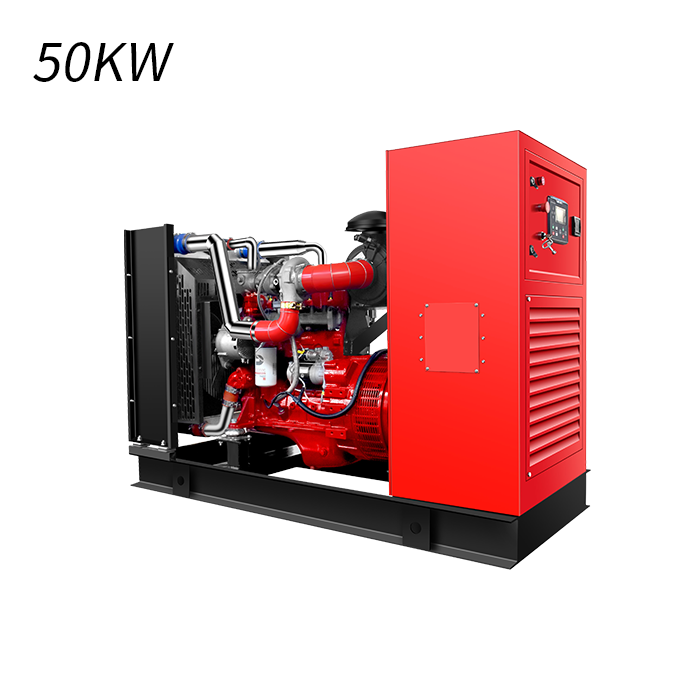
Selecting the right methane generator for a waste-to-energy project is one of the most consequential decisions a project engineer or facility manager will make. The choice directly affects energy output reliability, operational safety, long-term maintenance costs, and the overall return on investment for the entire installation. With biogas and landfill gas recovery projects expanding across municipal, agricultural, and industrial sectors, the demand for purpose-fit methane generator systems has never been more critical to get right from the outset.
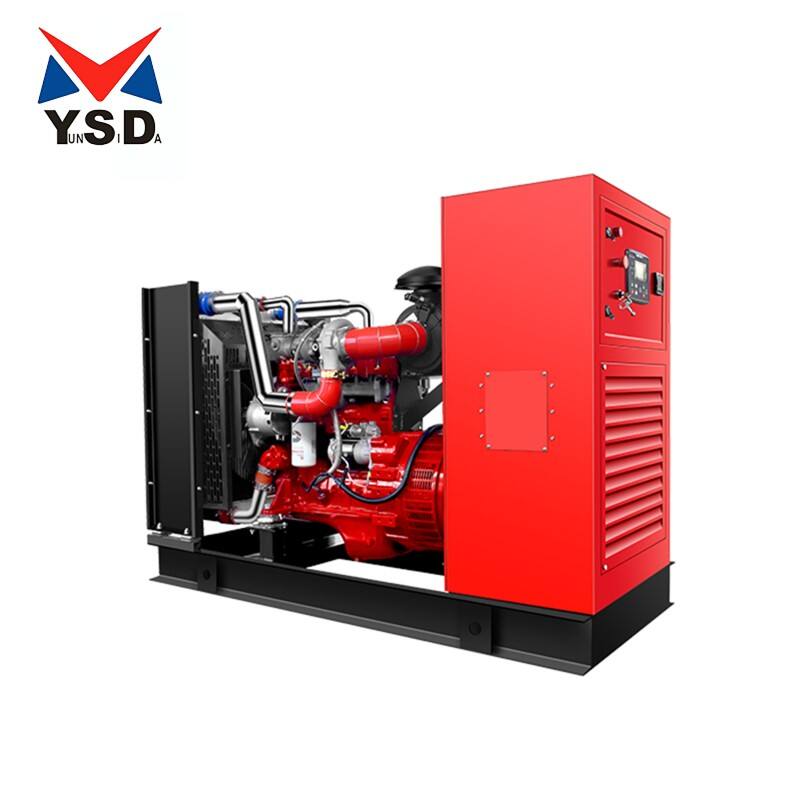
A methane generator is not a commodity purchase. Unlike standard diesel or natural gas gensets, a methane generator must be matched to the specific gas composition, flow rate, pressure profile, and contamination levels that characterize each unique waste stream. Getting this match wrong leads to premature engine wear, inconsistent power output, and costly unplanned downtime. This guide walks through the key selection criteria that engineering teams and project developers should evaluate before committing to a methane generator for any waste-to-energy application.
Understanding the Waste Stream Before Choosing a Methane Generator
Gas Composition and Methane Concentration
The first and most fundamental step in selecting a methane generator is a thorough analysis of the gas source. Biogas from anaerobic digesters, landfill gas, and sewage treatment gas all carry different methane concentrations, typically ranging from 45% to 75% methane by volume. A methane generator designed for high-concentration biogas will not perform reliably on lean landfill gas without significant derating or modification.
Hydrogen sulfide content is another critical variable. High H2S levels accelerate corrosion in engine components, particularly in the lubrication system and exhaust path. Before specifying a methane generator, operators must know the H2S concentration in parts per million and confirm that the selected unit includes appropriate gas conditioning or that the engine metallurgy is rated for the expected exposure levels.
Moisture content and siloxane levels also matter significantly. Siloxanes, commonly found in landfill gas and digester gas from municipal wastewater plants, deposit as hard silicon dioxide on engine surfaces during combustion. A methane generator deployed in a siloxane-rich environment requires upstream gas cleaning systems and an engine specification that accounts for this contamination risk.
Gas Flow Rate and Pressure Consistency
The available gas flow rate from the waste source determines the maximum electrical output a methane generator can sustain. Engineers must calculate the steady-state gas production rate from the waste stream and apply a conservative utilization factor to account for seasonal variation, feedstock changes, and system inefficiencies. Oversizing a methane generator relative to available gas supply leads to chronic underloading, which degrades engine health over time.
Gas supply pressure must also be stable within the operating range specified by the methane generator manufacturer. Fluctuating inlet pressure causes combustion instability, which in turn affects power quality and can trigger protective shutdowns. Where gas pressure is inherently variable, a pressure regulation and buffering system upstream of the methane generator is a necessary part of the overall system design.
Key Technical Specifications to Evaluate in a Methane Generator
Engine Type and Fuel Flexibility
The engine at the core of a methane generator is the primary determinant of performance, durability, and maintenance interval. Spark-ignited gas engines are the standard choice for biogas and landfill gas applications. Within this category, lean-burn engines offer higher efficiency and lower NOx emissions, while stoichiometric engines with three-way catalysts provide better emissions control at the cost of slightly lower thermal efficiency.
Fuel flexibility is a valuable attribute in waste-to-energy contexts where gas quality can shift over time. Some methane generator platforms allow adjustment of the air-fuel ratio and ignition timing to accommodate changes in methane concentration without requiring hardware modifications. This adaptability reduces operational risk when feedstock composition evolves, as is common in agricultural digesters or mixed-waste landfill sites.
The compression ratio of the engine also influences how well a methane generator handles varying gas quality. Higher compression ratios improve efficiency with high-methane gas but increase the risk of knock with leaner mixtures. Selecting an engine with an appropriate compression ratio for the expected gas quality range is a detail that significantly affects long-term reliability.
Power Output Rating and Derating Considerations
Nameplate power ratings for a methane generator are typically established under standard conditions using pipeline-quality natural gas. When the unit operates on biogas or landfill gas with lower methane content, the actual output will be derated. Manufacturers provide derating curves or tables that show expected output at various methane concentrations, and these figures must be used when sizing the methane generator for a specific project.
Altitude and ambient temperature also affect the output of a methane generator. Projects located at elevation or in hot climates must apply additional derating factors to ensure the selected unit can meet the project's power delivery requirements under real operating conditions. Failing to account for these factors during selection is a common source of underperformance in commissioned systems.
For projects with variable gas production, it may be more effective to deploy multiple smaller methane generator units in a modular configuration rather than a single large unit. This approach allows individual units to be taken offline for maintenance without interrupting power generation and provides better part-load efficiency across the range of gas availability.
Safety Systems and Monitoring Requirements for a Methane Generator
Gas Leakage Detection and Alarm Systems
Safety is non-negotiable in any installation involving a methane generator. Methane is a flammable gas with a lower explosive limit of approximately 5% by volume in air. Any methane generator installation must include a properly designed gas leakage detection system with sensors positioned at likely leak points including gas supply connections, valve assemblies, and the generator enclosure itself.
Modern methane generator systems integrate gas leakage alarm monitoring directly into the control panel, enabling automatic shutdown of the gas supply valve and the generator if a leak is detected above a set threshold. This integration is not merely a regulatory requirement in most jurisdictions — it is a fundamental operational safeguard that protects personnel, equipment, and the surrounding facility from catastrophic risk.
When evaluating a methane generator for a waste-to-energy project, confirm that the gas detection system is calibrated for the specific gas mixture present at the site. Biogas contains carbon dioxide and trace gases in addition to methane, and some sensor technologies can be affected by cross-sensitivity to these compounds. Specifying sensors with appropriate selectivity ensures reliable alarm performance throughout the system's operational life.
Control System Integration and Remote Monitoring
A methane generator deployed in a waste-to-energy facility should be equipped with a control system capable of communicating with the site's broader supervisory control and data acquisition infrastructure. Real-time monitoring of engine parameters including exhaust temperature, oil pressure, coolant temperature, and power output allows operators to detect developing faults before they result in unplanned shutdowns.
Remote monitoring capability is particularly valuable for methane generator installations at remote landfill sites or agricultural facilities where on-site staffing is limited. Cloud-connected control systems allow engineering teams to review performance data, adjust operating parameters, and receive fault alerts from any location. This capability reduces response time to abnormal conditions and supports proactive maintenance scheduling.
Data logging from the methane generator control system also provides the performance records needed to verify compliance with emissions permits, track fuel consumption efficiency, and support warranty claims. Selecting a methane generator with a robust, open-protocol control system avoids vendor lock-in and simplifies integration with third-party monitoring platforms.
Cooling Configuration and Heat Recovery Potential
Water-Cooled vs. Air-Cooled Methane Generator Systems
The cooling configuration of a methane generator has significant implications for both performance and heat recovery potential. Water-cooled methane generator systems maintain more stable operating temperatures across varying load conditions and ambient environments, which supports consistent combustion efficiency and extends engine component life compared to air-cooled alternatives.
In waste-to-energy projects where combined heat and power generation is a project objective, a water-cooled methane generator is the preferred configuration. The engine jacket water and exhaust gas heat recovery circuits can supply thermal energy for space heating, process heat, or absorption cooling, significantly improving the overall energy efficiency of the installation and the project's financial performance.
Air-cooled methane generator units are simpler and lower in initial cost, but they are generally more suitable for smaller-scale or temporary applications where heat recovery is not a priority. For permanent waste-to-energy installations targeting maximum energy utilization from the available biogas resource, the additional investment in a water-cooled methane generator with heat recovery capability is typically well justified by the improved energy yield.
Thermal Output Matching to Site Heat Demand
When selecting a methane generator for a combined heat and power application, the thermal output of the unit must be matched to the site's actual heat demand profile. A methane generator that produces more heat than the site can absorb will require a heat dump system, which wastes recoverable energy and reduces the project's overall efficiency metrics.
Conversely, selecting a methane generator primarily on the basis of thermal output at the expense of electrical efficiency can result in suboptimal power generation. The selection process should involve a detailed energy balance that accounts for both electrical and thermal demand across seasonal and operational cycles, ensuring the chosen methane generator delivers the best combined performance for the specific site conditions.
Regulatory Compliance and Long-Term Serviceability
Emissions Standards and Certification Requirements
A methane generator installed in a waste-to-energy facility must comply with applicable emissions regulations governing NOx, CO, and non-methane hydrocarbon output. Regulatory requirements vary by jurisdiction and project type, and the selected methane generator must be certified to meet the relevant standards without requiring aftertreatment systems that add complexity and cost unless those systems are already factored into the project design.
Certification documentation for the methane generator should be reviewed carefully before purchase. This includes engine emissions test reports, electrical safety certifications, and any country-specific approvals required for grid connection or incentive program eligibility. Gaps in certification can delay project commissioning and create compliance liability for the project owner.
Spare Parts Availability and Service Network
The long-term serviceability of a methane generator is a selection criterion that is often underweighted during the procurement process. A methane generator with excellent initial specifications but limited spare parts availability or a weak regional service network will generate disproportionate maintenance costs and downtime over its operational life.
Before finalizing the selection of a methane generator, project teams should verify the availability of critical consumables including spark plugs, air and oil filters, valve train components, and ignition system parts. Confirming that the supplier maintains local or regional inventory and can provide qualified service technicians within an acceptable response time is essential for projects where continuous power generation is a contractual or operational requirement.
Service interval requirements also vary significantly between methane generator platforms. Units designed specifically for biogas service typically have shorter oil change intervals and more frequent valve adjustment schedules than natural gas engines, reflecting the more demanding combustion environment. Understanding these requirements upfront allows project operators to budget accurately for ongoing maintenance and avoid surprises that affect project economics.
FAQ
What methane concentration is required for a methane generator to operate efficiently?
Most methane generator systems designed for biogas applications can operate with methane concentrations between 45% and 75%. Below approximately 40% methane, significant derating occurs and some engines may not sustain stable combustion without gas enrichment. The specific minimum concentration threshold varies by engine model, so confirming this parameter with the manufacturer against your measured gas composition is essential before selection.
How does hydrogen sulfide in biogas affect a methane generator?
Hydrogen sulfide is corrosive to engine components and degrades lubricating oil more rapidly than clean natural gas. High H2S concentrations accelerate wear on cylinder liners, piston rings, and exhaust valves, and can contaminate the lubrication system with acidic byproducts. Most methane generator manufacturers specify a maximum H2S tolerance, typically between 200 and 1000 ppm depending on the engine design, and recommend upstream gas desulfurization when concentrations exceed this threshold.
Is a single large methane generator better than multiple smaller units for a waste-to-energy project?
The answer depends on the gas supply profile and the project's availability requirements. A single large methane generator offers lower capital cost per kilowatt but creates a single point of failure. Multiple smaller units provide redundancy, allow staged commissioning as gas production ramps up, and enable better part-load efficiency when gas supply is variable. For projects where continuous power generation is critical, a modular multi-unit configuration is generally the more resilient choice.
What is the role of a gas leakage alarm monitoring system in a methane generator installation?
A gas leakage alarm monitoring system continuously measures methane concentration in the air around the methane generator and its gas supply infrastructure. When a leak is detected above a preset threshold, the system triggers an alarm and initiates an automatic shutdown of the gas supply and the generator to prevent the accumulation of explosive gas concentrations. This system is a mandatory safety component in virtually all regulatory frameworks governing methane generator installations and is a critical safeguard for personnel and asset protection.
Table of Contents
- Understanding the Waste Stream Before Choosing a Methane Generator
- Key Technical Specifications to Evaluate in a Methane Generator
- Safety Systems and Monitoring Requirements for a Methane Generator
- Cooling Configuration and Heat Recovery Potential
- Regulatory Compliance and Long-Term Serviceability
-
FAQ
- What methane concentration is required for a methane generator to operate efficiently?
- How does hydrogen sulfide in biogas affect a methane generator?
- Is a single large methane generator better than multiple smaller units for a waste-to-energy project?
- What is the role of a gas leakage alarm monitoring system in a methane generator installation?