
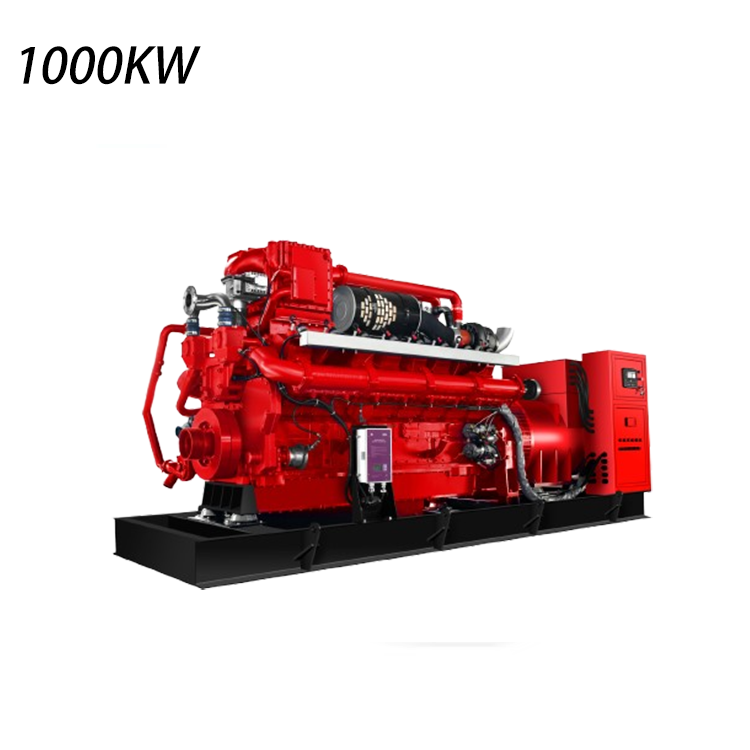
Agriculture has long been one of the most resource-intensive industries on the planet, consuming vast quantities of energy for irrigation, processing, heating, and machinery. As farms and agribusinesses face mounting pressure to reduce their carbon footprint and operating costs, the methane generator has emerged as one of the most practical and impactful tools available. By converting organic agricultural waste into usable electricity and heat, this technology directly addresses two of farming's biggest challenges: waste management and energy dependency.
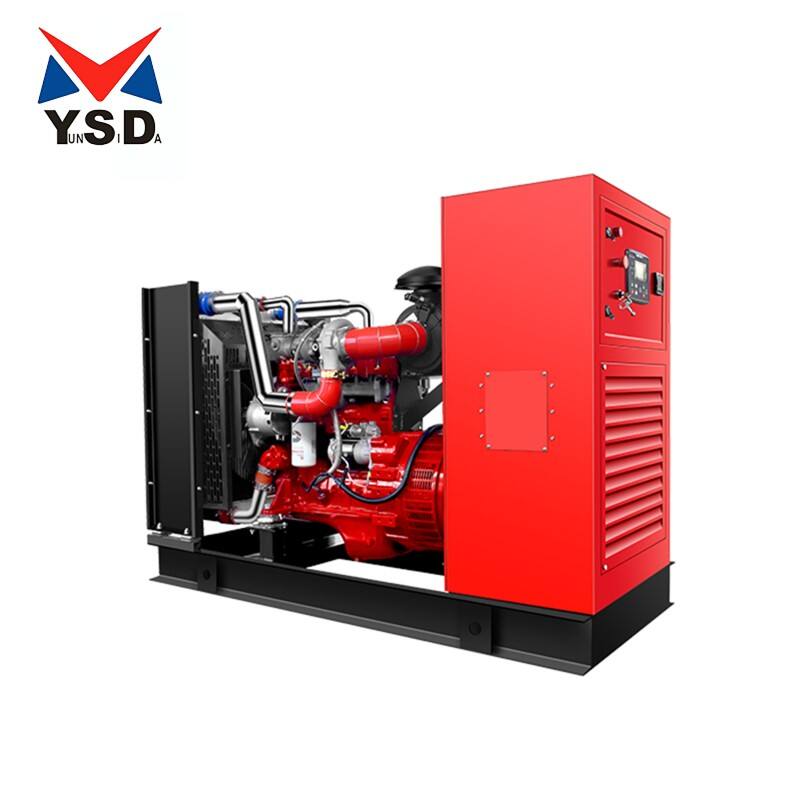
Understanding how a methane generator works within the context of modern agriculture is essential for farmers, agribusiness managers, and sustainability planners alike. The technology is not simply about generating power — it represents a complete rethinking of the farm's energy and waste cycle. When implemented thoughtfully, a methane generator can transform liabilities like manure, crop residue, and food processing waste into clean, renewable energy assets that reduce costs and environmental impact simultaneously.
The Core Mechanism Behind Agricultural Methane Generation
How Organic Waste Becomes Usable Energy
At the heart of any agricultural methane generator system is the anaerobic digestion process. Organic materials — including livestock manure, silage, food scraps, and slaughterhouse byproducts — are fed into a sealed digester tank where microbial activity breaks down the material in the absence of oxygen. This biological decomposition produces biogas, a mixture primarily composed of methane and carbon dioxide.
The raw biogas is then cleaned and conditioned before being fed into the methane generator, where it fuels an internal combustion engine or turbine to produce electricity. Thermal energy released during this process can also be captured for heating livestock facilities, greenhouses, or water supplies on the farm. This combined heat and power approach, often called CHP, maximizes the efficiency of every unit of biogas produced.
The result is a closed-loop system where waste materials that once represented a disposal problem are continuously cycled into productive energy. This is not a hypothetical future technology — it is actively deployed on farms ranging from small family operations to large commercial agribusinesses around the world.
The Role of Biogas Quality in Generator Performance
Not all biogas is identical. The methane content in raw biogas typically ranges from 50% to 75%, depending on the feedstock composition and digester conditions. A well-maintained methane generator is engineered to handle variable gas quality, but optimizing feedstock ratios and digester temperature significantly improves both gas yield and generator efficiency.
Modern agricultural methane generator systems often include gas monitoring and purification units that remove hydrogen sulfide, moisture, and particulates before the gas enters the engine. This protects the generator components from corrosion and wear, extending operational lifespan and reducing maintenance costs. Gas leakage alarm and monitoring systems are a critical safety feature, ensuring that any uncontrolled methane release is detected and addressed immediately.
Farmers who invest in proper gas conditioning infrastructure consistently achieve higher generator output and lower downtime, making the initial investment in quality equipment a financially sound decision over the medium and long term.
Direct Sustainability Benefits for Agricultural Operations
Reducing Greenhouse Gas Emissions at the Source
One of the most significant sustainability contributions of a methane generator in agriculture is its direct impact on greenhouse gas emissions. Livestock manure and decomposing organic waste naturally emit methane when left untreated in open lagoons or piles. Methane is approximately 28 times more potent as a greenhouse gas than carbon dioxide over a 100-year period, making uncontrolled agricultural emissions a serious climate concern.
By capturing this methane before it escapes into the atmosphere and converting it into electricity through a methane generator, farms effectively prevent a significant volume of harmful emissions. This emission reduction is measurable and verifiable, making it eligible for carbon credit programs in many jurisdictions. For agribusinesses with sustainability reporting requirements, this creates both environmental and financial value.
Beyond direct emission reductions, replacing diesel generators or grid electricity with biogas-powered generation further reduces the farm's overall carbon footprint. Each kilowatt-hour of electricity produced by a methane generator displaces a corresponding amount of fossil-fuel-derived power, compounding the environmental benefit over time.
Transforming Waste Management into a Value-Added Process
Traditional agricultural waste management is costly and environmentally problematic. Large-scale livestock operations generate enormous volumes of manure daily, and improper handling leads to soil and groundwater contamination, odor issues, and regulatory complications. A methane generator integrated with an anaerobic digestion system fundamentally changes this equation.
After the digestion process, the remaining material — called digestate — is a nutrient-rich organic fertilizer that can be applied directly to fields. This closes the nutrient cycle on the farm, reducing reliance on synthetic fertilizers and the environmental costs associated with their production and transport. The combination of energy generation and fertilizer recovery means a single methane generator system delivers multiple sustainability outcomes simultaneously.
For farms operating under strict environmental compliance standards, this integrated approach to waste management also simplifies regulatory reporting. Instead of managing waste as a liability, the farm documents it as part of a productive energy and nutrient recovery cycle, which aligns well with modern agricultural sustainability frameworks.
Economic Dimensions That Reinforce Sustainable Practices
Energy Independence and Cost Reduction
Sustainability in agriculture cannot be separated from economic viability. A methane generator provides farms with a degree of energy independence that insulates operations from volatile electricity prices and fuel supply disruptions. For farms in rural areas with unreliable grid connections, on-site power generation is not just an environmental choice but an operational necessity.
The fuel source for a methane generator — organic waste — is generated continuously on a working farm at no additional cost. Once the capital investment in the digester and generator system is recovered, the marginal cost of electricity production drops dramatically. Studies from operational agricultural biogas systems consistently show payback periods ranging from five to ten years, depending on farm size, energy consumption, and local energy prices.
Additionally, many governments and regional authorities offer incentive programs, subsidies, or feed-in tariffs for electricity generated from renewable agricultural biogas. These programs accelerate return on investment and make the methane generator an even more compelling financial proposition for forward-thinking farm operators.
Supporting Long-Term Farm Resilience
Farms that integrate a methane generator into their operations tend to develop greater overall resilience. By diversifying revenue streams — selling excess electricity back to the grid, generating carbon credits, and reducing purchased input costs — these operations become less vulnerable to single-point economic risks such as commodity price crashes or energy price spikes.
This resilience is itself a form of sustainability. A farm that remains economically viable across different market conditions is a farm that continues to produce food, employ workers, and manage land responsibly over the long term. The methane generator, in this sense, is not just an energy device — it is a strategic infrastructure investment in the farm's future.
Agribusinesses that adopt methane generator technology early also position themselves favorably as supply chain sustainability requirements tighten. Large food retailers, processors, and institutional buyers increasingly require suppliers to demonstrate measurable environmental performance, and documented on-farm energy generation from a methane generator is a powerful credential in that context.
Implementation Considerations for Agricultural Settings
Choosing the Right System Scale and Configuration
The scale of a methane generator system must be matched carefully to the available feedstock volume and the farm's energy demands. Undersized systems fail to process all available waste, leaving potential energy unrealized. Oversized systems incur unnecessary capital costs and may operate inefficiently at partial load. Conducting a detailed feedstock assessment before specifying equipment is a critical first step.
Farms with diverse waste streams — combining manure, crop residues, and food processing waste — often achieve higher biogas yields and more consistent gas quality than those relying on a single feedstock. A well-designed methane generator system is flexible enough to accept co-digestion inputs, which allows the farm to optimize gas production throughout the year even as seasonal feedstock availability changes.
Single-phase and three-phase generator configurations are available to suit different farm electrical systems, and water-cooled engines offer advantages in terms of thermal energy recovery, making them particularly well-suited to agricultural CHP applications where heating needs are significant.
Operational Management and Monitoring
A methane generator system requires consistent operational management to deliver reliable performance. Regular monitoring of digester conditions — including temperature, pH, and volatile solids content — ensures optimal microbial activity and biogas production. Engine maintenance schedules must be followed rigorously, as biogas engines have specific lubrication and filter replacement intervals that differ from conventional diesel equipment.
Modern systems increasingly incorporate remote monitoring platforms that allow farm operators or equipment service teams to track generator performance, gas flow rates, and alarm conditions in real time. Gas leakage detection is a non-negotiable safety feature in any agricultural methane generator installation, protecting both personnel and the integrity of the system. Automated shutdown and alert systems are standard in quality equipment and should be treated as essential rather than optional features.
Training farm staff in basic system operation and emergency response protocols ensures that minor issues are addressed promptly before they escalate. The most successful agricultural biogas operations treat the methane generator system with the same operational discipline applied to other critical farm infrastructure.
FAQ
What types of agricultural waste are most suitable for a methane generator system?
Livestock manure — particularly from cattle, swine, and poultry — is among the most commonly used feedstocks for agricultural methane generator systems due to its consistent availability and favorable digestion characteristics. Crop residues, silage effluent, and food processing byproducts can also be used, often as co-digestion materials that enhance overall biogas yield. The key requirement is that the feedstock must be sufficiently high in organic matter and low in inhibitory compounds like excess ammonia or heavy metals.
How much electricity can a farm-based methane generator typically produce?
Electricity output from a methane generator varies widely based on feedstock volume, digester efficiency, and generator capacity. A medium-sized dairy operation with 500 to 1000 cows might generate enough biogas to power a generator producing 50 to 200 kilowatts of continuous electrical output. Larger operations or those with supplementary co-digestion inputs can achieve significantly higher outputs. A detailed energy balance assessment during the planning phase provides the most accurate production estimates for a specific farm context.
Is a methane generator system difficult to integrate with an existing farm operation?
Integration complexity depends on the existing farm infrastructure and waste management practices. Farms already using centralized manure collection and storage systems have a significant head start, as the digester can often be positioned close to existing waste flows. Electrical integration requires coordination with the local grid operator if the farm intends to export surplus power. Most system suppliers offer turnkey design and installation services that manage the integration process, and many farms report that day-to-day disruption during installation is minimal when proper planning is completed in advance.
What safety measures are necessary when operating a methane generator on a farm?
Methane is a flammable gas, so safety protocols are essential in any agricultural methane generator installation. Gas leakage alarm and monitoring systems must be installed at all key points in the gas handling infrastructure, including the digester, gas storage, and generator room. Adequate ventilation in enclosed spaces, regular inspection of gas pipework for integrity, and clear emergency shutdown procedures are all standard requirements. Staff must be trained in recognizing gas leakage symptoms and responding appropriately. Compliance with local safety codes and regular third-party system inspections further reduce operational risk.
Table of Contents
- The Core Mechanism Behind Agricultural Methane Generation
- Direct Sustainability Benefits for Agricultural Operations
- Economic Dimensions That Reinforce Sustainable Practices
- Implementation Considerations for Agricultural Settings
-
FAQ
- What types of agricultural waste are most suitable for a methane generator system?
- How much electricity can a farm-based methane generator typically produce?
- Is a methane generator system difficult to integrate with an existing farm operation?
- What safety measures are necessary when operating a methane generator on a farm?