
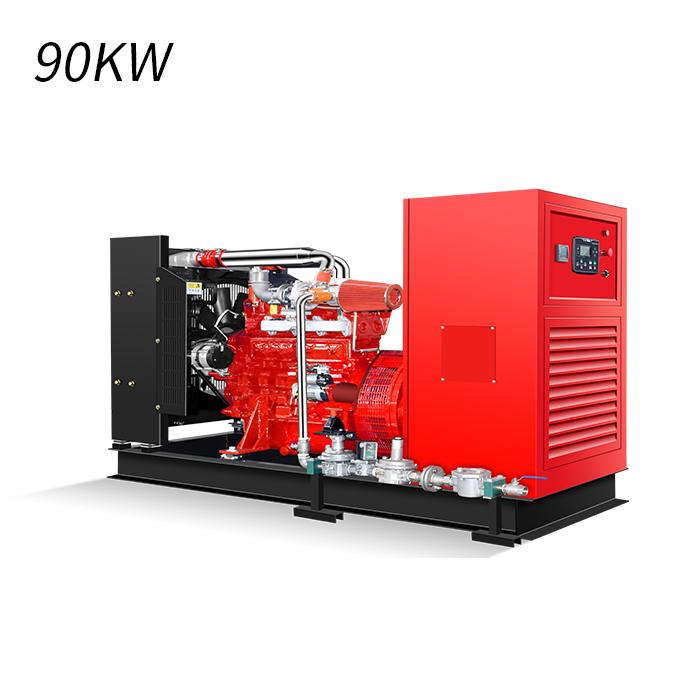
When evaluating power generation options for industrial and commercial applications, the question of efficiency is never trivial. A cng generator has emerged as a compelling alternative to traditional diesel and gasoline-powered units, and the reasons behind its superior efficiency are both technical and operational. Understanding why this technology outperforms conventional systems requires a close look at fuel chemistry, combustion dynamics, mechanical design, and real-world cost structures.
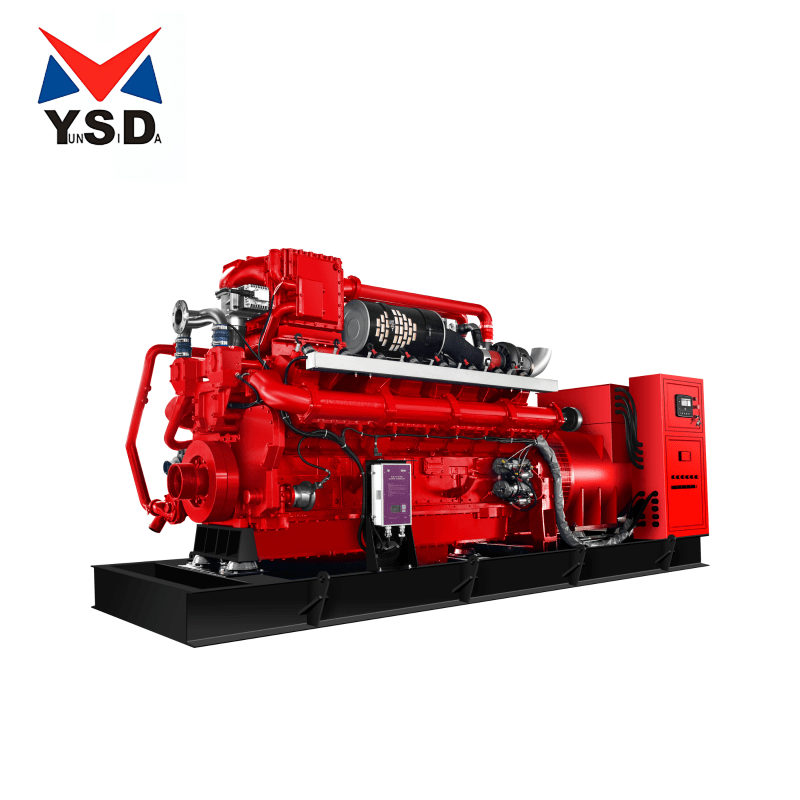
The shift toward compressed natural gas as a primary fuel source for power generation is not simply a trend driven by environmental policy. It reflects a measurable, engineering-backed reality: a cng generator consistently delivers more usable energy per unit of fuel cost, operates with lower maintenance demands, and sustains performance over longer duty cycles than its traditional counterparts. For facility managers, project engineers, and procurement teams, these advantages translate directly into lower total cost of ownership and more reliable power supply.
The Fuel Efficiency Advantage of a CNG Generator
Higher Energy Conversion Rates
One of the most fundamental reasons a cng generator outperforms traditional units lies in the thermodynamic properties of compressed natural gas itself. Natural gas has a higher octane rating than diesel or standard gasoline, which allows it to be used in engines with higher compression ratios without the risk of pre-ignition or knocking. Higher compression ratios directly translate into more complete combustion and greater thermal efficiency.
In practical terms, this means that a cng generator converts a larger proportion of the fuel's chemical energy into usable electrical output. Traditional diesel generators, by contrast, operate at lower compression efficiency thresholds and are more susceptible to incomplete combustion, particularly under variable load conditions. The result is a measurable gap in kilowatt-hours produced per unit of fuel consumed.
Modern cng generator systems are also engineered with optimized fuel injection and air-fuel mixture controls that further enhance combustion completeness. These systems continuously adjust the fuel delivery ratio to match load demand, ensuring that the engine operates within its peak efficiency band across a wide range of output levels.
Consistent Fuel Quality and Combustion Stability
Traditional generators running on diesel or gasoline are sensitive to fuel quality variations. Contaminated fuel, water ingress, or degraded fuel stored over extended periods can significantly reduce combustion efficiency and increase wear on engine components. A cng generator benefits from the inherently consistent composition of compressed natural gas, which is delivered through sealed pipeline or cylinder systems with minimal risk of contamination.
This consistency in fuel quality means that a cng generator maintains stable combustion characteristics across its operational life. There is no equivalent to diesel gelling in cold temperatures or gasoline varnishing in storage, both of which can impair traditional generator performance and require additional maintenance interventions. The reliability of fuel quality directly supports the reliability of power output.
Operational Cost Efficiency Over the Equipment Lifecycle
Lower Fuel Costs in Industrial Applications
Beyond the thermodynamic advantages, a cng generator delivers significant cost efficiency through the price structure of compressed natural gas relative to diesel. In most industrial markets, natural gas is priced substantially lower per unit of energy than diesel fuel, and this differential has remained relatively stable over time. For facilities running generators at high utilization rates, the cumulative fuel cost savings from operating a cng generator rather than a diesel unit can be substantial over a multi-year period.
For operations that require continuous or near-continuous power generation, such as data centers, manufacturing plants, or remote industrial sites, the fuel cost advantage of a cng generator compounds significantly. Even modest differences in fuel cost per kilowatt-hour become major budget line items when multiplied across thousands of operating hours annually.
Additionally, facilities connected to natural gas distribution infrastructure can often negotiate long-term supply contracts that provide price stability, further insulating operations from the fuel price volatility that frequently affects diesel-dependent power systems.
Reduced Maintenance Requirements and Downtime
A cng generator operates with a cleaner combustion profile than traditional diesel units, which has direct implications for engine wear and maintenance intervals. Natural gas combustion produces significantly less carbon soot, particulate matter, and acidic byproducts than diesel combustion. These byproducts are primary contributors to engine oil degradation, injector fouling, and exhaust system deposits in traditional generators.
Because a cng generator produces fewer of these contaminants, engine oil retains its lubricating properties for longer periods, spark plugs and ignition components experience less fouling, and exhaust aftertreatment systems require less frequent servicing. The practical outcome is longer intervals between scheduled maintenance events and a lower probability of unplanned downtime caused by component degradation.
For industrial operations where generator downtime carries significant productivity or safety costs, the reduced maintenance burden of a cng generator represents a meaningful operational advantage that goes beyond simple fuel savings.
Environmental Efficiency and Regulatory Alignment
Lower Emissions Per Unit of Output
Efficiency in power generation is increasingly measured not only in energy terms but also in environmental impact per unit of output. A cng generator produces substantially lower levels of nitrogen oxides, sulfur dioxide, and particulate matter compared to diesel generators operating at equivalent output levels. Carbon dioxide emissions per kilowatt-hour are also lower due to the higher hydrogen-to-carbon ratio of methane, the primary component of natural gas.
This emissions profile means that a cng generator can often meet stringent air quality regulations without requiring the same level of exhaust aftertreatment technology that diesel units demand. Diesel generators in many jurisdictions now require diesel particulate filters, selective catalytic reduction systems, and exhaust gas recirculation equipment to comply with emissions standards. These systems add capital cost, maintenance complexity, and potential failure points that a cng generator largely avoids.
For industrial facilities operating in regions with tightening emissions regulations, choosing a cng generator is not only an environmental decision but a strategic one that reduces compliance risk and future retrofit costs.
Alignment with Sustainability and ESG Objectives
Many industrial and commercial organizations are now operating under formal environmental, social, and governance frameworks that require measurable reductions in operational emissions. A cng generator fits naturally within these frameworks as a lower-emission power source that does not require the same level of infrastructure disruption as a full transition to renewable energy systems.
In hybrid power configurations, a cng generator can serve as a reliable baseload or backup source while renewable generation handles peak or variable demand. This integration capability makes the cng generator a practical bridge technology for organizations working toward long-term decarbonization goals without sacrificing operational reliability in the near term.
Technical Design Features That Drive Efficiency
Advanced Control Systems and Load Management
Modern cng generator units are typically equipped with sophisticated electronic control systems that monitor and optimize engine performance in real time. These systems manage fuel injection timing, air-fuel ratio, ignition advance, and load distribution to ensure that the generator operates at peak efficiency regardless of fluctuating demand. Traditional generators, particularly older diesel units, often rely on simpler mechanical governors that cannot achieve the same level of dynamic optimization.
The integration of high-end control platforms in a cng generator also enables remote monitoring, predictive maintenance alerts, and automated fault diagnostics. These capabilities reduce the need for on-site technical intervention and allow facility managers to address potential issues before they result in unplanned outages. The combination of efficient combustion management and intelligent control architecture gives the cng generator a significant operational edge over conventional units.
Engine Architecture Optimized for Natural Gas
A purpose-built cng generator is not simply a diesel engine converted to run on natural gas. Modern designs incorporate engine architectures specifically optimized for the combustion characteristics of compressed natural gas, including modified cylinder head geometry, optimized valve timing, and fuel delivery systems designed for gaseous rather than liquid fuel. These design choices allow the engine to extract maximum efficiency from the fuel's energy content.
The absence of liquid fuel injection systems also simplifies the mechanical architecture of a cng generator, reducing the number of high-pressure components that are subject to wear and failure. Fuel delivery through a gaseous medium is inherently more consistent and requires less mechanical complexity than the precision liquid injection systems used in diesel engines, contributing to both reliability and long-term efficiency retention.
High-power cng generator configurations, such as those used in large industrial or utility-scale applications, often incorporate turbocharging and intercooling systems that further enhance volumetric efficiency and power density. These technologies allow a cng generator to achieve output levels comparable to much larger diesel units while maintaining its fuel and emissions efficiency advantages.
FAQ
How does a CNG generator compare to a diesel generator in terms of fuel cost per kilowatt-hour?
In most markets, a cng generator produces electricity at a lower fuel cost per kilowatt-hour than a diesel generator, primarily because compressed natural gas is priced lower per unit of energy than diesel fuel. The exact differential varies by region and supply contract terms, but the advantage is generally consistent and becomes more significant at higher utilization rates.
Is a CNG generator suitable for continuous industrial power generation?
Yes, a cng generator is well-suited for continuous or high-duty-cycle industrial applications. Its cleaner combustion profile reduces engine wear, its consistent fuel quality supports stable performance, and its lower maintenance requirements make it practical for operations that cannot tolerate frequent service interruptions. High-power configurations are available for demanding industrial loads.
What maintenance advantages does a CNG generator offer over traditional units?
A cng generator typically requires less frequent oil changes, experiences lower rates of injector and exhaust system fouling, and generates fewer carbon deposits than diesel generators. These factors extend maintenance intervals, reduce consumable costs, and lower the probability of unplanned downtime caused by component degradation from combustion byproducts.
Can a CNG generator be integrated into a hybrid power system with renewable energy sources?
A cng generator integrates effectively into hybrid configurations alongside solar, wind, or battery storage systems. It can serve as a reliable baseload or backup source that compensates for the intermittency of renewable generation, making it a practical component in power systems designed to reduce overall emissions while maintaining operational reliability.
Table of Contents
- The Fuel Efficiency Advantage of a CNG Generator
- Operational Cost Efficiency Over the Equipment Lifecycle
- Environmental Efficiency and Regulatory Alignment
- Technical Design Features That Drive Efficiency
-
FAQ
- How does a CNG generator compare to a diesel generator in terms of fuel cost per kilowatt-hour?
- Is a CNG generator suitable for continuous industrial power generation?
- What maintenance advantages does a CNG generator offer over traditional units?
- Can a CNG generator be integrated into a hybrid power system with renewable energy sources?