
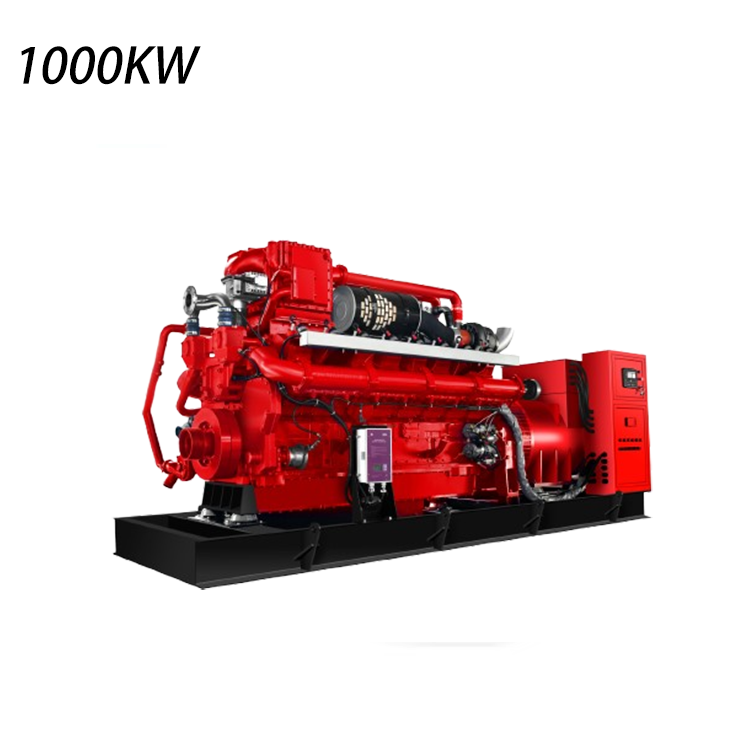
Organic waste has long been treated as a problem to be managed rather than a resource to be used. Across farms, food processing facilities, municipal wastewater plants, and industrial sites, enormous volumes of biodegradable material are generated every day. A biogas generator set changes that equation entirely by converting the methane released during organic decomposition into usable electricity and heat. This technology bridges the gap between waste management and energy production in a way that is both economically practical and environmentally sound.
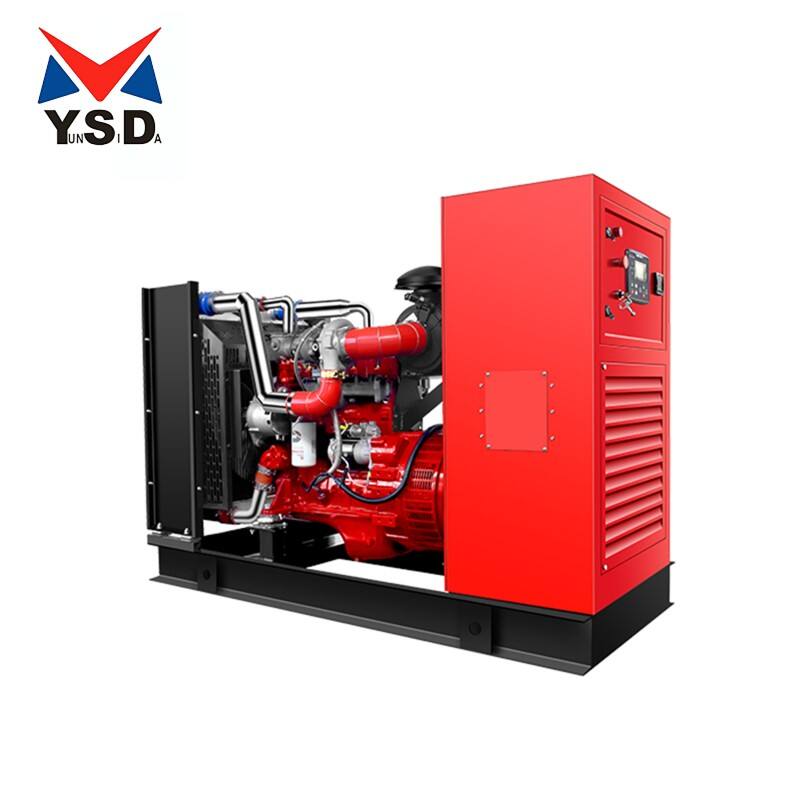
Understanding how a biogas generator set accomplishes this transformation requires looking at the full chain of events — from the biological breakdown of organic matter to the mechanical and electrical processes that deliver power to the grid or to on-site loads. Each stage in this chain is well-established, and when properly integrated, the result is a reliable, continuous energy source that reduces disposal costs, lowers carbon emissions, and creates measurable financial returns for operators. This article walks through the complete mechanism, the key components involved, the types of organic waste that qualify, and the practical considerations that determine whether a biogas generator set is the right fit for a given operation.
The Biological Foundation: How Organic Waste Becomes Combustible Gas
Anaerobic Digestion as the Core Process
The energy conversion journey begins not with machinery but with microbiology. When organic material is placed in an oxygen-free environment, naturally occurring microorganisms begin breaking it down through a process called anaerobic digestion. This process unfolds in several sequential stages — hydrolysis, acidogenesis, acetogenesis, and methanogenesis — each carried out by different microbial communities working in coordination.
The final stage, methanogenesis, is the one that matters most for energy production. Methanogenic archaea consume the intermediate compounds produced in earlier stages and release methane (CH4) and carbon dioxide (CO2) as byproducts. The resulting gas mixture, known as biogas, typically contains between 50% and 70% methane by volume, with the remainder being primarily CO2 and trace gases. This methane content is what makes biogas a viable fuel for a biogas generator set.
The digestion process takes place inside sealed vessels called digesters or anaerobic digesters. These are engineered to maintain optimal temperature, pH, and retention time for the microbial communities involved. Mesophilic digesters operate at around 35–40°C, while thermophilic systems run at 50–55°C and generally process waste faster. The choice between these configurations affects both the design of the digester and the upstream requirements of the biogas generator set that will consume the output.
Feedstock Variety and Its Impact on Gas Quality
Not all organic waste produces biogas at the same rate or quality. The methane yield of a given feedstock depends on its volatile solids content, carbon-to-nitrogen ratio, and biodegradability. Animal manure, food waste, crop residues, sewage sludge, and organic industrial effluents are among the most commonly used inputs. Each brings different characteristics to the digestion process.
Food waste and fats, oils, and greases tend to produce high methane yields because of their dense energy content. Animal manure is lower in energy density but is available in large, consistent volumes on livestock farms, making it a reliable feedstock for a biogas generator set in agricultural settings. Co-digestion — mixing multiple feedstocks — is a widely used strategy to balance nutrient ratios and stabilize gas production, which in turn supports more consistent generator operation.
Gas quality also depends on the concentration of hydrogen sulfide (H2S) and moisture in the raw biogas. Both must be managed before the gas reaches the biogas generator set. High H2S levels cause corrosion in engine components, while excess moisture can damage fuel delivery systems. Proper gas conditioning is therefore not optional — it is a prerequisite for reliable and long-lived generator performance.
Gas Conditioning and Fuel Preparation for the Generator
Why Raw Biogas Cannot Go Directly Into the Engine
Raw biogas leaving the digester is not immediately suitable as engine fuel. It carries moisture, hydrogen sulfide, siloxanes in some waste streams, and variable methane concentrations. Feeding this untreated gas into a biogas generator set would accelerate wear, reduce combustion efficiency, and risk serious mechanical damage over time. A conditioning system is therefore installed between the digester and the generator to bring the gas to the required specification.
Moisture removal is typically the first step, achieved through condensate traps, demisters, or refrigeration-based dryers. Hydrogen sulfide removal follows, using iron oxide filters, biological desulfurization units, or activated carbon beds depending on the concentration levels involved. In applications where siloxanes are present — common in landfill gas and some municipal sludge streams — additional filtration stages are required to prevent silica deposits from forming on engine components.
After conditioning, the gas is stored in a low-pressure holder or fed directly to the biogas generator set through a pressure regulation system. The regulator ensures that the engine receives fuel at a consistent pressure regardless of fluctuations in digester output. This stability is critical for maintaining steady electrical output and protecting the generator from load swings caused by fuel pressure variation.
Methane Enrichment and Upgrading Options
In some applications, operators choose to upgrade biogas to biomethane — a product with methane concentrations above 95% — by removing the CO2 fraction. This is done using pressure swing adsorption, membrane separation, or water scrubbing technologies. Biomethane can be injected into natural gas grids or used as vehicle fuel, but it can also serve as a higher-quality input for a biogas generator set, improving combustion efficiency and reducing engine stress.
However, upgrading adds capital and operating costs. For most on-site power generation applications, conditioning raw biogas to remove H2S and moisture is sufficient. The biogas generator set is designed to operate on gas with methane concentrations in the 50–70% range, and modern engines are calibrated to handle this fuel profile reliably. Upgrading to biomethane is typically justified only when grid injection or vehicle fuel sales are part of the business model.
How the Biogas Generator Set Converts Gas Into Electricity
Internal Combustion Engine Operation on Biogas Fuel
The core of a biogas generator set is a gas-fueled internal combustion engine, most commonly a spark-ignition engine adapted from natural gas or dual-fuel designs. The engine draws conditioned biogas into its cylinders, mixes it with air, and ignites the mixture to drive pistons. The reciprocating motion of the pistons is converted to rotational energy through the crankshaft, which then drives an alternator to produce electricity.
Because biogas has a lower calorific value than natural gas, the engine's air-fuel ratio and ignition timing must be calibrated specifically for biogas operation. Modern biogas generator set designs incorporate electronic control units that continuously adjust these parameters based on real-time gas composition data. This adaptive control is what allows the generator to maintain stable output even when methane concentration in the incoming gas fluctuates slightly between batches or across seasons.
Engine sizes for biogas applications range from small units producing 20–50 kW, suitable for small farms or community digesters, to large multi-megawatt installations serving industrial facilities or municipal wastewater treatment plants. The selection of engine size is driven by the available gas volume, which is itself a function of feedstock quantity and digester design. Matching engine capacity to gas supply is one of the most important engineering decisions in any biogas generator set project.
Heat Recovery and Combined Heat and Power Operation
A significant advantage of the biogas generator set over simple gas flaring or boiler combustion is its ability to produce both electricity and useful heat simultaneously. Internal combustion engines reject heat through the exhaust gases and through the engine cooling system. In a combined heat and power (CHP) configuration, this waste heat is captured using heat exchangers and delivered as hot water or steam for space heating, process heating, or digester temperature maintenance.
CHP operation dramatically improves the overall energy efficiency of the system. While a generator operating in electricity-only mode might convert 30–38% of the fuel's energy content into electricity, a CHP-configured biogas generator set can achieve total energy utilization rates of 80–90% when the recovered heat is fully used. This makes CHP the preferred configuration for most industrial and agricultural biogas installations where heat demand exists on-site.
The heat recovered from the engine cooling circuit is particularly valuable in cold climates, where it can be used to maintain digester temperature without additional fuel input. This self-sustaining thermal loop — where the generator's waste heat keeps the digester warm enough to produce the gas that fuels the generator — is one of the elegant engineering features that makes the biogas generator set a genuinely circular energy system.
Practical Applications Across Industries
Agricultural and Livestock Operations
Farms generating large volumes of animal manure are among the most natural candidates for a biogas generator set installation. Dairy farms, pig farms, and poultry operations produce consistent, high-volume organic waste streams that can sustain continuous digester operation. The electricity generated can offset farm power bills, while the recovered heat can serve barns, processing facilities, or the digester itself.
Beyond energy, the digested residue — known as digestate — retains the nutrient content of the original manure and can be applied to fields as a biofertilizer. This closes the nutrient loop on the farm and reduces dependence on synthetic fertilizers. The combination of energy generation, waste reduction, and fertilizer production makes the biogas generator set a compelling investment for medium to large agricultural operations with access to financing or government incentive programs.
Crop residues and energy crops can supplement manure feedstocks during periods of lower manure availability, helping to maintain consistent gas production and stable generator output. This flexibility in feedstock management is an important operational advantage that distinguishes biogas systems from other renewable energy technologies that depend on weather conditions.
Food Processing, Municipal, and Industrial Applications
Food and beverage manufacturers generate high-strength organic wastewater and solid waste that are well-suited to anaerobic digestion. Breweries, dairy processors, slaughterhouses, and vegetable processing plants have all successfully integrated biogas generator set systems to recover energy from their waste streams. In many cases, the energy generated covers a significant portion of the facility's electricity and heat demand, reducing both utility costs and waste disposal fees.
Municipal wastewater treatment plants represent another major application. Sewage sludge produced during the treatment process is digested in large anaerobic digesters, and the resulting biogas powers a biogas generator set that supplies electricity to the treatment plant itself. Many modern wastewater facilities have achieved energy self-sufficiency or even net energy export through this approach, transforming what was once a pure cost center into a partial revenue source.
Landfill gas recovery is a related but distinct application. Decomposing municipal solid waste in landfills produces methane that can be captured and used to fuel a biogas generator set. While landfill gas has lower and more variable methane concentrations than digester biogas, it is available in large volumes at established landfill sites and represents a significant untapped energy resource in many regions.
Key Factors That Determine System Performance and Viability
Feedstock Consistency and Gas Yield Estimation
The performance of a biogas generator set is directly tied to the consistency and volume of gas supplied by the digester. Before any system is designed, a thorough feedstock assessment must be conducted to estimate daily gas production, methane content, and seasonal variation. Overestimating gas yield leads to an undersupplied generator that runs below capacity, while underestimating it results in gas being flared or wasted.
Reliable feedstock data — ideally based on laboratory analysis and pilot-scale digestion trials — is the foundation of accurate system sizing. Engineers use this data to select the appropriate digester volume, hydraulic retention time, and biogas generator set capacity. Getting this sizing right is critical not only for technical performance but also for financial viability, since the economics of biogas projects are sensitive to the ratio of capital cost to energy output.
Monitoring, Maintenance, and Operational Reliability
A biogas generator set operates in a more demanding environment than a conventional natural gas generator. The fuel contains trace contaminants, the gas supply can fluctuate, and the engine must handle the lower energy density of biogas. Regular maintenance — including oil analysis, spark plug replacement, valve adjustments, and heat exchanger cleaning — is essential to sustaining performance and extending engine life.
Modern biogas generator set systems are equipped with comprehensive monitoring and control systems that track gas flow, methane concentration, engine parameters, electrical output, and alarm conditions in real time. Remote monitoring capabilities allow operators to detect anomalies early and schedule maintenance proactively rather than responding to failures. Gas leakage alarm systems are a particularly important safety feature, given the flammable and asphyxiating properties of methane and CO2.
Planned maintenance intervals for biogas engines are typically shorter than for natural gas engines — often every 1,000 to 2,000 operating hours depending on gas quality and engine design. Operators who invest in proper gas conditioning, follow manufacturer maintenance schedules, and use quality lubricants specifically formulated for biogas service consistently achieve engine lifespans of 60,000 hours or more before major overhaul. This longevity is a key factor in the long-term economics of any biogas generator set installation.
FAQ
What types of organic waste can be used to fuel a biogas generator set?
A wide range of organic materials can serve as feedstock, including animal manure, food waste, agricultural residues, sewage sludge, organic industrial wastewater, and landfill gas. The suitability of each feedstock depends on its biodegradability, moisture content, and carbon-to-nitrogen ratio. Co-digestion of multiple feedstocks is commonly used to optimize gas yield and maintain consistent fuel supply to the biogas generator set.
How much electricity can a biogas generator set produce from a given amount of waste?
Electricity output depends on the volume and methane content of the biogas produced, which in turn depends on feedstock type and digester design. As a general reference, one cubic meter of biogas with 60% methane content contains roughly 6 kWh of energy, and a biogas generator set with 35% electrical efficiency would convert that to approximately 2.1 kWh of electricity. Actual yields vary significantly by feedstock and system design, so site-specific assessments are always required for accurate projections.
Is a biogas generator set suitable for small-scale operations like a single farm?
Yes, biogas generator set systems are available in sizes starting from 20 kW, making them technically feasible for individual farms or small food processing operations. However, economic viability at small scale depends on local energy prices, available incentives, and the consistency of the waste stream. Smaller systems have higher per-kilowatt capital costs, so careful financial analysis is important before committing to an installation at this scale.
What safety systems are required for a biogas generator set installation?
Key safety requirements include gas leakage detection and alarm systems, pressure relief valves on the digester and gas storage, flame arrestors on gas lines, ventilation in enclosed generator rooms, and emergency shutdown systems. Because biogas contains methane — a flammable gas — and CO2 — an asphyxiant — all installations must comply with local fire safety and gas safety regulations. Modern biogas generator set packages typically include integrated monitoring systems that continuously check for gas leaks and trigger automatic shutdowns if unsafe conditions are detected.
Table of Contents
- The Biological Foundation: How Organic Waste Becomes Combustible Gas
- Gas Conditioning and Fuel Preparation for the Generator
- How the Biogas Generator Set Converts Gas Into Electricity
- Practical Applications Across Industries
- Key Factors That Determine System Performance and Viability
-
FAQ
- What types of organic waste can be used to fuel a biogas generator set?
- How much electricity can a biogas generator set produce from a given amount of waste?
- Is a biogas generator set suitable for small-scale operations like a single farm?
- What safety systems are required for a biogas generator set installation?