
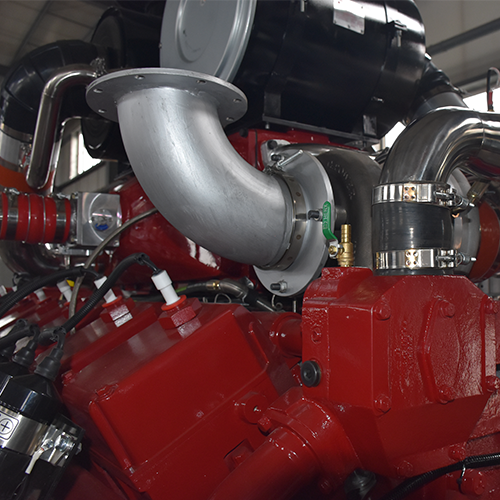
In today's industrial landscape, businesses require dependable power solutions that can operate continuously without interruption. A gas generator stands out as one of the most reliable options for facilities that demand consistent electrical output, offering superior performance characteristics compared to traditional diesel alternatives. These power generation systems have gained significant traction across various sectors due to their operational efficiency, environmental benefits, and long-term cost effectiveness. Understanding the fundamental advantages of gas generator technology helps organizations make informed decisions when selecting backup or primary power solutions for their critical operations.
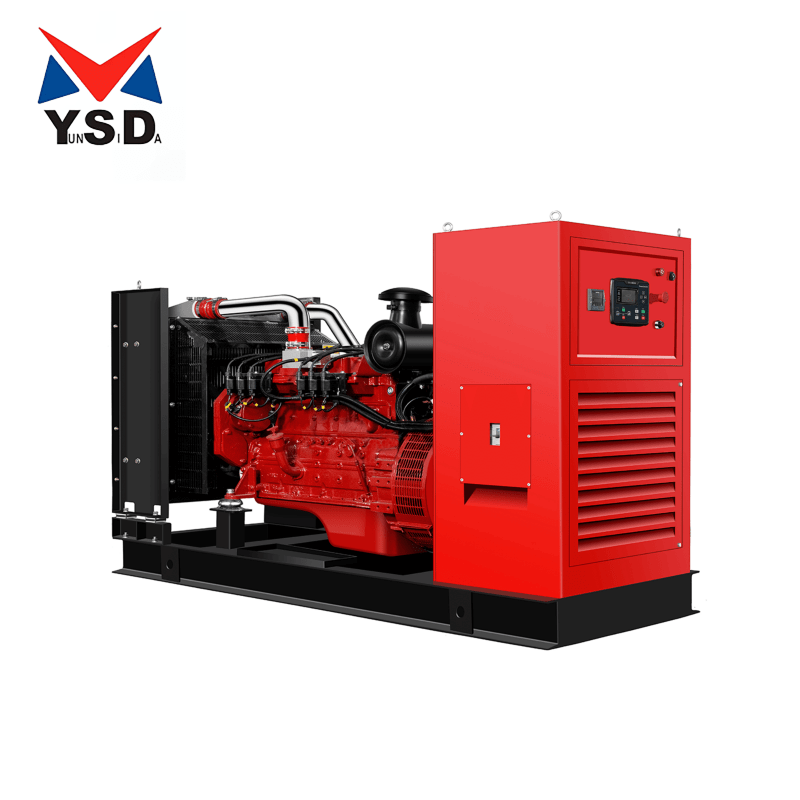
Operational Reliability and Continuous Performance
Extended Runtime Capabilities
A gas generator excels in providing extended operational periods without the frequent maintenance interruptions associated with other power generation technologies. The continuous fuel supply available through natural gas pipelines eliminates the need for manual refueling, allowing these systems to operate for weeks or even months without intervention. This characteristic makes gas generator units particularly valuable for healthcare facilities, data centers, and manufacturing plants where power interruptions can result in significant financial losses or safety hazards.
The mechanical design of modern gas generator systems incorporates robust components specifically engineered for continuous duty cycles. These units feature reinforced engine blocks, heavy-duty alternators, and advanced cooling systems that maintain optimal operating temperatures during prolonged use. Additionally, the cleaner combustion characteristics of natural gas reduce engine wear and carbon buildup, contributing to longer service intervals and improved overall reliability compared to liquid fuel alternatives.
Load Management and Power Quality
Gas generator technology provides exceptional load management capabilities, automatically adjusting power output to match varying electrical demands throughout operational cycles. This dynamic response capability ensures consistent voltage and frequency regulation, protecting sensitive electronic equipment from power quality issues that could cause damage or operational disruptions. The instantaneous load response of gas generator systems makes them ideal for applications requiring stable power delivery to critical processes.
Modern gas generator units incorporate sophisticated control systems that monitor electrical parameters in real-time, automatically adjusting engine speed and alternator output to maintain optimal power quality. These systems can seamlessly transition between different load conditions while maintaining voltage regulation within acceptable tolerances. The ability to provide clean, stable power output makes gas generator technology particularly suitable for powering computerized equipment, medical devices, and precision manufacturing machinery.
Environmental Benefits and Sustainability
Reduced Emissions Profile
The environmental advantages of gas generator technology represent a compelling factor for organizations seeking to reduce their carbon footprint while maintaining reliable power generation capabilities. Natural gas combustion produces significantly lower emissions compared to diesel fuel, with reductions of up to 50% in carbon dioxide output and virtually eliminating particulate matter emissions. This cleaner burning characteristic helps facilities meet increasingly stringent environmental regulations while contributing to corporate sustainability initiatives.
A gas generator produces minimal sulfur compounds and nitrogen oxides during operation, reducing the environmental impact on surrounding communities and ecosystems. The absence of liquid fuel storage requirements eliminates the risk of soil and groundwater contamination associated with diesel generator installations. These environmental benefits make gas generator systems particularly attractive for installations in urban areas or environmentally sensitive locations where emission controls are strictly regulated.
Noise Reduction and Community Impact
Gas generator units typically operate with lower noise levels compared to diesel-powered alternatives, reducing the acoustic impact on surrounding properties and communities. The smoother combustion characteristics of natural gas result in less engine vibration and operational noise, making these systems more suitable for installations in residential areas or noise-sensitive environments. This acoustic advantage allows facilities to maintain backup power capabilities without creating noise pollution concerns for neighboring properties.
The reduced maintenance requirements of gas generator systems also contribute to lower overall noise impact, as fewer service visits and testing procedures are needed compared to diesel alternatives. Many modern gas generator installations incorporate additional sound attenuation features, such as acoustic enclosures and vibration dampening systems, further reducing their operational noise footprint. This combination of inherently quieter operation and enhanced sound control makes gas generator technology ideal for hospitals, schools, and residential facilities.
Economic Advantages and Cost Effectiveness
Fuel Cost Stability and Supply Security
The economic benefits of gas generator systems extend beyond initial purchase price considerations to include long-term operational cost advantages. Natural gas pricing typically demonstrates greater stability compared to diesel fuel costs, which can fluctuate significantly based on global oil market conditions. This price stability allows organizations to more accurately budget for operational expenses while reducing exposure to fuel price volatility that can impact overall facility operating costs.
A gas generator connected to municipal natural gas infrastructure benefits from secure fuel supply chains that are less susceptible to transportation disruptions or supply shortages. This supply security eliminates the need for on-site fuel storage, reducing facility insurance costs and eliminating the expense of fuel delivery and storage tank maintenance. The direct connection to gas utility infrastructure provides continuous fuel availability without the logistical challenges associated with liquid fuel management.
Maintenance Cost Reductions
The operational characteristics of gas generator technology result in significantly lower maintenance requirements compared to diesel-powered alternatives. The cleaner burning properties of natural gas reduce engine deposits and contamination, extending oil change intervals and reducing the frequency of filter replacements. This reduced maintenance schedule translates into lower service costs and decreased downtime for scheduled maintenance activities, improving overall system availability and operational efficiency.
Gas generator systems experience less wear on critical engine components due to the absence of fuel contamination and the cleaner combustion process associated with natural gas. This reduced component wear extends the service life of engines, alternators, and control systems, providing better return on investment over the system's operational lifetime. The simplified fuel system design of gas generator units also eliminates the need for fuel polishing equipment and associated maintenance procedures required for diesel installations.
Installation and Infrastructure Considerations
Site Preparation Requirements
Gas generator installations typically require less extensive site preparation compared to diesel alternatives, as there is no need for fuel storage tanks, secondary containment systems, or fuel delivery access provisions. The connection to existing natural gas infrastructure simplifies installation logistics and reduces the overall project timeline for generator deployment. This streamlined installation process can result in significant cost savings and faster project completion schedules for facilities requiring backup power solutions.
The absence of fuel storage requirements eliminates the need for environmental permits and compliance measures associated with liquid fuel containment systems. Gas generator installations can often utilize existing utility connections, reducing the complexity of site infrastructure development. The simplified fuel supply system also reduces the risk of installation delays related to fuel system commissioning and testing procedures that are typically required for diesel generator projects.
Utility Integration and Grid Compatibility
Modern gas generator systems incorporate advanced paralleling capabilities that allow seamless integration with utility power systems and other generation sources. These systems can operate in grid-parallel mode for load sharing applications or function as isolated power sources during utility outages. The sophisticated control systems manage automatic synchronization and load transfer operations, ensuring smooth transitions between different operating modes without disrupting critical facility loads.
Gas generator technology supports various utility interconnection schemes, including peak shaving applications where the generator operates during high-demand periods to reduce utility costs. The ability to provide both emergency backup power and economic load management makes gas generator systems valuable assets for facilities seeking to optimize their overall energy costs. The clean emissions profile of gas generator units also makes them suitable for utility interconnection applications in areas with strict air quality regulations.
Applications and Industry Use Cases
Healthcare and Critical Infrastructure
Healthcare facilities represent one of the most demanding applications for gas generator technology, where continuous power availability is essential for patient safety and medical equipment operation. Hospitals require power systems that can operate continuously for extended periods during emergency situations, making the unlimited runtime capability of gas generator systems particularly valuable. The clean power output characteristics of these systems ensure sensitive medical equipment receives stable electrical supply without harmonic distortion or voltage fluctuations.
Data centers and telecommunications facilities also benefit significantly from gas generator installations, as these facilities require uninterrupted power for critical computing and communication infrastructure. The ability of gas generator systems to provide continuous operation without refueling interruptions ensures these facilities can maintain service levels during extended utility outages. The precise load following capabilities of gas generator technology help maintain optimal power quality for sensitive electronic equipment in these applications.
Manufacturing and Industrial Processes
Manufacturing facilities with continuous process operations find gas generator systems ideally suited for maintaining production during utility disruptions. The ability to provide stable power output that matches varying process loads ensures manufacturing equipment continues operating without interruption. Gas generator installations in industrial settings benefit from the reduced maintenance requirements and lower operational costs associated with natural gas fuel systems.
Chemical processing plants and refineries utilize gas generator technology to maintain critical safety systems and process controls during emergency situations. The reliable operation and environmental benefits of gas generator systems make them particularly suitable for facilities in regulated industries where emissions compliance is essential. The continuous duty rating of gas generator units ensures these critical industrial processes can continue operating safely during extended power outages.
FAQ
How long can a gas generator operate continuously without maintenance
A gas generator can typically operate continuously for 500 to 1000 hours between scheduled maintenance intervals, depending on the specific model and operating conditions. The cleaner burning characteristics of natural gas reduce engine wear and extend service intervals compared to diesel alternatives. Regular monitoring of engine parameters and following manufacturer recommendations ensures optimal performance and reliability during extended operation periods.
What are the main advantages of gas generator systems over diesel alternatives
Gas generator systems offer several key advantages including lower emissions, reduced noise levels, unlimited fuel supply through pipeline connections, and lower maintenance requirements. The cleaner combustion of natural gas results in longer engine life and reduced service costs. Additionally, gas generator installations eliminate the need for fuel storage and associated environmental compliance requirements, simplifying site preparation and reducing overall project costs.
Can gas generator systems be used for peak shaving and load management applications
Yes, modern gas generator systems can effectively perform peak shaving and demand management functions in addition to emergency backup power applications. These systems can automatically start during high electrical demand periods to reduce utility costs and provide grid support services. The clean emissions profile and utility interconnection capabilities make gas generator technology suitable for economic dispatch applications in most regulatory environments.
What size gas generator is appropriate for different facility types
Gas generator sizing depends on the critical load requirements and backup power duration needs of each facility. Small commercial buildings typically require 50-250 kW units, while larger industrial facilities may need generators ranging from 500 kW to several megawatts. Proper sizing analysis should consider both emergency loads and any planned economic dispatch applications to ensure optimal system performance and cost effectiveness.
Table of Contents
- Operational Reliability and Continuous Performance
- Environmental Benefits and Sustainability
- Economic Advantages and Cost Effectiveness
- Installation and Infrastructure Considerations
- Applications and Industry Use Cases
-
FAQ
- How long can a gas generator operate continuously without maintenance
- What are the main advantages of gas generator systems over diesel alternatives
- Can gas generator systems be used for peak shaving and load management applications
- What size gas generator is appropriate for different facility types