
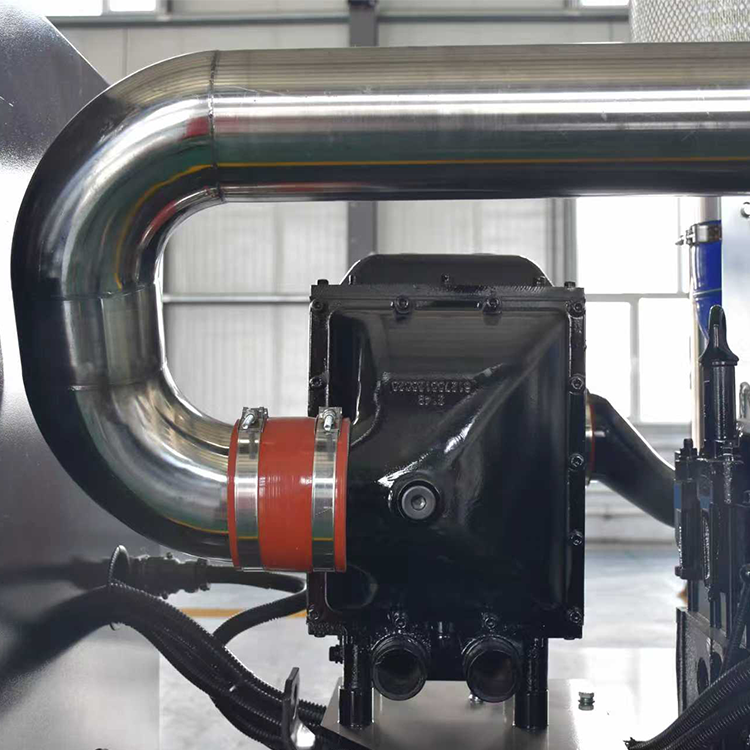
Selecting the appropriate gas generator for your business operations requires careful consideration of multiple factors that directly impact performance, efficiency, and long-term operational costs. Business owners across various industries are increasingly turning to gas generators as reliable power solutions due to their environmental benefits and cost-effectiveness compared to traditional diesel alternatives. Understanding the specific requirements of your facility and matching them with the right generator specifications ensures optimal performance and return on investment.
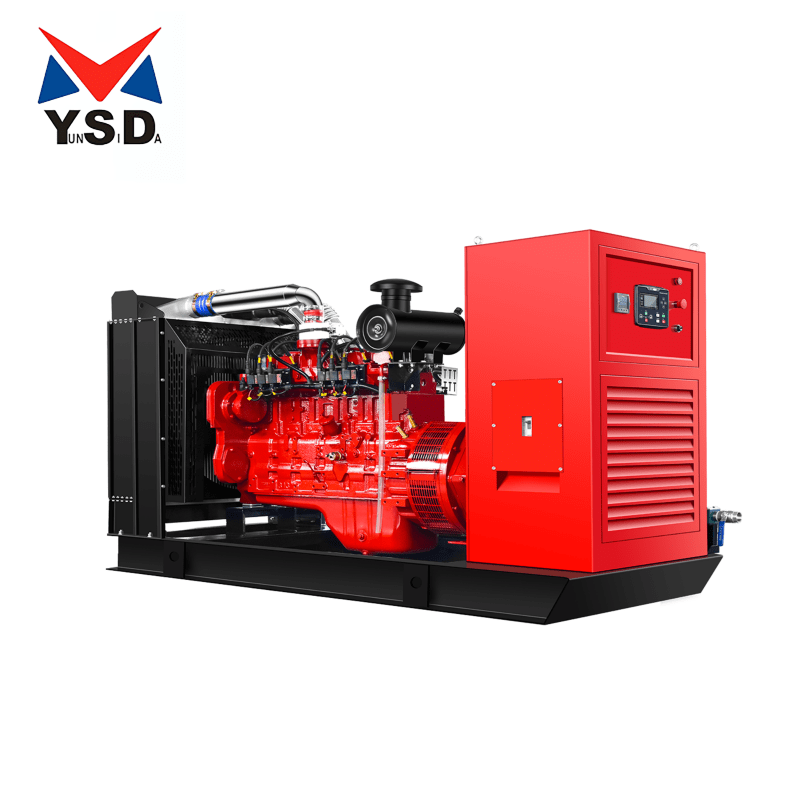
The modern business landscape demands reliable backup power solutions that can maintain operations during grid outages while minimizing environmental impact. Gas generators have emerged as the preferred choice for many commercial and industrial applications due to their clean-burning characteristics and flexible fuel options including natural gas, propane, and biogas.
Understanding Gas Generator Types and Applications
Natural Gas Generator Systems
Natural gas generators represent the most common type of gas-powered generating equipment used in commercial settings. These units connect directly to existing natural gas infrastructure, providing a continuous fuel supply without the need for on-site storage. The consistent availability of natural gas makes these generators ideal for businesses requiring uninterrupted power supply for extended periods.
The efficiency ratings of natural gas generators typically range from 35% to 45%, depending on the engine technology and load conditions. Modern units incorporate advanced combustion control systems that optimize fuel consumption while reducing emissions. Businesses operating in urban areas with established gas infrastructure find natural gas generators particularly advantageous due to lower fuel costs and reduced logistical complexity.
Propane Generator Solutions
Propane-powered generators offer distinct advantages for businesses located in areas without natural gas access or those requiring portable power solutions. Propane burns cleaner than gasoline or diesel, producing fewer emissions and requiring less frequent maintenance. The fuel storage capabilities of propane systems allow businesses to maintain emergency power readiness without concerns about fuel degradation.
Commercial propane generators typically feature dual-fuel capabilities, allowing operation on both propane and natural gas depending on availability and cost considerations. This flexibility makes them suitable for businesses with varying operational requirements or those seeking backup fuel options for enhanced reliability.
Power Requirements Assessment and Sizing
Load Analysis and Calculation
Accurate load assessment forms the foundation of proper gas generator selection, requiring detailed analysis of both starting and running loads for all critical equipment. Businesses must account for motor starting currents, which can be three to seven times higher than running currents, when determining generator capacity. Professional load analysis considers power factor, harmonics, and potential future expansion requirements to ensure adequate generator sizing.
The sizing process involves creating a comprehensive inventory of electrical loads, including lighting, HVAC systems, computers, manufacturing equipment, and safety systems. Each load category has specific characteristics that influence generator selection, with inductive loads like motors requiring special consideration for proper operation. Oversizing a gas generator leads to inefficient operation and increased fuel consumption, while undersizing results in equipment damage and operational disruptions.
Standby versus Prime Power Applications
Understanding the distinction between standby and prime power applications is crucial for selecting the appropriate gas generator rating and configuration. Standby generators are designed for emergency use during utility outages, typically operating for limited hours per year. These units can be rated for 100% of the calculated load since they operate intermittently and have time to cool between uses.
Prime power applications require generators to operate continuously as the primary power source, necessitating more conservative load factors and enhanced cooling systems. Gas generator units designed for prime power service incorporate heavy-duty components and larger cooling systems to handle extended operation cycles reliably.
Fuel Supply Infrastructure and Considerations
Natural Gas Connection Requirements
Establishing proper natural gas supply infrastructure requires coordination with local utility providers and adherence to applicable codes and standards. The gas generator fuel system must be sized to deliver adequate pressure and volume throughout the expected load range while maintaining safety margins. Professional gas line sizing calculations consider pipe diameter, length, fittings, and pressure drop to ensure reliable fuel delivery.
Gas meter sizing represents a critical component often overlooked during initial planning phases. Utility companies require advance notification for large commercial gas generator installations to ensure adequate supply capacity and proper metering equipment. The installation process typically involves permits, inspections, and coordination with multiple stakeholders to achieve safe and compliant operation.
Propane Storage and Delivery Systems
Propane storage requirements vary significantly based on the gas generator size, expected runtime, and local regulations governing fuel storage quantities. Bulk storage tanks offer cost advantages for larger installations but require additional safety considerations and regulatory compliance. Smaller businesses may opt for smaller tank arrangements or scheduled delivery services to minimize storage requirements while maintaining adequate fuel reserves.
Automatic fuel switching systems enhance reliability by seamlessly transitioning between propane and natural gas supplies based on availability and operating conditions. These systems incorporate pressure sensors, solenoid valves, and control logic to ensure uninterrupted operation during fuel supply transitions. Regular maintenance and testing of fuel switching systems ensures proper operation during emergency situations.
Environmental and Regulatory Compliance
Emissions Standards and Air Quality Requirements
Modern gas generator installations must comply with increasingly stringent emissions regulations designed to protect air quality and reduce environmental impact. The Environmental Protection Agency and state regulatory agencies establish specific limits for nitrogen oxides, carbon monoxide, and particulate matter emissions from stationary engines. Compliance requirements vary based on generator size, installation location, and operating hours per year.
Low-emission gas generator technologies incorporate advanced combustion control systems, exhaust gas recirculation, and selective catalytic reduction to meet regulatory requirements. These systems require periodic testing and reporting to demonstrate ongoing compliance with applicable standards. Businesses must factor compliance costs and ongoing monitoring requirements into their total cost of ownership calculations.
Noise Control and Zoning Considerations
Sound level regulations in commercial and industrial zones often limit the acceptable noise levels from mechanical equipment including gas generators. Acoustic enclosures, sound-attenuating materials, and strategic placement help minimize noise impact on surrounding properties while maintaining accessibility for maintenance activities. Professional acoustic analysis during the planning phase identifies potential noise issues and develops mitigation strategies.
Local zoning ordinances may impose additional restrictions on generator placement, setback requirements, and operating hours. Business owners should consult with local authorities early in the selection process to understand applicable regulations and incorporate requirements into their gas generator specifications. Proactive compliance planning prevents costly modifications and delays during installation.
Installation and Maintenance Requirements
Site Preparation and Infrastructure
Proper site preparation ensures reliable gas generator operation and compliance with safety codes and manufacturer requirements. Concrete pads must be designed to support the generator weight while providing vibration isolation and drainage. Adequate clearances around the unit allow for proper air circulation, maintenance access, and emergency egress as required by applicable codes.
Electrical infrastructure requirements include both utility interconnection and emergency distribution systems. Automatic transfer switches monitor utility power quality and initiate generator startup during outage conditions. The electrical installation must incorporate proper grounding, surge protection, and load bank testing capabilities to ensure safe and reliable operation throughout the system lifecycle.
Preventive Maintenance Programs
Establishing comprehensive preventive maintenance programs maximizes gas generator reliability and service life while minimizing unexpected failures and associated costs. Maintenance schedules typically follow manufacturer recommendations based on operating hours, calendar time, or both depending on duty cycle and environmental conditions. Regular maintenance activities include oil changes, filter replacements, spark plug service, and cooling system maintenance.
Advanced monitoring systems provide real-time data on engine parameters, fuel consumption, and system performance to optimize maintenance scheduling and identify potential issues before they result in failures. Remote monitoring capabilities allow service providers to track gas generator performance and schedule maintenance activities proactively. Regular load bank testing validates system performance and identifies potential problems under controlled conditions.
Cost Analysis and Financial Considerations
Initial Investment and Installation Costs
The total cost of gas generator ownership includes equipment purchase price, installation costs, and ongoing operational expenses over the system lifecycle. Installation costs vary significantly based on site conditions, fuel infrastructure requirements, electrical complexity, and permit fees. Professional cost estimates should include all associated systems including transfer switches, fuel connections, exhaust systems, and monitoring equipment.
Financing options for commercial gas generator projects include traditional equipment loans, leasing arrangements, and power purchase agreements depending on business requirements and cash flow considerations. Energy service companies may offer comprehensive solutions that include equipment, installation, maintenance, and fuel supply under single contract arrangements. These approaches can reduce upfront costs while providing predictable operational expenses.
Operating Cost Optimization
Fuel costs typically represent the largest component of gas generator operating expenses, making fuel efficiency a critical selection criterion. High-efficiency units with advanced engine management systems reduce fuel consumption while maintaining reliable operation. Natural gas pricing advantages compared to diesel fuel often provide significant cost savings for businesses with regular generator operation requirements.
Maintenance cost optimization through manufacturer service agreements and predictive maintenance programs helps control long-term expenses while ensuring reliable operation. Service agreements typically include scheduled maintenance, emergency repairs, and parts replacement under fixed-price arrangements. These programs provide cost predictability and ensure proper maintenance by qualified technicians using genuine manufacturer parts and procedures.
FAQ
What size gas generator do I need for my business
Determining the proper gas generator size requires a comprehensive electrical load analysis including all critical equipment, lighting, and safety systems. Professional load calculations account for starting currents, power factor, and future expansion requirements to ensure adequate capacity. Most businesses need generators sized between 80% to 90% of their total calculated load for standby applications, while prime power applications require more conservative sizing at 70% to 80% of generator nameplate capacity.
How long can a gas generator run continuously
Gas generators designed for standby service can typically operate continuously for several hundred hours with proper maintenance and fuel supply. Units rated for prime power service can run indefinitely with scheduled maintenance intervals every 250 to 500 hours depending on manufacturer specifications. Continuous operation capability depends on cooling system capacity, lubrication system design, and ambient temperature conditions affecting engine performance.
What are the maintenance requirements for commercial gas generators
Commercial gas generators require regular maintenance including oil changes every 250-500 hours, air filter replacement, spark plug service, and cooling system inspection. Monthly exercising under load conditions ensures system readiness and identifies potential issues before emergency operation. Annual professional inspections should include load bank testing, transfer switch operation, and exhaust system evaluation to maintain optimal performance and regulatory compliance.
How do gas generators compare to diesel generators for business use
Gas generators offer cleaner combustion with lower emissions, reduced maintenance requirements, and typically lower fuel costs compared to diesel units. Natural gas supply reliability eliminates fuel storage and degradation concerns common with diesel systems. However, diesel generators may provide better fuel efficiency at partial loads and faster startup times for emergency applications. The choice depends on specific business requirements, environmental regulations, and fuel infrastructure availability.