
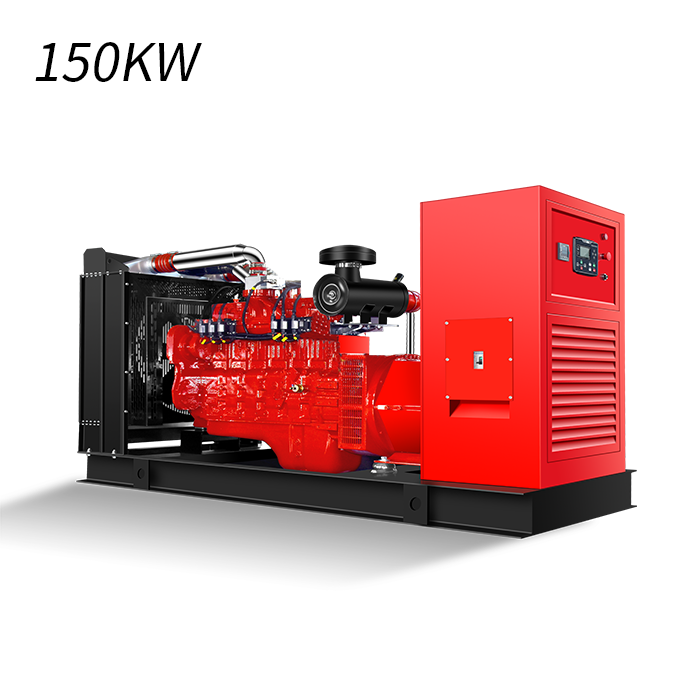
Industrial and commercial enterprises increasingly rely on backup power solutions to maintain operational continuity during grid failures and planned maintenance. An LPG generator set represents a critical investment in business resilience, offering clean-burning propane fuel technology that delivers reliable emergency power when traditional electrical infrastructure fails. However, the performance and longevity of these sophisticated power generation systems depend entirely on implementing systematic maintenance protocols that address both mechanical components and fuel delivery systems.
Regular maintenance scheduling transforms potentially catastrophic equipment failures into predictable service intervals, protecting substantial capital investments while ensuring power availability during critical business operations. Professional maintenance programs address engine wear patterns, fuel system integrity, and electrical component degradation before these issues compromise generator performance. Understanding the comprehensive benefits of proactive maintenance helps business leaders make informed decisions about generator care protocols and maintenance budgets.
Operational Reliability and Performance Optimization
Engine Performance Preservation
Systematic maintenance protocols preserve engine performance by addressing combustion chamber deposits, valve adjustments, and compression ratios that directly impact power output consistency. Regular oil changes remove contaminants that accelerate internal wear, while air filter replacements maintain optimal fuel-to-air ratios essential for efficient propane combustion. These fundamental maintenance tasks prevent performance degradation that typically manifests as reduced power output, increased fuel consumption, and irregular engine operation.
Professional technicians monitor engine parameters including operating temperatures, oil pressure readings, and exhaust emissions to identify emerging issues before they compromise generator availability. Scheduled valve adjustments maintain proper engine timing, while spark plug replacements ensure consistent ignition across all cylinders. This comprehensive approach to engine maintenance preserves the precision engineering that makes modern LPG generators reliable industrial power sources.
Fuel System Integrity Management
Propane fuel systems require specialized maintenance attention to prevent regulator failures, line blockages, and pressure inconsistencies that can interrupt generator operation during emergency situations. Regular inspection of fuel lines, connections, and pressure regulators identifies potential leak points before they create safety hazards or fuel delivery problems. Professional maintenance includes pressure testing, regulator calibration, and fuel line replacement according to manufacturer specifications.
Fuel quality monitoring prevents contamination issues that can damage injectors, clog filters, and create combustion irregularities affecting generator performance. Scheduled fuel system cleaning removes deposits and ensures consistent fuel delivery under varying load conditions. These maintenance practices maintain the fuel system reliability essential for LPG generator set operation during extended power outages when consistent fuel flow becomes critical for business continuity.
Cost Management and Financial Benefits
Preventive Maintenance Economics
Implementing scheduled maintenance programs delivers substantial cost advantages by preventing major component failures that require expensive emergency repairs and extended downtime periods. Proactive maintenance costs typically represent fifteen to twenty percent of reactive repair expenses, making regular service scheduling a financially prudent business decision. Preventive maintenance budgets provide predictable operating expenses that facilitate accurate financial planning and cash flow management.
Regular maintenance extends equipment lifespan by addressing wear patterns before they cause permanent damage to expensive components like engines, alternators, and control systems. Professional maintenance documentation supports warranty claims and insurance coverage while maintaining equipment value for eventual resale or trade-in considerations. These financial benefits accumulate over the generator's operational lifetime, often exceeding the total maintenance investment through avoided repair costs and extended service life.
Operational Efficiency Improvements
Well-maintained generators operate more efficiently, consuming less fuel while delivering consistent power output that reduces operating costs during both testing periods and emergency operation. Efficient fuel consumption translates directly to reduced propane expenses, particularly important for businesses that conduct regular testing or experience frequent power outages. Maintenance optimization ensures generators reach rated capacity quickly and maintain stable output under varying load conditions.
Performance optimization through regular maintenance reduces startup times and improves load acceptance characteristics that minimize power interruptions during transfer sequences. Efficient operation reduces wear on electrical systems and connected equipment while providing cleaner power quality that protects sensitive electronic devices. These operational improvements deliver measurable cost savings through reduced fuel consumption, extended equipment life, and improved productivity during power outage events.
Safety Compliance and Risk Management
Regulatory Compliance Requirements
Industrial safety regulations require regular inspection and maintenance of backup power systems to ensure compliance with occupational safety standards and environmental protection requirements. Professional maintenance programs document compliance with manufacturer specifications, local building codes, and industry safety standards that protect businesses from liability exposure. Regular maintenance records demonstrate due diligence in equipment care and safety management practices.
Safety compliance includes proper ventilation system maintenance, exhaust system inspection, and fuel leak detection protocols that prevent dangerous conditions during generator operation. Professional technicians verify safety shutdown systems, emergency controls, and monitoring equipment function correctly to protect personnel and property during emergency power situations. Compliance documentation supports insurance coverage and regulatory inspections while demonstrating corporate responsibility for workplace safety.
Risk Mitigation Strategies
Systematic maintenance reduces operational risks by identifying potential failure points before they create emergency situations that could compromise business operations or personnel safety. Regular testing verifies generator response times, load capacity, and automatic transfer switch operation that ensures reliable emergency power when grid failures occur unexpectedly. Risk mitigation includes backup component inventory management and service provider relationships that minimize repair delays.
Professional maintenance programs include contingency planning for major component failures, scheduled replacement of critical wear items, and emergency service protocols that maintain power system reliability. Documentation of maintenance activities provides evidence of proactive risk management that supports insurance claims and regulatory compliance during incident investigations. These comprehensive risk management practices protect business continuity while minimizing liability exposure related to backup power system failures.
Equipment Longevity and Asset Protection
Component Lifecycle Management
Strategic maintenance scheduling maximizes component lifecycles by replacing wear items before they cause secondary damage to expensive engine and electrical components. Professional maintenance programs track component hours, cycles, and performance metrics to optimize replacement timing and minimize total ownership costs. Predictive maintenance techniques identify emerging problems through vibration analysis, oil sampling, and performance monitoring that extends equipment life significantly.
Systematic component replacement prevents cascade failures where one worn component damages multiple systems during operation under emergency conditions. Regular maintenance includes detailed inspection of bearings, belts, hoses, and electrical connections that can fail without warning if not properly maintained. Professional documentation of component conditions supports warranty claims and provides historical data for optimizing future maintenance schedules.
Technology Integration and Monitoring
Modern maintenance programs integrate digital monitoring systems that provide real-time performance data and predictive maintenance alerts to optimize service scheduling and component replacement timing. Remote monitoring capabilities allow maintenance providers to track generator performance continuously and schedule service based on actual operating conditions rather than arbitrary time intervals. Technology integration improves maintenance efficiency while reducing unnecessary service visits and associated costs.
Advanced diagnostic systems identify performance trends that indicate developing problems before they affect generator reliability or require emergency repairs. Digital maintenance records provide comprehensive equipment history that supports informed decision-making about repairs, upgrades, and replacement timing. Technology integration enhances maintenance effectiveness while providing detailed documentation for compliance, warranty, and insurance purposes.
FAQ
How frequently should businesses schedule professional maintenance for their LPG generator systems
Professional maintenance scheduling depends on generator usage patterns, environmental conditions, and manufacturer recommendations, typically requiring quarterly inspections for standby units and monthly service for frequently used systems. Most manufacturers recommend professional service every 250-500 operating hours or annually for standby generators, with more frequent attention for units in dusty, humid, or extreme temperature environments. Regular professional maintenance should complement weekly operational testing and daily visual inspections performed by facility personnel.
What specific components require the most attention during LPG generator maintenance
Critical maintenance components include the engine oil system, air filtration, spark plugs, fuel regulators, and electrical connections that directly affect generator performance and reliability. The propane fuel system requires particular attention including pressure regulators, fuel lines, and leak detection since fuel delivery problems can prevent generator startup during emergencies. Control systems, battery maintenance, and automatic transfer switch testing ensure proper generator response during power outages.
Can businesses perform generator maintenance internally or should they use professional services
While businesses can perform basic maintenance tasks like visual inspections, oil level checks, and operational testing, professional service ensures compliance with warranty requirements and safety regulations. Professional technicians possess specialized training, diagnostic equipment, and experience necessary for complex maintenance tasks including fuel system service, electrical troubleshooting, and performance optimization. Internal maintenance programs should complement professional service rather than replace comprehensive maintenance protocols.
What are the consequences of deferring regular generator maintenance
Deferred maintenance leads to decreased reliability, increased repair costs, and potential generator failure during critical power outages when backup power becomes essential for business operations. Neglected maintenance voids manufacturer warranties, increases insurance liability, and may violate safety regulations that protect personnel and property. Poor maintenance practices significantly reduce equipment lifespan while increasing total ownership costs through expensive emergency repairs and premature replacement requirements.
Table of Contents
- Operational Reliability and Performance Optimization
- Cost Management and Financial Benefits
- Safety Compliance and Risk Management
- Equipment Longevity and Asset Protection
-
FAQ
- How frequently should businesses schedule professional maintenance for their LPG generator systems
- What specific components require the most attention during LPG generator maintenance
- Can businesses perform generator maintenance internally or should they use professional services
- What are the consequences of deferring regular generator maintenance