
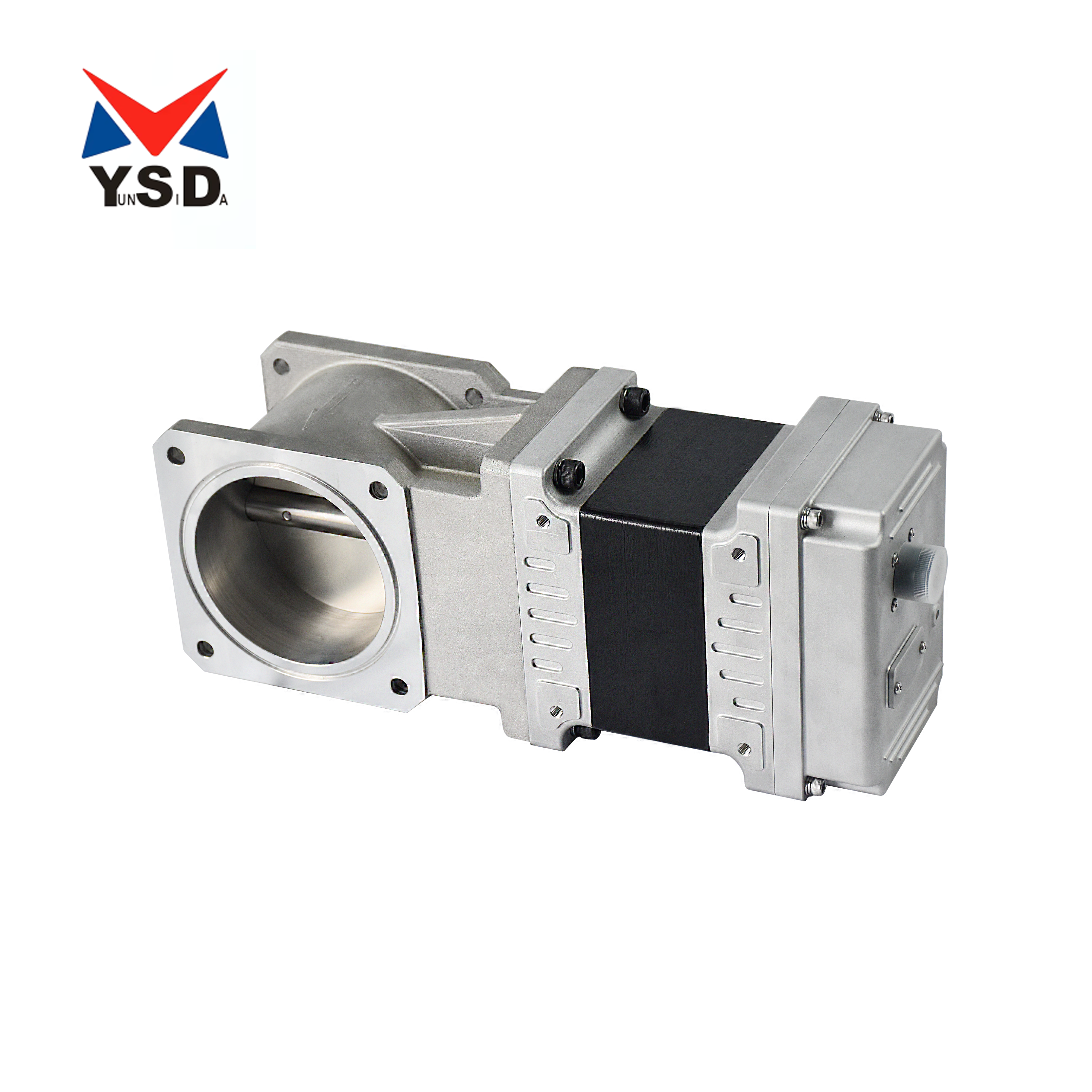
Industrial facilities across the globe are under increasing pressure to reduce their environmental footprint while maintaining operational efficiency. As environmental regulations tighten and sustainability becomes a business imperative, companies are seeking advanced technologies that can help them achieve both goals simultaneously. Among the most effective solutions available today is the implementation of sophisticated gas engine control systems that optimize combustion processes and minimize harmful emissions.
The modern industrial landscape demands solutions that can deliver measurable environmental benefits without compromising power output or reliability. Gas engines, when equipped with advanced control systems, represent one of the most promising pathways toward cleaner industrial operations. These systems leverage cutting-edge technology to monitor, adjust, and optimize engine performance in real-time, ensuring that emissions remain within acceptable limits while maximizing fuel efficiency and power generation capabilities.
Understanding Gas Engine Control Technology
Core Components and Architecture
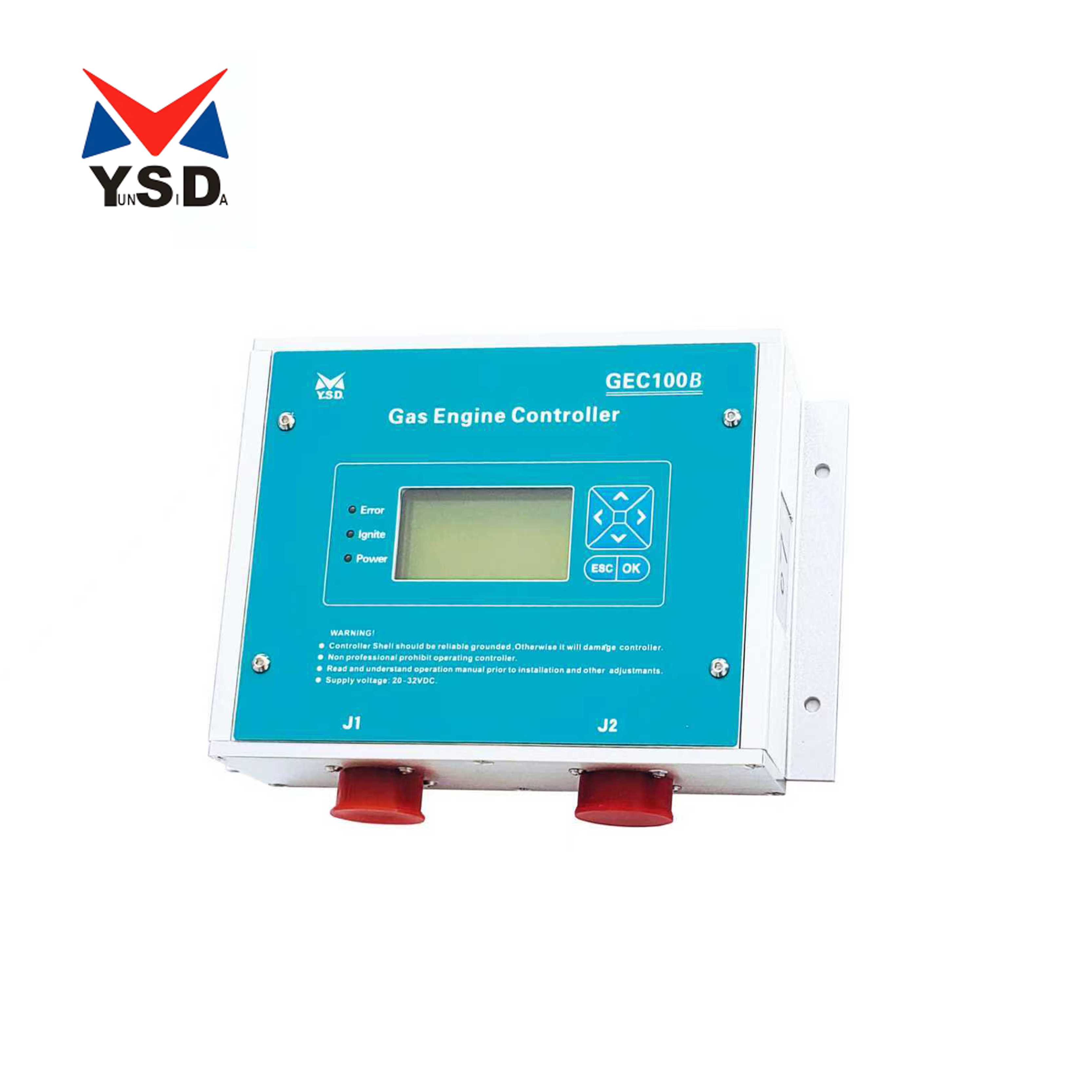
A comprehensive gas engine control system consists of multiple interconnected components that work together to manage engine operations with precision. The electronic control unit serves as the central brain, processing data from numerous sensors and making instantaneous adjustments to ignition timing, fuel injection, and air-fuel ratios. Temperature sensors monitor exhaust gas temperatures, while pressure sensors track manifold conditions and combustion chamber pressures throughout the operating cycle.
The ignition control module represents another critical component, managing spark timing with microsecond precision to ensure optimal combustion efficiency. This level of control allows the system to adapt to varying fuel qualities, ambient conditions, and load demands while maintaining consistent performance standards. Advanced algorithms continuously analyze engine parameters and make predictive adjustments that prevent inefficient combustion patterns before they can impact emissions levels.
Real-Time Monitoring Capabilities
Modern control systems excel in their ability to provide continuous monitoring of engine performance metrics that directly influence emission levels. Lambda sensors measure oxygen content in exhaust gases, providing immediate feedback on combustion completeness and enabling rapid corrections to air-fuel mixtures. This real-time feedback loop ensures that engines operate within optimal parameters regardless of external variables such as ambient temperature fluctuations or varying fuel compositions.
The monitoring capabilities extend beyond basic operational parameters to include predictive maintenance functions that help prevent emission-increasing conditions before they occur. By tracking trends in engine performance data, these systems can identify potential issues such as valve wear, injector degradation, or ignition system deterioration that could lead to increased emissions if left unaddressed. This proactive approach to maintenance scheduling helps maintain consistent emission performance throughout the engine's operational life.
Emission Reduction Mechanisms
Precision Fuel Management
One of the primary ways that advanced control systems reduce emissions is through precise fuel management that optimizes the combustion process. By continuously adjusting fuel injection timing and quantity based on real-time engine conditions, these systems ensure that fuel burns completely and efficiently. Incomplete combustion is a major source of harmful emissions, including unburned hydrocarbons and carbon monoxide, which can be significantly reduced through optimal fuel delivery control.
The sophistication of modern fuel management extends to multi-point injection systems that can vary fuel delivery to individual cylinders based on their specific operating conditions. This level of granular control helps eliminate hot spots and ensures uniform combustion across all cylinders, resulting in lower peak combustion temperatures and reduced nitrogen oxide formation. The system's ability to adapt fuel delivery strategies in real-time means that emission reduction benefits are maintained across the entire operating range of the engine.
Advanced Ignition Timing Optimization
Ignition timing plays a crucial role in determining both engine efficiency and emission levels, making it a primary target for optimization in modern control systems. Advanced gas engine control system technology can adjust ignition timing with extraordinary precision, taking into account factors such as engine load, ambient conditions, fuel quality, and even individual cylinder characteristics.
The optimization algorithms used in these systems are based on extensive mapping of engine performance characteristics under various operating conditions. This allows the control system to select ignition timing that maximizes combustion efficiency while minimizing the formation of nitrogen oxides, which typically increase with higher combustion temperatures. The result is a significant reduction in NOx emissions without sacrificing engine performance or fuel economy.
Environmental Impact and Compliance
Meeting Regulatory Standards
Industrial facilities must comply with increasingly stringent emission regulations that vary by region and application. Gas engine control systems play a vital role in helping facilities meet these requirements by providing the precise control necessary to maintain emissions within specified limits. The systems can be programmed with specific emission targets and will automatically adjust engine parameters to ensure compliance even as operating conditions change.
The documentation and reporting capabilities of modern control systems also support regulatory compliance by providing detailed records of emission performance over time. These systems can generate comprehensive reports showing emission levels, operating conditions, and control actions taken to maintain compliance. This documentation is invaluable during regulatory inspections and helps demonstrate a facility's commitment to environmental responsibility.
Long-Term Environmental Benefits
Beyond immediate compliance requirements, gas engine control systems contribute to long-term environmental benefits through improved fuel efficiency and reduced waste. By optimizing combustion processes, these systems help industrial facilities reduce their overall carbon footprint while maintaining or even improving their operational capabilities. The fuel savings achieved through improved efficiency translate directly into reduced greenhouse gas emissions from the facility's operations.
The environmental benefits extend to air quality improvements in the surrounding community through reduced emissions of particulates, nitrogen oxides, and other pollutants. This is particularly important for industrial facilities located in or near populated areas where air quality concerns are paramount. The cumulative effect of multiple facilities adopting advanced control systems can contribute significantly to regional air quality improvements and climate change mitigation efforts.
Operational Advantages and Cost Benefits
Enhanced Fuel Efficiency
The implementation of sophisticated gas engine control systems delivers substantial improvements in fuel efficiency that benefit both operational costs and environmental performance. By optimizing combustion parameters in real-time, these systems can achieve fuel consumption reductions of 5-15% compared to conventional control methods. This improvement translates directly into cost savings for facility operators while simultaneously reducing the environmental impact of their operations.
The efficiency gains are achieved through multiple mechanisms, including improved air-fuel ratio control, optimized ignition timing, and reduced parasitic losses from auxiliary systems. The control system's ability to adapt to changing operating conditions ensures that efficiency benefits are maintained across the entire operational envelope of the engine, from light loads to full power output conditions.
Reduced Maintenance Requirements
Advanced control systems contribute to reduced maintenance requirements through their ability to prevent operating conditions that lead to excessive wear and component degradation. By maintaining optimal combustion conditions, these systems reduce thermal stress on engine components and minimize the formation of deposits that can interfere with proper engine operation. This results in extended maintenance intervals and reduced overall maintenance costs.
The predictive maintenance capabilities of modern gas engine control systems further reduce maintenance costs by identifying potential issues before they result in component failures or performance degradation. This proactive approach to maintenance scheduling helps prevent unexpected downtime and ensures that the engine continues to operate at peak efficiency and minimum emission levels throughout its operational life.
Integration with Smart Grid Technologies
Demand Response Capabilities
Modern gas engine control systems can be integrated with smart grid technologies to provide demand response capabilities that support grid stability while maintaining environmental performance. These systems can rapidly adjust power output in response to grid conditions while ensuring that emission levels remain within acceptable limits. This flexibility is particularly valuable for renewable energy integration, where gas engines can provide backup power during periods of low renewable generation.
The integration capabilities extend to communication with grid operators and energy management systems, allowing for coordinated operation that optimizes both economic and environmental performance. Gas engine control systems can participate in ancillary service markets while maintaining their emission reduction benefits, providing additional revenue streams for facility operators who invest in advanced control technology.
Energy Storage Integration
The combination of gas engine control systems with energy storage technologies creates opportunities for further emission reductions through optimized operation scheduling. Energy storage systems can be charged during periods of high efficiency operation and discharged during peak demand periods, reducing the need for less efficient peaking operation. This integration allows facilities to maintain consistent emission performance while providing flexible power generation capabilities.
The control systems can coordinate the operation of gas engines and energy storage systems to minimize overall emissions while meeting power generation requirements. This coordination requires sophisticated algorithms that consider factors such as fuel costs, emission regulations, grid conditions, and energy storage state of charge to determine optimal operating strategies that balance economic and environmental objectives.
FAQ
How much can a gas engine control system reduce emissions compared to conventional systems
Advanced gas engine control systems can typically reduce nitrogen oxide emissions by 30-60% and carbon monoxide emissions by 40-70% compared to conventional control methods. The exact reduction depends on the specific engine configuration, operating conditions, and the sophistication of the control algorithms employed. These systems achieve emission reductions through precise control of combustion parameters, including air-fuel ratios, ignition timing, and fuel injection strategies that optimize combustion efficiency while minimizing pollutant formation.
What maintenance considerations are important for gas engine control systems
Gas engine control systems require regular calibration of sensors, software updates, and periodic inspection of electrical connections to maintain optimal performance. The control system itself typically requires minimal maintenance, but the sensors and actuators it controls need regular attention to ensure accurate operation. Preventive maintenance programs should include sensor cleaning, wiring inspection, and verification of control system responses to ensure that emission reduction benefits are maintained throughout the system's operational life.
Can existing gas engines be retrofitted with advanced control systems
Many existing gas engines can be successfully retrofitted with advanced control systems, though the extent of modification required depends on the age and configuration of the original engine. Retrofits typically involve replacing the existing control unit, adding additional sensors, and potentially upgrading ignition and fuel injection systems. While retrofit projects require careful engineering analysis to ensure compatibility, they often provide a cost-effective path to achieving significant emission reductions without complete engine replacement.
What role do gas engine control systems play in renewable energy integration
Gas engine control systems play a crucial role in renewable energy integration by providing flexible, clean backup power that can quickly respond to fluctuations in renewable generation. These systems can start up rapidly and adjust output to match grid demand while maintaining low emission levels, making them ideal for balancing intermittent renewable sources. Their ability to operate efficiently at partial loads and provide ancillary grid services makes them valuable components of modern energy systems that prioritize both reliability and environmental performance.
Table of Contents
- Understanding Gas Engine Control Technology
- Emission Reduction Mechanisms
- Environmental Impact and Compliance
- Operational Advantages and Cost Benefits
- Integration with Smart Grid Technologies
-
FAQ
- How much can a gas engine control system reduce emissions compared to conventional systems
- What maintenance considerations are important for gas engine control systems
- Can existing gas engines be retrofitted with advanced control systems
- What role do gas engine control systems play in renewable energy integration