
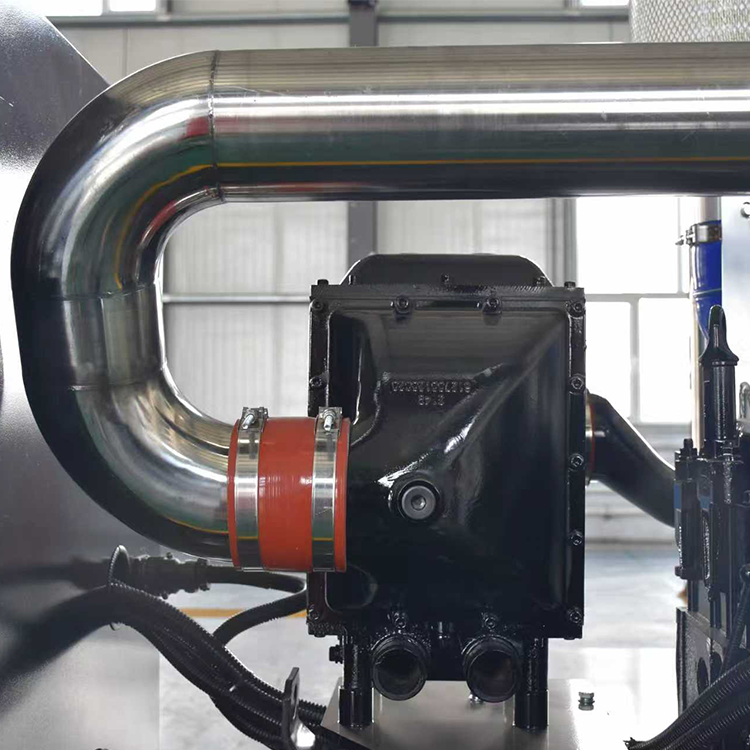
Mantenere una generatore a gas naturale una manutenzione adeguata costituisce il fondamento per ottenere la massima durata operativa e le prestazioni ottimali del proprio investimento. A differenza dei generatori diesel o a benzina, che possono richiedere interventi di manutenzione più frequenti a causa di problemi legati al carburante, un generatore a gas naturale offre un funzionamento intrinsecamente più pulito, ma richiede comunque una cura sistematica per raggiungere il suo pieno potenziale operativo. La chiave per massimizzare la durata operativa risiede nella comprensione dei requisiti specifici di manutenzione dei sistemi a gas naturale, dalla integrità della tubazione del gas ai componenti del motore progettati appositamente per la combustione del gas.
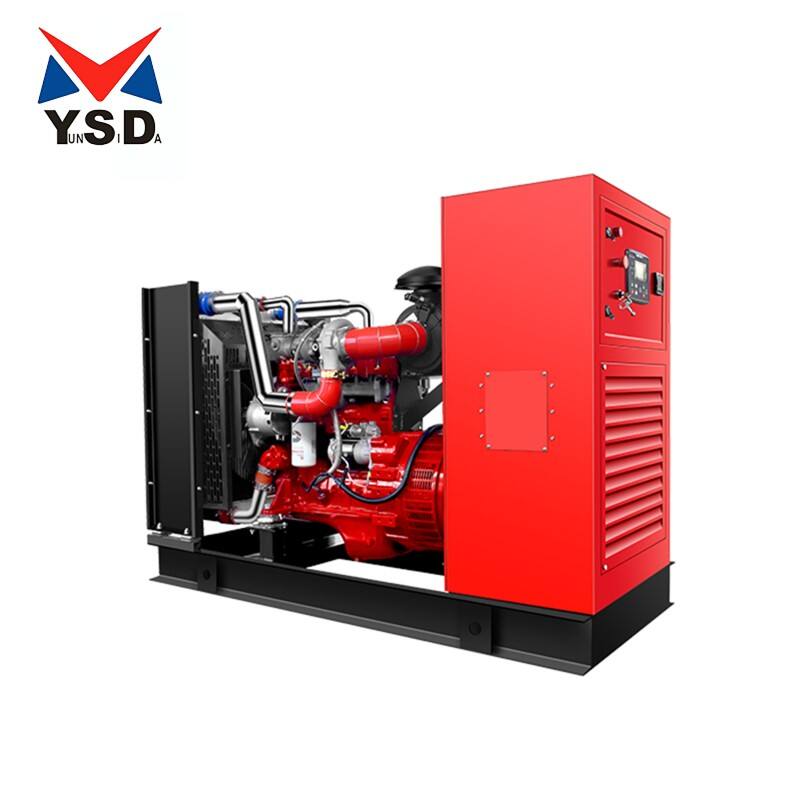
Le strategie di manutenzione efficaci per i sistemi di generatori a gas naturale vanno ben oltre i semplici cambi d’olio e la sostituzione dei filtri. Questi sistemi richiedono un’attenzione specializzata ai componenti di erogazione del gas, ai sistemi di accensione, ai meccanismi di raffreddamento e alle funzioni di controllo delle emissioni, che operano in sinergia per garantire un funzionamento affidabile. Un approccio completo alla manutenzione non solo previene guasti costosi, ma mantiene anche l’efficienza del consumo di carburante, riduce le emissioni e preserva la copertura della garanzia del produttore. Comprendere come implementare correttamente le procedure di manutenzione influenzerà in modo significativo la durata, l'affidabilità e il costo totale di proprietà del generatore.
Procedure essenziali di manutenzione del motore
Gestione e monitoraggio del sistema dell’olio
Il sistema dell'olio motore in un generatore a gas naturale richiede particolare attenzione a causa delle caratteristiche di combustione uniche del gas naturale. A differenza dei carburanti liquidi, il gas naturale brucia in modo più pulito, ma può generare diversi schemi di sollecitazione termica sui componenti del motore. L'analisi dell'olio deve essere effettuata regolarmente ogni 250 ore di funzionamento per monitorare la viscosità, i livelli di contaminazione e l'esaurimento degli additivi. L'intervallo di sostituzione dell'olio per un generatore a gas naturale si estende tipicamente a 500–750 ore, a seconda delle condizioni di funzionamento, risultando significativamente più lungo rispetto ai generatori diesel a causa della minore produzione di residui di combustione.
La sostituzione del filtro dell'olio deve avvenire contemporaneamente alla sostituzione dell'olio, utilizzando filtri specificati dal produttore e progettati per applicazioni a gas naturale. Anche il sistema di lubrificazione richiede il monitoraggio della pressione e della temperatura dell'olio durante il funzionamento, poiché i generatori a gas naturale operano spesso a temperature di combustione più elevate. Il mantenimento del livello dell'olio entro i limiti minimo e massimo previene sia la carenza di lubrificazione sia un eccessivo consumo di olio, che può verificarsi in caso di sovrarifornimento.
Gli oli sintetici sono spesso raccomandati per le applicazioni dei generatori a gas naturale grazie alla loro superiore stabilità termica e ai più lunghi intervalli di manutenzione. Tuttavia, la viscosità specifica dell'olio e la sua classificazione API devono corrispondere alle specifiche del produttore per garantire una protezione ottimale del motore e mantenere la copertura della garanzia.
Filtrazione dell'aria e manutenzione del sistema di aspirazione
Il sistema di aspirazione dell'aria di un generatore a gas naturale svolge un ruolo fondamentale nel mantenere rapporti aria-carburante corretti e nel prevenire la contaminazione dei componenti interni del motore. L’ispezione del filtro dell’aria deve essere effettuata ogni 100 ore di funzionamento, mentre la sostituzione deve basarsi sull’ispezione visiva e sulle misurazioni della pressione differenziale, piuttosto che su intervalli fissi. Filtri dell’aria puliti garantiscono un’efficienza ottimale della combustione e prevengono l’usura prematura di cilindri, valvole e componenti del turbocompressore, qualora presenti.
I generatori a gas naturale spesso incorporano sistemi di misurazione dell’aria più sofisticati rispetto ai motori alimentati a carburante liquido, richiedendo un’attenzione particolare ai sensori di portata d’aria, alla pulizia del collettore di aspirazione e al funzionamento del corpo farfallato. Questi componenti devono essere ispezionati e puliti secondo le scadenze indicate dal produttore per garantire una fornitura precisa del carburante e il rispetto delle normative sulle emissioni.
Il sistema di aspirazione include inoltre componenti per la ventilazione del basamento, che richiedono ispezioni e pulizie periodiche. Una corretta ventilazione del basamento previene l’accumulo di vapori di olio e mantiene prestazioni ottimali della tenuta degli anelli, influenzando direttamente la durata del motore e i tassi di consumo di olio.
Manutenzione e sicurezza del sistema a gas naturale
Integrità della linea del gas e monitoraggio della pressione
Il sistema di alimentazione a gas naturale richiede ispezioni e manutenzioni sistematiche per garantire una fornitura di carburante sicura e affidabile al motore. I controlli sull’integrità delle linee del gas devono includere un’ispezione visiva di tutti i raccordi, dei giunti e delle connessioni flessibili alla ricerca di segni di corrosione, danni o allentamenti. Il rilevamento elettronico di fughe di gas deve essere effettuato annualmente utilizzando strumenti tarati in grado di rilevare concentrazioni di metano pari a 50 parti per milione (ppm) o inferiori.
I sistemi di regolazione della pressione del gas richiedono particolare attenzione, poiché generatore a gas naturale le prestazioni dipendono fortemente da una fornitura costante della pressione del carburante. Il regolatore di pressione primario deve essere sottoposto a test per verificarne il corretto funzionamento e la stabilità della pressione in condizioni di carico variabile. I regolatori secondari e gli interruttori di pressione devono essere tarati secondo le specifiche del produttore per garantire un funzionamento sicuro e prestazioni ottimali.
I sistemi di filtrazione del gas proteggono i componenti dell’impianto di iniezione del carburante o del carburatore da contaminanti eventualmente presenti nella fornitura di gas naturale. Questi filtri devono essere ispezionati ogni 500 ore e sostituiti in base alle misurazioni della differenza di pressione o alla valutazione visiva del grado di contaminazione. Una corretta filtrazione del gas previene danni ai componenti di dosaggio del carburante di precisione e garantisce prestazioni motore costanti.
Manutenzione dei componenti di alimentazione del carburante
I moderni generatori a gas naturale utilizzano sistemi a carburatore o a iniezione di carburante per un controllo preciso del rapporto aria-carburante. I sistemi dotati di carburatore richiedono regolazioni periodiche delle viti di miscela e delle impostazioni del regime di minimo per mantenere prestazioni ottimali in condizioni di carico variabile. Il carburatore deve essere smontato e pulito annualmente per rimuovere eventuali depositi o vernici che potrebbero influenzare la precisione della dosatura del carburante.
I sistemi a iniezione di carburante nei generatori a gas naturale richiedono approcci di manutenzione diversi, incentrati sulla pulizia degli iniettori e sul corretto modello di spruzzo. Gli iniettori devono essere sottoposti a prova di portata e puliti ogni 1000 ore oppure secondo quanto indicato dai parametri di prestazione del motore. Il sensore di pressione del rail del carburante e i relativi sistemi di controllo richiedono una taratura periodica per garantire una tempistica e una quantità di erogazione del carburante accurate.
I sistemi miscelatori di gas, comuni in molte applicazioni con generatori a gas naturale, richiedono particolare attenzione alla pulizia del venturi del miscelatore e al corretto funzionamento della valvola del gas. Questi sistemi si basano su rapporti precisi tra aria e carburante, che possono essere influenzati da contaminazione o usura dei componenti; pertanto, ispezioni e pulizie regolari sono essenziali per mantenere un’efficienza ottimale della combustione.
Sistemi di raffreddamento e gestione termica
Manutenzione e monitoraggio del sistema di raffreddamento
Il sistema di raffreddamento di un generatore a gas naturale richiede una manutenzione specifica a causa delle temperature operative generalmente più elevate associate alla combustione del gas naturale. La qualità del liquido refrigerante deve essere verificata ogni 250 ore per quanto riguarda il valore pH, la concentrazione di glicole e la presenza di contaminanti. I generatori a gas naturale spesso subiscono un carico termico più costante rispetto ai motori alimentati a combustibile liquido, il che può accelerare il degrado del liquido refrigerante e richiedere un monitoraggio più frequente.
La pulizia del radiatore e dello scambiatore di calore deve essere eseguita ogni 500 ore o con maggiore frequenza in ambienti polverosi. La pulizia esterna rimuove i detriti che riducono l’efficienza del raffreddamento, mentre il lavaggio interno del sistema elimina incrostazioni e depositi che possono ostacolare il flusso del liquido refrigerante. Il termostato deve essere sottoposto a verifica annuale per assicurare una corretta temperatura di apertura e le appropriate caratteristiche di flusso.
L’ispezione della pompa dell’acqua comprende la verifica dell’usura dei cuscinetti, dell’integrità delle guarnizioni e dello stato dell’elica. Le pompe dell’acqua per generatori a gas naturale operano spesso in condizioni più costanti, ma richiedono particolare attenzione alle prestazioni delle guarnizioni, poiché la combustione del gas naturale può generare schemi di espansione termica diversi rispetto ai combustibili liquidi.
Controllo della Temperatura e Manutenzione dello Scambiatore di Calore
La manutenzione dello scambiatore di calore nei sistemi di generatori a gas naturale si concentra sia sulla pulizia del lato aria che su quella del lato liquido refrigerante. Nei sistemi raffreddati ad aria è necessaria una pulizia regolare delle alette di raffreddamento e la verifica del funzionamento del ventilatore, mentre nei sistemi raffreddati a liquido va prestata attenzione ai canali di flusso del liquido refrigerante e all’efficienza del trasferimento termico. I sensori di temperatura distribuiti lungo il sistema devono essere tarati annualmente per garantire letture accurate ai fini dei sistemi di protezione del motore.
La manutenzione del refrigeratore dell’olio richiede un’attenzione particolare nelle applicazioni con generatori a gas naturale, poiché questi sistemi operano spesso a temperature dell’olio più elevate. L’efficacia del refrigeratore dell’olio può essere compromessa da contaminazioni esterne o da depositi interni, rendendo necessari sia interventi di pulizia esterna che procedure di spurgo interno conformemente alle specifiche del produttore.
I sistemi di ventilazione per il raffreddamento, sia azionati dal motore che elettrici, richiedono l'ispezione delle pale della ventola, delle carenature e dei meccanismi di trasmissione. Per le ventole elettriche di raffreddamento è necessario verificare i circuiti di controllo per garantirne il corretto funzionamento in condizioni di temperatura variabile, mentre per le ventole azionate dal motore è necessario controllare lo stato e la tensione della cinghia.
Manutenzione del sistema elettrico e dei sistemi di controllo
Cura e ottimizzazione del sistema di accensione
Il sistema di accensione di un generatore a gas naturale richiede una manutenzione specializzata a causa delle caratteristiche di combustione uniche del gas naturale rispetto ai combustibili liquidi. Le candele d'accensione devono essere ispezionate ogni 500 ore e sostituite in base all'usura degli elettrodi e alle specifiche del gioco tra gli elettrodi, piuttosto che secondo intervalli fissi. La combustione del gas naturale produce generalmente condizioni più pulite sulle candele d'accensione, ma può richiedere candele con diverso grado termico rispetto a quelle utilizzate nei motori a benzina.
La messa a punto dell'anticipo di accensione deve essere verificata e regolata secondo le specifiche del produttore, poiché i generatori a gas naturale richiedono spesso un’accurata regolazione dell’anticipo per ottimizzare la potenza erogata e ridurre al minimo le emissioni. I sistemi di accensione elettronica richiedono controlli periodici dei sensori di rilevamento, dei moduli di controllo e dei fasci di cavi per garantire l’integrità del segnale e la precisione dell’anticipo.
Le prestazioni della bobina d’accensione devono essere verificate annualmente mediante apposita strumentazione diagnostica per misurare i valori di resistenza primaria e secondaria. I sistemi di accensione a gas naturale possono operare con requisiti di tensione diversi rispetto ai sistemi a benzina, rendendo fondamentale una corretta selezione e manutenzione della bobina per garantire avviamenti affidabili e un funzionamento costante.
Verifica del pannello di controllo e del sistema di sicurezza
Il pannello di controllo e i sistemi di sicurezza di un generatore a gas naturale richiedono prove complete per garantire il corretto funzionamento sia in condizioni normali che di emergenza. I sistemi di arresto di sicurezza devono essere sottoposti a verifica mensile, compresi i circuiti di rilevamento della bassa pressione dell’olio, dell’elevata temperatura, dell’eccessiva velocità di rotazione e delle perdite di gas. Ciascun circuito di sicurezza deve essere testato singolarmente per verificare il corretto funzionamento dei sensori e la risposta del sistema di controllo.
I sistemi di batterie richiedono una verifica mensile della tensione, del peso specifico e della capacità di carico. I generatori a gas naturale spesso utilizzano sistemi di controllo più sofisticati, che gravano maggiormente sul sistema di batterie rispetto ai generatori più semplici alimentati con combustibili liquidi. I morsetti delle batterie devono essere puliti e protetti dalla corrosione, mentre i sistemi di ricarica delle batterie richiedono la verifica della corretta regolazione della tensione e dell’effettiva erogazione di corrente.
I meccanismi degli interruttori di trasferimento, qualora presenti, richiedono prove trimestrali sia in modalità manuale che automatica. I collegamenti elettrici dell’intero sistema devono essere ispezionati per verificarne la tenuta, la presenza di corrosione e il rispetto delle specifiche di coppia. I collegamenti elettrici allentati possono generare calore e, in ultima analisi, causare guasti, aspetto particolarmente critico nei sistemi di generatori a gas naturale, che potrebbero funzionare per periodi prolungati durante le interruzioni di corrente.
Pianificazione e Documentazione della Manutenzione Preventiva
Pianificazione e monitoraggio degli intervalli di manutenzione
La definizione di un programma di manutenzione completo per un generatore a gas naturale richiede la comprensione sia degli intervalli basati sul tempo che di quelli basati sull’uso, al fine di ottimizzare l'affidabilità del sistema e la sua durata operativa. A differenza dei generatori portatili, che possono funzionare in modo sporadico, i sistemi di generatori di riserva a gas naturale richiedono una pianificazione della manutenzione basata su intervalli temporali (calendario), ore di funzionamento e numero di cicli, per affrontare i modelli operativi specifici dei sistemi di alimentazione di emergenza.
I compiti di manutenzione settimanale dovrebbero includere l’ispezione visiva dell’area di installazione del gruppo elettrogeno a gas naturale per rilevare odori di gas, rumori anomali durante i cicli di prova e la verifica degli indicatori del pannello di controllo. I compiti mensili si estendono al test delle batterie, alla verifica dei sistemi di sicurezza e all’ispezione dei componenti esterni. La manutenzione trimestrale prevede prove più dettagliate del sistema, inclusi, ove possibile, test con carico fittizio (load bank) per verificare la capacità di funzionamento a pieno carico.
Le procedure di manutenzione annuale dovrebbero includere un’analisi completa del sistema, tra cui l’analisi delle vibrazioni, l’imaging termico dei collegamenti elettrici e i test di prestazione in diverse condizioni di carico. Questo approccio sistematico garantisce che i potenziali problemi vengano individuati prima che possano causare guasti del sistema o ridurne l’aspettativa di vita utile.
Archiviazione dei dati e analisi delle prestazioni
Una documentazione completa delle attività di manutenzione dei generatori a gas naturale fornisce dati essenziali per ottimizzare gli intervalli di servizio, identificare problemi ricorrenti e garantire la conformità alle condizioni della garanzia. I registri di manutenzione devono includere le ore di funzionamento, il consumo di carburante, i risultati delle analisi dell’olio e qualsiasi regolazione o riparazione effettuata. Queste informazioni consentono di prendere decisioni basate sui dati riguardo ai tempi di sostituzione dei componenti e all’ottimizzazione del sistema.
L’analisi dell’andamento delle prestazioni consente di identificare un degrado graduale dell’efficienza, della potenza erogata o dei livelli di emissioni dei generatori a gas naturale prima che raggiungano soglie critiche. La registrazione periodica di parametri chiave delle prestazioni, quali il consumo di carburante per chilowattora, i tassi di consumo dell’olio e i range di temperatura del liquido di raffreddamento, fornisce indicatori precoci di esigenze manutentive emergenti.
I sistemi digitali di gestione della manutenzione possono semplificare la tenuta dei registri e fornire promemoria automatizzati per la pianificazione delle attività di manutenzione dei generatori a gas naturale. Questi sistemi includono spesso la gestione dell'inventario dei ricambi, la pianificazione degli interventi dei tecnici e funzionalità di reporting che supportano operazioni professionali di manutenzione per impianti di grandi dimensioni o per più unità.
Domande frequenti
Con quale frequenza devo cambiare l'olio del mio generatore a gas naturale?
Il cambio dell'olio nei generatori a gas naturale avviene tipicamente ogni 500–750 ore di funzionamento, intervalli significativamente più lunghi rispetto a quelli richiesti per i generatori diesel o a benzina, grazie alle caratteristiche di combustione più pulita del gas naturale. Tuttavia, è comunque necessario effettuare il cambio dell'olio annualmente, indipendentemente dalle ore di funzionamento, qualora l'unità venga utilizzata raramente. Verificare sempre i requisiti specifici del proprio modello e valutare l'eventualità di eseguire analisi dell'olio per ottimizzare gli intervalli di sostituzione in base allo stato effettivo dell'olio, anziché basarsi su periodi temporali prestabiliti.
Quali sono i controlli di sicurezza più critici da eseguire durante la manutenzione di un generatore a gas naturale?
I controlli di sicurezza più critici includono il rilevamento mensile delle perdite di gas mediante sensori elettronici, la verifica di tutti i sistemi di arresto di emergenza, inclusi gli allarmi per bassa pressione dell’olio e alta temperatura, la prova delle funzioni di arresto di emergenza e l’ispezione dei raccordi e dei collegamenti delle tubazioni del gas. Inoltre, assicurarsi una corretta ventilazione intorno all’unità e verificare che le valvole di intercettazione del gas funzionino correttamente. Questi sistemi di sicurezza sono progettati per prevenire condizioni pericolose e devono essere sottoposti a prove regolari per garantirne un funzionamento affidabile.
Posso eseguire personalmente la manutenzione del gruppo elettrogeno a gas naturale oppure ho bisogno di un tecnico specializzato?
I compiti di manutenzione di base, come ispezioni visive, controllo del livello dell'olio, ispezione del filtro dell'aria e monitoraggio del pannello di controllo, possono generalmente essere eseguiti da personale qualificato della struttura. Tuttavia, gli interventi sul sistema a gas, i collegamenti elettrici, la manutenzione interna del motore e la verifica dei sistemi di sicurezza devono essere effettuati da tecnici qualificati a causa dei requisiti di sicurezza e della complessità tecnica. Molte giurisdizioni richiedono tecnici specializzati e abilitati per gli interventi sui sistemi a gas naturale, e una manutenzione inadeguata può annullare le garanzie o creare rischi per la sicurezza.
Quali segnali indicano che il mio gruppo elettrogeno a gas naturale necessita di un intervento professionale immediato?
È necessaria un'assistenza professionale immediata se si percepiscono odori di gas intorno all'unità, si avvertono rumori insoliti del motore come battiti o funzionamento irregolare, si osserva una vibrazione eccessiva durante il funzionamento, si accendono spie di allarme che non si spengono dopo un arresto e un riavvio normali, si verificano arresti di sicurezza frequenti oppure si notano variazioni significative nella potenza erogata o nel consumo di carburante. Inoltre, qualsiasi danno visibile alle tubazioni del gas, ai componenti elettrici o al sistema di fissaggio strutturale richiede una valutazione professionale immediata prima di proseguire l'utilizzo.
Sommario
- Procedure essenziali di manutenzione del motore
- Manutenzione e sicurezza del sistema a gas naturale
- Sistemi di raffreddamento e gestione termica
- Manutenzione del sistema elettrico e dei sistemi di controllo
- Pianificazione e Documentazione della Manutenzione Preventiva
-
Domande frequenti
- Con quale frequenza devo cambiare l'olio del mio generatore a gas naturale?
- Quali sono i controlli di sicurezza più critici da eseguire durante la manutenzione di un generatore a gas naturale?
- Posso eseguire personalmente la manutenzione del gruppo elettrogeno a gas naturale oppure ho bisogno di un tecnico specializzato?
- Quali segnali indicano che il mio gruppo elettrogeno a gas naturale necessita di un intervento professionale immediato?