
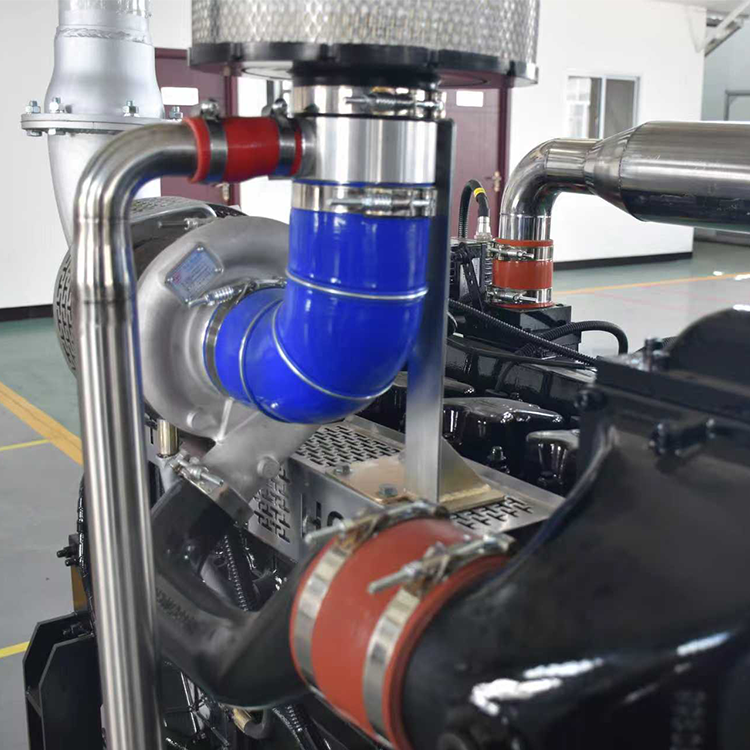
Înțelegerea cerințelor tehnice pentru funcționarea unui generator de biogaz este esențială pentru întreprinderi și instalații care iau în considerare această soluție durabilă de energie. Funcționarea de succes a unui generator de biogaz depinde de îndeplinirea unor criterii tehnice specifice, care includ compoziția gazului, parametrii de presiune, specificațiile motorului și condițiile de mediu. Aceste cerințe asigură performanța optimă, siguranța și durabilitatea sistemului de generator de biogaz, în timp ce maximizează producția de energie și minimizează perturbările operaționale.
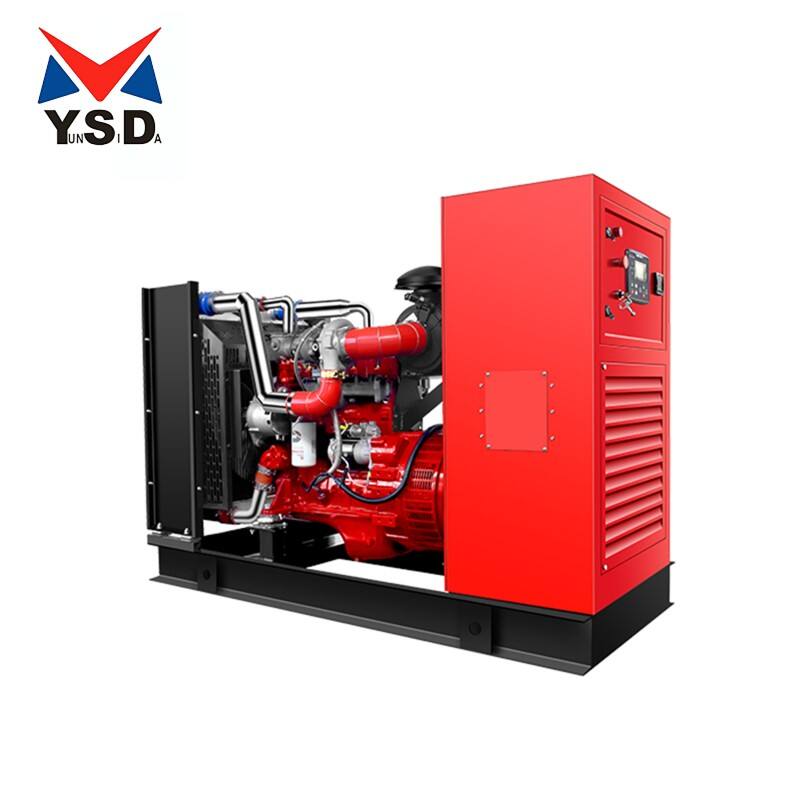
Specificațiile tehnice pentru funcționarea generatorului de biogaz implică mai multe sisteme interconectate care trebuie să funcționeze în armonie pentru a transforma biogazul în energie electrică în mod eficient. De la standardele privind calitatea gazului până la cerințele sistemului de răcire, fiecare parametru tehnic joacă un rol esențial în determinarea faptului dacă un generator de biogaz poate funcționa în siguranță și eficient într-o anumită aplicație. Înțelegerea corectă a acestor cerințe permite managerilor de instalații să ia decizii informate privind proiectarea sistemului, instalarea și protocoalele de întreținere continuă.
Cerințe privind calitatea și compoziția gazului
Standarde privind conținutul de metan
Cerința tehnică principală pentru orice generator de biogaz constă în menținerea unui conținut adecvat de metan în gazul combustibil. Majoritatea sistemelor de generatoare de biogaz necesită o concentrație minimă de metan de 45–50% pentru a funcționa eficient, deși performanța optimă se obține, de obicei, la niveluri de metan între 55–65%. Un conținut mai ridicat de metan asigură caracteristici superioare de ardere și o putere produsă mai mare pe unitatea de gaz consumată. Sistemul de gestionare al motorului generatorului de biogaz monitorizează în mod continuu nivelurile de metan pentru a ajusta, corespunzător, raportul aer-combustibil și momentul aprinderii.
Conținutul de metan influențează direct puterea calorică a biogazului, care determină capacitatea de generare a energiei electrice a generatorului de biogaz. Concentrațiile mai scăzute de metan necesită volume mai mari de gaz pentru a obține aceeași putere de ieșire, afectând atât ratele de consum de combustibil, cât și caracteristicile de performanță ale motorului. Înțelegerea acestor relații este esențială pentru dimensionarea corespunzătoare a sistemelor de generator de biogaz și pentru stabilirea unor așteptări realiste privind performanță, pe baza calității gazului disponibile.
Limitele de sulfură de hidrogen
Conținutul de sulfură de hidrogen reprezintă una dintre cele mai critice cerințe tehnice pentru funcționarea generatorului de biogaz, datorită naturii sale extrem de corozive. Majoritatea producătorilor de generatoare de biogaz specifică niveluri maxime de sulfură de hidrogen între 200–1000 ppm, fiind preferate concentrațiile mai scăzute pentru o durată de viață prelungită a motorului. Depășirea acestor limite poate provoca o deteriorare rapidă a componentelor motorului, inclusiv a supapelor, chiuloaselor și sistemelor de evacuare, ducând la defectare prematură și la reparații costisitoare.
Sistemele de condiționare a gazelor trebuie să elimine eficient excesul de sulfură de hidrogen înainte ca acesta să ajungă la motorul generatorului de biogaz. Aceasta implică, de obicei, spălarea chimică, desulfurizarea biologică sau filtrarea prin carbon activ, în funcție de nivelurile inițiale de concentrație și de eficiența necesară a eliminării. Specificațiile tehnice ale generatorului de biogaz trebuie să definească clar limitele acceptabile ale sulfurei de hidrogen și metodele recomandate de tratare a gazelor pentru a menține conformitatea cu aceste cerințe.
Controlul umidității și al particulelor
Conținutul de vapori de apă din biogaz trebuie controlat în limitele unor parametri tehnici specifici pentru a preveni condensarea și problemele de funcționare în sistemul de generare a biogazului. Majoritatea sistemelor necesită un conținut de umiditate al gazului sub 80 % umiditate relativă la temperatura de funcționare, iar mulți producători recomandă condiții de gaz uscat pentru o performanță optimă. Excesul de umiditate poate provoca coroziune, contaminarea sistemului de alimentare cu combustibil și neregularități ale arderii, ceea ce compromite fiabilitatea generatorului de biogaz.
Eliminarea particulelor în suspensie este la fel de importantă pentru durata de viață a generatorului de biogaz, cerințele tipice specificând dimensiuni ale particulelor sub 5 microni și concentrații sub 50 mg pe metru cub. Sistemele eficiente de filtrare a gazului trebuie să elimine praful, particulele organice și alte contaminanți care ar putea deteriora sistemele de injecție a combustibilului sau se pot acumula în camerele de ardere. Aceste cerințe tehnice asigură livrarea unui gaz curat către generator cu biogaz componente ale motorului.
Specificații tehnice privind presiunea și debitul
Cerințe privind presiunea de alimentare cu gaz
Sistemele de generare a biogazului necesită presiuni specifice ale aprovizionării cu gaz pentru a asigura o livrare corectă a combustibilului și caracteristici optime de ardere. Cerințele tehnice tipice specifică presiuni de intrare ale gazului între 2–20 mbar (presiune relativă), în funcție de concepția motorului și de configurația sistemului de alimentare cu combustibil. Cerințele mai ridicate de presiune pot impune utilizarea echipamentelor de compresie a gazului, în timp ce presiunile mai scăzute pot necesita echipamente de creștere a presiunii pentru a îndeplini specificațiile generatorului de biogaz.
Stabilitatea presiunii este esențială pentru o funcționare constantă a generatorului de biogaz, majoritatea sistemelor necesitând variații de presiune în limitele ±10% față de presiunea nominală de funcționare. Fluctuațiile presiunii gazului pot provoca instabilități ale arderii, variații ale puterii produse și, eventual, declanșarea sistemelor de protecție ale motorului. Echipamentele de reglare a presiunii gazului trebuie să mențină condiții stabile de aprovizionare pe întreaga gamă de funcționare a sistemului de generare a biogazului.
Calculul debitului
Determinarea debitelor adecvate de gaz implică calcularea cerințelor de consum de combustibil ale generatorului de biogaz în diverse condiții de sarcină. Specificațiile tehnice furnizează, de obicei, date privind consumul de combustibil în metri cubi pe oră, la temperatura și presiunea standard, corectate în funcție de valoarea calorică specifică a biogazului disponibil. Aceste calcule trebuie să țină cont de variațiile conținutului de metan și de modificările sezoniere ale compoziției gazului.
Cerințele de debit maxim sunt adesea cu 20–30 % mai mari decât consumul mediu, pentru a acoperi tranziențele de sarcină și procedurile de pornire. Sistemul de alimentare cu combustibil al generatorului de biogaz trebuie să fie capabil să asigure debitele maxime fără scădere de presiune sau întrerupere a aprovizionării. Dimensionarea corespunzătoare a conductelor de gaz, a robinetelor și a echipamentelor de reglare a debitului asigură o alimentare adecvată cu combustibil în toate regimurile de funcționare.
Cerințe privind motorul și sistemul electric
Specificații privind configurația motorului
Motoarele pentru generație de biogaz necesită configurații tehnice specifice, optimizate pentru funcționarea cu combustibil gazos, inclusiv camere de ardere modificate, sisteme de aprindere specializate și mecanisme adaptate de alimentare cu combustibil. Raportul de compresie este, în mod tipic, mai mic decât cel al motoarelor diesel, variind între 10:1 și 12:1, pentru a corespunde caracteristicilor de ardere ale biogazului și pentru a preveni detonarea motorului. Aceste cerințe tehnice asigură o ardere eficientă, păstrând în același timp durabilitatea și performanța motorului.
Reglarea momentului de aprindere și sistemele de control reprezintă cerințe tehnice esențiale pentru motoarele de generare a biogazului, iar sistemele moderne de management al motorului oferă un control precis asupra parametrilor de ardere. Sistemele moderne de generare a biogazului integrează senzori de detonare, senzori de oxigen și alte mecanisme de feedback pentru a optimiza performanța în condiții variabile de calitate a gazului. Aceste caracteristici tehnice permit ajustarea automată a parametrilor de funcționare pentru menținerea unei eficiențe optime și a conformității cu reglementările privind emisiile.
Standarde de ieșire electrică
Sistemul electric al unui generator de biogaz trebuie să îndeplinească anumite cerințe tehnice specifice privind reglarea tensiunii, stabilitatea frecvenței și nivelurile de distorsiune armonică. Cele mai multe sisteme industriale de generare de biogaz oferă o ieșire de putere trifazică cu reglarea tensiunii în limitele ±5% și stabilitatea frecvenței în limitele ±2% în condiții de sarcină variabilă. Aceste specificații tehnice asigură compatibilitatea cu echipamentele electrice sensibile și cu cerințele de conectare la rețea.
Cerințele privind calitatea energiei electrice pentru sistemele de generare de biogaz includ limitele de distorsiune armonică totală (THD), de obicei sub 5% pentru tensiune și sub 8% pentru curent, în condiții de sarcină liniară. Pot fi necesare sisteme avansate de reglare a tensiunii și echipamente de condiționare a puterii pentru a îndeplini standardele stricte privind calitatea energiei electrice, în special în aplicațiile care implică echipamente electronice sensibile sau funcționarea în paralel cu rețeaua.
Cerințe privind mediu și instalare
Intervale de Temperaturi de Funcționare
Sistemele de generare a biogazului trebuie să funcționeze în limitele specificate ale temperaturii ambientale pentru a menține performanța optimă și fiabilitatea componentelor. Majoritatea sistemelor sunt concepute pentru funcționare între -10°C și +40°C temperatură ambientală, iar unele unități specializate pot suporta game extinse de temperaturi. Funcționarea în condiții de frig poate necesita încălzitoare pentru blocul motor, sisteme de încălzire a bateriei și lubrifianți modificați pentru a asigura pornirea și funcționarea fiabilă.
Temperaturile ambientale ridicate pot afecta semnificativ performanța generatorului de biogaz prin reducerea puterii de ieșire și creșterea necesarului de răcire. Specificațiile tehnice trebuie să țină cont de efectele altitudinii, care reduc atât densitatea aerului, cât și eficiența răcirii. Ventilația corespunzătoare și proiectarea sistemului de răcire devin cerințe tehnice esențiale pentru menținerea performanței nominale în condiții de temperatură ridicată.
Sisteme de ventilare și siguranță
Ventilarea adecvată reprezintă o cerință tehnică fundamentală pentru instalațiile de generare a biogazului, pentru a preveni acumularea gazelor inflamabile și a asigura funcționarea în siguranță. Sistemele de ventilare trebuie să asigure un număr suficient de schimburi de aer pe oră pentru a menține concentrațiile de gaze sub 25 % din limita inferioară de explozie, ceea ce necesită, în mod tipic, 6–12 schimburi de aer pe oră, în funcție de configurația instalației și de reglementările locale.
Sistemele de detectare și alarmare a gazelor reprezintă o cerință tehnică obligatorie pentru majoritatea instalațiilor de generare a biogazului, senzorii monitorizând concentrațiile de metan, sulfură de hidrogen și monoxid de carbon. Aceste sisteme de siguranță trebuie să ofere atât alarme locale, cât și alarme la distanță, cu posibilitatea de oprire automată pentru protejarea personalului și a echipamentelor. Sistemele de ventilare de urgență și de izolare a gazelor reprezintă cerințe tehnice suplimentare pentru o protecție completă în domeniul siguranței.
Specificații privind sistemul de răcire și sistemele auxiliare
Proiectarea Sistemului de Răcire
Sistemele de răcire pentru generația de biogaz trebuie proiectate pentru a gestiona cerințele de evacuare a căldurii ale motoarelor cu gaz, care, în mod tipic, generează mai multă căldură reziduală decât motoarele diesel de putere comparabilă. Cerințele tehnice includ o capacitate adecvată a radiatorului, debite de circulație ale lichidului de răcire și sisteme de reglare a temperaturii pentru menținerea temperaturilor de funcționare ale motorului în limitele specificate, în mod obișnuit între 80–95 °C pentru sistemul de răcire.
Sistemele de recuperare a căldurii pot fi integrate în instalațiile de generare de biogaz pentru a valorifica căldura reziduală în scopuri de încălzire a spațiilor, producție de apă caldă sau aplicații tehnologice. Aceste cerințe tehnice implică utilizarea unor schimbătoare de căldură suplimentare, pompe de circulație și sisteme de comandă pentru captarea și distribuirea eficientă a energiei termice. Proiectarea corectă a sistemelor de recuperare a căldurii poate îmbunătăți semnificativ eficiența generală a instalațiilor de generare de biogaz.
Sisteme de ungere și întreținere
Lubrifianții specializați reprezintă cerințe tehnice importante pentru motoarele generatoare de biogaz, datorită condițiilor unice de funcționare și a potențialilor contaminanți din combustibilul de biogaz. De obicei, sunt necesari lubrifianți cu alcalinitate ridicată pentru a neutraliza acizii formați în timpul arderii produse , în special atunci când nivelurile de sulfură de hidrogen sunt ridicate. Intervalele de schimbare a uleiului și cerințele de filtrare trebuie stabilite pe baza calității gazului și a condițiilor de funcționare.
Cerințele privind accesul la întreținere și ușurința în efectuarea serviciilor trebuie luate în considerare în etapa de proiectare a instalației generatoare de biogaz, pentru a asigura o întreținere continuă adecvată, realizată eficient. Specificațiile tehnice trebuie să includă cerințe privind spațiile libere în jurul componentelor principale, prevederi pentru ridicarea pieselor grele și accesibilitatea necesară inspecțiilor și procedurilor rutiniere de întreținere și service. Aceste considerente de proiectare influențează direct fiabilitatea pe termen lung și costurile de exploatare ale sistemelor generatoare de biogaz.
Întrebări frecvente
Care este conținutul minim de metan necesar pentru ca un generator de biogaz să funcționeze?
Majoritatea generatorilor de biogaz necesită un conținut minim de metan de 45–50% pentru a funcționa eficient, deși performanța optimă se obține, de obicei, la concentrații de metan între 55–65%. Un conținut mai scăzut de metan reduce puterea de ieșire și eficiența arderii, în timp ce concentrațiile mai ridicate asigură o economie de combustibil mai bună și caracteristici îmbunătățite ale performanței motorului.
Ce presiune de gaz necesită, de obicei, generatorii de biogaz?
Generatorii de biogaz necesită, de obicei, presiuni de alimentare cu gaz între 2–20 mbar (presiune relativă), în funcție de configurația specifică a motorului și a sistemului de alimentare cu combustibil. Stabilitatea presiunii în limitele de ±10% față de presiunea nominală de funcționare este esențială pentru o performanță constantă și o funcționare fiabilă a sistemului de generare.
Care sunt nivelurile maxime admise de sulfură de hidrogen pentru generatorii de biogaz?
Nivelurile maxime de sulfură de hidrogen pentru generatoarele de biogaz se situează în mod obișnuit între 200–1000 ppm, în funcție de producător și de proiectarea motorului. Concentrațiile mai scăzute sunt preferate pentru o durată de viață prelungită a motorului, deoarece sulfura de hidrogen este extrem de corozivă și poate provoca deteriorarea rapidă a componentelor motorului, inclusiv supape, chiulase și sisteme de evacuare.
În ce interval de temperatură ambientală pot funcționa generatoarele de biogaz?
Majoritatea generatoarelor de biogaz sunt concepute pentru a funcționa în temperaturi ambientale cuprinse între -10°C și +40°C, deși unele unități specializate pot suporta intervale extinse de temperatură. Funcționarea în condiții de frig poate necesita echipamente suplimentare, cum ar fi încălzitoare pentru blocul motor și sisteme de încălzire a bateriei, în timp ce temperaturile ridicate pot necesita sisteme de răcire și ventilare îmbunătățite.
Cuprins
- Cerințe privind calitatea și compoziția gazului
- Specificații tehnice privind presiunea și debitul
- Cerințe privind motorul și sistemul electric
- Cerințe privind mediu și instalare
- Specificații privind sistemul de răcire și sistemele auxiliare
-
Întrebări frecvente
- Care este conținutul minim de metan necesar pentru ca un generator de biogaz să funcționeze?
- Ce presiune de gaz necesită, de obicei, generatorii de biogaz?
- Care sunt nivelurile maxime admise de sulfură de hidrogen pentru generatorii de biogaz?
- În ce interval de temperatură ambientală pot funcționa generatoarele de biogaz?