
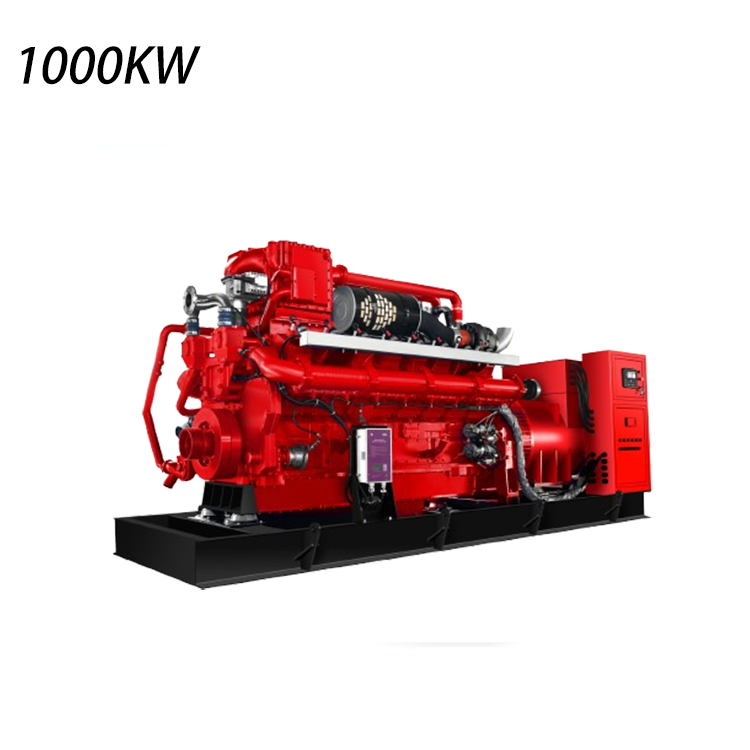
صنعتی آپریشنز کو پیداواری صلاحیت برقرار رکھنے، حفاظتی معیارات پوری کرنے اور اہم سامان کو مہنگی بندش سے بچانے کے لیے مستقل، غیر متقطع بجلی کی ضرورت ہوتی ہے۔ ایک نیچرل گیس جنریٹر صنعتوں کے لیے ایک حکمت عملی کا حل کے طور پر ابھرتا ہے جو صاف جلنے والے ایندھن کے ٹیکنالوجی کے ذریعے قابل اعتماد بجلی کی فراہمی کی تلاش میں ہیں۔ یہ مضبوط بجلی پیدا کرنے والے نظام قدرتی گیس کے احتراقی خصوصیات کو استعمال کرتے ہوئے مستقل بجلی پیدا کرتے ہیں، جو صنعتی سہولیات کو روایتی ڈیزل جنریٹرز اور بجلی کے گرڈ پر انحصار کرنے والے ذرائع کا قابل اعتماد متبادل فراہم کرتے ہیں۔
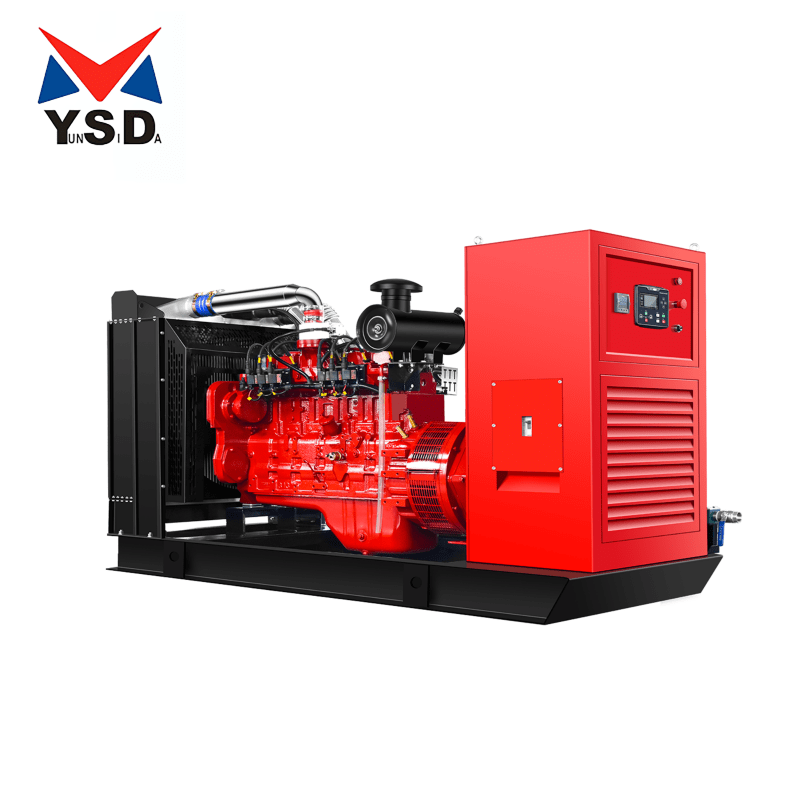
قدرتی گیس جنریٹر کا وہ طریقہ کار جس کے ذریعے صنعتی طور پر قابل اعتماد بجلی فراہم کی جاتی ہے، ایک پیچیدہ انجینئرنگ پر مبنی ہوتا ہے جو قدرتی گیس کو مکینیکل توانائی میں تبدیل کرتی ہے، اور پھر اس توانائی کو جدید الٹرنیٹر سسٹمز کے ذریعے بجلی میں تبدیل کرتی ہے۔ یہ تبدیلی کا عمل مسلسل جاری رہتا ہے، جس سے صنعتوں کو تیاری کے عمل، ڈیٹا سنٹرز، صحت کی دیکھ بھال کے اداروں اور دیگر انتہائی اہم آپریشنز کے لیے مستقل بجلی کی فراہمی ہوتی ہے جو بجلی کی منقطع ہونے کو برداشت نہیں کر سکتے۔
قدرتی گیس سسٹمز میں بجلی پیدا کرنے کا طریقہ کار
کمبشن انجن ٹیکنالوجی
ایک قدرتی گیس جنریٹر اندرونی دہن انجن کے ذریعے کام کرتا ہے جو خاص طور پر قدرتی گیس کو موثر اور مستقل طریقے سے جلانے کے لیے ڈیزائن کیے گئے ہوتے ہیں۔ یہ انجن فراہمی لائنز سے قدرتی گیس کو کھینچتا ہے، اسے درست ہوا کے تناسب میں ملاتا ہے، اور اس مخلوط کو دہن کمرے میں جلا کر کنٹرول شدہ دھماکے پیدا کرتا ہے۔ یہ دھماکے پستونوں کو حرکت دیتے ہیں جو کرینک شافٹ کو گھumatے ہیں، جس سے مکینیکل توانائی پیدا ہوتی ہے جو بجلی پیدا کرنے والے اجزاء کو چلاتی ہے۔
قدرتی گیس جنریٹر میں دہن عمل مستحکم شعلہ کے درجہ حرارت اور مسلسل ایندھن کی فراہمی کو برقرار رکھتا ہے، جس سے بیرونی حالات کے باوجود مستحکم بجلی کی پیداوار یقینی بنائی جاتی ہے۔ مائع ایندھن کے برعکس جن میں فراہمی کی ناہمواری یا آلودگی کے مسائل ہو سکتے ہیں، قدرتی گیس پائپ لائن انفراسٹرکچر کے ذریعے مسلسل بہتی ہے، جس سے جنریٹر کو قابل اعتماد صنعتی بجلی کی فراہمی کے لیے ضروری غیر متقطع ایندھن تک رسائی حاصل رہتی ہے۔
جدید قدرتی گیس جنریٹر انجن میں جدید ایندھن انجیکشن سسٹم، الیکٹرانک آگنیشن کنٹرولز اور کمپیوٹرائزڈ انجن مینجمنٹ شامل ہیں تاکہ احتراق کی کارکردگی کو بہتر بنایا جا سکے۔ ان ٹیکنالوجیکل بہتریوں کی وجہ سے جنریٹر لوڈ میں تبدیلیوں کے لیے فوری طور پر ردِ عمل ظاہر کر سکتا ہے جبکہ صنعتی بجلی کی معیاری شرائط کے مطابق مستقل وولٹیج اور فریکوئنسی آؤٹ پٹ برقرار رکھتا ہے۔
برقی تولید کے اجزاء
قدرتی گیس جنریٹر کے اندر برقی تولید کا سسٹم اعلیٰ درجے کے الٹرنیٹرز، وولٹیج ریگولیٹرز اور کنٹرول پینلز پر مشتمل ہوتا ہے جو مکینیکل توانائی کو مستحکم برقی طاقت میں تبدیل کرتا ہے۔ الٹرنیٹر، جو قدرتی گیس کے انجن کے ذریعے چلایا جاتا ہے، طاقتور مستقل مقناطیس یا الیکٹرو مقناطیس کے ذریعے پیدا کردہ مقناطیسی میدانوں کے اندر تانبا کے وائنڈنگز کے گھومنے کے نتیجے میں الیکٹرومیگنیٹک انڈکشن کے ذریعے متبادل کرنٹ (AC) پیدا کرتا ہے۔
صنعتی قدرتی گیس جنریٹر یونٹس میں وولٹیج ریگولیشن سسٹم بجلی کی پیداوار کو خودکار طور پر لوڈ کی ضروریات کے مطابق ایڈجسٹ کرتے ہیں جبکہ وولٹیج کی سطح کو مستقل رکھا جاتا ہے۔ یہ ریگولیشن کے آلات بجلی کے اچانک اضافے کو روکتے ہیں جو حساس صنعتی آلات کو نقصان پہنچا سکتے ہیں، اور مختلف طلب کی صورتحال کے دوران صنعتی عمل کے دوران بجلی کی مستقل فراہمی کو یقینی بناتے ہیں۔
جدید کنٹرول سسٹم جنریٹر کی کارکردگی کو مسلسل منیٹر کرتے ہیں، جس میں انجن کا درجہ حرارت، تیل کا دباؤ، ایندھن کا بہاؤ، اور بجلی کی پیداوار کی معیار جیسے پیرامیٹرز کو ٹریک کیا جاتا ہے۔ یہ منیٹرنگ سسٹم انہیں نیچرل گیس جنریٹر کو بہترین پیرامیٹرز کے اندر کام کرنے کی اجازت دیتے ہیں جبکہ بروقت انتباہ کے اشارے فراہم کرتے ہیں تاکہ مرمت کی ضروریات یا ایسے ممکنہ مسائل کو پہلے ہی شناخت کیا جا سکے جو بجلی کی قابل اعتماد فراہمی کو متاثر کر سکتے ہیں۔
صنعتی بجلی کی قابل اعتماد فراہمی کی خصوصیات
خودکار شروعات اور لوڈ ٹرانسفر
صنعتی قدرتی گیس جنریٹر سسٹم خودکار ٹرانسفر سوئچز پر مشتمل ہوتے ہیں جو بجلی کی غیر موجودگی کا احساس ملی سیکنڈز کے اندر کرتے ہیں اور انسانی مداخلت کے بغیر جنریٹر کو شروع کرنے کے لیے سلسلہ وار کارروائیاں شروع کرتے ہیں۔ یہ خودکار نظام اہم صنعتی عمل کو مسلسل بجلی فراہم کرنے کو یقینی بناتا ہے، جس سے پیداواری بندش، آلات کو نقصان یا اچانک بجلی کی کمی کی وجہ سے حفاظتی خطرات کو روکا جا سکتا ہے۔
قدرتی گیس جنریٹر میں خودکار شروع ہونے کا سلسلہ نظام کی تشخیص، ایندھن لائن کو دباؤ دینا اور انجن کو پہلے سے تیل دینے کے بعد اسٹارٹر موٹر کو چالو کرنے سے شروع ہوتا ہے۔ جب انجن کام کرنے کی مناسب رفتار اور مستحکم برقی آؤٹ پٹ تک پہنچ جاتا ہے، تو ٹرانسفر سوئچ سہولت کو یوٹیلیٹی بجلی سے منقطع کر دیتا ہے اور تمام اہم لوڈز کو جنریٹر کی بجلی سے جوڑ دیتا ہے، جو عام طور پر اس منتقلی کو 10-15 سیکنڈز کے اندر مکمل کر لیتا ہے۔
صنعتی قدرتی گیس جنریٹر کی انسٹالیشنز میں لوڈ مینجمنٹ سسٹم اسٹارٹ اپ یا صلاحیت کی حدود کے دوران اہم آلات کو بجلی کی ترسیل کو ترجیح دے سکتے ہیں۔ یہ ذہین لوڈ مینجمنٹ یقینی بناتا ہے کہ اہم عملوں کو پہلے بجلی فراہم کی جائے، جبکہ جنریٹر مکمل صلاحیت اور مستحکم عمل کی حالت میں پہنچنے کے بعد دوسرے نظاموں کو مرحلہ وار آن لائن کیا جاتا ہے۔
مسلسل آپریشن کی صلاحیتیں
صنعتی مقاصد کے لیے ڈیزائن کردہ قدرتی گیس جنریٹر طویل عرصے تک مسلسل کام کر سکتا ہے، جو آپریشنل ضروریات کے مطابق قابل اعتماد بیس لوڈ پاور یا ایمرجنسی بیک اپ پاور فراہم کرتا ہے۔ قدرتی گیس پائپ لائنز کے ذریعے مسلسل ایندھن کی فراہمی ایندھن کی ذخیرہ سازی، ری فیولنگ کے شیڈول یا دوسرے جنریٹر ٹیکنالوجیز کو محدود کرنے والے ایندھن کے گھلنے کے خدشات کو ختم کر دیتی ہے۔
صنعتی درجے کی قدرتی گیس جنریٹر یونٹس میں مضبوط انجن ڈیزائنز، بھاری درجے کے اجزاء، بہتر شدہ کولنگ سسٹم اور طویل وقفے کے ساتھ رکھ روبہ کے انتظامات شامل ہیں جو 24/7 آپریشن کی حمایت کرتے ہیں۔ یہ جنریٹرز بڑے پیمانے پر سروس کے وقفے کے درمیان ہزاروں گھنٹے تک چل سکتے ہیں جبکہ صنعتی درخواستوں کے لیے ضروری مستقل بجلی کی فراہمی اور قابل اعتماد معیارات برقرار رکھتے ہیں۔
جاری آپریشن کے دوران قدرتی گیس جنریٹر سسٹمز کی حرارتی کارکردگی مستحکم رہتی ہے، جبکہ کچھ متبادل ٹیکنالوجیاں طویل وقت تک چلنے کے دوران کارکردگی میں کمی کا شکار ہوتی ہیں۔ یہ استحکام یقینی بناتا ہے کہ صنعتی سہولیات طویل عرصے تک بجلی کی کمی کی صورت میں یا جب جنریٹر کی بجلی طویل عرصے تک بنیادی بجلی کا ذریعہ ہو، تو بھی قابل اعتماد بجلی کی معیاری فراہمی حاصل کرتی ہیں۔
fuels کی فراہمی اور بنیادی ڈھانچے کے فائدے
پائپ لائن کنیکٹیویٹی کے فائدے
قدرتی گیس جنریٹر سسٹمز موجودہ قدرتی گیس پائپ لائن انفراسٹرکچر سے براہ راست منسلک ہوتے ہیں، جو صنعتی سہولیات کو مقامی اسٹوریج ٹینکوں یا باقاعدہ ایندھن کی ترسیلات کے بغیر تقریباً لامحدود ایندھن کی فراہمی کی صلاحیت فراہم کرتے ہیں۔ یہ پائپ لائن کنیکٹیویٹی ایندھن کے لاگسٹکس کے مسائل کو ختم کر دیتی ہے جو ترسیل کے اختلالات، شدید موسمی حالات یا نقل و حمل کے چیلنجز کے دوران بجلی کی پیداوار کی قابل اعتمادی کو متاثر کر سکتے ہیں۔
قدرتی گیس جنریٹر انسٹالیشنز میں دباؤ کی تنظیم کے سسٹم خود بخود انجن کی ضروریات کے مطابق ایندھن کے بہاؤ کو ایڈجسٹ کرتے ہیں جبکہ بہترین احتراق کے لیے مستقل ایندھن کے دباؤ کو برقرار رکھتے ہیں۔ یہ تنظیمی سسٹم قدرتی گیس تقسیم نیٹ ورکس میں دستیاب مسلسل دباؤ سے فائدہ اٹھاتے ہیں، جس سے جنریٹر کے لوڈ کی تبدیلیوں یا خارجی حالات کے باوجود ایندھن کی قابل اعتماد ترسیل یقینی بنائی جاتی ہے۔
پائپ لائن سے فراہم کردہ قدرتی گیس جنریٹر سسٹم ایندھن کے آلودگی کے مسائل، پانی کے داخل ہونے اور ذخیرہ شدہ مائع ایندھنوں کو متاثر کرنے والی کیمیائی تخریب کے مسائل سے بچاتے ہیں۔ اس ایندھن کی معیاری مستقلی براہ راست جنریٹر کے قابل اعتماد عمل کو یقینی بناتی ہے، دیکھ بھال کی ضروریات کو کم کرتی ہے، اور آلات کی عمر بڑھاتی ہے، جو صنعتی طاقت تولید کے اطلاقات کے لیے فائدہ مند ہوتی ہے۔
سپلائی کی حفاظت اور اضافی وسائل
قدرتی گیس کے تقسیم نیٹ ورک میں متعدد سپلائی ماخذ، دباؤ کو منظم کرنے والے اسٹیشنز اور اضافی پائپ لائن راستے شامل ہیں، جو صنعتی قدرتی گیس جنریٹر کی انسٹالیشنز کے لیے ایندھن کی سپلائی کی حفاظت کو بہتر بناتے ہیں۔ اس بنیادی ڈھانچے کی اضافی وسائل کا نظام ایندھن کی سپلائی میں رُکاوٹوں کے خطرے کو کم کرتا ہے، جو اہم طاقت تولید کی ضروریات کے دوران جنریٹر کے قابل اعتماد عمل کو متاثر کر سکتی ہیں۔
کئی صنعتی سہولیات جن کے پاس قدرتی گیس جنریٹر سسٹم ہیں، ایک ہی پائپ لائن انفراسٹرکچر کے ذریعے متعدد قدرتی گیس فراہم کنندگان تک رسائی حاصل کر سکتی ہیں، جو ایندھن کی فراہمی کی لچک اور مقابلہ پسند قیمتی انتخابات فراہم کرتی ہے۔ یہ فراہم کنندہ تنوع قدرتی گیس جنریٹر آپریشنز کی طویل مدتی قابل اعتمادی اور لاگت کی موثری کو واحد ماخذ سے ایندھن کی فراہمی کے بندوبست کے مقابلے میں بہتر بناتا ہے۔
قدرتی گیس تقسیم کے نظاموں میں ہنگامی ایندھن کی فراہمی کے طریقہ کار اہم سہولیات کو ترجیح دیتے ہیں، بشمول ان صنعتی آپریشنز کو جن کے لیے ضروری بجلی تربیت کی ضرورت ہوتی ہے۔ یہ ترجیحی درجہ بندیاں یقینی بناتی ہیں کہ قدرتی گیس جنریٹر سسٹم ایندھن تک رسائی برقرار رکھیں جب بھی ایندھن کی فراہمی میں رکاوٹیں یا ہنگامی صورتحال پیدا ہوں، جبکہ قابل اعتماد بجلی تربیت صنعتی استحکام کے لیے نہایت اہم ہوتی ہے۔
عملی کارآمدی اور صفائی
کارکردگی نگرانی نظام
جدید صنعتی قدرتی گیس جنریٹر سسٹم ایک جدید نگرانی اور تشخیصی صلاحیتوں کو ضم کرتے ہیں جو جنریٹر کی کارکردگی کو حقیقی وقت میں ٹریک کرتے ہیں، جس سے پیشگی دیکھ بھال کا شیڈول بنانا ممکن ہوتا ہے اور طاقت کی فراہمی پر اثرانداز ہونے سے پہلے قابل اعتمادی کے مسائل کو روکا جا سکتا ہے۔ یہ نگرانی سسٹم انجن کے پیرامیٹرز، برقی آؤٹ پٹ کی معیار، ایندھن کی خوراک، اور ماحولیاتی حالات کے بارے میں ڈیٹا جمع کرتے ہیں۔
قدرتی گیس جنریٹر کی انسٹالیشن میں دور سے نگرانی کی صلاحیتیں سہولت کے منتظمین اور دیکھ بھال کے عملے کو مختلف مقامات سے جنریٹر کی حالت کا جائزہ لینے، کارکردگی کے غیر معمولی معاملات کے بارے میں خودکار الرٹس وصول کرنے، اور بجلی کی تربیت کے آپریشنز کو متاثر کیے بغیر دیکھ بھال کے امور کو منسلک کرنے کی اجازت دیتی ہیں۔ یہ دور سے رسائی آپریشنل قابل اعتمادی کو بڑھاتی ہے کیونکہ اس سے ممکنہ مسائل کے لیے فوری جواب دینا ممکن ہوتا ہے۔
پریڈیکٹو رکھ راس کے الگورتھم قدرتی گیس جنریٹر کے آپریشنز سے حاصل شدہ کارکردگی کے اعداد و شمار کا تجزیہ کرتے ہیں تاکہ وہ رجحانات کو پہچان سکیں جو نئی مسائل، اجزاء کی پہننے یا کارکردگی میں تبدیلی کی نشاندہی کرتے ہوں۔ یہ پیش بینی کی صلاحیتیں منصوبہ بند غیر فعال دورانیہ کے دوران رکھ راس کے انتظامات کو منصوبہ بند کرنے میں مدد دیتی ہیں، جبکہ اہم صنعتی آپریشنز کے لیے قابل اعتماد بجلی کی فراہمی کو برقرار رکھتی ہیں۔
رکھ راس کی رسائی اور شیڈولنگ
صنعتی قدرتی گیس جنریٹرز کی ڈیزائن میں رسائی کے آسان سروس پوائنٹس، ماڈیولر اجزاء کی ترتیب اور معیاری رکھ راس کے طریقہ کار شامل ہوتے ہیں جو لمبے غیر فعال دورانیہ کے بغیر روزمرہ کی سروسنگ کو آسان بناتے ہیں۔ یہ رکھ راس کے لیے مناسب ڈیزائن کا نقطہ نظر ان صنعتی سہولیات کی قابل اعتماد بجلی کی فراہمی کی ضروریات کی حمایت کرتا ہے جو مستقل جنریٹر کی دستیابی پر انحصار کرتی ہیں۔
قدرتی گیس جنریٹر سسٹمز کے برقرار رکھنے کے وقفات عام طور پر اس لیے زیادہ طویل ہوتے ہیں کہ ان کا مقابلہ ڈیزل جنریٹر یونٹس سے کیا جاتا ہے، کیونکہ یہ صاف ایندھن کو جلاتے ہیں، انجن کو کم آلودہ کرتے ہیں اور اہم اجزاء پر پہننے کی شرح کم ہوتی ہے۔ یہ بڑھے ہوئے سروس وقفات برقراری کے اخراجات کو کم کرتے ہیں جبکہ صنعتی بجلی کے استعمال کے لیے مجموعی سسٹم کی قابل اعتمادی کو بہتر بناتے ہیں۔
قدرتی گیس جنریٹر کی نصب کاری کے روک تھامی برقراری کے پروگراموں کو منصوبہ بند صنعتی سہولیات کے بند ہونے کے وقت کے ساتھ ہم آہنگ کیا جا سکتا ہے، جس سے پیداواری شیڈول پر اثر کو کم سے کم کیا جا سکتا ہے اور جنریٹر کی بہترین قابل اعتمادی کو یقینی بنایا جا سکتا ہے۔ یہ برقراری کے شیڈولنگ کی لچک صنعتی آپریشنز کو اہم پیداواری دوران بجلی تربیت کے نظام کی دستیابی پر بہتر کنٹرول فراہم کرتی ہے۔
فیک کی بات
کوئی قدرتی گیس جنریٹر بجلی کی بندش کے دوران بجلی کو بحال کرنے میں کتنی جلدی سے کامیاب ہو سکتا ہے؟
ایک مناسب طریقے سے کنفیگر کردہ صنعتی قدرتی گیس جنریٹر آٹومیٹک ٹرانسفر سوئچ سسٹم کے ذریعے بجلی کی فراہمی میں خرابی کا پتہ لگاتے ہی 10-15 سیکنڈ کے اندر بجلی کی فراہمی بحال کر سکتا ہے۔ جنریٹر بجلی کے نقصان کا پتہ لگتے ہی فوراً شروع ہو جاتا ہے، اور جب انجن آپریشنل رفتار تک پہنچ جاتا ہے اور وولٹیج مستحکم ہو جاتا ہے تو ٹرانسفر سوئچ خود بخود سہولت کے لوڈز کو جنریٹر کی طرف منتقل کر دیتا ہے۔
صنعتی درجوں کے لیے قدرتی گیس جنریٹرز کی گنجائش کا حدود کیا ہے؟
صنعتی قدرتی گیس جنریٹر سسٹمز 50 کلو واٹ سے لے کر کئی میگا واٹ تک دستیاب ہیں، جو چھوٹی سہولیات سے لے کر بڑے صنعتی پلانٹس یا صنعتی کمپلیکس تک کے لیے استعمال کیے جا سکتے ہیں۔ ان جنریٹرز کو واحد یونٹ کے طور پر یا مخصوص صنعتی بجلی کی ضروریات کے مطابق اور اہم آپریشنز کے لیے بروقت کارکردگی کے لیے متعدد متوازی یونٹس کے طور پر کنفیگر کیا جا سکتا ہے۔
قدرتی گیس جنریٹرز اور ڈیزل متبادل کے درمیان ایندھن کی لاگت کا موازنہ کیسے کیا جاتا ہے؟
قدرتی گیس جنریٹرز کے ایندھن کے اخراجات عام طور پر علاقائی قیمتوں اور استعمال کی مقدار کے مطابق ہر کلوواٹ آئیر کے لیے ڈیزل ایندھن کے اخراجات سے 30-50 فیصد کم ہوتے ہیں۔ اس کے علاوہ، قدرتی گیس جنریٹرز ڈیزل نظاموں کے ساتھ وابستہ ایندھن کی ذخیرہ اندوزی کے اخراجات، ترسیل کے فیس اور ایندھن کے انتظام کے اخراجات سے بچ جاتے ہیں، جو صنعتی درخواستوں کے لیے طویل مدتی آپریشنل لاگت کے فائدے فراہم کرتے ہیں۔
کیا قدرتی گیس جنریٹرز قدرتی آفات یا ہنگامی حالات کے دوران کام کر سکتے ہیں؟
زیادہ تر قدرتی آفات کے دوران قدرتی گیس جنریٹرز کام کرنے کی صلاحیت برقرار رکھتے ہیں، کیونکہ بجلی کے گرڈز کے خراب ہونے کی صورت میں بھی زیر زمین قدرتی گیس کے پائپ لائنز طوفان کے نقصان، سیلاب یا دیگر ہنگامی حالات میں کام کرتے رہتے ہیں۔ تاہم، ان سہولیات کو جن علاقوں میں پائپ لائن کو نقصان پہنچنے کا امکان ہو، وہاں ہنگامی تیاری کو زیادہ سے زیادہ بنانے کے لیے بیک اپ ایندھن کے اختیارات یا متعدد جنریٹر ٹیکنالوجیز پر غور کرنا چاہیے۔
موضوعات کی فہرست
- قدرتی گیس سسٹمز میں بجلی پیدا کرنے کا طریقہ کار
- صنعتی بجلی کی قابل اعتماد فراہمی کی خصوصیات
- fuels کی فراہمی اور بنیادی ڈھانچے کے فائدے
- عملی کارآمدی اور صفائی
-
فیک کی بات
- کوئی قدرتی گیس جنریٹر بجلی کی بندش کے دوران بجلی کو بحال کرنے میں کتنی جلدی سے کامیاب ہو سکتا ہے؟
- صنعتی درجوں کے لیے قدرتی گیس جنریٹرز کی گنجائش کا حدود کیا ہے؟
- قدرتی گیس جنریٹرز اور ڈیزل متبادل کے درمیان ایندھن کی لاگت کا موازنہ کیسے کیا جاتا ہے؟
- کیا قدرتی گیس جنریٹرز قدرتی آفات یا ہنگامی حالات کے دوران کام کر سکتے ہیں؟