Natural Gas Cogeneration Plants: Efficient, Sustainable Power Generation Solutions

Get a Free Quote

Our representative will contact you soon.
Email
Name
Company Name
Message
0/1000

natural gas cogeneration plant

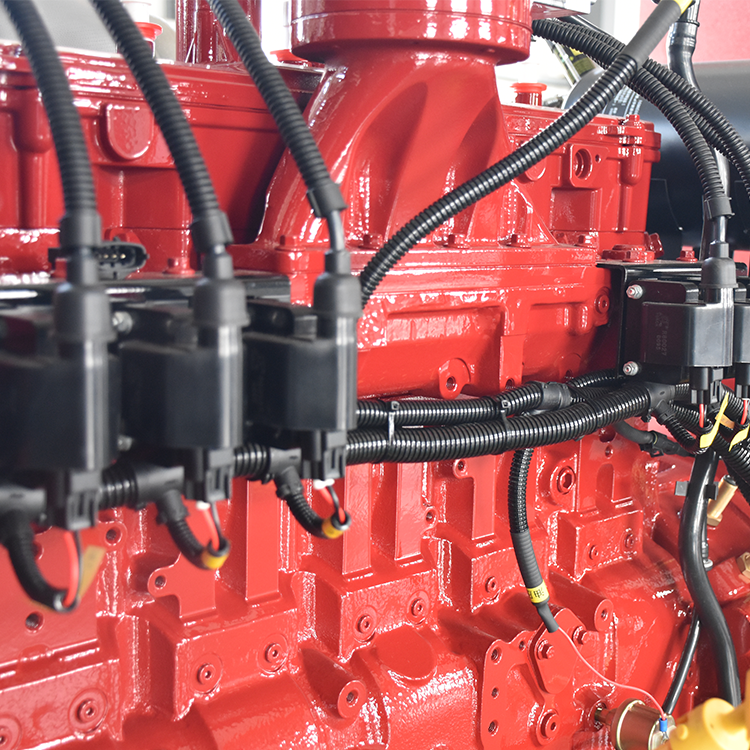
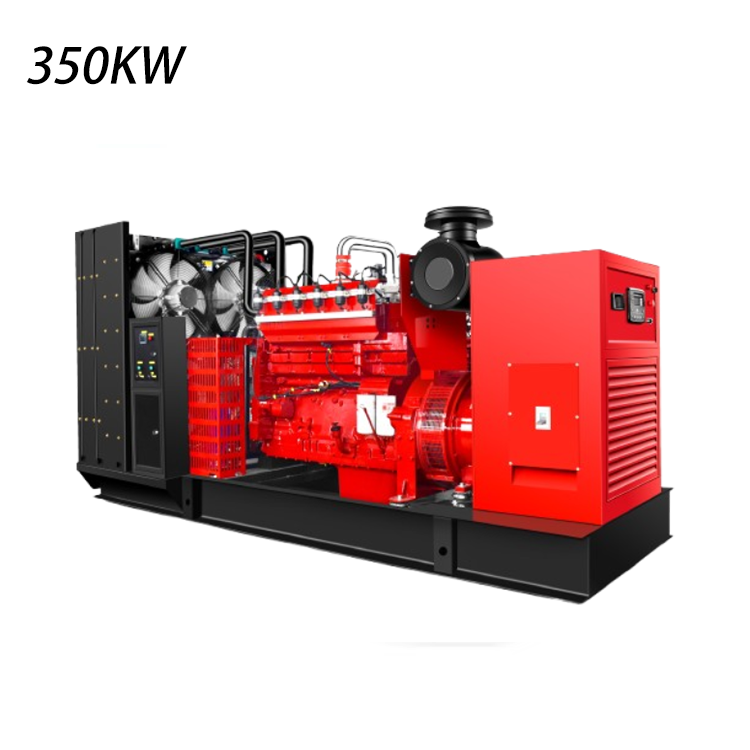
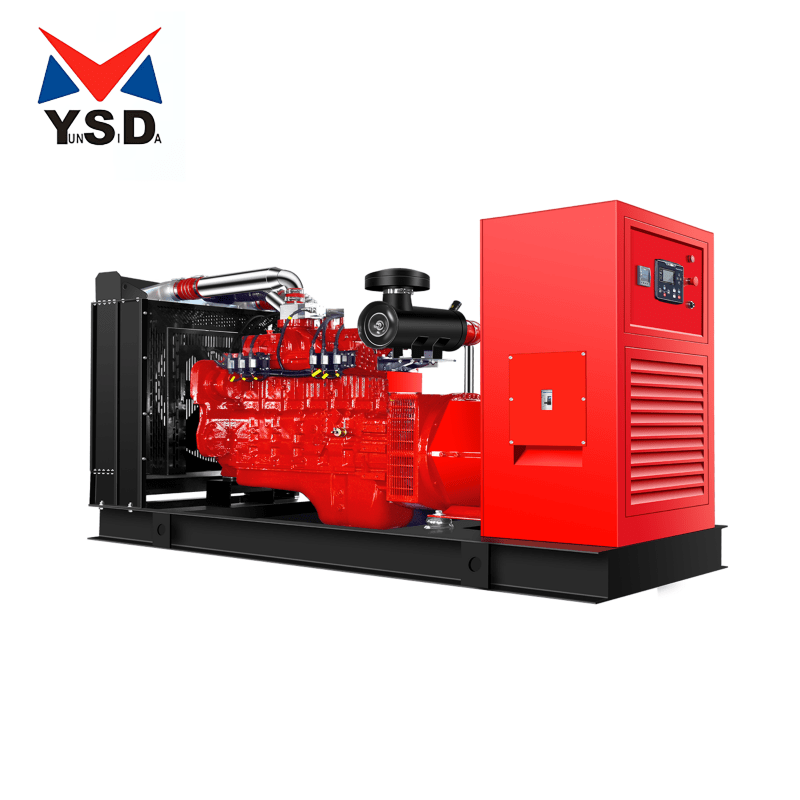
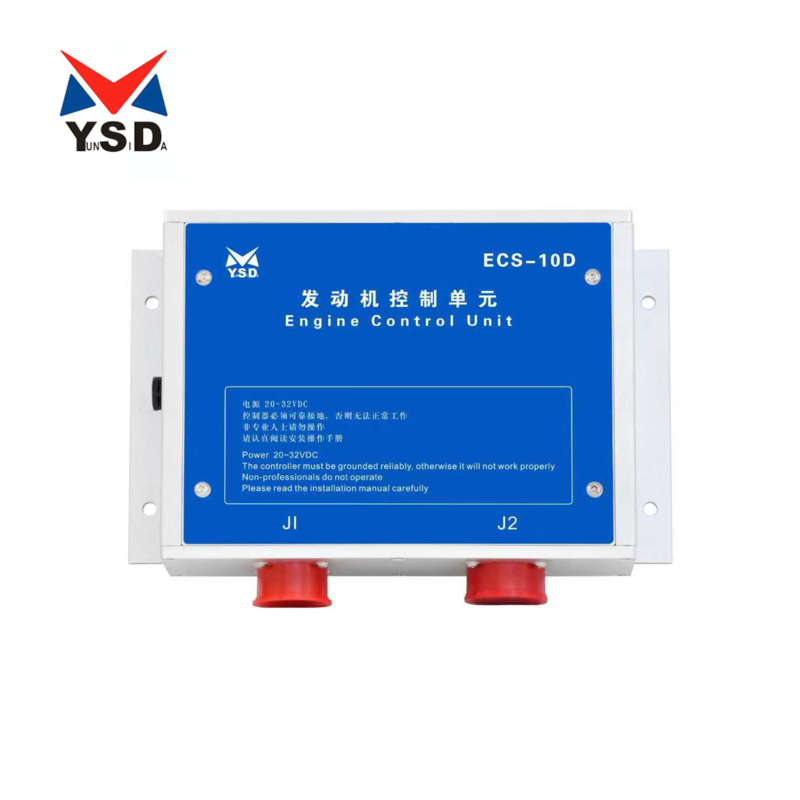
A natural gas cogeneration plant represents a highly efficient energy system that simultaneously produces electricity and useful thermal energy from a single fuel source. This innovative facility utilizes natural gas as its primary fuel to drive a gas turbine or engine, which generates electricity through a connected generator. The exhaust heat from this process, instead of being wasted, is captured and utilized for various purposes such as space heating, domestic hot water production, or industrial processes. The plant's sophisticated control systems optimize the balance between electrical and thermal output, ensuring maximum efficiency and resource utilization. Modern cogeneration plants typically achieve overall efficiency ratings of 80% or higher, significantly surpassing the 35-40% efficiency of conventional power plants. These facilities can be scaled to meet various capacity requirements, from small commercial installations to large industrial complexes. The plant incorporates advanced emission control technologies to minimize environmental impact, making it a more sustainable energy solution compared to traditional separate heat and power generation systems. The facility's modular design allows for flexible installation and future expansion capabilities, while its automated monitoring systems ensure reliable operation and quick response to demand changes.

New Products

Natural gas cogeneration plants offer numerous compelling advantages that make them an attractive choice for organizations seeking efficient energy solutions. First and foremost, these plants significantly reduce overall energy costs by producing both electricity and heat from a single fuel source, resulting in operational savings of up to 30% compared to conventional systems. The high efficiency of cogeneration systems translates into lower fuel consumption, which not only reduces operating expenses but also decreases carbon emissions by up to 40%. These plants provide energy independence and reliability, protecting organizations from grid outages and power quality issues. The ability to generate power on-site eliminates transmission losses and reduces dependency on the public power grid. From a maintenance perspective, modern cogeneration plants feature advanced monitoring systems that enable predictive maintenance, minimizing unexpected downtime and extending equipment life. The flexibility of these systems allows for easy integration with existing infrastructure and can be scaled according to growing energy demands. Financial benefits include potential government incentives and tax credits for implementing efficient energy systems. The stable energy costs provided by natural gas cogeneration help organizations better predict and manage their long-term operating expenses. Additionally, these plants can serve as backup power sources during grid failures, ensuring continuous operations for critical facilities. The reduced environmental impact and lower carbon footprint can help organizations meet their sustainability goals and comply with increasingly stringent environmental regulations. The ability to sell excess power back to the grid can create additional revenue streams, further improving the return on investment.

Tips And Tricks

Visit African Customers

16

Sep

Visit African Customers

View More
Visit European Customers

16

Sep

Visit European Customers

View More
Communicate Technology With Russian Clients

26

Sep

Communicate Technology With Russian Clients

View More

Get a Free Quote

Our representative will contact you soon.
Email
Name
Company Name
Message
0/1000

natural gas cogeneration plant

Maximum Energy Efficiency and Cost Savings

Maximum Energy Efficiency and Cost Savings

Natural gas cogeneration plants achieve remarkable efficiency levels by utilizing both electrical and thermal energy from a single fuel source. This combined heat and power system typically reaches efficiency rates of 80-90%, substantially surpassing traditional power generation methods. The high efficiency translates directly into significant cost savings, as less fuel is required to produce the same amount of usable energy. Organizations can expect to reduce their energy costs by 20-30% on average, with some facilities reporting even higher savings. The system's ability to capture and utilize waste heat that would otherwise be lost makes it particularly valuable for facilities with substantial heating requirements, such as hospitals, manufacturing plants, and large commercial buildings. The consistent operation and reliable performance ensure a steady return on investment through reduced utility bills and operational costs.
Environmental Sustainability and Reduced Emissions

Environmental Sustainability and Reduced Emissions

The environmental benefits of natural gas cogeneration plants are substantial and measurable. By utilizing natural gas, which has a lower carbon content compared to other fossil fuels, these systems produce significantly fewer greenhouse gas emissions. The high efficiency of cogeneration means less fuel is burned to produce the same amount of energy, resulting in a 40% reduction in carbon dioxide emissions compared to separate heat and power generation. The advanced emission control systems incorporated into modern cogeneration plants ensure compliance with strict environmental regulations and help organizations meet their sustainability goals. The reduced environmental impact extends beyond carbon emissions to include lower levels of nitrogen oxides and sulfur dioxide, contributing to better air quality and environmental stewardship.
Operational Reliability and Energy Independence

Operational Reliability and Energy Independence

Natural gas cogeneration plants provide unparalleled operational reliability and energy independence. The on-site generation capability ensures a stable and reliable power supply, protecting organizations from grid outages and power quality issues that can disrupt operations. Advanced control systems continuously monitor and optimize plant performance, while predictive maintenance capabilities help prevent unexpected downtime. The ability to operate independently from the grid provides energy security and stability, particularly crucial for facilities that cannot afford power interruptions. The modular design of these systems allows for easy expansion to meet growing energy demands, while the flexibility to switch between grid-connected and island mode operations provides additional operational versatility. The reliable performance and consistent energy output enable better long-term planning and cost management.

Get a Free Quote

Our representative will contact you soon.
Email
Name
Company Name
Message
0/1000
Datong Autosun Power Control Co., Ltd

Copyright © 2025 Datong Atosun Power Control Co., Ltd. All rights reserved.  -  Privacy policy