gas to power plant
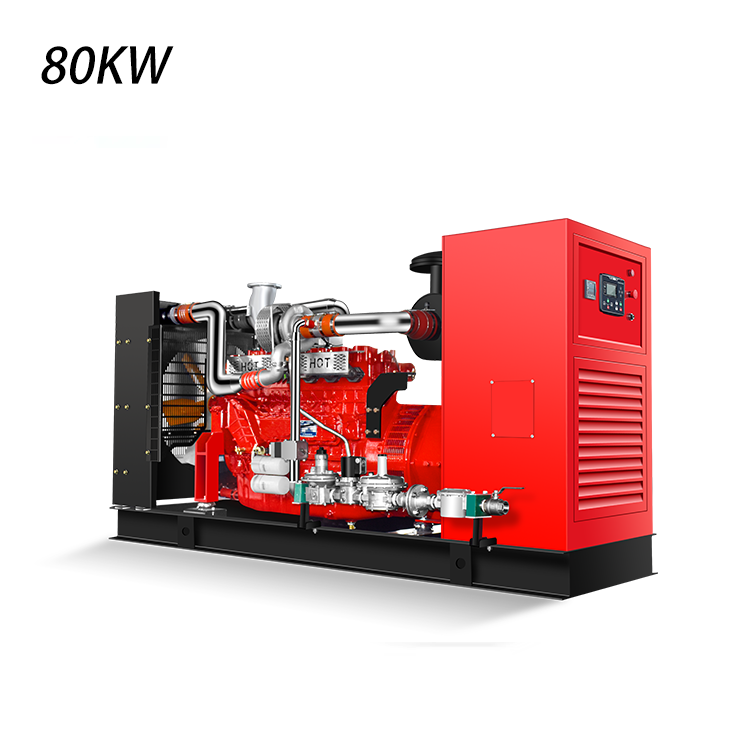
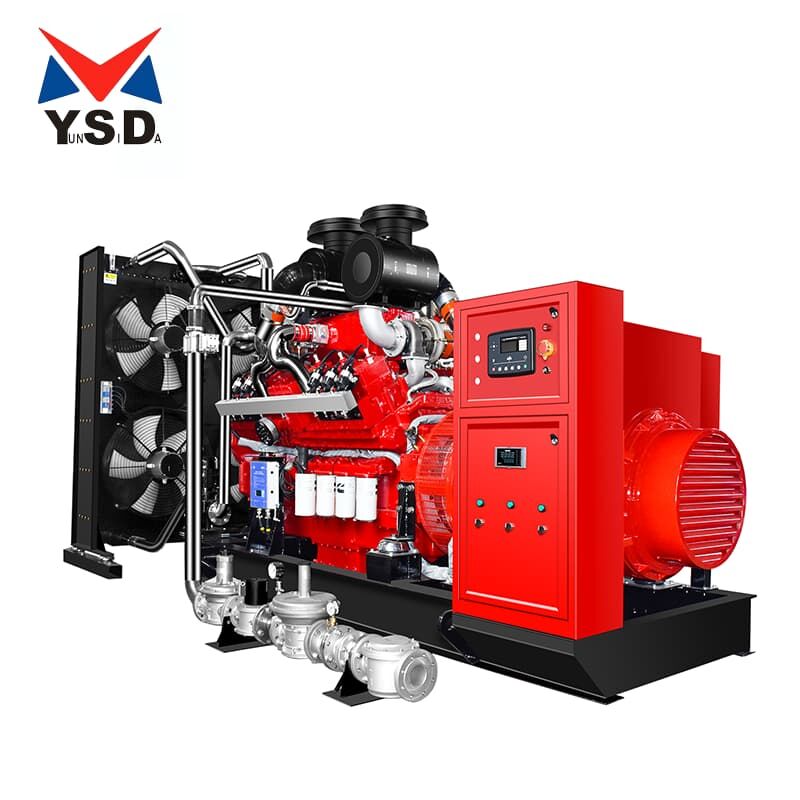
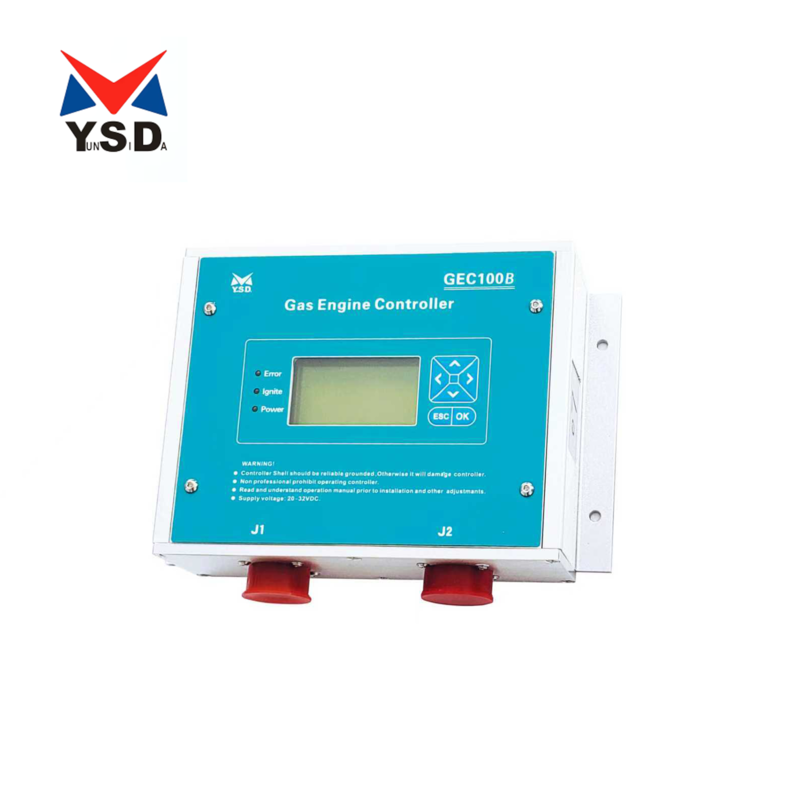
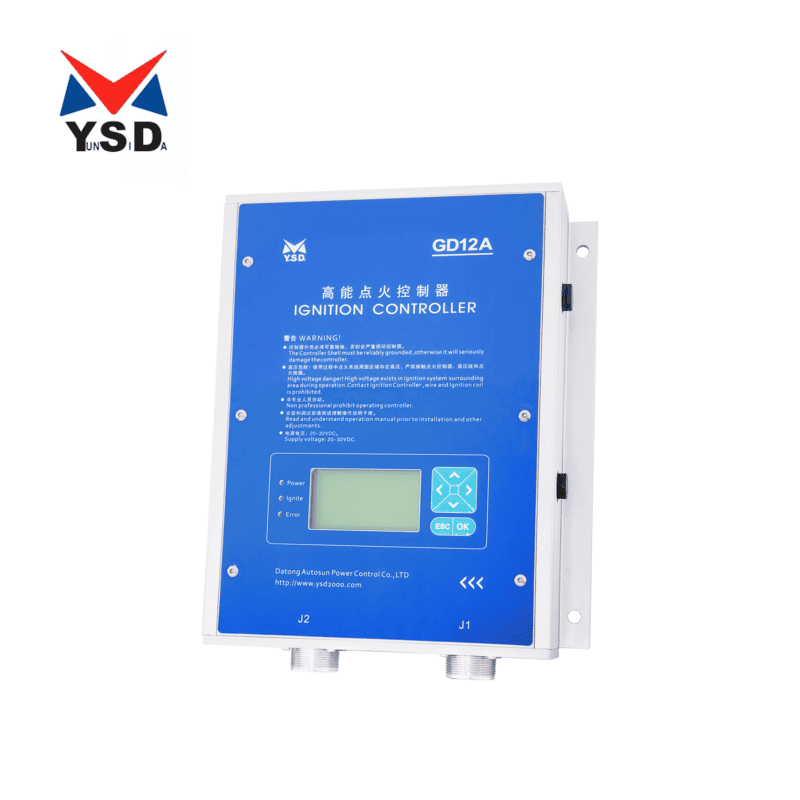
A gas to power plant represents a sophisticated energy generation facility that converts natural gas into electrical power through an efficient and controlled process. These facilities utilize advanced turbine technology to combust natural gas, driving generators that produce electricity for industrial, commercial, and residential use. The plant's core components include gas turbines, heat recovery steam generators, and steam turbines working in combination to maximize energy output. Modern gas to power plants incorporate state-of-the-art digital control systems that monitor and optimize performance in real-time, ensuring optimal efficiency and reliability. These facilities can operate in either simple cycle or combined cycle configurations, with the latter offering enhanced efficiency by utilizing waste heat to generate additional power. The plants feature advanced emission control systems that minimize environmental impact while maintaining high operational standards. They can be scaled to meet various power demands, from small distributed generation units to large-scale utility facilities capable of powering entire cities. These plants also demonstrate remarkable operational flexibility, with the ability to start up quickly and adjust output levels to match fluctuating power demands.