
Sewage treatment plants generate enormous volumes of organic waste every single day, and within that waste lies a largely untapped energy resource: biogas. As operational costs continue to rise and environmental regulations tighten, plant managers and municipal engineers are increasingly asking whether a biogas generator set represents a smart long-term investment. The answer, backed by both engineering logic and financial data, is a clear yes — and understanding why requires a closer look at how sewage plants produce energy, where that energy goes, and what happens when it is captured and converted rather than wasted.
The case for investing in a biogas generator set at a sewage treatment facility is not simply about going green. It is about operational resilience, cost reduction, regulatory compliance, and long-term asset value. Sewage plants that have already made this transition report measurable reductions in grid electricity dependency, lower sludge disposal costs, and improved carbon footprint metrics. This article explores the core reasons why this investment makes strategic sense, what technical and financial factors drive the decision, and how a biogas generator set fits into the broader operational model of a modern wastewater treatment facility.
The Energy Opportunity Hidden in Sewage Sludge
How Anaerobic Digestion Creates a Fuel Source
Sewage sludge, the byproduct of wastewater treatment, undergoes anaerobic digestion in sealed tanks where microorganisms break down organic matter in the absence of oxygen. This biological process naturally produces biogas, a mixture primarily composed of methane and carbon dioxide. The methane content typically ranges between 55% and 70%, making it a viable fuel for power generation when properly conditioned and fed into a biogas generator set.
The volume of biogas produced depends on the organic load of the incoming sewage, the efficiency of the digestion process, and the retention time within the digester. A well-managed municipal sewage plant can generate hundreds to thousands of cubic meters of biogas per day, depending on its capacity. Without a biogas generator set in place, this gas is either flared off — wasting its energy content entirely — or vented, which creates direct methane emissions with significant greenhouse gas implications.
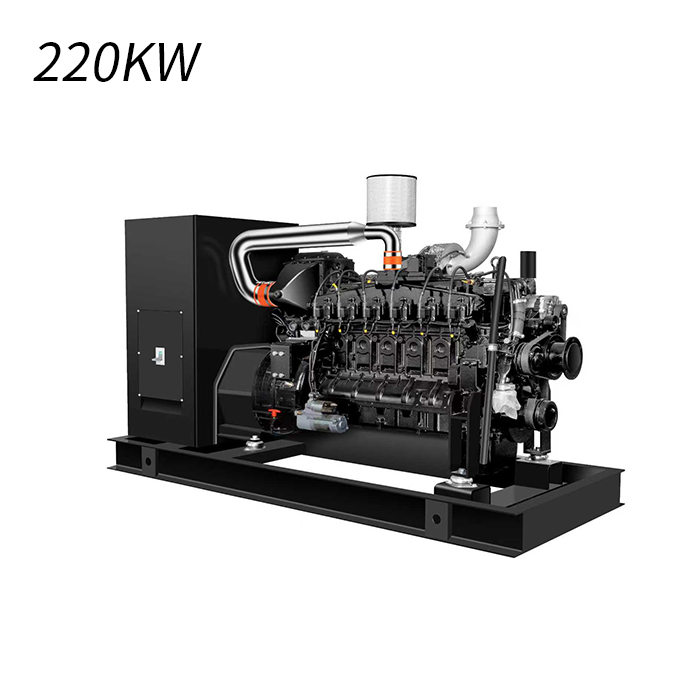
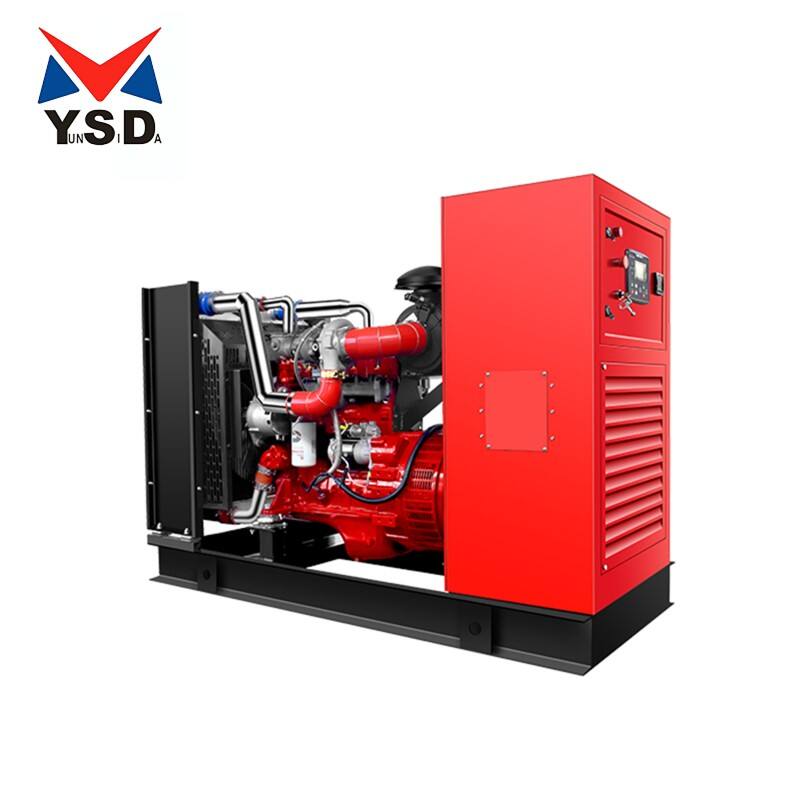
Capturing this gas and converting it into electricity through a biogas generator set transforms what was previously a disposal problem into a productive asset. The generator set uses an internal combustion engine adapted for gaseous fuels, driving an alternator to produce electrical power that can be used directly within the plant or fed back into the local grid under net metering arrangements.
Why Sewage Plants Are Ideal Candidates for Biogas Power
Unlike agricultural biogas projects that depend on seasonal feedstock availability, sewage plants operate continuously and produce a relatively stable flow of organic material year-round. This consistency makes the biogas supply more predictable, which in turn makes the output of a biogas generator set more reliable as a baseload power source rather than an intermittent one.
Sewage plants also already have the infrastructure for sludge handling, digester tanks, and gas piping in many cases, which reduces the incremental cost of adding a biogas generator set compared to a greenfield biogas project. The integration of power generation into an existing facility is therefore more straightforward from an engineering standpoint, and the payback period is often shorter because the fuel cost is effectively zero — the biogas is a byproduct of operations that would occur regardless.
Furthermore, sewage plants are large consumers of electricity. Aeration systems, pumps, blowers, and control systems all draw significant power around the clock. A biogas generator set can offset a substantial portion of this internal demand, directly reducing the electricity bill and improving the plant's overall energy balance.
Financial Reasons That Justify the Investment
Reducing Dependence on Grid Electricity
Electricity is typically one of the largest operating expenses for a sewage treatment plant, often accounting for 25% to 40% of total operational costs. A biogas generator set that runs on internally produced fuel can displace a significant share of that grid consumption. Over a multi-year horizon, the cumulative savings from reduced electricity purchases can be substantial, particularly in regions where industrial electricity tariffs are high or subject to volatile pricing.
The financial model becomes even more attractive when the biogas generator set is sized to match the plant's baseload demand. Rather than exporting power at lower feed-in tariff rates, the plant consumes the generated electricity directly at avoided-cost rates, which are typically higher. This self-consumption model maximizes the financial return on the investment and shortens the payback period considerably.
Plants that have implemented a biogas generator set alongside heat recovery systems — capturing the engine's exhaust and jacket water heat for digester heating — achieve even greater efficiency. This combined heat and power approach, often called CHP, can push overall fuel utilization above 80%, making the biogas generator set one of the most energy-efficient investments available to a sewage plant operator.
Lowering Sludge Management and Disposal Costs
Anaerobic digestion, which is the process that produces the biogas fed into a biogas generator set, also reduces the volume and mass of sludge that must be handled after treatment. Digested sludge is more stable, less odorous, and easier to dewater than raw sludge. This translates directly into lower transportation, disposal, and landfill costs, which are significant line items in many plant budgets.
In some jurisdictions, digested sludge that meets quality standards can be applied to agricultural land as a soil amendment, creating an additional revenue stream or at minimum eliminating disposal fees. The biogas generator set is therefore part of a broader value chain that begins with waste and ends with both electricity and a usable soil product, fundamentally changing the economics of sludge management.
When plant managers evaluate the total cost of ownership of a biogas generator set, they should account not only for the electricity generated but also for these downstream sludge management savings. The combined financial benefit often makes the investment case far stronger than a simple electricity-only calculation would suggest.
Environmental and Regulatory Drivers
Meeting Greenhouse Gas Reduction Targets
Methane is a potent greenhouse gas with a global warming potential roughly 25 to 30 times greater than carbon dioxide over a 100-year period. When sewage plants flare or vent biogas without energy recovery, they contribute directly to greenhouse gas emissions. Installing a biogas generator set converts that methane into carbon dioxide through combustion, which is a significantly less harmful emission profile, while simultaneously generating useful energy.
Regulatory frameworks in many countries are increasingly requiring sewage plants to account for and reduce their greenhouse gas emissions. A biogas generator set provides a documented, measurable mechanism for doing so. The emissions reductions achieved can be reported in sustainability disclosures, used to meet regulatory obligations, or in some markets, converted into carbon credits that carry monetary value.
For publicly operated sewage plants, demonstrating environmental responsibility through investments like a biogas generator set also carries reputational and political value. Municipal governments face growing public scrutiny over their environmental performance, and visible investments in clean energy infrastructure at sewage plants contribute positively to that narrative.
Aligning with Circular Economy and Energy Recovery Policies
Many national and regional governments have adopted circular economy frameworks that explicitly encourage the recovery of energy and materials from waste streams. Sewage plants that invest in a biogas generator set are directly aligned with these policy directions, which often come with financial incentives such as grants, subsidized loans, feed-in tariffs, or tax benefits for renewable energy generation.
In the European Union, for example, the Urban Wastewater Treatment Directive and related energy efficiency directives create both obligations and incentives for sewage plants to pursue energy self-sufficiency. Similar policy environments exist in parts of Asia, North America, and the Middle East, where wastewater infrastructure investment is being linked to broader sustainability goals. A biogas generator set positions a sewage plant to benefit from these policy tailwinds rather than being caught off guard by future regulatory requirements.
Beyond compliance, plants that achieve energy neutrality or near-neutrality through biogas generation become models for the sector, attracting attention from regulators, peer operators, and the public. This leadership position can influence future funding decisions and operational autonomy in ways that are difficult to quantify but genuinely valuable.
Technical Reliability and Operational Fit
How a Biogas Generator Set Integrates with Plant Operations
A biogas generator set designed for sewage plant applications is engineered to handle the specific characteristics of digester gas, including variable methane content, moisture, hydrogen sulfide traces, and other impurities. Proper gas conditioning — including desulfurization, drying, and pressure regulation — is essential upstream of the generator set to protect the engine and ensure stable combustion. Modern biogas generator sets include monitoring and control systems that adjust fuel-air ratios in real time to accommodate fluctuations in gas quality.
Integration with the plant's electrical system requires careful engineering to ensure safe parallel operation with the grid or seamless islanding capability during grid outages. A well-integrated biogas generator set can serve as an emergency backup power source in addition to its primary role as a baseload generator, adding resilience to critical plant operations that must continue regardless of external power availability.
Maintenance requirements for a biogas generator set are predictable and manageable within a standard plant maintenance program. Scheduled oil changes, spark plug replacements, valve adjustments, and periodic overhauls are the primary service activities. Many suppliers offer remote monitoring and service contracts that reduce the burden on in-house maintenance teams and ensure optimal uptime.
Sizing and Scalability Considerations
Selecting the right capacity for a biogas generator set requires a careful assessment of the plant's biogas production rate, its internal electricity demand profile, and any plans for future capacity expansion. Undersizing the generator set leaves energy on the table, while oversizing it results in underutilization and a longer payback period. A detailed energy audit and biogas yield analysis are essential inputs to the sizing decision.
Many sewage plants choose a modular approach, installing one biogas generator set initially and adding capacity as biogas production grows or as confidence in the system builds. This staged investment strategy reduces upfront capital risk while allowing the plant to demonstrate performance and build internal expertise before committing to full-scale deployment.
Scalability also applies to the heat recovery side of the system. As the plant adds digester capacity or increases organic loading, the biogas generator set can be upgraded or supplemented to capture the additional energy. This flexibility makes the biogas generator set a long-term platform rather than a one-time installation, supporting the plant's energy strategy over decades rather than just years.
FAQ
How much electricity can a biogas generator set produce at a typical sewage plant?
The electricity output of a biogas generator set depends on the volume and methane content of the biogas produced, which in turn depends on the plant's size and organic loading. A medium-sized municipal sewage plant processing around 50,000 cubic meters of wastewater per day might generate enough biogas to power a generator set in the range of 200 to 500 kilowatts, potentially covering 50% to 100% of the plant's internal electricity needs. Larger plants can support multiple generator sets with combined outputs in the megawatt range.
What is the typical payback period for a biogas generator set investment at a sewage plant?
Payback periods vary depending on local electricity prices, available incentives, capital costs, and the plant's biogas yield, but many sewage plants report payback periods of 5 to 10 years for a biogas generator set investment. When heat recovery is included and sludge disposal savings are factored in, the effective payback can be shorter. Plants in regions with high electricity tariffs or strong renewable energy incentives often achieve payback in 3 to 6 years.
Does a biogas generator set require significant changes to existing plant infrastructure?
If the sewage plant already has anaerobic digesters in operation, the additional infrastructure required for a biogas generator set is relatively modest. It typically includes a gas conditioning skid, a generator enclosure or building, electrical switchgear for grid connection, and piping connections to the existing gas handling system. Plants without digesters would need to invest in digestion infrastructure first, which is a larger project but one that delivers multiple benefits beyond power generation alone.
Can a biogas generator set operate reliably on variable-quality biogas from sewage digesters?
Yes, modern biogas generator sets are specifically designed to handle the variability typical of sewage digester gas. Engine management systems continuously monitor and adjust combustion parameters to maintain stable operation across a range of methane concentrations. Upstream gas conditioning equipment removes moisture and hydrogen sulfide, which are the primary contaminants that can damage engine components. With proper system design and routine maintenance, a biogas generator set can achieve availability rates above 90% in sewage plant applications.
Table of Contents
- The Energy Opportunity Hidden in Sewage Sludge
- Financial Reasons That Justify the Investment
- Environmental and Regulatory Drivers
- Technical Reliability and Operational Fit
-
FAQ
- How much electricity can a biogas generator set produce at a typical sewage plant?
- What is the typical payback period for a biogas generator set investment at a sewage plant?
- Does a biogas generator set require significant changes to existing plant infrastructure?
- Can a biogas generator set operate reliably on variable-quality biogas from sewage digesters?