
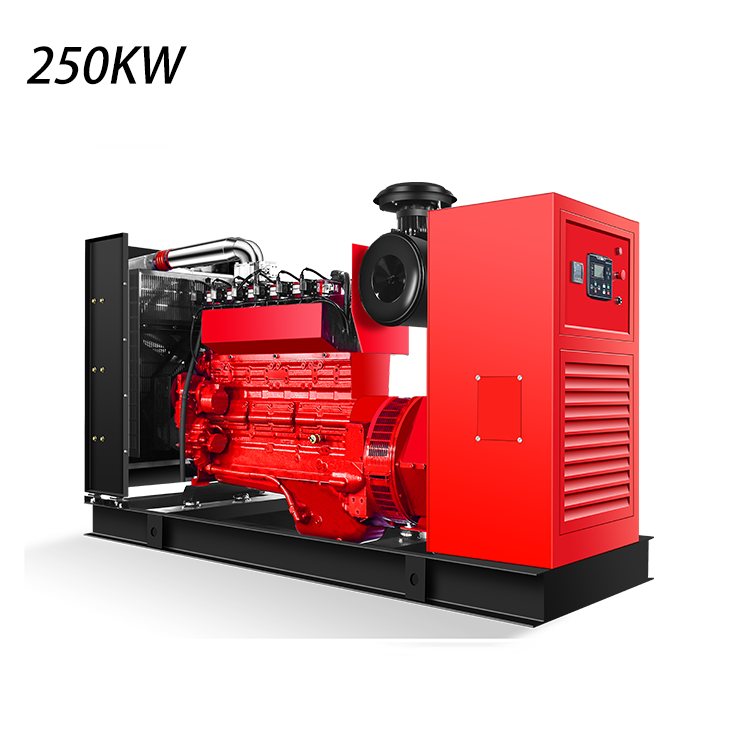
The transformation of organic waste into usable energy represents one of the most promising solutions for sustainable waste management and renewable energy generation. A biogas generator set serves as the critical technology that makes this conversion possible, taking methane-rich biogas produced from organic decomposition and converting it into electricity and heat. Understanding how this process works reveals the sophisticated engineering behind what appears to be a simple waste-to-energy solution.
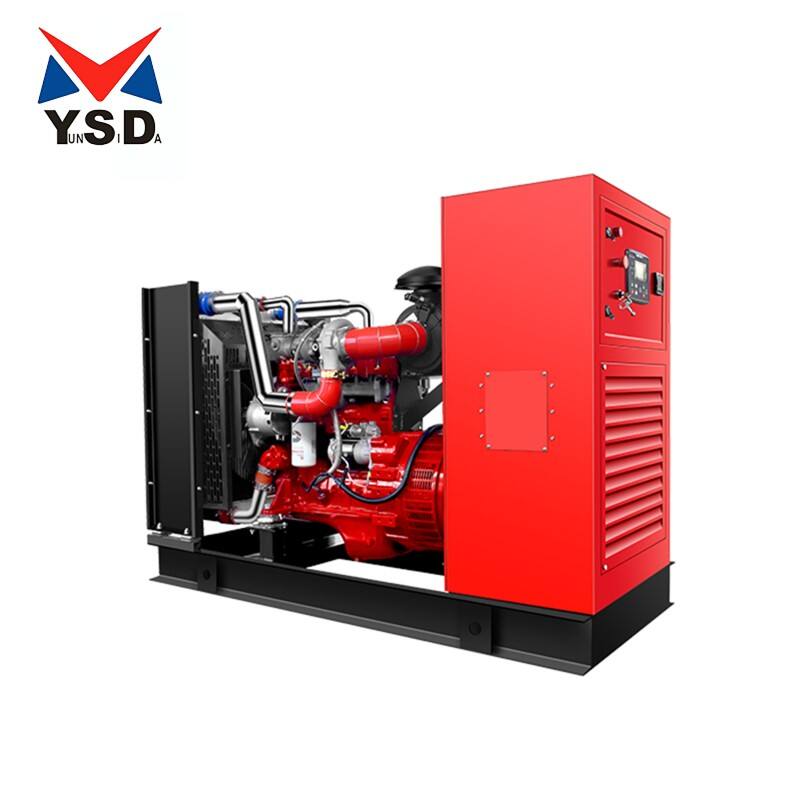
The process begins with anaerobic digestion, where bacteria break down organic materials in oxygen-free environments to produce biogas containing approximately 50-70% methane. This raw biogas must then be processed and fed into a specialized biogas generator set designed to handle the unique characteristics of methane-based fuel. The entire system involves multiple stages of gas conditioning, combustion optimization, and energy conversion that work together to maximize efficiency while minimizing environmental impact.
The Anaerobic Digestion Foundation
Microbial Breakdown Process
Anaerobic digestion forms the biological foundation that enables a biogas generator set to function effectively. This natural process occurs in sealed environments where specific bacteria species break down organic matter without oxygen. The process involves four distinct phases: hydrolysis breaks down complex organic compounds, acidogenesis converts simple molecules into organic acids, acetogenesis produces acetic acid and hydrogen, and finally methanogenesis creates methane and carbon dioxide.
Temperature control plays a crucial role in optimizing biogas production for generator applications. Mesophilic digestion operates between 30-40°C and provides stable biogas output, while thermophilic digestion at 50-60°C produces higher gas volumes but requires more energy input. The biogas generator set must be designed to handle varying gas compositions that result from different digestion temperatures and feedstock materials.
Feedstock Preparation and Loading
Effective organic waste preparation directly impacts the quality and quantity of biogas available for generator operation. Food waste, agricultural residues, animal manure, and sewage sludge each contribute different methane potentials and require specific preparation methods. Proper particle size reduction, moisture content adjustment, and carbon-to-nitrogen ratio optimization ensure consistent biogas production that maintains steady fuel supply for the biogas generator set.
Loading rate management prevents system overload and maintains stable gas production. Organic loading rates typically range from 1-4 kg volatile solids per cubic meter per day, depending on the digester design and waste characteristics. Consistent feeding schedules and proper mixing prevent acid buildup that could inhibit methanogenic bacteria and reduce biogas quality for generator applications.
Biogas Conditioning and Treatment
Gas Purification Systems
Raw biogas requires extensive treatment before entering a biogas generator set to prevent equipment damage and optimize combustion efficiency. Hydrogen sulfide removal represents the most critical purification step, as this corrosive compound can severely damage engine components. Iron oxide scrubbers, activated carbon filters, or biological desulfurization systems reduce hydrogen sulfide levels from potentially dangerous concentrations to acceptable limits below 100 ppm.
Moisture removal prevents condensation issues that could disrupt generator operation and cause corrosion in fuel delivery systems. Refrigeration drying, adsorption systems using silica gel or molecular sieves, and condensation traps maintain gas dryness. Carbon dioxide separation may also be employed to increase methane concentration, improving combustion characteristics and enhancing the overall efficiency of the biogas generator set.
Pressure Regulation and Flow Control
Biogas pressure must be carefully regulated to match the specific requirements of the generator engine. Most biogas generator sets operate with fuel pressures between 20-50 mbar, requiring precise pressure regulation systems that accommodate natural variations in biogas production rates. Pressure vessels and buffer tanks provide gas storage capacity that smooths out production fluctuations and ensures consistent fuel delivery.
Flow measurement and control systems monitor biogas consumption rates and automatically adjust fuel delivery to match generator load demands. Variable speed drives and automated valve systems respond to electrical load changes, maintaining optimal air-fuel ratios for efficient combustion. These control systems are essential for maximizing the energy conversion efficiency of the biogas generator set while preventing engine damage from improper fuel delivery.
Engine Technology and Combustion Systems
Specialized Engine Design
A biogas generator set requires engines specifically designed or modified to handle methane-based fuels with varying compositions. Spark-ignition engines typically provide the most reliable operation with biogas, using specially designed combustion chambers that accommodate methane's slower flame propagation speed compared to conventional fuels. Higher compression ratios optimize thermal efficiency while turbocharging systems compensate for biogas's lower energy density.
Engine modifications include hardened valve seats to resist corrosion from trace sulfur compounds, specialized lubricants that handle biogas combustion byproducts, and enhanced cooling systems to manage the higher operating temperatures often associated with biogas combustion. These modifications ensure reliable long-term operation while maintaining manufacturer warranty coverage and emission compliance.
Fuel Injection and Ignition Systems
Advanced fuel injection systems precisely meter biogas flow to maintain optimal combustion conditions across varying load demands. Electronic fuel injection provides superior control compared to mechanical systems, automatically adjusting for changes in biogas composition and heating value. Lean-burn combustion strategies maximize efficiency while minimizing nitrogen oxide emissions, though they require sophisticated control systems to prevent engine knock.
Ignition timing optimization accounts for methane's combustion characteristics, which differ significantly from conventional fuels. Advanced engine management systems continuously adjust ignition timing based on biogas composition sensors, load conditions, and engine operating parameters. This dynamic optimization ensures maximum power output and efficiency from the biogas generator set while maintaining emissions compliance.
Electrical Generation and Power Conditioning
Synchronous Generator Integration
The electrical generation component of a biogas generator set converts mechanical energy from the engine into usable electrical power through sophisticated synchronous generators. These alternators must be precisely matched to the engine's power characteristics and speed profile to maximize efficiency across the full operating range. Automatic voltage regulators maintain stable electrical output despite variations in biogas quality and engine load fluctuations.
Power factor correction systems optimize electrical efficiency and reduce transmission losses when connecting the biogas generator set to electrical distribution networks. Harmonic filtering prevents electrical interference that could affect sensitive electronic equipment, while synchronization systems enable seamless grid connection for utility-scale installations.
Control and Monitoring Systems
Modern biogas generator sets incorporate comprehensive monitoring systems that track engine performance, electrical output, fuel consumption, and environmental parameters. Real-time data acquisition enables predictive maintenance scheduling, optimizes operating parameters for maximum efficiency, and provides early warning of potential problems that could affect system reliability.
Remote monitoring capabilities allow operators to manage multiple biogas generator sets from centralized control rooms, optimizing performance across entire waste-to-energy facilities. Automated control systems can start and stop generators based on electrical demand, biogas availability, and maintenance schedules, maximizing economic returns while ensuring safe operation.
Heat Recovery and Cogeneration
Waste Heat Utilization
A properly designed biogas generator set captures and utilizes waste heat from engine operation to dramatically improve overall energy efficiency. Engine cooling systems and exhaust heat exchangers recover thermal energy that would otherwise be wasted, converting it into useful heat for space heating, water heating, or process applications. This cogeneration approach can achieve overall energy efficiencies exceeding 80% compared to 35-40% for electricity generation alone.
Heat recovery systems must be carefully sized to match thermal demands with available waste heat production. Thermal storage systems provide flexibility in heat utilization timing, while heat exchangers optimize heat transfer efficiency. The integration of heat recovery significantly improves the economic viability of biogas generator set installations by maximizing energy output from available organic waste feedstock.
Combined Heat and Power Optimization
Combined heat and power configurations optimize the overall energy conversion efficiency of biogas generator sets by simultaneously producing electricity and useful thermal energy. Heat-to-power ratios typically range from 1:1 to 2:1, depending on engine design and operating conditions. This dual energy output maximizes the economic value derived from organic waste while reducing overall facility energy costs.
System integration requires careful balance between electrical and thermal demands to optimize overall efficiency. Thermal load management systems automatically adjust heat recovery based on facility heating demands, while electrical load management optimizes generator operation for maximum economic benefit. Advanced control systems coordinate both electrical and thermal energy production to achieve optimal overall performance from the biogas generator set installation.
FAQ
What types of organic waste can be used to fuel a biogas generator set?
A biogas generator set can utilize virtually any biodegradable organic material, including food processing waste, agricultural residues, animal manure, sewage sludge, yard trimmings, and industrial organic waste. The key requirement is sufficient organic content to support anaerobic digestion and methane production. Different waste types produce varying amounts of biogas, with food waste typically generating 100-200 cubic meters of biogas per ton, while animal manure produces 20-50 cubic meters per ton.
How much electricity can a biogas generator set produce from organic waste?
Electricity production from a biogas generator set depends on the organic waste input quantity and methane content. Typically, one ton of food waste can generate 100-150 kWh of electricity, while one ton of animal manure produces 15-30 kWh. A 100 kW biogas generator set requires approximately 40-50 cubic meters of biogas per hour and can serve 80-100 average homes' electrical needs when operating continuously.
What maintenance requirements are needed for biogas generator sets?
Biogas generator sets require regular maintenance including oil changes every 500-1000 operating hours, spark plug replacement every 1000-2000 hours, and air filter cleaning every 250-500 hours. Gas treatment systems need periodic replacement of filter media and cleaning of scrubber systems. The anaerobic digester requires pH monitoring, temperature control, and periodic cleaning of gas collection systems. Professional maintenance visits should occur every 3-6 months to ensure optimal performance.
How long does it take for organic waste to produce biogas for generator operation?
The anaerobic digestion process typically requires 15-30 days for organic waste to begin producing significant biogas quantities suitable for biogas generator set operation. Initial startup of a new digester system can take 2-3 months to reach full biogas production capacity as microbial populations establish and optimize. Once operational, continuous feeding maintains steady biogas production, with peak gas generation occurring 10-20 days after fresh waste addition.