
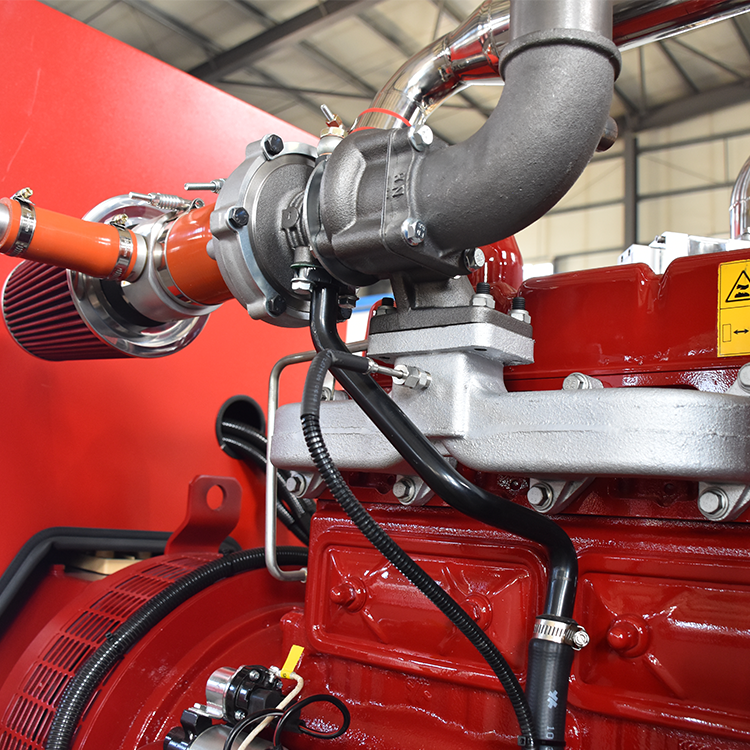
A CNG generator set represents a sophisticated power generation solution that transforms compressed natural gas into electrical energy through advanced combustion technology. This conversion process enables businesses and facilities to access cleaner, more cost-effective power generation while reducing their environmental footprint compared to traditional diesel or gasoline-powered alternatives.
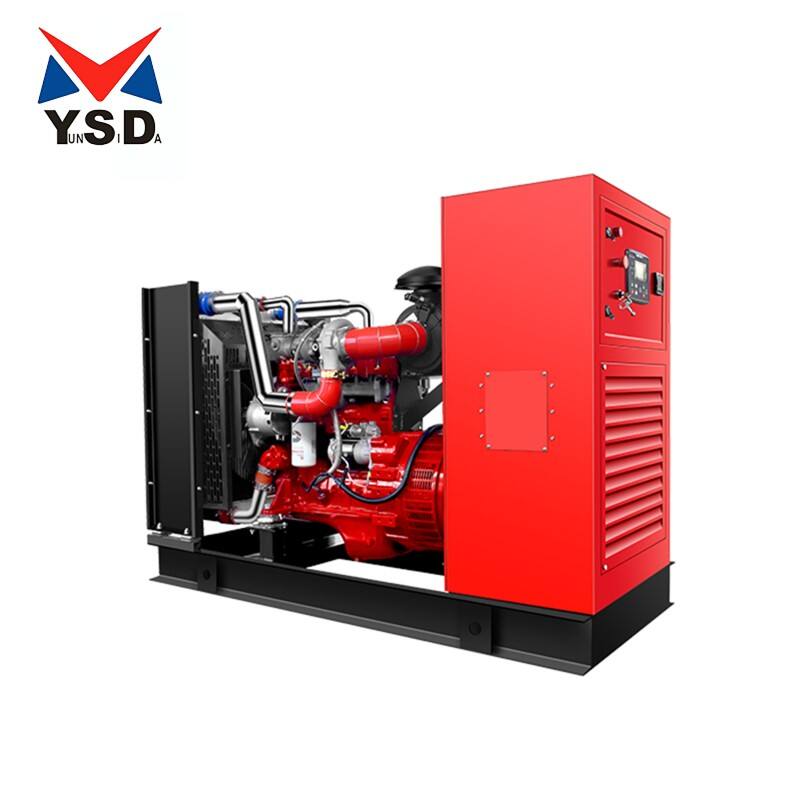
Understanding how a CNG generator set delivers both clean and reliable energy requires examining the intricate engineering principles behind natural gas combustion, emission control systems, and power output consistency. Modern CNG generator sets incorporate advanced technologies that optimize fuel efficiency while maintaining stable electrical output across varying load demands, making them increasingly valuable for industrial, commercial, and emergency power applications.
The Clean Combustion Process of CNG Generator Sets
Natural Gas Combustion Chemistry
The fundamental mechanism behind a CNG generator set's clean energy production lies in the chemical composition of natural gas, which consists primarily of methane. When methane combusts in the presence of oxygen, it produces carbon dioxide and water vapor as primary byproducts, generating significantly fewer harmful emissions compared to liquid fossil fuels.
During the combustion process, the CNG generator set's engine carefully controls the air-fuel mixture to achieve optimal burning efficiency. This precise control minimizes incomplete combustion, which reduces the formation of carbon monoxide, unburned hydrocarbons, and particulate matter that commonly plague diesel generators.
The stoichiometric combustion in a well-maintained cng generator set produces approximately 50% less carbon dioxide per unit of energy compared to coal-fired power generation, contributing to reduced greenhouse gas emissions. This chemical advantage makes natural gas an attractive transition fuel for organizations seeking to lower their carbon footprint while maintaining reliable power generation capabilities.
Advanced Emission Control Systems
Modern CNG generator sets incorporate sophisticated emission control technologies that further enhance their environmental performance. Three-way catalytic converters reduce nitrogen oxide emissions by converting them into harmless nitrogen and water vapor through chemical reduction processes.
Lean-burn combustion technology allows the CNG generator set to operate with excess air, reducing combustion temperatures and minimizing nitrogen oxide formation at the source. This approach eliminates the need for additional aftertreatment systems while maintaining high thermal efficiency and power output stability.
Electronic fuel injection systems in contemporary CNG generator sets provide precise control over fuel delivery timing and quantity, optimizing combustion characteristics for minimal emissions production. These systems continuously monitor engine parameters and adjust fuel injection to maintain clean combustion across varying load conditions and environmental factors.
Reliability Engineering in CNG Generator Sets
Fuel System Reliability
The reliability of a CNG generator set begins with its robust fuel delivery system, designed to handle the unique characteristics of compressed natural gas. High-pressure fuel lines, regulators, and safety valves undergo rigorous testing to ensure consistent fuel flow under varying operational demands.
Redundant safety systems protect the CNG generator set from fuel-related failures through multiple pressure monitoring points, automatic shutoff valves, and leak detection systems. These protective measures prevent fuel supply interruptions while maintaining safe operating conditions throughout the generator's operational cycle.
The compressed nature of natural gas storage provides several reliability advantages over liquid fuels, including reduced contamination risks, elimination of fuel degradation issues, and consistent fuel quality regardless of storage duration. This inherent stability contributes to the long-term reliability performance of the CNG generator set.
Engine Durability and Maintenance Requirements
CNG generator sets benefit from the clean-burning properties of natural gas, which reduces engine wear and extends maintenance intervals compared to diesel generators. The absence of sulfur and heavy hydrocarbons in natural gas prevents the formation of corrosive combustion byproducts that typically accelerate engine component degradation.
Spark-ignited engines in CNG generator sets operate at lower combustion pressures than diesel engines, reducing mechanical stress on critical components such as pistons, connecting rods, and crankshafts. This reduced mechanical loading contributes to extended engine life and improved reliability over the generator's operational lifetime.
Predictive maintenance capabilities in modern CNG generator sets utilize advanced monitoring systems to track engine performance parameters, fuel consumption patterns, and emission levels. These systems provide early warning of potential issues, enabling proactive maintenance scheduling that prevents unexpected failures and ensures continuous power availability.
Power Output Stability and Grid Integration
Load Following Capabilities
The electrical output stability of a CNG generator set depends on sophisticated governor systems that automatically adjust fuel flow in response to changing electrical loads. Digital governors provide precise speed control, maintaining frequency stability within tight tolerances required for sensitive electronic equipment.
Advanced power management systems in CNG generator sets enable smooth load transitions, preventing voltage fluctuations and frequency variations that could damage connected equipment. These systems coordinate fuel delivery, ignition timing, and electrical output to maintain stable power quality across the full load range.
The rapid response characteristics of natural gas combustion allow CNG generator sets to quickly adjust power output in response to sudden load changes. This responsiveness makes them particularly suitable for applications requiring reliable backup power or grid stabilization services.
Grid Synchronization and Power Quality
Modern CNG generator sets incorporate sophisticated synchronization systems that enable seamless integration with electrical grids or parallel operation with other generators. Automatic voltage regulators maintain consistent voltage output while power factor correction systems optimize electrical efficiency.
Harmonic distortion levels in CNG generator sets remain well within acceptable limits due to the smooth combustion characteristics of natural gas and advanced alternator designs. Low harmonic content protects sensitive electronic loads while ensuring compliance with power quality standards.
Digital control systems monitor multiple electrical parameters continuously, providing real-time power quality analysis and automatic correction of minor deviations. This constant monitoring ensures that the CNG generator set maintains reliable power delivery even under challenging operating conditions.
Environmental and Economic Benefits
Emission Reduction Performance
Quantitative emission comparisons demonstrate the environmental advantages of CNG generator sets over conventional diesel generators. Nitrogen oxide emissions typically decrease by 80-90%, while particulate matter emissions are virtually eliminated due to the gaseous nature of the fuel.
The sulfur-free composition of natural gas eliminates sulfur dioxide emissions entirely, preventing acid rain formation and reducing local air quality impacts. This characteristic makes CNG generator sets particularly suitable for urban installations where emission regulations are stringent.
Carbon monoxide emissions from properly tuned CNG generator sets remain significantly lower than diesel alternatives, contributing to improved air quality in the immediate vicinity of the installation. This reduction is particularly important for indoor or semi-enclosed installations where ventilation may be limited.
Operational Cost Advantages
The fuel cost advantages of CNG generator sets vary by regional natural gas pricing but typically provide 20-40% lower operating costs compared to diesel generators. Natural gas price stability over long-term contracts offers predictable operating expenses for budget planning purposes.
Reduced maintenance requirements for CNG generator sets translate to lower lifecycle costs through extended oil change intervals, reduced component replacement frequency, and minimal fuel system maintenance. These factors combine to improve the total cost of ownership significantly.
The clean combustion characteristics of natural gas reduce the frequency of exhaust system cleaning and catalyst replacement, further contributing to operational cost savings. These maintenance reductions become particularly significant for generators operating under high duty cycles or continuous operation scenarios.
Applications and Industry Implementation
Industrial and Commercial Applications
Manufacturing facilities utilize CNG generator sets for both backup power and combined heat and power applications, taking advantage of waste heat recovery opportunities that improve overall system efficiency. The clean combustion characteristics make them suitable for facilities with strict environmental compliance requirements.
Data centers and telecommunications facilities benefit from the reliable power output and low emission characteristics of CNG generator sets, particularly in urban locations where diesel generator operation may face regulatory restrictions. The quiet operation and reduced vibration levels of natural gas engines provide additional advantages for noise-sensitive installations.
Healthcare facilities increasingly adopt CNG generator sets for emergency power due to their ability to provide clean, reliable backup power without the indoor air quality concerns associated with diesel generators. The reduced maintenance requirements also minimize service disruptions in critical care environments.
Grid Support and Utility Integration
Utility companies deploy CNG generator sets for peaking power applications, taking advantage of their quick start capabilities and low emission profile for grid stabilization services. The ability to provide both real and reactive power support makes them valuable assets for maintaining grid stability.
Distributed generation applications benefit from the scalability of CNG generator sets, allowing utilities to place clean generation resources close to load centers while reducing transmission losses. This approach improves overall system efficiency while providing local power quality benefits.
Microgrid installations increasingly incorporate CNG generator sets as anchor generation sources due to their reliability, controllability, and environmental performance. The ability to operate independently or in grid-connected mode provides flexibility for various operational scenarios.
FAQ
What makes CNG generator sets cleaner than diesel generators?
CNG generator sets produce significantly lower emissions because natural gas burns more completely than diesel fuel, creating fewer harmful byproducts. The combustion process generates 80-90% fewer nitrogen oxides, virtually no particulate matter, and approximately 25% less carbon dioxide per unit of energy produced. The sulfur-free nature of natural gas also eliminates sulfur dioxide emissions entirely.
How reliable are CNG generator sets compared to traditional generators?
CNG generator sets offer superior reliability due to the clean-burning properties of natural gas, which reduces engine wear and extends maintenance intervals. The fuel delivery system is less prone to contamination issues, and natural gas doesn't degrade over time like liquid fuels. Modern CNG generator sets typically achieve 95-98% availability rates with proper maintenance.
Can CNG generator sets provide consistent power output for critical applications?
Yes, CNG generator sets provide highly consistent power output through advanced digital governors and automatic voltage regulators that maintain tight frequency and voltage tolerances. The rapid response characteristics of natural gas combustion enable quick load following, making them suitable for sensitive electronic equipment and critical infrastructure applications.
What are the main operational advantages of using CNG generator sets?
CNG generator sets offer lower fuel costs, reduced maintenance requirements, quieter operation, and extended engine life compared to diesel generators. They also provide better environmental compliance, particularly in urban areas with strict emission regulations, and can often qualify for environmental incentives or reduced permitting requirements due to their clean operation.