
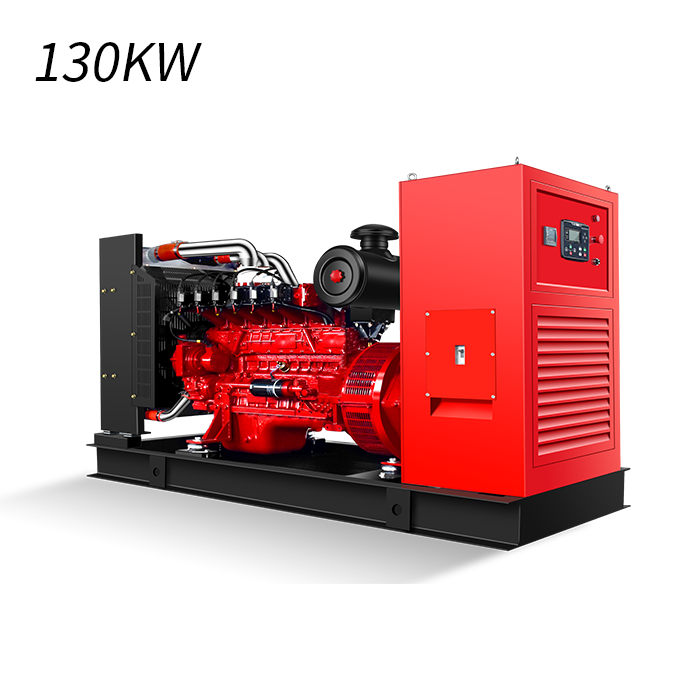
The efficiency gap between compressed natural gas (CNG) generators and traditional diesel or gasoline units has become a critical consideration for industrial facilities seeking optimal power generation solutions. A CNG generator operates through a fundamentally different combustion process that delivers superior thermal efficiency, reduced maintenance requirements, and more consistent performance under varying load conditions. Understanding these efficiency advantages reveals why industries are increasingly transitioning from conventional power generation systems to natural gas-based alternatives.
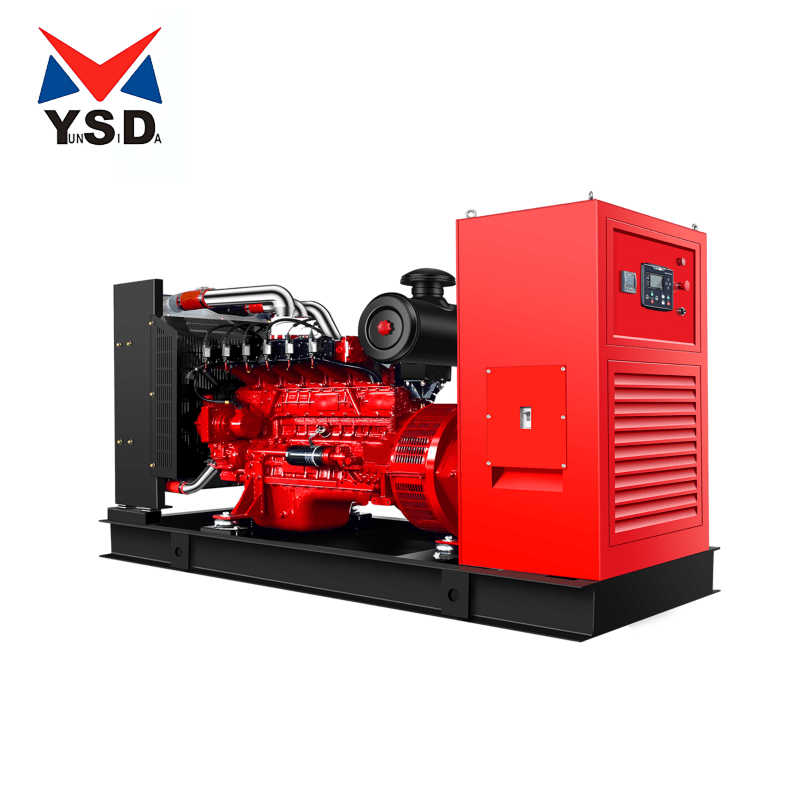
The efficiency superiority of natural gas generators stems from multiple engineering and operational factors that create measurable performance improvements across various metrics. While traditional liquid fuel generators face inherent limitations in combustion chemistry, fuel delivery systems, and maintenance cycles, a modern CNG generator leverages the clean-burning properties of natural gas to achieve higher energy conversion rates and extended operational lifespans. These efficiency gains translate into tangible cost savings, environmental benefits, and operational reliability that justify the investment in CNG technology for both continuous and standby power applications.
Combustion Efficiency Advantages
Superior Air-Fuel Mixing
The gaseous state of compressed natural gas enables more complete and uniform mixing with intake air compared to liquid fuels used in traditional generators. This homogeneous mixture creation allows a CNG generator to achieve more efficient combustion cycles with reduced fuel waste and improved energy conversion. The molecular structure of natural gas facilitates rapid diffusion throughout the combustion chamber, eliminating the fuel distribution inconsistencies that plague diesel and gasoline engines during both startup and steady-state operation.
Traditional generators must atomize liquid fuel through injection systems, creating droplets of varying sizes that burn at different rates and temperatures. This incomplete combustion process results in unburned hydrocarbons, carbon deposits, and energy losses that reduce overall efficiency. A well-designed CNG generator eliminates these atomization challenges by delivering fuel in its optimal gaseous form, enabling more precise air-fuel ratio control and consistent combustion temperatures across all operating conditions.
Cleaner Combustion Process
The chemical composition of natural gas produces significantly fewer combustion byproducts compared to diesel or gasoline, reducing internal engine contamination and maintaining peak performance longer. A CNG generator experiences minimal carbon buildup on valves, pistons, and combustion chambers, preserving compression ratios and thermal efficiency throughout extended operating periods. This cleaner burning characteristic extends maintenance intervals and sustains optimal power output without the gradual efficiency degradation common in traditional fuel systems.
Carbon deposits from liquid fuel combustion create hotspots, irregular combustion patterns, and reduced heat transfer efficiency in traditional generators. These accumulated contaminants force engines to work harder to maintain rated output, increasing fuel consumption and reducing overall system efficiency. Natural gas combustion virtually eliminates these deposit-related efficiency losses, allowing engines to maintain their designed performance specifications for thousands of additional operating hours compared to conventional alternatives.
Fuel System Efficiency
Reduced Parasitic Losses
Traditional generator fuel systems require multiple pumps, filters, and injection components that consume engine power to operate, creating parasitic losses that reduce net electrical output. A CNG generator utilizes simpler fuel delivery systems with fewer moving parts and reduced power requirements for fuel preparation and delivery. The pressure regulation and flow control systems for compressed natural gas operate with minimal energy consumption, preserving more engine output for electrical generation rather than fuel system operation.
Diesel fuel injection systems demand high-pressure pumps operating at thousands of PSI, consuming considerable engine power to maintain proper fuel delivery pressure and timing. These injection pumps, along with transfer pumps and filtration systems, represent significant parasitic loads that directly reduce generator efficiency. Natural gas fuel systems eliminate these high-energy requirements through passive pressure regulation and simple valve-controlled delivery, redirecting previously wasted power toward useful electrical output.
Consistent Fuel Quality
Pipeline-quality natural gas maintains consistent composition and energy content, enabling precise engine tuning and optimal performance calibration that remains stable over time. Traditional liquid fuels experience quality variations due to seasonal blending, additive packages, and storage degradation that force engines to operate with suboptimal calibrations. A properly configured cng generator can maintain peak efficiency settings because the fuel characteristics remain constant, eliminating the performance fluctuations associated with variable fuel quality in traditional systems.
Fuel degradation in storage tanks affects traditional generators through formation of gums, varnishes, and sediments that clog fuel systems and alter combustion characteristics. These storage-related fuel quality issues force conservative engine calibrations that sacrifice efficiency to ensure reliable operation with degraded fuel. Natural gas delivered through distribution systems maintains consistent quality without storage-related degradation, enabling aggressive efficiency optimization without reliability concerns.
Thermal Management Efficiency
Improved Heat Transfer
The combustion characteristics of natural gas produce more uniform heat distribution within engine cylinders, improving heat transfer efficiency to cooling systems and reducing thermal stress on engine components. A CNG generator operates with more predictable thermal loads that enable optimized cooling system design and improved waste heat recovery potential. The absence of carbon deposits on heat transfer surfaces maintains thermal conductivity and prevents the insulating effects that reduce cooling efficiency in traditional generators operating on liquid fuels.
Hot spots created by irregular combustion patterns in traditional generators cause localized overheating, forcing cooling systems to work harder and reducing overall thermal efficiency. These thermal irregularities also create mechanical stress that accelerates wear and reduces component longevity. Natural gas combustion produces more uniform temperature distribution, reducing peak thermal loads and enabling more efficient cooling system operation with lower parasitic power consumption for cooling fans and pumps.
Lower Operating Temperatures
The clean combustion process of a CNG generator typically results in lower overall operating temperatures compared to traditional units, reducing thermal losses through radiation and convection. Lower operating temperatures also improve the efficiency of turbocharging systems when present, as cooler air charges provide better volumetric efficiency and reduced knock sensitivity. This temperature advantage enables more aggressive timing and compression ratio optimization without reliability concerns, further enhancing overall system efficiency.
Traditional generators often operate at higher temperatures due to combustion irregularities and deposit-related hot spots, forcing conservative tuning to prevent damage. These elevated temperatures increase thermal losses and reduce air density, limiting power output and efficiency potential. The cooler, more controlled combustion environment of natural gas engines enables optimization strategies that would risk engine damage in traditional liquid-fueled units.
Maintenance-Related Efficiency Factors
Extended Service Intervals
The clean-burning nature of natural gas significantly extends oil change intervals and reduces filter replacement frequency compared to traditional generators, minimizing downtime and maintenance-related efficiency losses. A CNG generator maintains cleaner lubricating oil for extended periods, preserving optimal viscosity and lubrication properties that sustain peak mechanical efficiency. Reduced maintenance requirements also eliminate the efficiency penalties associated with frequent service interruptions and extended warmup periods after maintenance events.
Traditional generators require frequent oil changes due to fuel dilution and contamination from combustion byproducts, creating regular interruptions to efficient operation. These maintenance cycles often involve extended shutdown periods followed by gradual warmup phases where efficiency remains below optimal levels. Natural gas combustion virtually eliminates fuel dilution and reduces oil contamination, enabling extended service intervals that maximize productive operating time at peak efficiency.
Reduced Component Wear
The absence of corrosive combustion byproducts in natural gas engines reduces wear on critical components like rings, valves, and injectors, maintaining original efficiency specifications longer than traditional generators. A CNG generator experiences less cylinder bore polishing, ring wear, and valve seat recession, preserving compression ratios and sealing efficiency that directly impact power output and fuel economy. This reduced wear rate maintains factory performance levels throughout extended service lives without gradual efficiency degradation.
Acidic combustion products from liquid fuels accelerate wear in traditional generators through corrosive attack on metal surfaces and degradation of protective coatings. This chemical wear combines with mechanical wear to gradually reduce engine efficiency through increased clearances, reduced compression, and impaired sealing. Natural gas combustion produces minimal acidic byproducts, dramatically reducing corrosive wear and extending the period during which engines maintain original efficiency specifications.
FAQ
How much more efficient is a CNG generator compared to diesel generators?
CNG generators typically achieve 3-8% higher fuel-to-electricity conversion efficiency compared to diesel units, with additional efficiency gains from reduced maintenance requirements and extended service intervals. The exact efficiency improvement depends on engine design, load factors, and operating conditions, but most industrial applications see measurable fuel cost reductions when switching from diesel to natural gas generation.
Do CNG generators maintain their efficiency advantage at partial loads?
Yes, CNG generators often show even greater efficiency advantages at partial loads due to better throttle response and more complete combustion at reduced power outputs. Natural gas engines maintain optimal air-fuel ratios across wider load ranges compared to diesel engines, which can struggle with incomplete combustion and higher emissions at light loads.
What factors can reduce the efficiency of a CNG generator over time?
While CNG generators maintain efficiency longer than traditional units, factors like improper maintenance of ignition systems, fuel pressure regulation problems, and air filter contamination can gradually reduce performance. Regular calibration of fuel-air mixtures and ignition timing optimization help maintain peak efficiency throughout the generator's service life.
Are there specific operating conditions where traditional generators might be more efficient than CNG units?
In extremely cold climates where natural gas pressure regulation becomes challenging, or in applications requiring very high power density where diesel's higher energy content per unit volume provides advantages, traditional generators might show temporary efficiency benefits. However, modern CNG generator designs with proper cold weather packages typically overcome these limitations while maintaining overall efficiency advantages.
Table of Contents
- Combustion Efficiency Advantages
- Fuel System Efficiency
- Thermal Management Efficiency
- Maintenance-Related Efficiency Factors
-
FAQ
- How much more efficient is a CNG generator compared to diesel generators?
- Do CNG generators maintain their efficiency advantage at partial loads?
- What factors can reduce the efficiency of a CNG generator over time?
- Are there specific operating conditions where traditional generators might be more efficient than CNG units?