
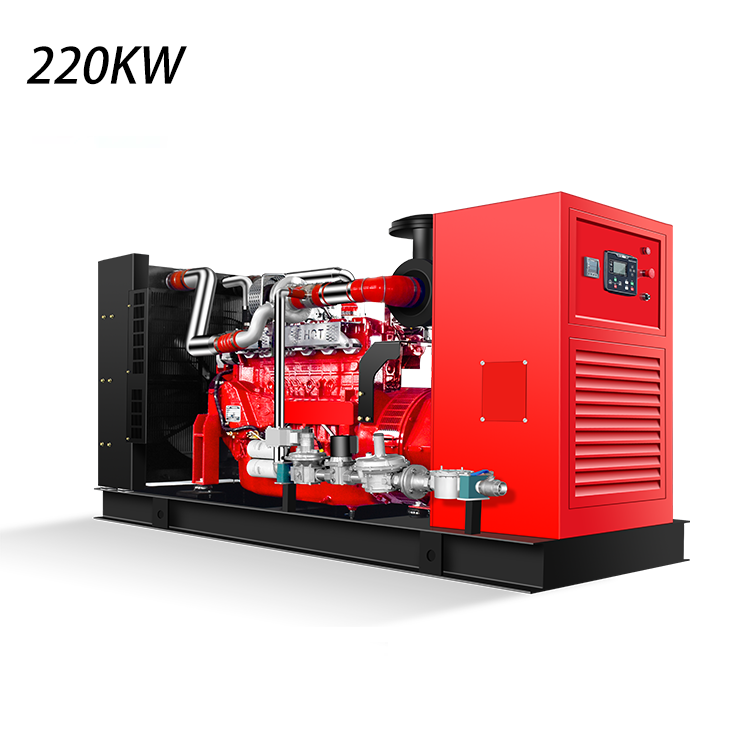
A biomass power generator transforms organic waste materials into dependable electricity through a carefully engineered conversion process that combines combustion, gasification, and electrical generation technologies. This sustainable energy solution addresses the dual challenge of waste management and power generation by converting agricultural residues, wood chips, municipal solid waste, and other biomass materials into clean electricity. The technology has gained significant momentum in industrial and commercial applications where reliable power generation must align with environmental responsibility and waste reduction goals.
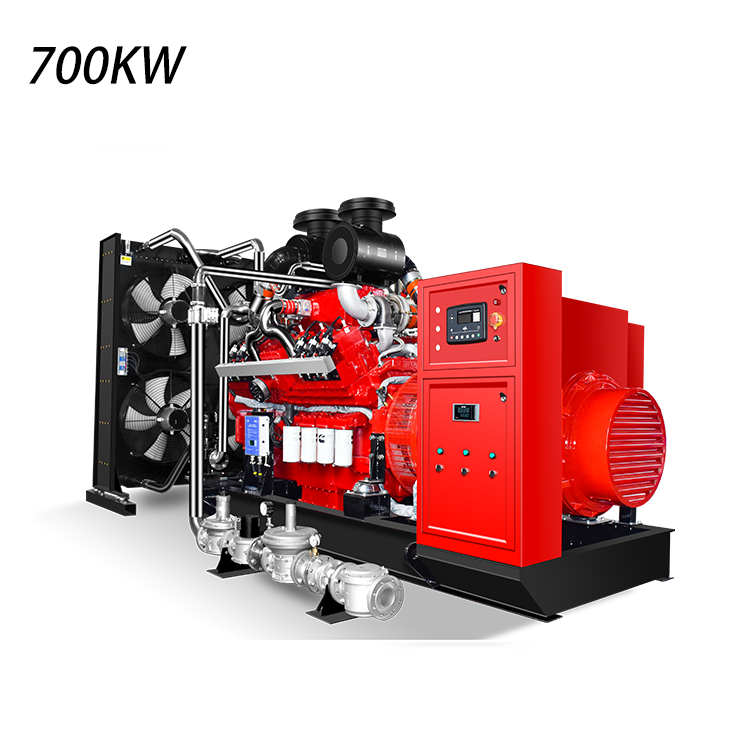
The transformation process involves multiple stages that convert solid biomass into combustible gases, which then drive electrical generators to produce consistent power output. Modern biomass power generator systems incorporate sophisticated control mechanisms, emission management technologies, and automated fuel feeding systems to ensure optimal performance while meeting environmental standards. Understanding how these systems work reveals why biomass power generation has become a viable alternative for organizations seeking energy independence while managing organic waste streams effectively.
The Biomass Conversion Process Fundamentals
Primary Biomass Feedstock Preparation
The biomass power generator begins its waste-to-energy conversion with proper feedstock preparation, which determines the efficiency and reliability of the entire power generation process. Organic waste materials undergo size reduction, moisture control, and quality assessment to ensure optimal combustion characteristics. Agricultural residues like rice husks, corn stalks, and wheat straw require different preparation methods compared to wood chips, sawdust, or municipal organic waste materials.
Moisture content management plays a critical role in biomass preparation, as excessive moisture reduces combustion efficiency while insufficient moisture can create dust and handling problems. The ideal moisture content typically ranges between 10-15% for most biomass materials, requiring controlled drying processes when necessary. Proper sizing ensures uniform feeding rates and consistent combustion patterns within the biomass power generator chamber.
Quality control measures during feedstock preparation involve removing contaminants, sorting materials by energy content, and maintaining consistent particle sizes for optimal combustion. These preparation steps directly impact the generator's power output consistency, emission levels, and overall operational reliability throughout extended operating periods.
Thermochemical Conversion Mechanisms
The thermochemical conversion process transforms prepared biomass into combustible gases through controlled pyrolysis and gasification reactions within the biomass power generator system. During pyrolysis, biomass materials decompose under high temperatures in oxygen-limited environments, producing volatile organic compounds, char, and combustible gases including carbon monoxide, hydrogen, and methane.
Gasification extends the conversion process by introducing controlled amounts of air or steam to promote additional chemical reactions that increase the heating value of produced gases. This process occurs at temperatures ranging from 700°C to 1000°C, creating synthetic gas mixtures with consistent energy content suitable for reliable power generation applications.
The resulting producer gas contains sufficient energy density to fuel internal combustion engines or gas turbines connected to electrical generators. Advanced biomass power generator systems incorporate gas cleaning technologies to remove tar, particulates, and corrosive compounds before combustion, ensuring engine protection and optimal power output characteristics.
Power Generation Technology Integration
Engine-Generator Configuration Systems
Modern biomass power generator systems typically utilize specially adapted internal combustion engines designed to operate efficiently on producer gas from biomass gasification processes. These engines feature modifications including hardened valve seats, upgraded fuel injection systems, and enhanced cooling mechanisms to handle the unique characteristics of biomass-derived fuels while maintaining reliable power output.
The engine-generator coupling involves synchronous generators that convert mechanical energy into electrical power with consistent frequency and voltage characteristics. Power conditioning equipment ensures grid-quality electricity output suitable for direct use or utility grid connection, incorporating voltage regulators, frequency controllers, and protective systems for safe operation.
Cooling systems for biomass power generator installations require special consideration due to the higher operating temperatures and potential fouling from biomass combustion byproducts. Water cooling systems with heat recovery capabilities can capture waste heat for additional applications, improving overall system efficiency while maintaining optimal operating temperatures.
Control and Monitoring Technologies
Automated control systems monitor and regulate the biomass power generator operation to maintain consistent power output while optimizing fuel consumption and emission control. These systems track parameters including fuel feed rates, air-to-fuel ratios, combustion temperatures, gas quality, and electrical output characteristics to ensure reliable operation.
Advanced monitoring technologies provide real-time data on system performance, enabling predictive maintenance scheduling and operational optimization. Remote monitoring capabilities allow operators to track multiple biomass power generator installations from centralized control centers, reducing operational costs while improving reliability.
Safety systems integrated into modern biomass power generator installations include gas leak detection, emergency shutdown procedures, fire suppression systems, and emission monitoring equipment to ensure safe operation while meeting regulatory requirements for power generation facilities.
Operational Reliability and Performance Optimization
Fuel Supply Chain Management
Reliable power generation from a biomass power generator depends heavily on consistent fuel supply chains that deliver appropriate quantities and qualities of biomass materials throughout the year. Seasonal variations in agricultural residue availability require strategic planning and storage systems to maintain uninterrupted fuel supplies during periods of limited biomass production.
Storage infrastructure for biomass materials must protect against moisture absorption, pest infestation, and material degradation that could compromise fuel quality and generator performance. Covered storage facilities with proper ventilation systems maintain biomass quality while providing sufficient inventory to support continuous power generation operations.
Fuel quality testing protocols ensure incoming biomass materials meet specified energy content, moisture levels, and contamination standards required for optimal biomass power generator performance. Regular testing prevents operational problems while maintaining consistent power output characteristics throughout extended operating periods.
Maintenance and Performance Optimization
Preventive maintenance programs for biomass power generator systems focus on components subject to wear from biomass combustion products, including gasification chambers, gas cleaning equipment, engine components, and electrical systems. Regular inspection schedules identify potential problems before they impact power generation reliability.
Performance optimization involves adjusting operating parameters including air-to-fuel ratios, combustion temperatures, and gas cleaning effectiveness to maximize electrical output while minimizing emissions and fuel consumption. Data analysis from monitoring systems guides optimization efforts and identifies opportunities for efficiency improvements.
Component replacement schedules account for the unique wear patterns associated with biomass power generator operation, including more frequent replacement of engine components exposed to biomass combustion products. Proper maintenance scheduling minimizes unexpected downtime while maximizing system availability for reliable power generation.
Environmental Benefits and Waste Management Integration
Carbon Neutrality and Emission Characteristics
The biomass power generator provides carbon-neutral electricity generation by utilizing organic materials that absorbed carbon dioxide during their growth phase, creating a closed carbon cycle that significantly reduces net greenhouse gas emissions compared to fossil fuel power generation. This characteristic makes biomass power generation an attractive option for organizations seeking to reduce their carbon footprint while maintaining reliable electricity supply.
Emission control technologies integrated into modern biomass power generator systems ensure compliance with environmental regulations while minimizing air quality impacts. Advanced combustion control, selective catalytic reduction, and particulate control systems reduce nitrogen oxides, sulfur compounds, and particulate emissions to acceptable levels.
Life cycle assessments of biomass power generator installations demonstrate significant environmental advantages over conventional power generation, particularly when utilizing waste materials that would otherwise decompose and release methane or require energy-intensive disposal methods.
Waste Stream Valorization
Biomass power generator technology transforms problematic waste streams into valuable energy resources, addressing waste management challenges while producing useful electricity. Agricultural operations can convert crop residues, animal waste, and processing byproducts into power for farm operations or sale to utility grids.
Municipal solid waste processing facilities integrate biomass power generator systems to handle organic waste fractions while generating electricity for facility operations or grid supply. This integration reduces landfill requirements while recovering energy from materials that would otherwise consume disposal resources.
Industrial biomass power generator applications convert manufacturing waste streams including wood processing residues, food processing waste, and paper mill sludge into electrical power for facility operations. This approach reduces waste disposal costs while providing sustainable energy for industrial processes.
Economic Viability and Implementation Considerations
Capital Investment and Operating Economics
The economic viability of biomass power generator installations depends on factors including fuel costs, electricity prices, capital investment requirements, and available incentives for renewable energy generation. Smaller distributed generation systems typically require higher per-kilowatt investment compared to larger installations, but offer greater flexibility and reduced transmission costs.
Operating cost analysis for biomass power generator systems must account for fuel procurement, transportation, preparation, maintenance, and labor costs while considering revenue from electricity sales and potential waste disposal fee savings. Fuel costs represent a significant portion of operating expenses, making local biomass availability crucial for economic viability.
Financing options for biomass power generator projects often include renewable energy incentives, carbon credit programs, and specialized lending programs that recognize the environmental benefits and long-term cost savings associated with biomass power generation technology.
Site Selection and Infrastructure Requirements
Successful biomass power generator installations require careful site selection considering fuel transportation access, electrical grid connection capabilities, environmental permitting requirements, and proximity to fuel sources. Sites with existing industrial infrastructure often provide cost advantages through shared utilities and maintenance capabilities.
Infrastructure requirements for biomass power generator facilities include fuel storage and handling equipment, gas cleaning systems, cooling water supply, electrical interconnection equipment, and emission control systems. Proper planning during site development ensures optimal system performance while meeting regulatory requirements.
Grid interconnection considerations involve electrical system compatibility, power quality requirements, protective equipment, and utility agreements for electricity sales or backup power arrangements. Professional engineering assistance ensures proper integration with existing electrical systems while maintaining safety and reliability standards.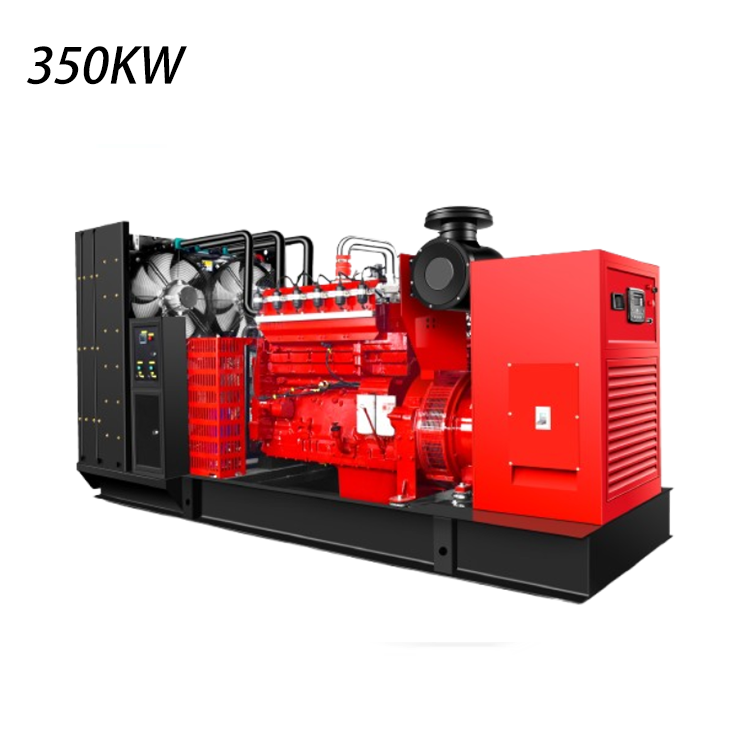
FAQ
What types of waste materials can a biomass power generator effectively convert into electricity?
A biomass power generator can convert various organic waste materials including agricultural residues like corn stalks and rice husks, wood processing waste such as sawdust and wood chips, food processing byproducts, yard waste, and specially prepared municipal organic waste. The key requirement is that materials must have appropriate moisture content, energy density, and minimal contamination to ensure efficient conversion and reliable power generation.
How much electricity can a typical biomass power generator produce from waste materials?
Electricity output from a biomass power generator varies based on system size, biomass type, and operational efficiency, typically ranging from 50 kW for small farm-scale units to several megawatts for industrial installations. Generally, one ton of dry biomass can generate approximately 500-800 kWh of electricity, though actual output depends on fuel quality, system efficiency, and operating conditions throughout the conversion process.
What maintenance is required to keep a biomass power generator operating reliably?
Regular maintenance for a biomass power generator includes cleaning gasification chambers and gas cooling systems, replacing engine air filters and spark plugs, checking fuel feeding mechanisms, monitoring cooling system performance, and inspecting emission control equipment. Most systems require major overhauls every 8,000-12,000 operating hours, with daily operational checks and monthly detailed inspections to ensure consistent performance and prevent unexpected downtime.
Can a biomass power generator provide backup power during grid outages?
Yes, a biomass power generator can provide reliable backup power during grid outages when properly configured with automatic transfer switching equipment and adequate fuel storage. Unlike solar or wind systems, biomass power generation operates independently of weather conditions, making it suitable for emergency power applications. However, startup time from cold conditions typically requires 15-30 minutes, so immediate backup power may require battery systems or other quick-start technologies for critical loads.
Table of Contents
- The Biomass Conversion Process Fundamentals
- Power Generation Technology Integration
- Operational Reliability and Performance Optimization
- Environmental Benefits and Waste Management Integration
- Economic Viability and Implementation Considerations
-
FAQ
- What types of waste materials can a biomass power generator effectively convert into electricity?
- How much electricity can a typical biomass power generator produce from waste materials?
- What maintenance is required to keep a biomass power generator operating reliably?
- Can a biomass power generator provide backup power during grid outages?