
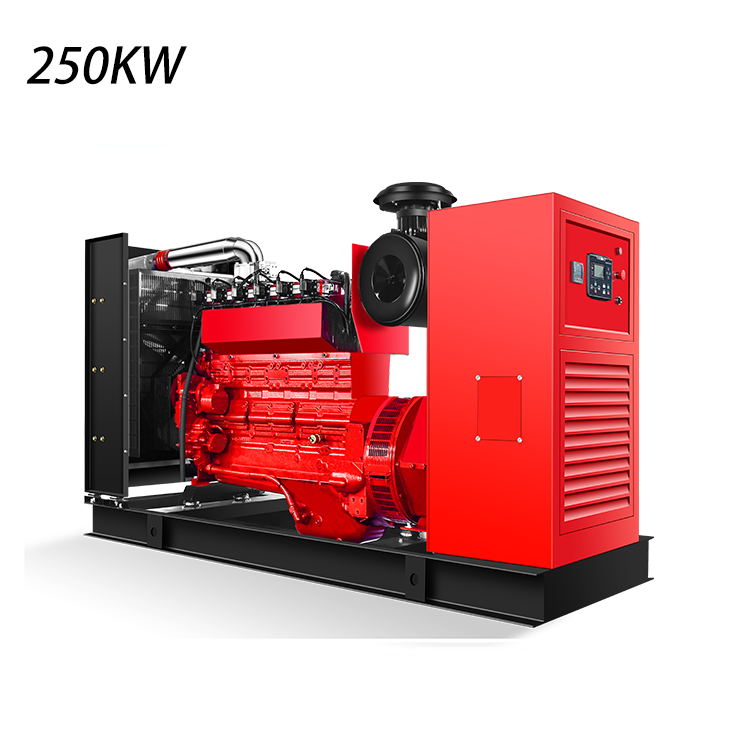
A biomass power generator represents a pivotal technology in the transition toward sustainable energy systems, fundamentally transforming how businesses and communities approach renewable power generation. As economies worldwide grapple with climate change challenges and energy security concerns, understanding the role of biomass power generation in fostering green economic growth becomes increasingly critical for decision-makers across industries.
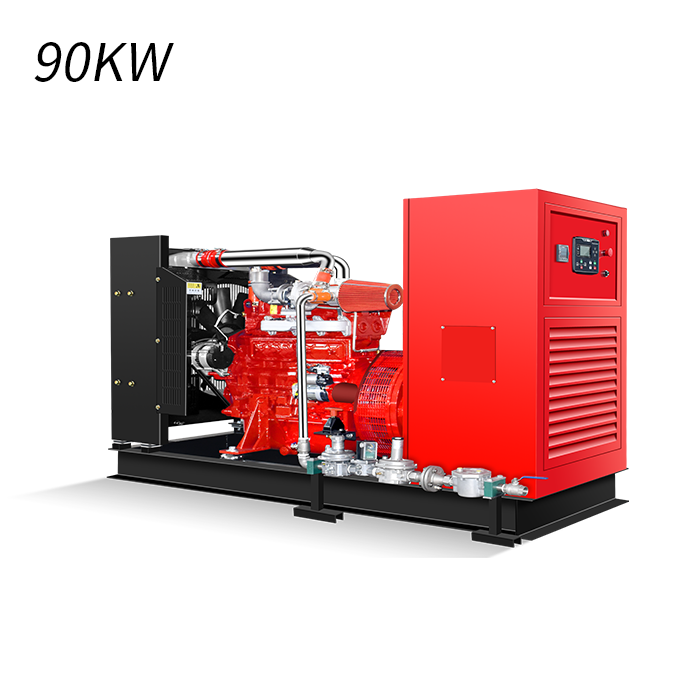
The contribution of biomass power generator technology to green economy development extends far beyond simple electricity production, encompassing job creation, waste reduction, carbon footprint mitigation, and rural economic revitalization. This comprehensive analysis explores the multifaceted ways biomass power generators serve as catalysts for sustainable economic transformation while delivering practical energy solutions for industrial and commercial applications.
Economic Value Creation Through Biomass Power Generation
Direct Employment and Industry Development
A biomass power generator creates substantial employment opportunities across the entire value chain, from feedstock collection and processing to equipment manufacturing and facility operations. The biomass energy sector typically generates more jobs per dollar invested compared to fossil fuel alternatives, particularly in rural areas where agricultural residues and forestry waste provide abundant feedstock sources.
Local communities benefit significantly from biomass power generator installations through direct employment in facility operations, maintenance, and fuel supply logistics. These positions often require technical skills that can be developed through specialized training programs, creating career advancement opportunities for local workers. Additionally, the presence of a biomass power generator stimulates secondary economic activities including transportation services, equipment supply, and professional consulting services.
The manufacturing sector supporting biomass power generator production contributes to industrial growth and technological innovation. Companies specializing in biomass power generator design and production often invest heavily in research and development, leading to improved efficiency technologies and expanded market applications that benefit the broader green economy ecosystem.
Rural Economic Revitalization
Rural economies experience particular benefits from biomass power generator deployment because agricultural and forestry regions possess abundant biomass resources that can be converted into valuable energy products. Farmers and forest landowners gain additional revenue streams by selling crop residues, wood chips, and other organic waste materials to biomass power generator facilities.
The economic impact extends beyond direct biomass sales, as communities hosting biomass power generator facilities often experience increased local spending, improved infrastructure, and enhanced property values. Small businesses serving the biomass energy sector, including equipment suppliers, transportation companies, and maintenance services, contribute to a more diversified and resilient rural economy.
Regional economic development agencies increasingly recognize biomass power generator projects as anchor investments that can attract additional green technology businesses and create innovation clusters focused on renewable energy solutions. This clustering effect amplifies the economic benefits and establishes sustainable competitive advantages for rural regions.
Environmental Benefits Driving Economic Growth
Carbon Footprint Reduction and Climate Value
The environmental performance of a biomass power generator directly contributes to green economy development by reducing greenhouse gas emissions compared to fossil fuel alternatives. Biomass combustion releases carbon dioxide that was recently absorbed from the atmosphere during plant growth, creating a carbon-neutral cycle when managed sustainably.
Companies utilizing biomass power generator systems can achieve significant reductions in their carbon footprints, meeting sustainability targets that increasingly influence consumer preferences and investment decisions. This environmental performance translates into economic value through improved brand reputation, access to green financing options, and compliance with evolving environmental regulations.
The climate benefits of biomass power generator deployment support broader economic transformation by reducing the costs associated with climate change adaptation and mitigation. Communities and businesses investing in biomass power generator technology position themselves advantageously for future carbon pricing mechanisms and environmental compliance requirements.
Waste Management and Circular Economy Integration
A biomass power generator transforms organic waste materials into valuable energy resources, supporting circular economy principles that minimize waste disposal costs and maximize resource utilization efficiency. Agricultural operations, food processing facilities, and forestry operations can significantly reduce waste management expenses while generating revenue from biomass sales.
The integration of biomass power generator systems into waste management strategies creates economic value by eliminating landfill disposal costs and reducing methane emissions from decomposing organic materials. Municipalities and industrial facilities benefit from reduced waste handling expenses while contributing to renewable energy production.
Circular economy approaches enabled by biomass power generator technology encourage innovation in waste processing, biomass preparation, and energy conversion efficiency. These innovations often lead to intellectual property development and technology licensing opportunities that contribute additional economic value to green economy development.
Industrial Applications and Market Development
Manufacturing Sector Integration
Manufacturing companies increasingly adopt biomass power generator solutions to meet sustainability objectives while reducing energy costs and improving supply chain resilience. Industrial facilities with access to organic waste streams from their operations can achieve significant cost savings by converting waste materials into electricity through on-site biomass power generator installations.
The reliability and scalability of modern biomass power generator systems make them suitable for continuous industrial operations requiring consistent power supply. Manufacturing companies can reduce their dependence on grid electricity and fossil fuels while maintaining operational flexibility and energy security.
Industrial biomass power generator applications often serve as demonstration projects that showcase the viability of renewable energy technologies to other businesses and investors. Successful implementations create market confidence and encourage broader adoption of biomass power generation across various industrial sectors.
Agricultural Sector Transformation
Agricultural operations benefit significantly from biomass power generator integration because farms naturally produce organic waste materials suitable for energy conversion. Dairy farms, poultry operations, and crop production facilities can utilize manure, crop residues, and processing waste to generate electricity while reducing waste disposal costs.
The adoption of biomass power generator technology in agriculture supports farm diversification and income stability by creating additional revenue streams from waste materials. Farmers can reduce their reliance on traditional commodity markets while contributing to renewable energy production and rural economic development.
Agricultural biomass power generator projects often leverage government incentives and grant programs designed to support renewable energy development in rural areas. These financial mechanisms enhance project economics and accelerate adoption rates among agricultural operators.
Financial Mechanisms Supporting Green Economy Growth
Investment Attraction and Capital Formation
Biomass power generator projects attract significant investment capital from green finance institutions, infrastructure funds, and impact investors seeking sustainable energy opportunities. The long-term revenue potential and environmental benefits of biomass power generation align with investment criteria for funds focused on green economy development.
Financial markets increasingly recognize biomass power generator investments as stable, long-term assets that provide predictable cash flows while supporting environmental objectives. This recognition improves access to capital and reduces financing costs for biomass energy projects, making them more economically viable.
The presence of established biomass power generator facilities in a region often attracts additional green technology investments, creating investment clusters that benefit from shared infrastructure, skilled workforce, and market knowledge. These clusters accelerate green economy development and enhance regional competitiveness.
Policy Support and Market Incentives
Government policies supporting biomass power generator deployment create market incentives that drive green economy growth through renewable energy standards, carbon pricing mechanisms, and financial incentives for clean energy development. These policy frameworks provide market certainty that encourages private investment and technology adoption.
Regulatory support for biomass power generator technology often includes streamlined permitting processes, tax incentives, and grant programs that reduce project development costs and improve financial returns. These supportive policies accelerate market development and create competitive advantages for regions embracing biomass energy.
International climate commitments and carbon reduction targets create growing demand for biomass power generator solutions as countries seek cost-effective pathways to achieve renewable energy goals. This global policy momentum supports market expansion and technology innovation in the biomass energy sector.
Technology Innovation and Competitive Advantages
Research and Development Acceleration
The biomass power generator industry drives substantial research and development investment focused on improving conversion efficiency, reducing emissions, and expanding feedstock compatibility. These innovation efforts create intellectual property value and technology licensing opportunities that contribute to economic growth.
Universities and research institutions collaborating with biomass power generator manufacturers often develop breakthrough technologies that benefit the broader renewable energy sector. These research partnerships create skilled job opportunities and establish regions as centers of excellence for green technology innovation.
Continuous improvement in biomass power generator technology reduces operational costs and improves performance characteristics, making biomass energy more competitive with conventional power generation. These technological advances accelerate market adoption and support green economy transition.
Export Market Development
Countries and regions with strong biomass power generator manufacturing capabilities often develop significant export markets for equipment and expertise. The global demand for renewable energy technologies creates export opportunities that contribute to positive trade balances and economic growth.
International biomass power generator projects often involve technology transfer, training programs, and ongoing technical support that create long-term economic relationships between developed and developing markets. These relationships support sustainable development while creating economic value for technology providers.
The reputation and expertise developed through domestic biomass power generator deployments often translate into consulting and engineering service exports that generate additional economic value while promoting global adoption of sustainable energy technologies.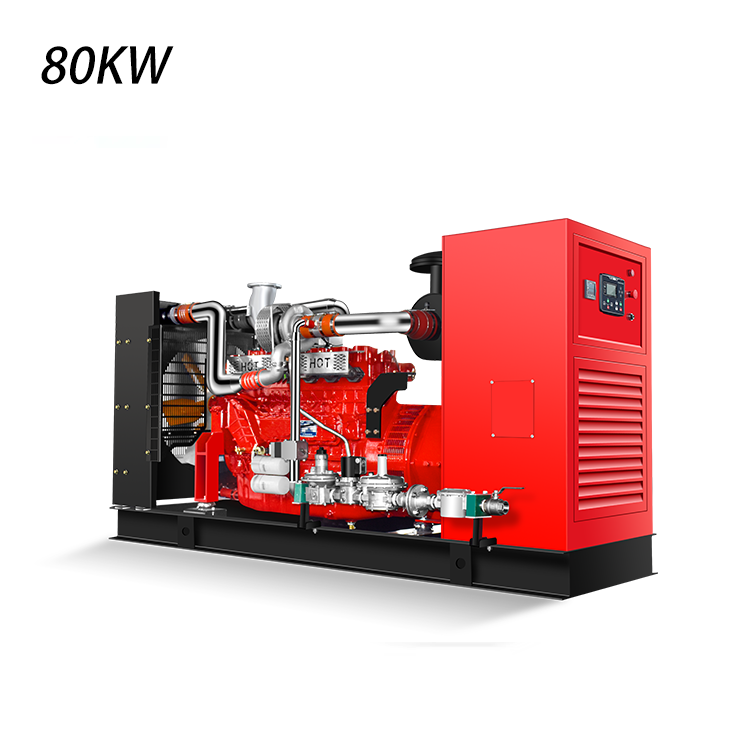
FAQ
How much economic value does a biomass power generator create compared to fossil fuel alternatives?
A biomass power generator typically creates 2-3 times more local jobs per dollar invested compared to fossil fuel power plants, while generating additional economic value through waste utilization, carbon footprint reduction, and rural development. The total economic impact includes direct employment, supply chain benefits, and avoided environmental costs that often exceed the initial investment over the project lifetime.
What types of businesses benefit most from biomass power generator integration?
Agricultural operations, food processing facilities, forestry companies, and manufacturing businesses with organic waste streams benefit most from biomass power generator integration. These businesses can convert waste materials into valuable electricity while reducing disposal costs and achieving sustainability objectives that improve market positioning and access to green financing.
How does biomass power generator technology support rural economic development?
Biomass power generator deployment supports rural economic development by creating local employment opportunities, providing additional revenue streams for farmers and landowners, attracting green technology investments, and stimulating secondary business development. Rural communities benefit from increased economic activity, improved infrastructure, and diversified income sources that enhance economic resilience.
What financial incentives are available for biomass power generator projects?
Financial incentives for biomass power generator projects often include federal and state tax credits, renewable energy certificates, grant programs for rural development, accelerated depreciation schedules, and green loan programs with favorable interest rates. These incentives can significantly improve project economics and reduce payback periods, making biomass power generation financially attractive for various applications.
Table of Contents
- Economic Value Creation Through Biomass Power Generation
- Environmental Benefits Driving Economic Growth
- Industrial Applications and Market Development
- Financial Mechanisms Supporting Green Economy Growth
- Technology Innovation and Competitive Advantages
-
FAQ
- How much economic value does a biomass power generator create compared to fossil fuel alternatives?
- What types of businesses benefit most from biomass power generator integration?
- How does biomass power generator technology support rural economic development?
- What financial incentives are available for biomass power generator projects?