
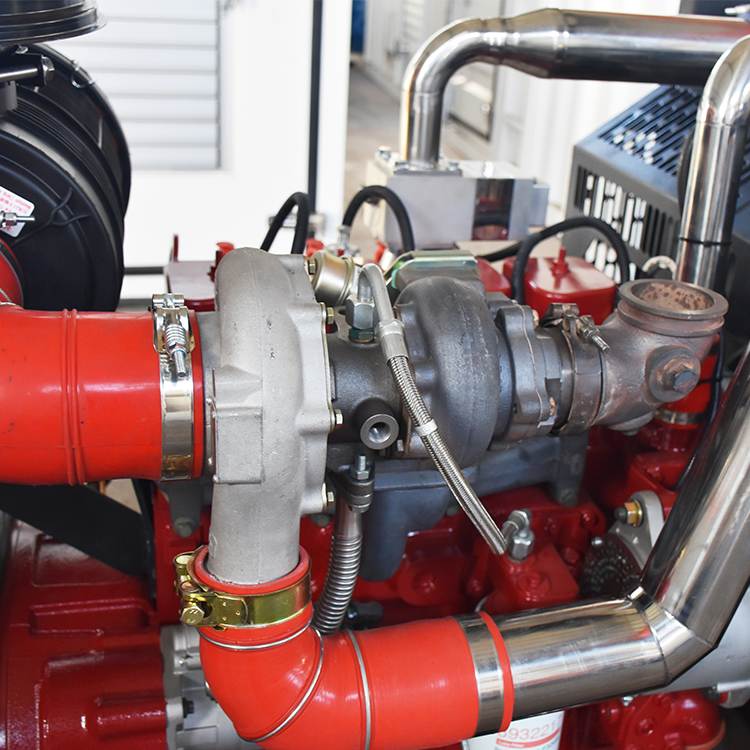
The landscape of industrial power generation is experiencing a fundamental transformation as businesses seek more sustainable, cost-effective, and reliable energy solutions. Among the emerging technologies reshaping this sector, compressed natural gas (CNG) generator sets are rapidly gaining recognition as the next evolution in industrial power supply, offering a compelling alternative to traditional diesel and gasoline-powered generators that addresses both environmental concerns and operational efficiency demands.
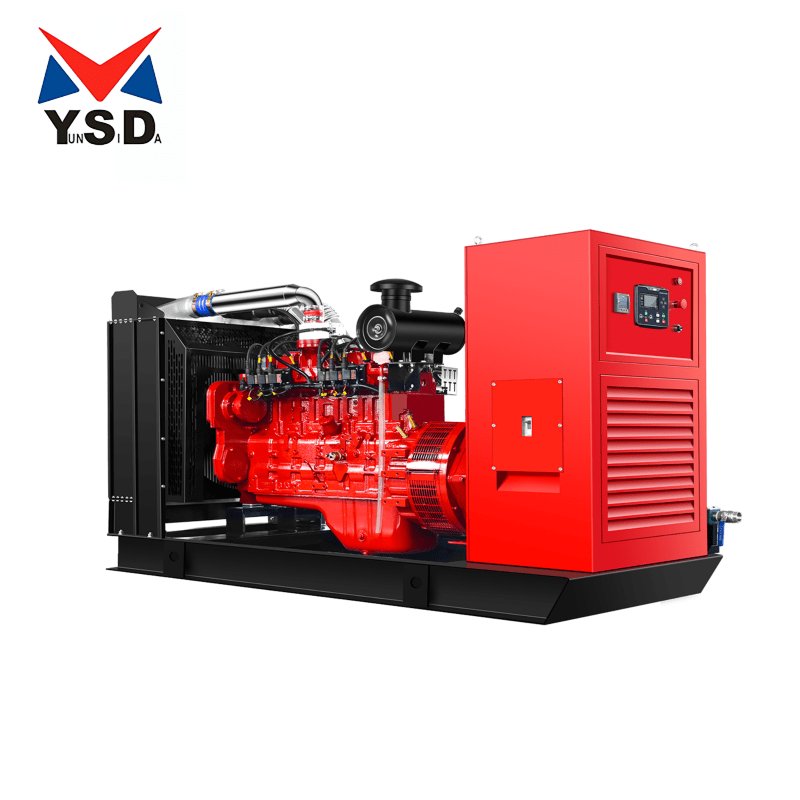
The convergence of stricter environmental regulations, volatile fuel costs, and increasing pressure for corporate sustainability initiatives has created a perfect storm driving industrial facilities toward cleaner power generation technologies. A cng generator set represents more than just an alternative fuel option; it embodies a strategic shift toward future-proofing industrial operations while maintaining the reliability and performance standards that critical applications demand.
Environmental Advantages Driving Industrial Adoption
Dramatic Emissions Reduction
The environmental benefits of a cng generator set stem from the inherent properties of natural gas as a cleaner-burning fuel compared to traditional diesel alternatives. When combusted in industrial generators, compressed natural gas produces significantly lower levels of harmful emissions, including up to 50% fewer nitrogen oxides, 75% fewer particulate matter emissions, and virtually zero sulfur dioxide output.
These emission reductions translate into immediate compliance advantages for industrial facilities operating under increasingly stringent air quality regulations. Unlike diesel generators that require expensive aftertreatment systems to meet modern emission standards, a cng generator set naturally produces cleaner exhaust gases, reducing both initial investment costs and ongoing maintenance requirements associated with emission control equipment.
The carbon footprint advantages of natural gas extend beyond direct combustion emissions. The entire lifecycle analysis of CNG as a fuel source, from extraction through distribution to end-use, typically results in lower greenhouse gas emissions compared to diesel fuel chains, making cng generator set technology an integral component of corporate carbon reduction strategies.
Regulatory Compliance and Future-Proofing
Industrial facilities investing in cng generator set technology position themselves ahead of evolving environmental regulations that continue to tighten emission standards for stationary power generation equipment. Many jurisdictions are implementing progressively stricter limits on diesel generator usage, particularly in urban and sensitive environmental areas, making natural gas-powered alternatives not just environmentally responsible but legally necessary.
The regulatory landscape clearly favors cleaner technologies, with many regions offering incentives, tax credits, and expedited permitting processes for facilities that adopt low-emission power generation solutions. A cng generator set investment today represents insurance against future regulatory restrictions while potentially qualifying for financial incentives that improve overall project economics.
Forward-thinking industrial operators recognize that environmental compliance costs will only increase over time, making early adoption of clean technologies like cng generator set systems a strategic advantage that protects against future regulatory risks and associated penalty costs.
Economic Benefits and Cost-Effectiveness
Fuel Cost Stability and Savings
The economic case for cng generator set adoption rests heavily on the favorable cost dynamics of natural gas compared to diesel fuel. Natural gas prices have historically demonstrated greater stability and lower volatility than petroleum-based fuels, providing industrial facilities with more predictable operating costs and improved budget planning capabilities.
Current market conditions show natural gas trading at significant discounts to diesel fuel on an energy-equivalent basis, with many industrial facilities reporting 30-50% reductions in fuel costs after transitioning to a cng generator set configuration. These savings compound over time, particularly for facilities with high generator run-time requirements or frequent power outages that necessitate extended backup power operation.
The domestic production advantages of natural gas in many regions provide additional cost stability benefits, reducing exposure to international fuel price volatility and supply chain disruptions that can dramatically impact diesel fuel availability and pricing during crisis periods.
Reduced Maintenance and Operating Costs
Beyond fuel savings, a cng generator set offers substantial advantages in maintenance costs and operational simplicity compared to diesel-powered alternatives. Natural gas burns much cleaner than diesel fuel, resulting in reduced carbon buildup, cleaner combustion chambers, and extended intervals between major maintenance events.
The cleaner combustion characteristics of natural gas translate into longer engine oil life, reduced wear on internal components, and fewer filter changes required to maintain optimal performance. Many industrial facilities report extending maintenance intervals by 25-40% when operating a cng generator set compared to their previous diesel units, resulting in lower maintenance labor costs and reduced downtime for service activities.
The elimination of fuel storage and handling requirements associated with liquid fuels further reduces operational costs and complexity. CNG delivery systems eliminate concerns about fuel degradation, water contamination, and tank maintenance that plague diesel generator installations, while also reducing fire insurance premiums due to the lower fire risk profile of gaseous fuels.
Technical Performance and Reliability Advantages
Superior Cold Weather Performance
Industrial applications often demand reliable power generation under extreme weather conditions, where traditional diesel generators may struggle with fuel gelling, difficult starting, or reduced performance. A cng generator set demonstrates superior cold weather reliability because natural gas remains in gaseous form across a wide temperature range, eliminating fuel flow problems that can plague diesel systems in freezing conditions.
The consistent fuel delivery characteristics of natural gas enable more reliable starting and stable operation during cold weather events when backup power is most critical. This reliability advantage becomes particularly important for industrial facilities located in northern climates or those operating critical processes that cannot tolerate power interruptions during severe weather conditions.
Unlike diesel fuel that requires heating systems and additives to maintain proper flow characteristics in cold weather, a cng generator set operates consistently regardless of ambient temperature, reducing the complexity and potential failure points associated with fuel conditioning systems.
Enhanced Operational Flexibility
Modern cng generator set designs offer exceptional operational flexibility through advanced control systems that enable rapid load acceptance, precise frequency regulation, and seamless integration with existing facility power management systems. The consistent fuel quality and stable combustion characteristics of natural gas enable tighter control over generator output parameters compared to diesel alternatives.
The ability to connect directly to natural gas pipeline infrastructure or use portable CNG storage solutions provides industrial facilities with multiple fuel supply options that enhance overall system reliability and reduce dependency on liquid fuel delivery logistics that can be disrupted during emergencies or extreme weather events.
Advanced cng generator set configurations can incorporate remote monitoring and control capabilities that enable operators to manage multiple units across different sites from centralized control centers, improving response times and reducing the need for on-site personnel during power outages or maintenance activities.
Infrastructure and Implementation Considerations
Natural Gas Infrastructure Development
The expanding natural gas distribution infrastructure across industrial regions continues to improve the viability and attractiveness of cng generator set installations for a growing number of facilities. As pipeline networks extend into previously unserved areas, more industrial operations gain access to reliable, pipeline-quality natural gas that can support continuous generator operation without the logistics complexity of trucked fuel delivery.
For facilities not yet connected to pipeline infrastructure, portable CNG storage and delivery systems provide interim solutions that enable immediate adoption of cng generator set technology while awaiting permanent pipeline connections. These temporary arrangements often prove so effective that some facilities choose to maintain them as primary or backup fuel supply methods even after pipeline access becomes available.
The development of virtual pipeline networks using compressed natural gas trucks and storage systems has revolutionized fuel access for remote industrial facilities, making cng generator set technology viable in locations where pipeline infrastructure may never be economically feasible while still providing the environmental and economic benefits of natural gas-powered generation.
Installation and Integration Factors
Implementing a cng generator set requires careful consideration of gas supply infrastructure, pressure regulation equipment, and safety systems that differ from traditional diesel generator installations. However, modern modular designs and standardized components have simplified installation processes and reduced the specialized expertise required for successful project completion.
The elimination of liquid fuel storage tanks, associated piping, and environmental containment systems often results in simpler overall installations with reduced regulatory approval requirements and faster project timelines. Many industrial facilities find that the space savings achieved by eliminating diesel storage infrastructure can be redirected to productive use while maintaining equivalent or superior backup power capability.
Integration with existing facility electrical systems typically requires minimal modifications, as cng generator set units produce standard electrical output compatible with conventional transfer switches, load banks, and power distribution equipment already installed in most industrial facilities.
FAQ
How reliable is a CNG generator set compared to diesel generators for critical industrial applications?
CNG generator sets offer equivalent or superior reliability compared to diesel generators for critical applications. Natural gas burns cleaner, reducing engine wear and extending maintenance intervals, while pipeline-connected units eliminate fuel supply concerns entirely. The absence of fuel contamination issues and superior cold weather performance actually enhance reliability in many operating conditions.
What are the main infrastructure requirements for installing a CNG generator set?
The primary infrastructure requirements include natural gas supply connections (either pipeline or CNG storage), gas pressure regulation equipment, and appropriate safety systems including gas detection and ventilation. Most installations are simpler than diesel equivalents because they eliminate fuel storage tanks, secondary containment, and associated environmental protection systems.
How do operating costs of CNG generator sets compare to diesel units over time?
CNG generator sets typically demonstrate 30-50% lower fuel costs compared to diesel units, with additional savings from extended maintenance intervals due to cleaner combustion. While initial equipment costs may be slightly higher, the total cost of ownership usually favors CNG systems within 2-3 years of operation, particularly for high-usage applications.
Are there any limitations or disadvantages to consider with CNG generator sets?
The main considerations include ensuring adequate natural gas supply infrastructure and slightly different maintenance requirements compared to diesel units. Some remote locations may require CNG storage solutions if pipeline access is unavailable. However, these factors are typically outweighed by the environmental, economic, and operational advantages for most industrial applications.
Table of Contents
- Environmental Advantages Driving Industrial Adoption
- Economic Benefits and Cost-Effectiveness
- Technical Performance and Reliability Advantages
- Infrastructure and Implementation Considerations
-
FAQ
- How reliable is a CNG generator set compared to diesel generators for critical industrial applications?
- What are the main infrastructure requirements for installing a CNG generator set?
- How do operating costs of CNG generator sets compare to diesel units over time?
- Are there any limitations or disadvantages to consider with CNG generator sets?