
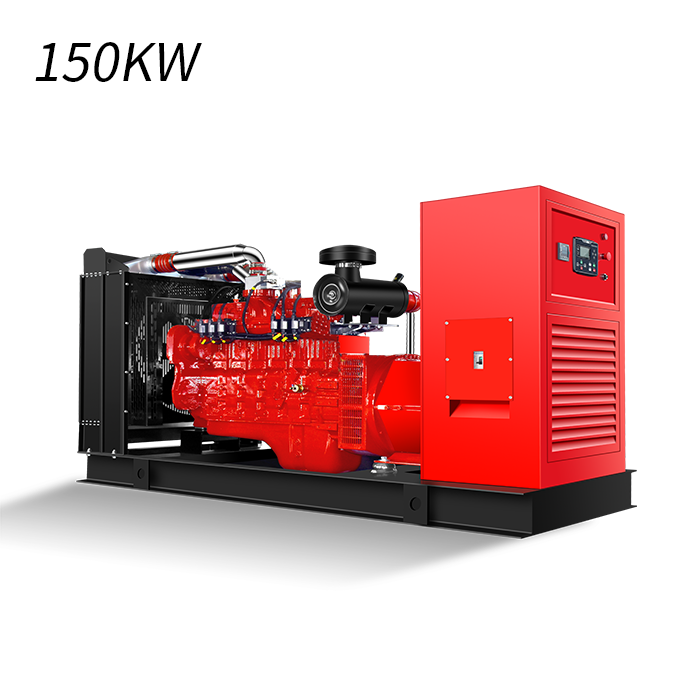
Industrial energy demands are rising at a pace that challenges even the most established power infrastructure. Factories, processing facilities, data centers, and heavy manufacturing operations all require reliable, scalable, and cost-efficient energy sources to sustain continuous output. A natural gas power plant has emerged as one of the most practical and adaptable solutions for meeting these intensifying requirements, offering a combination of fuel efficiency, operational flexibility, and lower emissions compared to older fossil fuel alternatives.
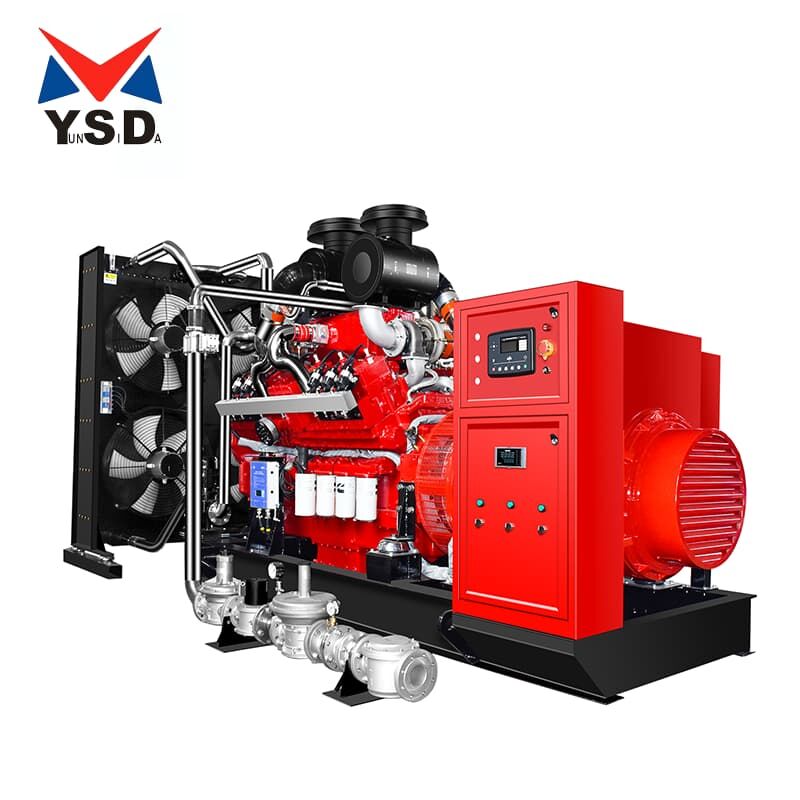
Understanding how a natural gas power plant can be structured and deployed to serve growing industrial loads requires looking beyond simple capacity numbers. It means examining how these systems respond to demand fluctuations, how they integrate with existing infrastructure, and what operational strategies allow them to scale without compromising reliability. This article explores the key mechanisms, design considerations, and strategic advantages that make a natural gas power plant a compelling choice for industrial operators facing expanding energy needs.
The Scalability Advantage of a Natural Gas Power Plant
Modular Capacity Expansion
One of the most significant ways a natural gas power plant addresses growing industrial demands is through modular design. Unlike large centralized coal or nuclear facilities that require years of construction and enormous capital commitments before delivering a single kilowatt, a natural gas power plant can be built in stages. Industrial operators can begin with a base generation capacity and add generating units as demand grows, keeping capital expenditure aligned with actual operational needs.
This modular approach is particularly valuable in industries where production ramp-up is gradual or where future demand is uncertain. A manufacturing complex expanding its production lines, for example, can commission additional gas generator sets in sequence rather than over-investing in capacity that sits idle for years. The natural gas power plant model supports this kind of phased investment without sacrificing long-term scalability.
Modular natural gas generation also simplifies maintenance planning. When one unit undergoes scheduled servicing, the remaining units continue supplying power, ensuring that industrial operations are never fully dependent on a single point of failure. This redundancy is a critical feature for facilities where downtime translates directly into significant financial loss.
Rapid Response to Load Fluctuations
Industrial power demand is rarely constant. Shifts in production schedules, the startup of heavy machinery, and seasonal variations all create load fluctuations that a power supply system must handle without voltage instability or frequency deviation. A natural gas power plant is well-suited to this challenge because gas turbines and gas engine generator sets can ramp output up or down relatively quickly compared to steam-based generation technologies.
This responsiveness means that a natural gas power plant can act as both a baseload supplier and a peaking resource within the same industrial facility. During periods of low demand, the system operates at reduced output to conserve fuel. When demand spikes, additional capacity comes online within minutes. This dynamic load-following capability is a core reason why industrial operators increasingly favor natural gas generation over less flexible alternatives.
Fuel Efficiency and Cost Management at Industrial Scale
High Thermal Efficiency in Combined Heat and Power Configurations
A natural gas power plant operating in a combined heat and power, or CHP, configuration captures waste heat from the generation process and redirects it for industrial heating, drying, or process steam applications. This approach can push overall fuel utilization efficiency well above what a conventional power-only plant achieves. For energy-intensive industries such as food processing, chemical manufacturing, or paper production, this efficiency gain translates into measurable reductions in operating costs.
The economic logic is straightforward. When a natural gas power plant generates both electricity and usable thermal energy from the same fuel input, the effective cost per unit of useful energy output drops significantly. Industrial facilities that previously purchased electricity from the grid and burned separate fuel for process heat can consolidate both needs into a single, more efficient on-site natural gas power plant system.
CHP configurations also reduce dependence on external utility infrastructure, which is a strategic advantage in regions where grid reliability is inconsistent or where industrial tariffs are high. The natural gas power plant becomes not just a power source but a comprehensive energy management asset.
Fuel Cost Predictability and Supply Security
Natural gas markets, while subject to price variation, generally offer more stable long-term pricing structures than liquid fuels such as diesel. Industrial operators running a natural gas power plant can often negotiate long-term supply contracts that provide cost predictability, which is essential for financial planning in capital-intensive industries. This predictability supports more accurate production cost modeling and reduces exposure to energy price volatility.
Supply security is another dimension where a natural gas power plant offers advantages. Compressed natural gas, or CNG, infrastructure allows facilities in areas without direct pipeline access to still benefit from gas-powered generation. CNG-fueled generator sets designed for industrial environments can operate reliably even in remote or harsh conditions, extending the reach of natural gas power plant technology to locations that would otherwise depend on diesel or grid power alone.
Reliability and Operational Continuity in Demanding Environments
Performance Under Harsh Industrial Conditions
Industrial environments often impose severe operating conditions on power generation equipment. Extreme temperatures, dust, humidity, vibration, and corrosive atmospheres are common in sectors such as mining, oil and gas processing, heavy manufacturing, and construction. A natural gas power plant designed for these environments must incorporate robust engineering standards that go beyond what commercial or light industrial equipment can offer.
High-power industrial gas generator sets built for harsh environments typically feature reinforced enclosures, advanced cooling systems, and engine designs that maintain stable output across a wide range of ambient conditions. The natural gas power plant in these configurations is not a fragile installation but a hardened energy asset capable of sustaining continuous operation where other systems would fail or require frequent intervention.
Reliability in harsh conditions also depends on the quality of fuel delivery systems. A natural gas power plant using CNG must have pressure regulation, filtration, and monitoring systems that ensure consistent fuel quality reaches the engine under all operating conditions. These engineering details are what separate a genuinely industrial-grade natural gas power plant from equipment that performs adequately only in controlled environments.
Maintenance Strategies That Support Continuous Production
Planned maintenance is a reality for any power generation system, but the way maintenance is structured can either support or disrupt industrial production. A natural gas power plant with a well-designed maintenance program uses condition monitoring, predictive diagnostics, and scheduled service intervals to minimize unplanned downtime. Modern gas generator sets often include integrated monitoring systems that track engine parameters in real time, alerting operators to developing issues before they become failures.
For industrial facilities operating around the clock, the ability to perform maintenance on individual units within a multi-unit natural gas power plant without shutting down the entire system is a significant operational advantage. This approach, sometimes called 'N+1 redundancy,' ensures that total generation capacity always exceeds the minimum required load, providing a buffer that absorbs planned outages without affecting production.
Environmental Compliance and Sustainability Alignment
Lower Emissions Compared to Alternative Fossil Fuels
Industrial operators face increasing regulatory pressure to reduce emissions from on-site power generation. A natural gas power plant produces significantly lower levels of sulfur dioxide, particulate matter, and carbon dioxide per unit of energy generated compared to coal or heavy fuel oil plants. This emissions profile makes it easier for industrial facilities to comply with air quality regulations and environmental permits without sacrificing generation capacity.
The cleaner combustion characteristics of natural gas also reduce the accumulation of deposits within engine components, which contributes to longer service intervals and lower maintenance costs over the life of the natural gas power plant. From both a regulatory and an operational standpoint, the emissions advantage of natural gas generation is a practical benefit rather than simply a marketing claim.
Positioning as a Transition Technology Toward Cleaner Energy
Many industrial operators view a natural gas power plant as a strategic bridge technology. As renewable energy sources such as solar and wind expand, they introduce intermittency challenges that require reliable backup or balancing generation. A natural gas power plant is well-positioned to fill this role because of its fast-start capability and dispatchable output. Industrial facilities investing in on-site renewables can pair them with a natural gas power plant to ensure continuous power availability regardless of weather conditions.
This hybrid approach allows industrial operators to reduce their carbon footprint progressively without accepting the reliability risks that come with depending entirely on intermittent renewable sources. The natural gas power plant provides the stability layer that makes a higher renewable energy share operationally viable. Over time, as grid infrastructure and storage technologies mature, the role of the natural gas power plant can evolve without requiring a complete replacement of existing generation assets.
FAQ
What makes a natural gas power plant suitable for high-demand industrial applications?
A natural gas power plant offers a combination of scalable capacity, fast load response, high fuel efficiency, and lower emissions that align well with the requirements of high-demand industrial operations. Its ability to operate in modular configurations and harsh environments makes it adaptable to a wide range of industrial settings, from manufacturing plants to remote extraction sites.
How does a natural gas power plant handle sudden increases in industrial power demand?
Gas turbines and gas engine generator sets within a natural gas power plant can increase output relatively quickly, typically within minutes, in response to rising load. Multi-unit configurations allow additional generating sets to come online as demand grows, providing a flexible and responsive power supply that matches the dynamic nature of industrial energy consumption.
Can a natural gas power plant operate reliably in remote or harsh industrial environments?
Yes. Industrial-grade natural gas power plant systems, particularly those using CNG fuel, are engineered to perform in extreme temperatures, dusty conditions, and other challenging environments. Reinforced enclosures, advanced cooling, and robust fuel delivery systems ensure stable operation in locations where grid power is unavailable or unreliable.
How does a natural gas power plant contribute to industrial sustainability goals?
A natural gas power plant produces lower emissions than coal or diesel alternatives, helping industrial facilities meet air quality regulations and reduce their overall carbon footprint. When paired with on-site renewable energy sources, it serves as a reliable balancing resource, supporting a gradual transition toward cleaner energy without compromising operational continuity.
Table of Contents
- The Scalability Advantage of a Natural Gas Power Plant
- Fuel Efficiency and Cost Management at Industrial Scale
- Reliability and Operational Continuity in Demanding Environments
- Environmental Compliance and Sustainability Alignment
-
FAQ
- What makes a natural gas power plant suitable for high-demand industrial applications?
- How does a natural gas power plant handle sudden increases in industrial power demand?
- Can a natural gas power plant operate reliably in remote or harsh industrial environments?
- How does a natural gas power plant contribute to industrial sustainability goals?