
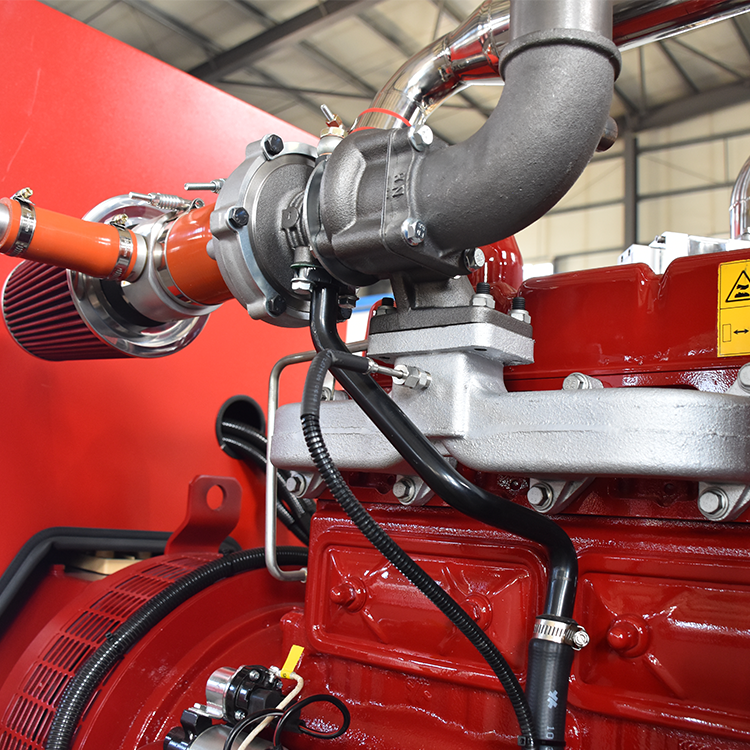
When evaluating energy infrastructure for industrial, commercial, or utility-scale operations, the choice between a natural gas power plant and a coal-fired facility is one of the most consequential decisions an energy planner can make. Each technology carries distinct characteristics in terms of fuel handling, combustion chemistry, environmental output, operational flexibility, and long-term cost profiles. Understanding these differences in depth allows decision-makers to align their infrastructure investments with regulatory realities, market dynamics, and sustainability targets.
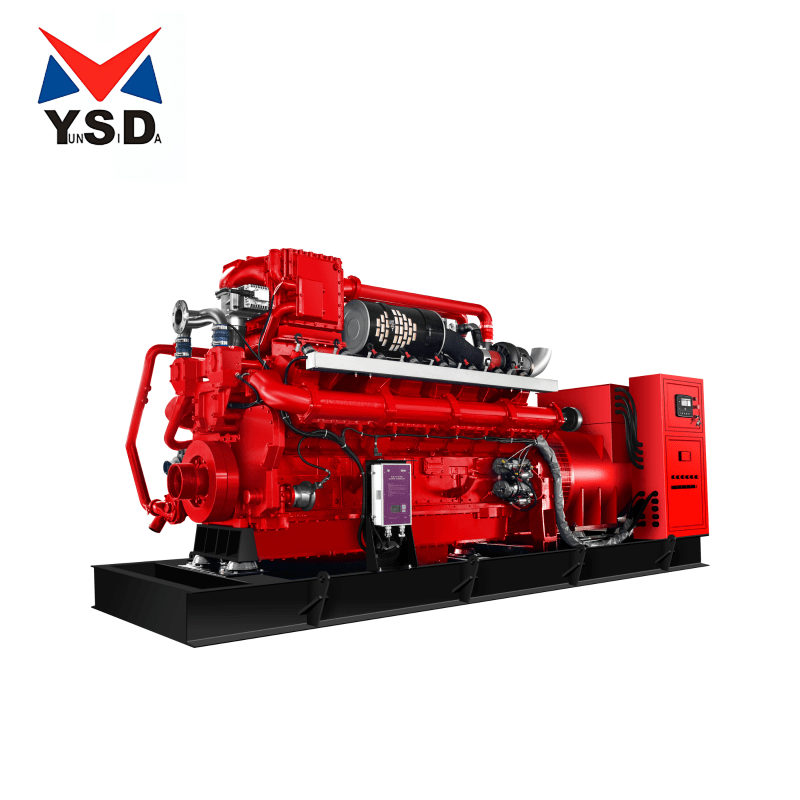
The comparison is not purely technical — it is strategic. A natural gas power plant and a coal facility both convert fossil fuel energy into electricity, but they do so through fundamentally different processes, with very different consequences for capital expenditure, environmental compliance, grid integration, and operational agility. This article breaks down those differences across the dimensions that matter most to B2B energy stakeholders and industrial facility managers.
Fuel Characteristics and Combustion Efficiency
Energy Density and Combustion Chemistry
Coal is a solid fossil fuel with significant variability in energy content, depending on its rank — from lignite at the low end to anthracite at the high end. The combustion of coal involves the oxidation of carbon and hydrogen but also releases sulfur, nitrogen oxides, mercury, and particulate matter in substantial quantities. These byproducts impose major downstream treatment requirements on coal facilities, including flue gas desulfurization units, electrostatic precipitators, and selective catalytic reduction systems.
A natural gas power plant, by contrast, burns methane — a much cleaner-burning fuel with a higher hydrogen-to-carbon ratio. This chemistry produces significantly less carbon dioxide per unit of energy than coal, fewer sulfur compounds, and virtually no particulate matter. The result is a combustion process that is not only cleaner but also more thermodynamically efficient under combined-cycle configurations. Modern combined-cycle natural gas plants routinely achieve thermal efficiencies of 55 to 62 percent, compared to typical coal plant efficiencies of 33 to 40 percent.
This difference in combustion efficiency is not trivial in an industrial context. Higher efficiency means fewer units of fuel are required to produce the same electrical output, which directly translates into lower fuel costs per megawatt-hour. For operators running large-scale generation assets, this efficiency advantage compounds significantly over a facility's operational lifetime.
Fuel Supply and Handling Infrastructure
Coal requires significant handling infrastructure — transportation by rail or barge, on-site storage yards, conveyor systems, crushers, and ash disposal facilities. These logistics create both capital costs and ongoing maintenance burdens. Coal stockpiles also present environmental liability risks related to runoff and dust control.
A natural gas power plant typically receives fuel through pipeline infrastructure, which simplifies on-site logistics considerably. There are no large solid fuel stockpiles, no heavy-duty conveyor systems, and no combustion ash requiring disposal. Compressed natural gas (CNG) or liquefied natural gas (LNG) options also enable deployment in locations without direct pipeline access, adding flexibility that coal-based facilities simply cannot match. This logistical simplicity is one reason why the natural gas power plant model has grown so attractive to industrial self-generation projects globally.
Environmental Performance and Regulatory Compliance
Greenhouse Gas Emissions
The carbon intensity of coal combustion is one of the defining arguments in any comparison involving a natural gas power plant. On a per-megawatt-hour basis, coal-fired power generation typically emits between 800 and 1,050 grams of CO2 equivalent, while a natural gas power plant in combined-cycle configuration emits roughly 350 to 490 grams per megawatt-hour. This represents a reduction of approximately 50 percent in direct carbon emissions for the same amount of electricity generated.
In regulatory environments where carbon pricing, emissions trading schemes, or mandatory reporting requirements apply, this difference has direct financial implications. Industrial operators using on-site natural gas power plants may face substantially lower compliance costs compared to coal-dependent counterparts. As carbon regulations tighten across major industrial economies, the long-term liability profile of coal assets grows while that of gas-fired generation remains more manageable.
It is worth noting that methane leakage along the natural gas supply chain can partially offset the carbon advantage of a natural gas power plant. However, with modern pipeline integrity management and leak detection programs, well-managed gas supply chains maintain a clear emissions advantage over coal.
Local Air Quality and Particulate Emissions
Beyond greenhouse gases, coal combustion produces sulfur dioxide (SO2), nitrogen oxides (NOx), mercury, and fine particulate matter (PM2.5). These pollutants are subject to strict regulatory limits in most jurisdictions, requiring substantial investment in pollution control equipment. The operational and maintenance costs of these systems add meaningfully to the total cost of ownership for coal facilities.
A natural gas power plant produces negligible sulfur dioxide and no significant particulate matter. NOx emissions, while still present, are far lower and more easily managed with relatively straightforward combustion optimization and low-NOx burner technology. The result is a facility that is far easier and less costly to bring into compliance with air quality regulations. For industrial operators locating generation capacity near populated areas or in regions with strict air quality standards, the gas-fired option often represents the only practically viable path.
Capital Cost, Operating Cost, and Lifecycle Economics
Initial Capital Investment
Coal-fired power plants carry high capital costs driven not only by the generating equipment itself but also by the extensive pollution control systems, fuel handling infrastructure, and ash disposal facilities required. Environmental permitting alone can add years and millions of dollars to the development timeline of a new coal facility. This front-loaded cost structure increases financial risk for developers and lenders alike.
A natural gas power plant, particularly an open-cycle gas turbine or reciprocating gas engine configuration, generally offers a lower capital cost per kilowatt of installed capacity. Combined-cycle configurations are more capital-intensive but remain competitive with coal on a total installed cost basis when pollution control requirements are factored in. Modular gas generator solutions, such as CNG-series generator sets, allow industrial operators to scale capacity incrementally, reducing initial capital exposure and enabling phased investment strategies.
Fuel Costs and Long-Term Operating Economics
Natural gas prices have historically been more volatile than coal prices in some markets, which introduces fuel cost risk for natural gas power plant operators. However, the higher thermal efficiency of gas-fired generation partially offsets this risk by reducing the volume of fuel required per unit of output. Additionally, the absence of pollution control operating costs, ash disposal fees, and heavy maintenance burdens associated with coal handling systems gives gas-fired facilities a structural operating cost advantage in most scenarios.
Over a 20 to 30-year operational lifecycle, the economics of a natural gas power plant tend to be more favorable in regulated markets, particularly when carbon costs are included in the analysis. Industrial operators evaluating total cost of ownership — not just upfront capital — consistently find that gas-fired generation offers a more predictable and defensible cost profile over time.
Operational Flexibility and Grid Integration
Startup Time and Load Following Capability
One of the most significant operational distinctions between a natural gas power plant and a coal facility lies in operational flexibility. Coal plants are designed for baseload operation — they run most efficiently at steady, high output and require many hours to start up from cold conditions. This characteristic makes them poorly suited to environments where power demand fluctuates significantly or where rapid response to grid signals is required.
A natural gas power plant, especially one based on gas turbine or reciprocating engine technology, can achieve full operational output within minutes of startup. This rapid response capability makes gas-fired generation highly compatible with modern grid environments that incorporate significant shares of variable renewable energy. As solar and wind generation become more prevalent, the ability to quickly ramp generation up or down becomes increasingly valuable — a capability that coal facilities fundamentally cannot provide.
Deployment Flexibility and Site Requirements
The physical footprint requirements of a coal facility are substantially larger than those of a natural gas power plant of equivalent capacity. Coal plants require space for fuel storage, ash ponds, and pollution control equipment in addition to the generating plant itself. Permitting and environmental impact assessments for new coal facilities are extensive and time-consuming.
A natural gas power plant can be deployed in a much more compact configuration. Modular solutions using CNG generator sets can be installed in industrial facilities, data centers, manufacturing plants, or remote sites with limited infrastructure. This flexibility in deployment scale and site selection gives gas-fired generation a pronounced advantage in distributed generation and industrial self-supply applications. The speed of project development is also significantly faster for gas-based solutions, which reduces time-to-power — a critical factor for industrial operators facing urgent capacity needs.
Strategic Fit for Industrial and Commercial Operators
Alignment With Energy Transition Goals
Industrial and commercial operators increasingly face pressure from regulators, investors, and customers to demonstrate progress toward decarbonization targets. A natural gas power plant, while not a zero-emission solution, represents a meaningful step down in carbon intensity compared to coal-fired generation. In contexts where renewable energy alone cannot meet baseload or reliability requirements, gas-fired generation serves as a credible transition technology.
Many industrial operators are adopting a hybrid strategy: deploying a natural gas power plant for reliable baseload and backup capacity while progressively adding renewable generation to their portfolio. This approach manages reliability risk while making measurable progress on emissions reduction. Gas generation assets also offer the long-term optionality of transitioning to hydrogen or biogas fuel blends as those supply chains mature, providing a degree of future-proofing that coal assets simply cannot offer.
Regulatory and Financing Environment
The financing environment for new coal generation has tightened dramatically in recent years. Many major commercial banks and development finance institutions have restricted or eliminated lending for new coal projects. Insurance markets have similarly moved away from coal risk. By contrast, natural gas power plant projects continue to attract commercial financing, particularly where projects can demonstrate efficiency, modern emission controls, and pathway alignment with energy transition objectives.
For industrial operators seeking project finance for on-site generation capacity, this distinction is practical and immediate. The natural gas power plant pathway opens access to a far broader pool of lenders and capital structures than coal projects can realistically pursue in today's market. When combined with the operational, environmental, and flexibility advantages discussed throughout this article, the strategic case for gas-fired generation over coal becomes compelling across most industrial application contexts.
FAQ
Is a natural gas power plant more efficient than a coal plant?
Yes, in most configurations. A modern combined-cycle natural gas power plant achieves thermal efficiencies of 55 to 62 percent, while typical coal plants operate at 33 to 40 percent efficiency. This efficiency advantage means less fuel is consumed per unit of electricity generated, reducing both operating costs and emissions intensity.
How do the emissions of a natural gas power plant compare to those of coal?
A natural gas power plant emits roughly 50 percent less carbon dioxide per megawatt-hour than a coal plant. It also produces negligible sulfur dioxide and virtually no particulate matter, making it substantially cleaner across most regulated pollutant categories. This reduces both environmental impact and regulatory compliance costs significantly.
Can a natural gas power plant respond faster to changes in power demand than coal?
Yes. Gas turbine and reciprocating engine-based natural gas power plants can reach full output within minutes, while coal plants require many hours to start up from cold. This makes a natural gas power plant far better suited to grid environments that require fast load-following capability, especially as variable renewable energy sources grow in share.
Is it easier to finance a natural gas power plant than a new coal facility today?
In the current financial environment, yes. Major commercial lenders and development finance institutions have broadly restricted coal project financing due to environmental, social, and governance concerns. A natural gas power plant faces a more accessible financing landscape, with more lenders willing to support projects that demonstrate efficiency credentials and alignment with energy transition strategies.
Table of Contents
- Fuel Characteristics and Combustion Efficiency
- Environmental Performance and Regulatory Compliance
- Capital Cost, Operating Cost, and Lifecycle Economics
- Operational Flexibility and Grid Integration
- Strategic Fit for Industrial and Commercial Operators
-
FAQ
- Is a natural gas power plant more efficient than a coal plant?
- How do the emissions of a natural gas power plant compare to those of coal?
- Can a natural gas power plant respond faster to changes in power demand than coal?
- Is it easier to finance a natural gas power plant than a new coal facility today?