
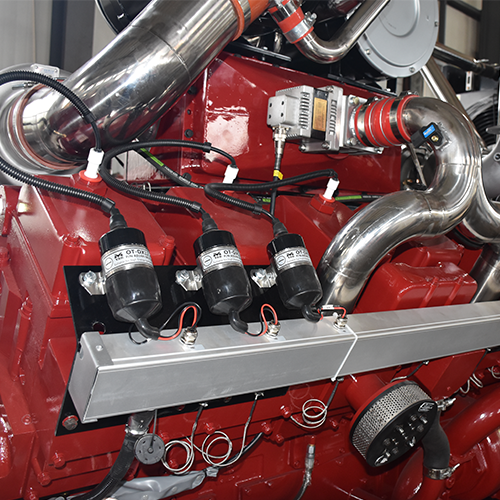
Understanding how a natural gas power generator reduces harmful emissions is crucial for industries seeking cleaner energy solutions. The combustion characteristics of natural gas create significantly lower pollutant outputs compared to traditional fossil fuels, making these generators an increasingly popular choice for environmentally conscious businesses. The molecular composition of natural gas, primarily methane, burns more completely and efficiently than coal or diesel fuel.
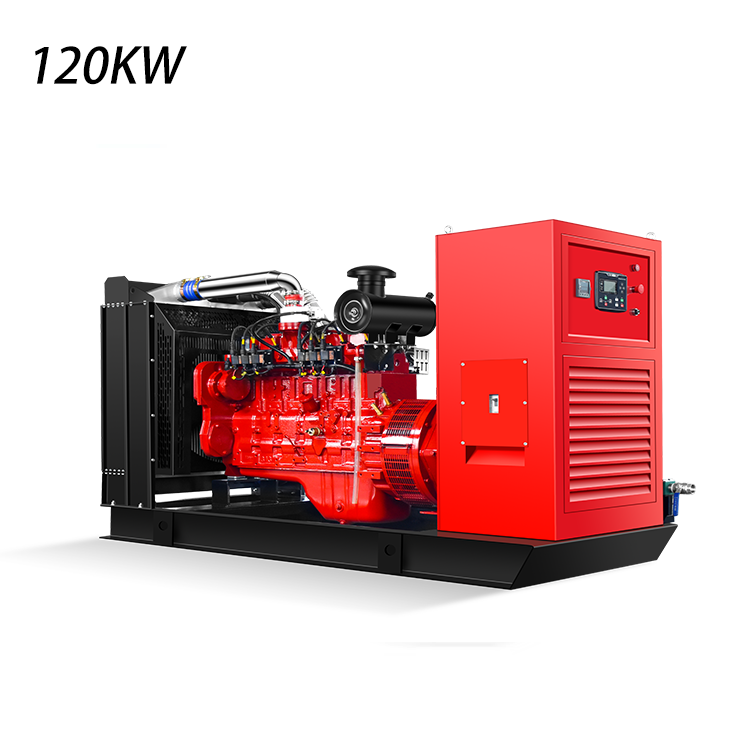
The emission reduction mechanism of a natural gas power generator operates through several distinct chemical and engineering processes that minimize the release of nitrogen oxides, particulate matter, and carbon dioxide. These generators achieve their environmental benefits through optimized combustion temperatures, advanced air-to-fuel ratios, and sophisticated emission control systems that work together to deliver cleaner power generation than conventional alternatives.
Combustion Chemistry Behind Lower Emissions
Clean Burning Properties of Natural Gas
The fundamental reason a natural gas power generator produces fewer emissions lies in the chemical composition of natural gas itself. Methane, the primary component of natural gas, contains a higher hydrogen-to-carbon ratio than other fossil fuels. When methane combusts, it produces more water vapor and less carbon dioxide per unit of energy generated. This chemical advantage means that a natural gas power generator inherently creates fewer greenhouse gas emissions during the combustion process.
The complete combustion of natural gas occurs at lower temperatures than coal or oil, reducing the formation of nitrogen oxides that typically form at high combustion temperatures. The absence of sulfur compounds in natural gas eliminates sulfur dioxide emissions entirely, which is a significant environmental advantage. Additionally, the gaseous state of the fuel allows for more precise mixing with air, enabling more efficient and cleaner combustion in the generator's engine.
Optimized Air-Fuel Mixing
Modern natural gas power generator systems employ sophisticated fuel injection and air mixing technologies that ensure optimal combustion conditions. The precise control of air-to-fuel ratios allows the generator to maintain stoichiometric combustion, where fuel and oxygen combine in ideal proportions. This optimization minimizes the production of carbon monoxide and unburned hydrocarbons that would otherwise contribute to air pollution.
The homogeneous mixing capability of gaseous natural gas with air creates more uniform combustion compared to liquid or solid fuels. This uniformity reduces hot spots in the combustion chamber that typically generate excessive nitrogen oxides. The result is a natural gas power generator that operates with significantly lower emission levels while maintaining high power output efficiency.
Advanced Engine Technologies for Emission Control
Lean Burn Combustion Systems
Many modern natural gas power generator units incorporate lean burn technology that operates with excess air in the combustion chamber. This approach reduces combustion temperatures and significantly decreases nitrogen oxide formation. The lean burn process allows the natural gas power generator to achieve emission levels that are substantially lower than those produced by traditional rich burn engines.
The lean burn technology requires precise electronic control systems that monitor and adjust the air-fuel mixture in real-time. These systems ensure that the natural gas power generator maintains optimal combustion conditions across varying load demands while consistently minimizing emission output. The technology represents a significant advancement in clean power generation for industrial and commercial applications.
Catalytic Reduction Systems
Advanced natural gas power generator systems often include selective catalytic reduction technology that further reduces nitrogen oxide emissions. These catalytic systems inject ammonia or urea into the exhaust stream, where it reacts with nitrogen oxides over a catalyst surface to form harmless nitrogen and water vapor. This post-combustion treatment can reduce nitrogen oxide emissions by up to ninety percent.
The integration of catalytic reduction systems with natural gas power generator technology creates a comprehensive emission control solution. The clean-burning characteristics of natural gas combined with catalytic treatment produce emission levels that approach those of renewable energy systems while maintaining the reliability and dispatchability of conventional power generation.
Comparative Emission Reduction Benefits
Carbon Dioxide Reduction
A natural gas power generator typically produces approximately fifty percent fewer carbon dioxide emissions compared to coal-fired power generation systems. This reduction stems from the higher energy content per carbon atom in natural gas and the more efficient combustion process. The lower carbon intensity makes natural gas power generator technology an effective bridge solution for organizations transitioning to cleaner energy systems.
The carbon dioxide reduction achieved by natural gas power generator systems provides immediate environmental benefits while supporting long-term sustainability goals. Industries that replace older diesel or heavy fuel oil generators with natural gas power generator units can achieve substantial reductions in their carbon footprint without sacrificing operational reliability or power quality.
Elimination of Particulate Emissions
Unlike coal or oil-fired power generation, a natural gas power generator produces virtually no particulate matter emissions. The gaseous nature of the fuel means there are no ash or soot particles created during combustion. This characteristic makes natural gas power generator technology particularly valuable in urban environments or sensitive ecological areas where air quality regulations are stringent.
The absence of particulate emissions from natural gas power generator operation eliminates the need for expensive particulate control equipment such as baghouses or electrostatic precipitators. This simplification reduces both capital costs and ongoing maintenance requirements while ensuring consistently clean operation throughout the generator's operational life.
Operational Factors Affecting Emission Performance
Load Management and Efficiency
The emission performance of a natural gas power generator varies with operational load and efficiency levels. Generators operating at optimal load ranges typically achieve the lowest emission rates per unit of power produced. Proper sizing and load management ensure that the natural gas power generator operates within its most efficient range, maximizing emission reduction benefits.
Variable speed drive technology in modern natural gas power generator systems allows for precise matching of power output to demand. This capability maintains high efficiency across a broader range of operating conditions, ensuring consistently low emission levels regardless of load variations. The technology represents an important advancement in emission control for distributed power generation applications.
Maintenance and Performance Optimization
Regular maintenance and proper tuning are essential for maintaining the emission reduction benefits of a natural gas power generator. Properly calibrated fuel injection systems, clean air filters, and well-maintained engine components ensure optimal combustion efficiency and minimal emission production. Neglected maintenance can significantly reduce the environmental benefits of natural gas power generator technology.
Advanced monitoring systems in modern natural gas power generator units provide real-time feedback on emission performance and engine efficiency. These systems alert operators to maintenance needs and optimization opportunities, ensuring that the generator continues to deliver maximum emission reduction benefits throughout its operational life. Proactive maintenance protocols help sustain the environmental advantages that make natural gas power generator technology attractive for clean energy applications.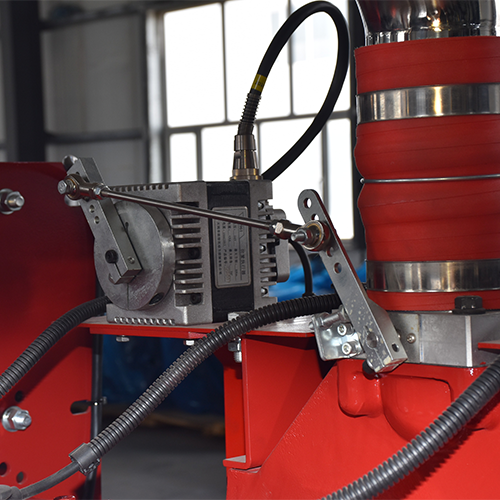
FAQ
How much can a natural gas power generator reduce nitrogen oxide emissions compared to diesel generators?
A natural gas power generator typically produces seventy to eighty percent fewer nitrogen oxide emissions than comparable diesel generators. This reduction results from the lower combustion temperatures and cleaner burning characteristics of natural gas, making it an excellent choice for applications where air quality is a primary concern.
Does a natural gas power generator require special emission control equipment?
Basic natural gas power generator systems achieve low emissions through clean combustion alone, though advanced units may include catalytic reduction systems for even greater emission control. The inherently clean burning nature of natural gas means that extensive emission control equipment is typically not required, simplifying installation and reducing costs.
Can natural gas power generator systems meet strict environmental regulations?
Yes, properly designed natural gas power generator systems can meet even the most stringent environmental regulations. The combination of clean-burning fuel characteristics, advanced combustion technologies, and optional emission control systems enables these generators to achieve emission levels that comply with the strictest air quality standards in urban and environmentally sensitive areas.
How do emission benefits change with natural gas power generator age and usage?
With proper maintenance, a natural gas power generator can maintain its emission reduction benefits throughout its operational life. Regular tuning, component replacement, and system optimization ensure that emission levels remain low even as the generator ages. Modern control systems help maintain optimal combustion conditions that preserve environmental benefits over time.
Table of Contents
- Combustion Chemistry Behind Lower Emissions
- Advanced Engine Technologies for Emission Control
- Comparative Emission Reduction Benefits
- Operational Factors Affecting Emission Performance
-
FAQ
- How much can a natural gas power generator reduce nitrogen oxide emissions compared to diesel generators?
- Does a natural gas power generator require special emission control equipment?
- Can natural gas power generator systems meet strict environmental regulations?
- How do emission benefits change with natural gas power generator age and usage?