
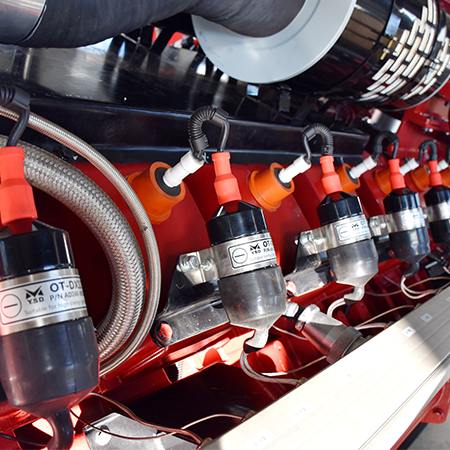
Modern industries are increasingly prioritizing environmental sustainability while maintaining reliable power generation capabilities. A gas generator represents a significant advancement in clean energy technology, offering businesses and organizations an efficient alternative to traditional diesel-powered systems. These innovative power solutions utilize natural gas, biogas, or other gaseous fuels to produce electricity with substantially lower emissions and environmental impact compared to conventional generators.
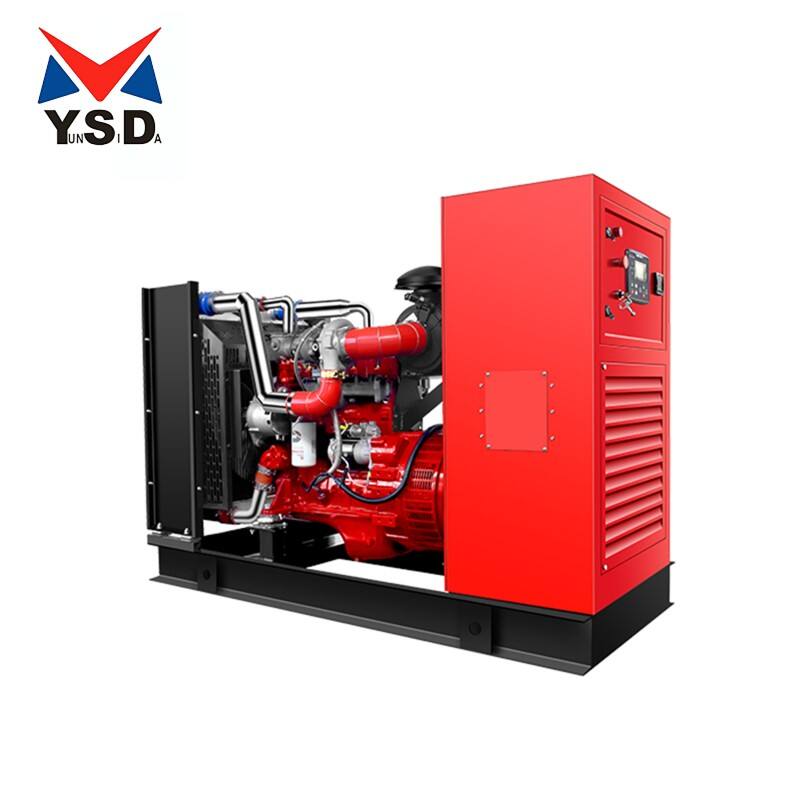
The transition toward sustainable power generation has become a critical business imperative across various sectors. Organizations are discovering that implementing a gas generator system not only reduces their carbon footprint but also provides long-term operational benefits. From manufacturing facilities to data centers, healthcare institutions to agricultural operations, these systems are proving their worth as environmentally responsible power solutions that deliver consistent performance while supporting green initiatives.
Environmental Benefits of Gas-Powered Generation Systems
Reduced Carbon Emissions and Air Quality Improvement
The environmental advantages of a gas generator extend far beyond simple fuel efficiency. These systems produce significantly lower carbon dioxide emissions compared to diesel or coal-fired alternatives, with some configurations achieving up to 50% reduction in CO2 output. Natural gas combustion generates fewer particulate matter emissions, reducing air pollution and contributing to improved local air quality around industrial facilities.
Furthermore, gas generator technology eliminates the production of sulfur compounds that contribute to acid rain formation. This characteristic makes these systems particularly valuable for organizations operating in environmentally sensitive areas or those committed to achieving carbon neutrality goals. The cleaner combustion process also reduces the formation of nitrogen oxides, which are significant contributors to ground-level ozone formation.
Sustainable Fuel Source Compatibility
One of the most compelling aspects of modern gas generator systems is their ability to utilize renewable fuel sources. Biogas generated from agricultural waste, landfill operations, or wastewater treatment facilities can power these generators, creating a truly circular energy solution. This capability transforms waste products into valuable energy resources while simultaneously reducing methane emissions that would otherwise contribute to greenhouse gas accumulation.
Industrial facilities implementing biogas-powered gas generator systems often achieve net-zero or even negative carbon emissions. The process captures methane that would naturally decompose and release into the atmosphere, converting it into useful electricity while preventing a potent greenhouse gas from contributing to climate change. This dual environmental benefit makes biogas-powered generators particularly attractive for sustainable operations.
Economic Advantages and Operational Efficiency
Long-Term Cost Savings and Fuel Economy
The economic benefits of implementing a gas generator system extend throughout the equipment's operational lifespan. Natural gas typically costs significantly less than diesel fuel on a per-unit energy basis, resulting in substantial operational savings for facilities with high power demands. These cost advantages become even more pronounced during periods of diesel price volatility, providing businesses with greater budget predictability.
Maintenance requirements for gas generator systems are generally lower than their diesel counterparts due to cleaner combustion characteristics. The absence of carbon buildup and reduced wear on engine components translates to extended service intervals and lower maintenance costs. Additionally, the stable supply infrastructure for natural gas reduces the logistical complexities and costs associated with fuel storage and delivery.
Enhanced Reliability and Performance Consistency
Modern gas generator technology incorporates advanced control systems that optimize fuel consumption and power output based on real-time demand. These intelligent systems automatically adjust operating parameters to maintain peak efficiency across varying load conditions, ensuring consistent power quality while minimizing fuel waste. The result is a more responsive and efficient power generation solution that adapts to operational requirements.
The reliability advantages of a gas generator become particularly evident in critical applications where power interruptions can result in significant operational disruptions or safety concerns. The continuous fuel supply through pipeline infrastructure eliminates concerns about fuel delivery delays or storage tank depletion that can affect diesel generator reliability during extended outages.
Technical Innovations and System Integration
Advanced Monitoring and Control Capabilities
Contemporary gas generator systems incorporate sophisticated monitoring technologies that provide real-time visibility into system performance, fuel consumption, and environmental parameters. These advanced control systems enable operators to optimize efficiency while ensuring compliance with environmental regulations and safety standards. Remote monitoring capabilities allow facility managers to track generator performance from anywhere, enabling proactive maintenance and rapid response to operational issues.
Integration with building management systems creates opportunities for intelligent load balancing and demand response optimization. A well-designed gas generator installation can automatically respond to grid conditions, shifting power production to match peak demand periods or supporting renewable energy integration strategies. This level of automation reduces operational complexity while maximizing the environmental and economic benefits of gas-powered generation.
Scalability and Modular Design Advantages
The modular nature of modern gas generator technology enables organizations to implement scalable power solutions that grow with their operational requirements. Multiple units can operate in parallel configurations, providing redundancy and allowing for maintenance without complete system shutdown. This flexibility is particularly valuable for facilities with expanding power needs or those implementing phased sustainability initiatives.
Scalable gas generator installations also support distributed energy strategies, where power generation occurs closer to the point of consumption. This approach reduces transmission losses and improves overall system efficiency while providing greater energy security for critical operations. The ability to incrementally add generation capacity makes these systems attractive for organizations managing capital expenditure constraints while pursuing sustainability goals.
Industry Applications and Implementation Strategies
Healthcare and Critical Infrastructure Applications
Healthcare facilities represent one of the most demanding applications for gas generator technology due to the critical nature of medical equipment and patient care requirements. These institutions require uninterrupted power supply with exceptional reliability standards, making the consistent performance characteristics of gas-powered systems particularly valuable. The cleaner emissions profile of a gas generator also supports healthcare facilities' commitment to environmental stewardship and community health protection.
Critical infrastructure applications including data centers, telecommunications facilities, and emergency services benefit from the rapid startup capabilities and sustained operation characteristics of gas generator systems. These applications often require extended runtime capabilities during grid outages, making the continuous fuel supply advantages of natural gas infrastructure particularly beneficial compared to finite diesel fuel storage.
Industrial Manufacturing and Processing Operations
Manufacturing operations with significant power requirements find gas generator systems particularly well-suited to their operational profiles. The ability to provide both emergency backup power and continuous base load generation makes these systems valuable for facilities implementing combined heat and power strategies. Industrial applications can leverage waste heat recovery from gas generator operations to support process heating requirements, further improving overall energy efficiency.
Processing operations in the food and beverage industry benefit from the clean combustion characteristics of gas generator technology, which reduces the risk of contamination from exhaust emissions. These facilities often have access to organic waste streams that can be converted to biogas, creating integrated waste-to-energy solutions that support both operational requirements and sustainability objectives.
Regulatory Compliance and Environmental Standards
Emissions Standards and Permitting Considerations
The regulatory landscape surrounding power generation continues to evolve toward stricter emissions standards and environmental protection requirements. A gas generator typically achieves compliance with current and anticipated future regulations more easily than diesel-powered alternatives due to inherently cleaner combustion characteristics. This regulatory advantage provides organizations with greater certainty regarding long-term operational viability and compliance costs.
Permitting processes for gas generator installations often encounter fewer regulatory obstacles compared to other fossil fuel-powered systems. The reduced environmental impact profile and lower emissions characteristics simplify environmental impact assessments and community acceptance processes. This streamlined approval process can significantly reduce project implementation timelines and associated costs.
Sustainability Reporting and Corporate Responsibility
Organizations implementing gas generator technology can leverage these systems to support comprehensive sustainability reporting and corporate environmental responsibility initiatives. The quantifiable emissions reductions and environmental benefits provide concrete metrics for ESG reporting requirements and stakeholder communications. These systems support corporate commitments to carbon reduction goals while maintaining operational reliability.
The ability to utilize renewable biogas sources enables organizations to demonstrate circular economy principles and waste reduction strategies. This capability becomes particularly valuable for companies with comprehensive sustainability mandates or those operating in industries with significant environmental scrutiny. A properly implemented gas generator system can serve as a cornerstone technology for broader environmental stewardship programs.
Future Developments and Technology Trends
Hydrogen Integration and Carbon-Neutral Operations
Emerging developments in gas generator technology include increasing compatibility with hydrogen fuel sources, positioning these systems for transition to completely carbon-neutral operations. Hydrogen-powered generators represent the next evolution in clean energy generation, offering zero-emission operation while maintaining the reliability and performance characteristics that make gas-powered systems attractive.
The development of hybrid gas generator systems that can seamlessly switch between natural gas, biogas, and hydrogen sources provides organizations with fuel flexibility and future-proofing capabilities. This technological advancement ensures that investments in gas generator infrastructure remain viable as fuel sources and environmental regulations continue to evolve toward carbon neutrality requirements.
Smart Grid Integration and Energy Storage Coordination
Advanced gas generator systems are increasingly designed for seamless integration with smart grid technologies and energy storage systems. This integration enables sophisticated demand response strategies and grid stabilization services that provide additional revenue opportunities while supporting overall grid reliability. The rapid response characteristics of modern gas generator technology make these systems valuable for frequency regulation and peak shaving applications.
Coordination between gas generator systems and battery energy storage creates hybrid solutions that optimize both environmental performance and economic returns. These integrated systems can provide instant response capabilities through battery systems while leveraging the sustained output capabilities of gas generation for extended duration events. This combination delivers the benefits of both technologies while minimizing the limitations of each individual solution.
FAQ
What are the primary environmental advantages of using a gas generator compared to diesel generators
Gas generator systems produce significantly lower emissions compared to diesel alternatives, including up to 50% reduction in carbon dioxide output and virtually elimination of particulate matter and sulfur compounds. These systems can also utilize renewable biogas sources, creating carbon-neutral or even carbon-negative power generation when using waste-derived fuels.
How does fuel cost for gas generator operation compare to diesel generator systems
Natural gas typically costs 30-50% less than diesel fuel on an energy-equivalent basis, resulting in substantial operational savings over the system lifetime. Additionally, natural gas prices tend to be more stable than diesel prices, providing better budget predictability for facilities with high power generation requirements.
Can existing diesel generator installations be converted to gas generator systems
Many diesel generators can be converted to operate on natural gas or biogas through engine modification kits, though the feasibility depends on the specific engine design and application requirements. Professional evaluation is essential to determine conversion viability and ensure optimal performance and emissions compliance.
What maintenance advantages do gas generator systems provide over traditional diesel generators
Gas generator systems require less frequent maintenance due to cleaner combustion characteristics that reduce carbon buildup and engine wear. Typical maintenance intervals are 25-50% longer than diesel systems, and the absence of fuel contamination issues eliminates many common diesel generator maintenance problems.
Table of Contents
- Environmental Benefits of Gas-Powered Generation Systems
- Economic Advantages and Operational Efficiency
- Technical Innovations and System Integration
- Industry Applications and Implementation Strategies
- Regulatory Compliance and Environmental Standards
- Future Developments and Technology Trends
-
FAQ
- What are the primary environmental advantages of using a gas generator compared to diesel generators
- How does fuel cost for gas generator operation compare to diesel generator systems
- Can existing diesel generator installations be converted to gas generator systems
- What maintenance advantages do gas generator systems provide over traditional diesel generators