
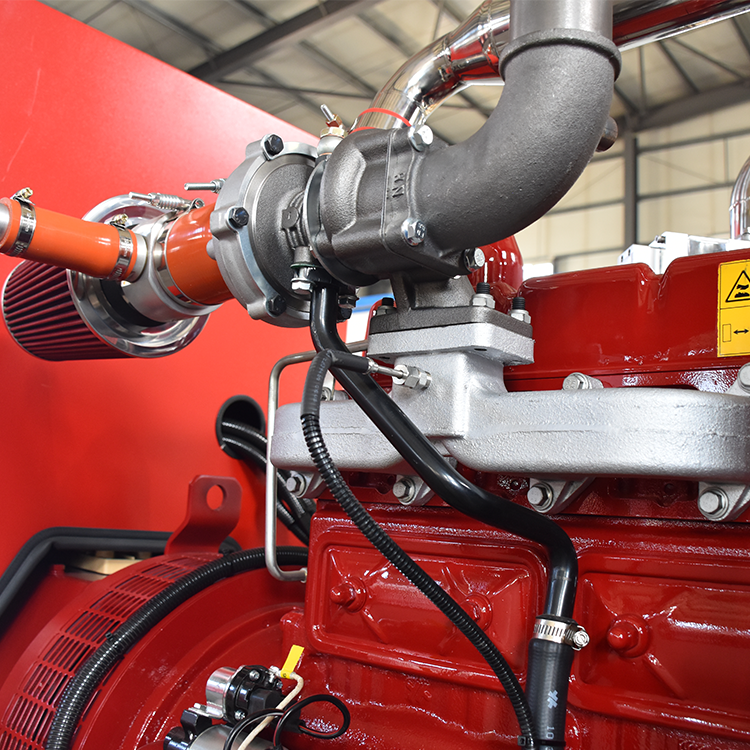
Industrial power generation has evolved significantly over the past decade, with businesses increasingly seeking cleaner, more efficient alternatives to traditional diesel generators. The emergence of advanced gas generator technology has revolutionized how industries approach backup and primary power solutions. These innovative systems offer compelling advantages that make them particularly attractive for modern industrial applications where environmental compliance, operational costs, and reliability are paramount concerns.
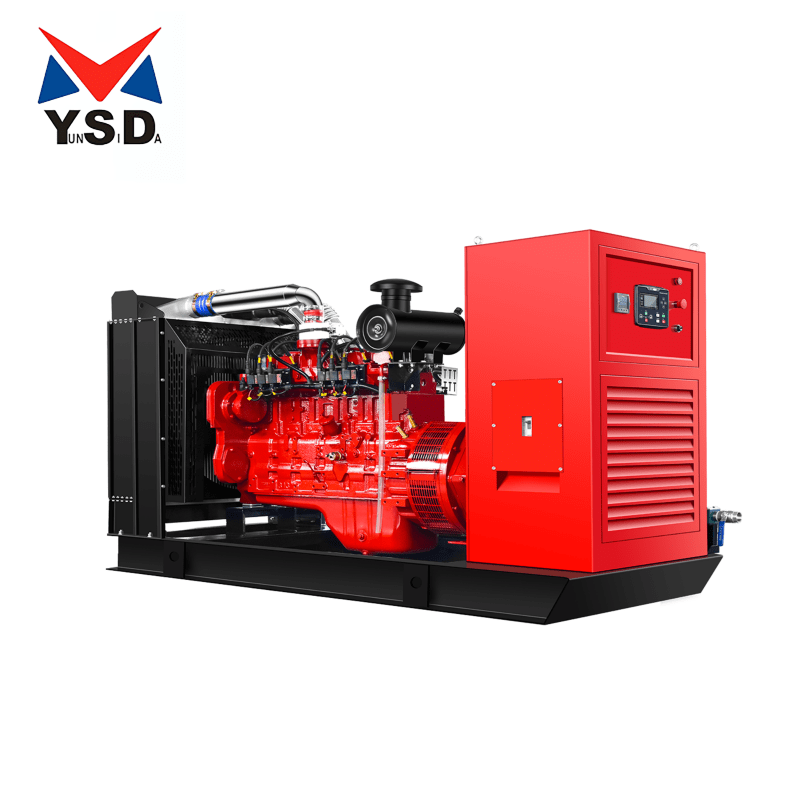
The shift toward natural gas-powered generation reflects broader industry trends emphasizing sustainability, cost optimization, and regulatory compliance. Industrial facilities across manufacturing, healthcare, data centers, and critical infrastructure sectors are discovering that gas generator systems provide superior performance characteristics while addressing environmental concerns that diesel alternatives cannot match. Understanding these advantages becomes crucial for facility managers and procurement specialists evaluating long-term power generation strategies.
Environmental Benefits and Emissions Reduction
Lower Carbon Footprint
Natural gas combustion produces significantly fewer carbon emissions compared to diesel fuel, making a gas generator an environmentally responsible choice for industrial applications. The cleaner burning characteristics of natural gas result in approximately 25-30% lower carbon dioxide emissions per unit of energy produced. This reduction becomes particularly important for companies pursuing carbon neutrality goals or operating under strict environmental regulations.
The environmental advantages extend beyond carbon emissions to include substantial reductions in particulate matter, sulfur compounds, and nitrogen oxides. Industrial facilities implementing gas generator technology often experience improved air quality in surrounding areas, which can be crucial for operations located near residential zones or sensitive environmental areas. These emissions improvements also help companies maintain compliance with increasingly stringent environmental standards.
Regulatory Compliance Advantages
Many jurisdictions have implemented or are considering stricter emissions standards that favor cleaner burning fuels like natural gas. A modern gas generator typically meets or exceeds current EPA Tier 4 emissions standards without requiring complex after-treatment systems that diesel generators need. This inherent compliance advantage reduces the complexity and cost of meeting regulatory requirements.
The regulatory landscape continues evolving toward more stringent emissions controls, and facilities equipped with gas generator systems are better positioned to adapt to future requirements. This proactive approach to environmental compliance can prevent costly retrofits or equipment replacements that may become necessary with diesel-powered alternatives as regulations tighten.
Economic Advantages and Cost Efficiency
Fuel Cost Considerations
Natural gas pricing typically offers more stability and lower costs compared to diesel fuel, particularly for facilities with access to pipeline natural gas supply. The cost differential can be substantial, with natural gas often costing 30-50% less per BTU than diesel fuel. This cost advantage becomes more pronounced during extended operating periods or when using the gas generator for primary power applications.
The price volatility of diesel fuel creates budgeting challenges that natural gas can help mitigate. Natural gas prices tend to be more predictable and stable over time, allowing for better long-term financial planning. Additionally, many utility companies offer favorable natural gas rates for industrial customers, further enhancing the economic benefits of gas generator systems.
Maintenance and Operating Cost Benefits
Gas generator systems generally require less frequent maintenance compared to diesel alternatives, primarily due to the cleaner burning characteristics of natural gas. The absence of particulate matter in natural gas combustion means less wear on engine components, cleaner oil, and extended service intervals. This translates to reduced maintenance costs and improved equipment availability.
The elimination of diesel fuel storage, handling, and treatment requirements represents another significant cost saving. Facilities using a gas generator avoid expenses related to fuel tank maintenance, fuel quality testing, biocide treatments, and environmental compliance associated with diesel fuel storage. These operational simplifications can result in substantial cost reductions over the equipment lifecycle.
Performance and Reliability Characteristics
Starting and Load Response
Modern gas generator technology has overcome historical limitations related to starting reliability and load acceptance. Advanced ignition systems and fuel management controls enable rapid starting even in cold weather conditions. The consistent fuel quality of natural gas eliminates issues related to fuel degradation or contamination that can affect diesel generator performance.
Load acceptance capabilities of contemporary gas generator systems match or exceed diesel alternatives for most industrial applications. The precise fuel metering possible with natural gas allows for optimized combustion across varying load conditions, resulting in improved efficiency and reduced emissions throughout the operating range.
Operational Reliability
The reliability advantages of a gas generator stem from both fuel quality consistency and simplified fuel delivery systems. Natural gas supply through utility pipelines eliminates concerns about fuel delivery delays, storage capacity limitations, or fuel quality degradation. This continuous fuel availability ensures that backup power systems remain ready for operation without manual intervention.
Engine longevity often improves with natural gas operation due to cleaner combustion and reduced contamination of lubricating oil. The absence of fuel system components required for diesel operation, such as fuel filters and water separators, reduces potential failure points and maintenance requirements. These factors contribute to improved overall system reliability and availability.
Installation and Infrastructure Considerations
Fuel Supply Infrastructure
Facilities with existing natural gas service can often integrate a gas generator with minimal additional infrastructure investment. The connection to existing gas supply lines typically requires only pressure regulation and safety equipment, which is generally less complex and expensive than installing diesel fuel storage and handling systems.
For locations without natural gas service, compressed natural gas (CNG) or liquefied petroleum gas (LPG) alternatives can provide similar benefits while maintaining the advantages of gaseous fuel operation. These alternatives may require additional storage equipment but still offer advantages over diesel systems in terms of emissions and maintenance requirements.
Space and Safety Requirements
Gas generator installations often require less space than equivalent diesel systems when considering fuel storage requirements. The elimination of bulk fuel storage tanks, containment systems, and fuel handling equipment can significantly reduce the facility footprint required for power generation equipment. This space efficiency can be particularly valuable in urban or space-constrained industrial settings.
Safety considerations for natural gas systems focus primarily on leak detection and ventilation rather than the fire and spill risks associated with liquid fuel storage. Natural gas disperses rapidly if released, reducing the risk of persistent hazardous conditions. Modern gas detection systems provide reliable monitoring and automatic shutdown capabilities to ensure safe operation.
Technology Advancements and Future Readiness
Engine Technology Developments
Recent advances in gas engine technology have significantly improved the performance and efficiency of gas generator systems. Innovations in combustion chamber design, ignition systems, and engine management controls have resulted in higher power density and improved fuel efficiency compared to previous generations of gas engines.
The development of lean-burn engine technology specifically for natural gas applications has further enhanced efficiency while reducing emissions. These engines operate with optimized air-fuel ratios that maximize combustion efficiency and minimize pollutant formation, making the gas generator an even more attractive alternative to diesel systems.
Integration with Renewable Energy
Gas generator systems offer excellent compatibility with renewable energy sources and energy storage systems. The rapid start capability and load-following characteristics of modern gas engines make them ideal for complementing solar and wind power installations. This flexibility supports industrial facilities pursuing hybrid power strategies that combine renewable generation with reliable backup power.
The potential for renewable natural gas production from waste streams creates opportunities for truly sustainable power generation. Facilities that can utilize biogas or renewable natural gas in their gas generator systems can achieve near-zero net carbon emissions while maintaining reliable power generation capabilities.
Application-Specific Advantages
Critical Infrastructure Applications
Healthcare facilities, data centers, and other critical infrastructure applications benefit particularly from the reliability and rapid response characteristics of gas generator systems. The consistent fuel quality and simplified fuel supply reduce the risk of power system failures during extended outages when backup power is most needed.
The lower noise levels typically associated with gas generator operation can be advantageous for installations in noise-sensitive environments such as hospitals or residential areas. The absence of fuel delivery truck traffic during extended outages also reduces disruption to facility operations and surrounding areas.
Manufacturing and Industrial Process Applications
Industrial manufacturing facilities often benefit from the precise load control possible with gas generator systems. The ability to closely match power output to process requirements can improve overall energy efficiency and reduce operating costs. Additionally, the cleaner exhaust characteristics may allow for heat recovery applications that would be problematic with diesel generator exhaust.
Process industries requiring high power quality benefit from the steady-state characteristics of natural gas engines. The consistent fuel properties and optimized combustion result in more stable electrical output with reduced harmonic distortion compared to diesel alternatives, which can be important for sensitive electronic equipment and process controls.
FAQ
What are the main cost differences between gas and diesel generators for industrial use?
The primary cost differences favor gas generator systems in most applications. Natural gas fuel costs are typically 30-50% lower than diesel per BTU, and maintenance costs are generally reduced due to cleaner combustion. While initial equipment costs may be comparable, the total cost of ownership usually favors gas systems due to lower fuel and maintenance expenses, elimination of fuel storage costs, and reduced environmental compliance requirements.
How does the reliability of a gas generator compare to diesel systems?
Modern gas generator systems offer reliability that matches or exceeds diesel alternatives. The continuous fuel supply through utility pipelines eliminates fuel delivery and storage concerns that can affect diesel system availability. Natural gas engines typically experience less wear due to cleaner combustion, resulting in longer service intervals and improved overall reliability. Advanced engine management systems ensure consistent performance across varying operating conditions.
What infrastructure requirements are needed for installing a gas generator?
Infrastructure requirements depend on existing utility connections and facility layout. Facilities with natural gas service typically need only pressure regulation equipment and safety systems for connection. Locations without gas service may require CNG or LPG storage systems. Overall space requirements are often less than diesel systems when considering the elimination of fuel storage tanks and associated containment systems.
Can gas generators meet the same power requirements as diesel units?
Contemporary gas generator technology can meet virtually any power requirement that diesel systems address. Advances in engine design and fuel management have eliminated historical power density limitations. Gas engines are available in sizes ranging from small standby units to large industrial systems exceeding several megawatts. Load acceptance and transient response characteristics now match diesel performance for most industrial applications.
Table of Contents
- Environmental Benefits and Emissions Reduction
- Economic Advantages and Cost Efficiency
- Performance and Reliability Characteristics
- Installation and Infrastructure Considerations
- Technology Advancements and Future Readiness
- Application-Specific Advantages
-
FAQ
- What are the main cost differences between gas and diesel generators for industrial use?
- How does the reliability of a gas generator compare to diesel systems?
- What infrastructure requirements are needed for installing a gas generator?
- Can gas generators meet the same power requirements as diesel units?